Brain Aneurysm
A brain aneurysm occurs when a blood vessel in the brain develops a bulge or balloon-like swelling. Most brain aneurysms stay intact and don't cause any noticeable symptoms. A burst aneurysm in brain tissue creates a medical emergency. Patients describe the biggest warning sign as a sudden, severe 'thunderclap headache'. These ruptures cause about 90% of bleeding events around the brain, known as subarachnoid haemorrhages.
Time becomes critical when brain aneurysm symptoms appear suddenly. A patient's chance of recovery improves significantly with quick medical intervention.
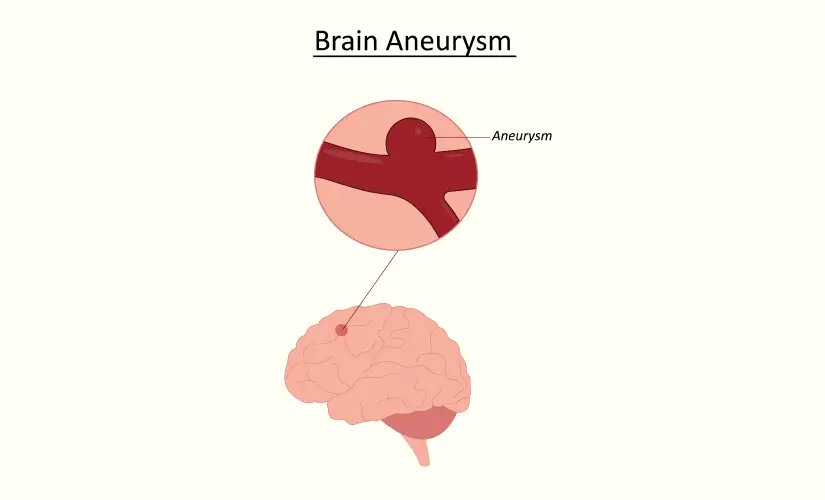
What is Brain Aneurysm?
Blood pressure constantly pushes against artery walls, and weak spots can balloon outward to create a brain aneurysm. The bulge grows slowly and can become as big as a small berry. These bulges usually show up along the major arteries at the skull's base.
Types of Brain Aneurysm
The following are common types of brain aneurysms:
- Saccular (berry) aneurysms - These round bulges hang like berries from a vine and are the most common type. A distinct neck connects them to the main artery.
- Fusiform aneurysms - The artery bulges on all sides without a defined neck
- Mycotic aneurysms - Infections weaken artery walls and create these rare formations
- Pseudoaneurysms - These expansions happen after injury and don't affect all vessel wall layers
Symptoms of Brain Aneurysm
Small brain aneurysms usually don't cause symptoms. Larger ones can press against nearby tissues and lead to:
- Pain above and behind one eye
- Dilated pupil
- Vision changes or double vision
- Numbness on one side of the face
- Severe headache (People describe the main symptom as "the worst headache of my life")
The person might also experience a stiff neck, nausea, light sensitivity, and confusion.
Causes of Brain Aneurysm
Artery walls become thin at weak points where blood vessels split or branch, leading to brain aneurysms. Several factors play a role:
- Genetic predisposition - Weak blood vessels can run in families.
- Lifestyle factors - Smoking and high blood pressure increase the risk by a lot.
- Age and gender - The risk rises after age 40, and women face higher risks than men.
- Health conditions - People with Ehlers-Danlos syndrome, polycystic kidney disease, and Marfan syndrome face increased risks.
- Substance use - Cocaine and heavy alcohol use can weaken vessel walls.
Children rarely develop aneurysms. Most cases happen from natural wear and tear on arteries over time.
Diagnosis of Brain Aneurysm
Doctors often discover unruptured aneurysms while testing patients for other conditions. When patients show symptoms doctors typically request:
- CT scan: This quick X-ray procedure serves as the initial test to check for bleeding. A CT angiogram creates better images by using special dye to show blood flow.
- MRI and MRA: These tests create detailed brain images through magnetic fields, which help doctors determine the aneurysm's size, shape, and location.
- Cerebral angiography: This procedure uses a thin tube (catheter) that goes through a blood vessel from the groin or wrist to the brain arteries. The doctor puts contrast dye into the catheter to make detailed X-rays of blood vessels.
- Lumbar puncture: Doctors use this test, also known as a spinal tap, to check cerebrospinal fluid for signs of bleeding.
Treatments for Brain Aneurysm
The main goal is to prevent rupture. Treatment options are:
- Observation: Small aneurysms with low rupture risk might need only regular monitoring.
- Surgical clipping: A neurosurgeon attaches a tiny metal clip over the aneurysm neck to stop blood flow. Patients with unruptured aneurysms typically recover in 4-6 weeks.
- Endovascular coiling: This minimally invasive treatment uses flexible wires that thread through a catheter into the aneurysm. The wires cause blood to clot & seal off the aneurysm.
- Flow diversion: The surgeon places a stent in the blood vessel to redirect blood away from the aneurysm.
Complications of Brain Aneurysm
Common complications are:
- Re-bleeding
- Narrowing of the blood vessels (vasospasm)
- Hydrocephalus (Blood blockage of normal spinal fluid movement)
- Brain swelling
- Permanent damage
When to See a Doctor
Call emergency services immediately if you experience:
- A very severe headache that comes on suddenly
- Weakness in the face (one side may droop)
- Weakness or numbness down one side of the body
- Speech problems including slurring or trouble finding words
- Blurred vision or sight loss
- Stiff neck
- Nausea and vomiting
- Loss of consciousness
- Sensitivity to light
- Seizures
You might not experience all these symptoms during a brain aneurysm emergency. Getting help quickly matters even if you notice just a few signs.
Conclusion
Brain aneurysms silently threaten millions of people worldwide. Most never rupture, but knowing about this condition might save your life or someone else's. Medical imaging helps detect them early and gives you the best chance at successful treatment before emergencies happen. Doctors can now use several ways that work to fix these arterial bulges, including surgical clipping, endovascular coiling, and flow diversion techniques.
Medical science keeps improving detection and treatment methods, giving patients better outcomes than any that ever spread before. But prevention remains your best shield. Regular check-ups, healthy lifestyle choices and quick response to warning signs are the foundations of protecting yourself against this devastating condition.
Your body sends warning signals like sudden headaches, vision changes, or facial numbness that mean you should get emergency help right away. Note that timing makes all the difference with brain aneurysms - quick action saves lives.
FAQs
1. How to prevent a brain aneurysm from rupturing?
If you have a diagnosed aneurysm in brain tissue, you can take several steps to reduce your rupture risk:
- Quit smoking right away—this substantially increases growth and rupture risk
- Keep your blood pressure under control with medication and lifestyle changes
- Cut back on alcohol and stay away from binge drinking
- Stay away from recreational drugs, especially cocaine and stimulants
- Make exercise and balanced diet part of your routine
- Shed extra pounds if needed
2. What are the warning signs of a brain aneurysm?
Brain aneurysms rarely show symptoms before they rupture. Larger ones might cause:
- Pain above or behind one eye
- Vision changes or double vision
- A drooping eyelid
- Pupil enlargement
- Numbness on one side of your face
When aneurysms rupture, look out for:
- A sudden, severe headache that patients describe as "the worst headache of my life"
- Nausea with vomiting
- Neck stiffness
- Light sensitivity
- Mental confusion or blackouts
3. Who is most at risk for a brain aneurysm?
Your risk goes up with these factors:
- Age between 30-60 years
- Being female
- Smoking habits
- High blood pressure
- Family history, particularly with two or more affected relatives
Genetic conditions like Ehlers-Danlos syndrome, polycystic kidney disease, or Marfan syndrome
4. How to detect brain aneurysms?
Doctors usually find brain aneurysms during tests for other conditions. They use these detection methods:
- CT scan and CT angiogram (CTA)
- MRI and MR angiography (MRA)
- Cerebral angiogram that shows detailed vessel images
- Lumbar puncture to check for blood in cerebrospinal fluid
5. What is the first stage of an aneurysm?
The artery wall's weak spot marks the beginning. Blood pressure makes this weakness slowly balloon outward. You won't notice early-stage aneurysms because they stay small and don't cause symptoms.





 +91 406 810 6585