




Follow Us

Chat With Our Experts
Get second opinion on Whatsapp
Thyroid nodules affect millions of people worldwide and most people remain unaware of them. They are small lumps in your thyroid gland. Although the majority of these nodules remain harmless, some might cause symptoms or health issues. Thyroid nodule ablation surgery provides a less invasive solution. It gives hope to many patients seeking effective treatment without the risks and long recovery linked to traditional surgery.
Radiofrequency ablation (RFA) has emerged as a game-changing treatment with success rates reaching 90%. The results of this minimally invasive procedure speak for themselves. Patients see a huge volume reduction in just one month. The benefits last longer too. Additionally, it works for cold and hot nodules and even helps with recurrent or residual thyroid cancer.
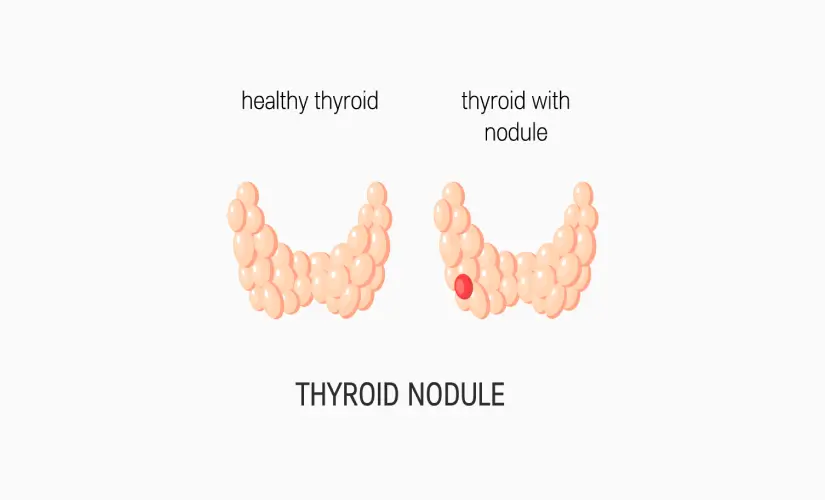
This article explains what thyroid nodule ablation is, its preparation steps, procedure details, recovery time, and what it all means.
CARE CHL Hospitals Indore has built its reputation as a leader in advanced medical procedures especially in interventional radiology. The hospital's NABH accreditation shows its strong commitment to excellent medical standards blending advanced technology with compassionate care. You will find it perfect for thyroid nodule treatment.
CARE CHL stands out with its patient first approach. A team of radiologists, endocrinologists and anaesthesiologists creates a custom treatment plan for each patient. This shared approach will give a detailed care plan that matches your specific needs.
Best Thyroid Nodule Ablation Surgery Doctors in India
Modern technology at the hospital makes complex procedures simpler and safer. The interventional radiology department specialises in minimally invasive, image guided treatments (as alternatives to traditional open surgery).
CARE CHL features the latest 128 Slice CT Angiography and 1.5 T MRI in Indore. They offer both radiofrequency and microwave ablation technologies for thyroid nodule treatment. These procedures target thyroid tissue with precision and protect surrounding structures.
The facility's advanced imaging equipment includes X-rays, fluoroscopy, ultrasound, and CT scans for up-to-the-minute visualisation during procedures. An expert team manages all treatments and post-procedure recovery under one roof.
Doctors suggest RFA for benign thyroid nodules that cause symptoms like:
This procedure helps patients with autonomously functioning thyroid nodules (whether toxic or pretoxic). It works great if you want to avoid surgery, scarring or general anaesthesia.
Patients with cancerous nodules, highly vascular tumours, or very large nodules (over 5-6 cm) are not suitable for RFA. Pregnant or breastfeeding women should look at other options.
The best candidates have benign, growing nodules confirmed by biopsy and experience pressure symptoms or cosmetic concerns.
Doctors will conduct a thorough evaluation using an ultrasound to examine the nodule's dimensions and features. To confirm the nodule is harmless at least two different biopsies are necessary. Doctors also perform blood tests to check thyroid function, blood count, and clotting factors.
Patients should stop blood-thinning medications about five days before the procedure unless their physician suggests otherwise.Different facilities have varying fasting rules - some ask patients to avoid food for 6-8 hours and clear liquids for 2 hours before the procedure.
Most procedures take 30-60 minutes depending on nodule size.
Radiofrequency ablation is very safe, but it does carry some risks. The most common problems include:
RFA has lower risks than surgery for infection, scarring, or lasting voice damage. Most complications heal on their own and rarely need extra medical care.
RFA has many advantages over traditional surgery:
Many insurance providers cover this treatment. Insurance typically covers testing, procedure costs, surgeon fees, hospital stays, and medicine expenses. Talk to your insurance provider about your coverage. At CARE CHL Hospitals, our dedicated helpdesk person will assist you with paperwork and insurance claims for thyroid nodule ablation surgery.
Getting another medical opinion is vital before any thyroid procedure. A second opinion helps verify that your nodule is benign and RFA suits your condition best. You should talk to specialists who know about different thyroid treatments. Their full picture might reveal other options or confirm that RFA is your best choice. This extra step will help you get the right care based on a complete evaluation rather than a single viewpoint.
Radiofrequency ablation (RFA) shrinks thyroid nodules through a minimally invasive technique using heat. The procedure uses a needle-like probe. This probe sends targeted radio waves straight into the nodule to heat up the tissue causing cells to die as the body breaks them down. Doctors carry out this procedure under ultrasound guidance to ensure precise treatment (without damaging surrounding structures).
RFA takes between 45 minutes to 1 hour, depending on the nodule's size. Doctors perform it as an outpatient procedure under local anaesthesia, which keeps patients awake yet comfortable throughout the treatment.
Each option comes with its own benefits. RFA maintains thyroid function, so patients don't need lifelong hormone replacement. The procedure leaves no scar, needs a shorter recovery time, and causes minimal pain. Traditional surgery removes the nodule completely but often requires hormone replacement therapy and leaves a visible neck scar. Your medical condition and personal choices will help determine the best choice.
Patients can resume normal activities within 24 hours after RFA. They might experience mild discomfort or soreness that usually goes away within 2-3 days. The body heals completely within two weeks. The nodule shrinks gradually over time, and most patients see a 50% volume reduction within 6 months.
RFA has proven to be remarkably safe with a lower risk of complications. Patients might experience:
Still Have a Question?