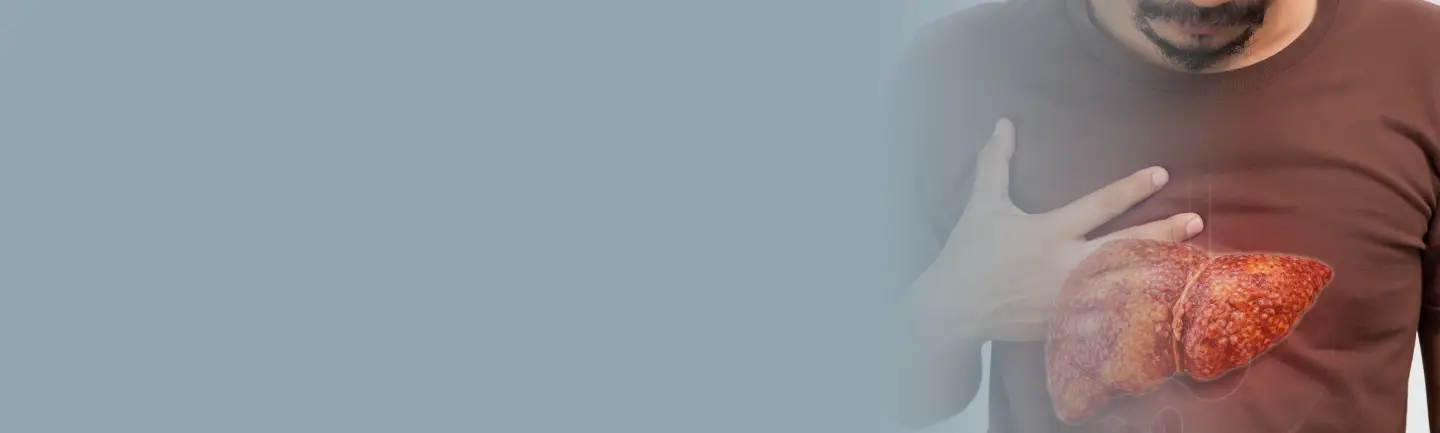
Liver cancer surgery is the surgical removal of a tumour from the liver, either as part of a partial hepatectomy that spares the remaining healthy tissue or in select cases as part of a liver transplant. Most primary liver cancer develops as hepatocellular carcinoma, arising directly from liver cells and it is closely linked to underlying liver disease particularly cirrhosis and chronic viral hepatitis. Because the liver has a remarkable capacity to regenerate, a substantial portion of the organ can often be safely removed while preserving enough function for the remaining tissue to take over. Surgery offers the clearest path to long-term cure for patients whose disease is caught early and whose liver function remains adequate, which is precisely why timely diagnosis matters so much. For patients exploring liver cancer surgery in Raipur understanding the disease, its warning signs and the treatment pathway available locally helps make an often frightening diagnosis considerably more manageable.
Symptoms of Liver Cancer
Early liver cancer frequently causes no symptoms. However when it does it causes:
- Pain or a dull ache in the upper right abdomen, sometimes spreading toward the right shoulder blade.
- Abdominal swelling or a noticeable mass occasionally accompanied by fluid build-up (ascites).
- Unexplained weight loss and a persistent loss of appetite.
- Because the liver's ability to process bile becomes impaired, jaundice (a yellowing of the skin and eyes) can develop as the tumour progresses.
- Fatigue and general weakness that does not improve with rest.
- Nausea and vomiting sometimes worsening as the tumour grows.
- Persistent itching (pruritus), linked to the build-up of bile products in the bloodstream.
- A feeling of fullness after eating only small amounts sometimes due to the tumour or an enlarged liver pressing on the stomach.
Causes of Liver Cancer
Liver cancer nearly always develops against a background of pre-existing liver damage rather than appearing in an otherwise healthy organ. Common causes are:
- Chronic hepatitis B infection is the leading global cause of liver cancer particularly in regions with high infection rates.
- Chronic hepatitis C infection causes long-term liver damage that can progress to cancer over years or decades.
- Cirrhosis (scarring of the liver from any cause) substantially raises cancer risk regardless of what originally damaged the organ.
- Because contaminated grains and nuts can carry it, aflatoxin exposure (a toxin produced by certain moulds) is a recognised contributor to liver cancer in some regions.
- Non-alcoholic fatty liver disease, increasingly common with rising obesity rates has become a growing driver of liver cancer worldwide.
- Long-term heavy alcohol use damages liver tissue progressively and is a well-established pathway to cirrhosis and eventually cancer.
- Inherited metabolic conditions including hereditary hemochromatosis, cause excess iron build-up in the liver and can raise cancer risk over years.
When Is Liver Cancer Surgery Recommended?
Surgery is considered the preferred treatment when several specific conditions are met together. They are:
- The tumour is confined to the liver without evidence of spread to distant organs or major blood vessel invasion.
- Remaining liver function is adequate to support the body after the affected portion is removed, generally assessed through liver function testing and imaging.
- A single tumour or a limited number of tumours confined to one area offers a simpler surgical procedure.
- For patients with early-stage disease and significant underlying cirrhosis, liver transplantation may be considered as an alternative to resection.
- Overall health and fitness for major surgery including heart and lung function are assessed carefully before any operation is scheduled.
Risk of Liver Cancer
Certain conditions and habits substantially raise the likelihood of developing this disease. They are:
- Chronic hepatitis B or C infection particularly when longstanding and untreated.
- Cirrhosis from any cause including alcohol, viral hepatitis or fatty liver disease.
- Long-term heavy alcohol consumption.
- Obesity and type 2 diabetes both increasingly recognised as significant contributors through their link to fatty liver disease.
- Smoking, which independently raises risk with its other well-known health effects.
- A family history of liver cancer or inherited metabolic conditions including hereditary hemochromatosis.
- Male sex as liver cancer occurs considerably more often in men than in women across most populations studied.
Complications of Liver Cancer
As the disease advances or in the setting of significant underlying liver disease several complications can develop. They are:
- Liver failure can occur when the tumour or underlying cirrhosis leaves too little healthy tissue to support normal function.
- Tumour rupture (rare) causes sudden internal bleeding and represents a genuine medical emergency.
- Spread to the lungs, bones or lymph nodes can occur in more advanced disease.
- Portal vein invasion by the tumour can worsen portal hypertension and complicate treatment planning significantly.
- Variceal bleeding from enlarged veins in the oesophagus linked to portal hypertension is a serious complication in patients with significant underlying cirrhosis.
- Progressive ascites (fluid accumulation in the abdomen) can develop as both the tumour and underlying liver disease advance.
- Hepatic encephalopathy, confusion caused by the liver's reduced ability to clear toxins from the blood can develop in advanced disease.
Diagnosis of Liver Cancer
Diagnosis combines blood tests, imaging and in select cases tissue confirmation:
- Blood tests: Liver function tests assess how well the liver is currently functioning and help guide surgical candidacy.
- Blood marker test: Alpha-fetoprotein (AFP), a blood marker often elevated in liver cancer supports diagnosis and helps monitor treatment response over time.
- Ultrasound: It is frequently the first imaging test used to detect liver masses.
- Imaging: Triple-phase CT or MRI provides the detailed picture needed to precisely characterise a liver tumour.
- Liver Biopsy: A tissue sample may be taken if imaging findings are inconclusive or confirmation is needed before treatment.
- Specialised volumetric imaging: Assesses liver reserve and estimates how much functioning tissue will remain after surgery.
- Staging imaging: Includes a chest CT to check for any spread beyond the liver before finalising a treatment plan.
Treatment of Liver Cancer
Treatment depends heavily on tumour size, number, location and how well the remaining liver is expected to function afterwards. Treatment options are:
- Partial hepatectomy, surgical removal of the affected portion of the liver, offers the clearest chance of cure for resectable, early-stage disease.
- Liver transplantation replaces the entire diseased organ and is considered for eligible patients with early-stage cancer and significant underlying cirrhosis.
- Minimally invasive and robotic-assisted surgical techniques are available for suitable candidates and are generally associated with smaller incisions and faster recovery than open surgery.
- Radiofrequency or microwave ablation destroys small tumours using heat delivered directly through a needle, often suitable for patients not fit for major surgery.
- Transarterial chemoembolisation (TACE) delivers chemotherapy directly into the blood vessels supplying the tumour and is commonly used for intermediate stage disease.
- Systemic therapy including targeted therapy and immunotherapy is used for advanced disease that has spread beyond the liver.
Benefits of Liver Cancer Surgery
Surgical treatment offers several advantages. They are:
- Complete removal of the tumour offers the clearest realistic chance of long-term cure for early-stage liver cancer.
- Because the liver regenerates, most patients recover a substantial portion of normal liver function within weeks of surgery.
- Surgery can be combined effectively with other treatments including systemic therapy for patients with a higher risk of recurrence.
- Minimally invasive and robotic techniques reduce postoperative pain and shorten hospital stays compared with traditional open surgery.
- Long-term survival rates for early-stage, surgically treated liver cancer are considerably better than for disease managed without surgery.
Why Choose Ramkrishna CARE Hospitals for Liver Cancer Surgery in Raipur?
Ramkrishna CARE Hospitals brings together hepatobiliary surgeons experienced in complex liver resections supported by advanced imaging, including triple-phase CT and MRI and a pathology laboratory that allows diagnosis and surgical planning to proceed without delay. Minimally invasive & robotic-assisted surgical options are available for suitable candidates offering a faster recovery path for patients undergoing liver cancer surgery in Raipur.
Every case is reviewed by a multidisciplinary tumour board, bringing together surgeons, hepatologists and oncologists to agree on the most appropriate treatment, whether that is resection, ablation or a combination approach. Dedicated postoperative and intensive care support with coordinated long-term follow-up ensures patients across Raipur and the surrounding region receive comprehensive liver cancer care from diagnosis through recovery.