Thyroidectomy is the surgical removal of all or part of the thyroid gland, the small butterfly-shaped organ at the base of the neck that regulates metabolism through the hormones it produces. It ranks among the most commonly performed endocrine surgeries worldwide, addressing everything from cancer and suspicious nodules to enlarged glands that press uncomfortably on the windpipe or oesophagus. Advances in surgical technique including nerve monitoring and minimally invasive approaches have made the procedure considerably safer than it was even a decade ago. Patients researching thyroidectomy surgery in Raipur benefit from access to experienced endocrine and general surgeons working within a well-equipped hospital setting. This article explains what thyroidectomy involves, when it becomes necessary and what to expect from diagnosis through recovery.
What Is Thyroidectomy?
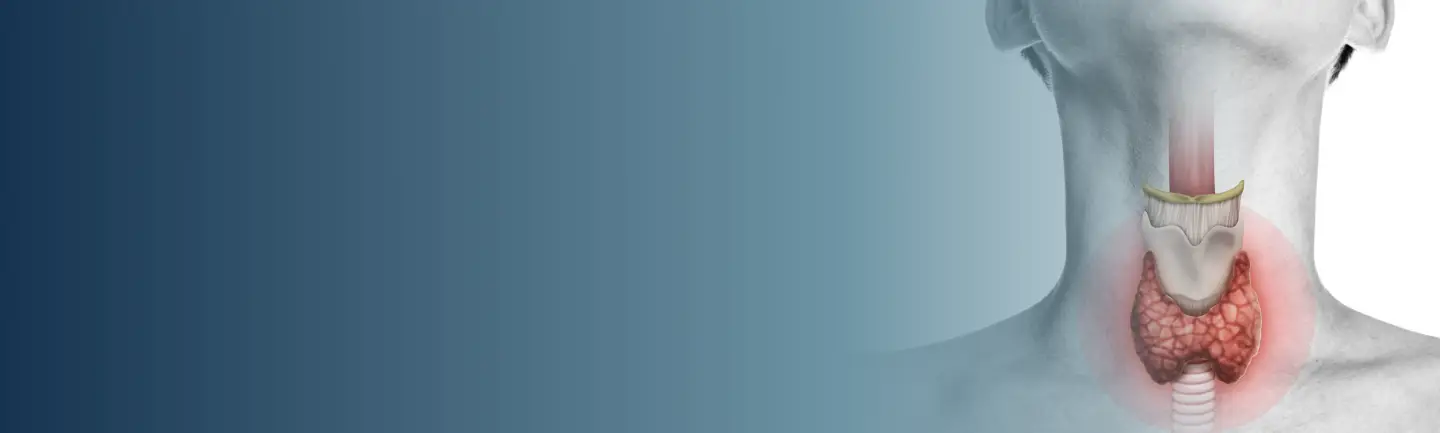
The thyroid gland is located at the front of the neck and synthesises hormones that control the body's metabolic rate, heart rate and energy use. During thyroidectomy the doctor removes part or all of this gland, depending on the underlying condition being treated. A hemithyroidectomy or lobectomy removes only one half of the gland, often sufficient when disease is confined to a single lobe. A subtotal or near total thyroidectomy leaves a small remnant of tissue while during total thyroidectomy your surgeon removes the entire gland. The choice between these approaches depends on the diagnosis, whether cancer is confirmed or suspected, the size of any nodules or goitre and the patient's overall health. Because the thyroid sits close to the parathyroid glands and the nerves controlling the voice box, the procedure requires careful, precise surgical technique regardless of how much tissue is being removed.
When Is Thyroidectomy Surgery Needed?
Surgery becomes the recommended treatment in several distinct clinical situations. They are:
- Confirmed or strongly suspected thyroid cancer is the clearest indication as surgical removal offers the best chance of complete treatment.
- A large goitre causing compression of the windpipe or oesophagus, leading to breathing or swallowing difficulty often requires surgical removal for symptom relief.
- Hyperthyroidism that has not responded adequately to medication or radioactive iodine therapy may be better controlled through surgical removal of the overactive gland.
- Because certain thyroid nodules carry an indeterminate or suspicious result on needle biopsy, surgery is sometimes needed simply to obtain a definitive diagnosis.
- Graves' disease that persists despite medical treatment or that causes significant eye or other complications can be an indication for surgical management.
- For some patients a visibly enlarged thyroid causing significant cosmetic concern is a reasonable reason to consider surgery after full discussion with a specialist.
- A family history of thyroid cancer particularly medullary thyroid cancer linked to inherited genetic syndromes prompts preventive or early surgical evaluation.
- Recurrent or persistent thyroid cysts that repeatedly refill after drainage sometimes need surgical removal for lasting resolution.
Symptoms That May Require Thyroidectomy Surgery
Certain symptoms and findings suggest a possible need for surgical evaluation and treatment:
- Difficulty swallowing or a sensation of food sticking, caused by an enlarged thyroid pressing on the oesophagus.
- Breathing difficulty particularly when lying flat can result from significant compression of the windpipe.
- A visible or palpable lump or swelling in the neck.
- Because pressure on the nearby laryngeal nerve can affect the voice, hoarseness lasting more than a few weeks needs thyroid evaluation.
- Rapid heartbeat, unexplained weight loss, heat intolerance or anxiety can all reflect an overactive thyroid gland.
- Fatigue, weight gain or cold intolerance that are symptoms of an underactive thyroid can occasionally accompany conditions that ultimately need surgical management.
- A rapidly growing neck lump particularly one that feels firm or fixed, needs immediate evaluation given the possibility of malignancy.
- Swollen lymph nodes in the neck alongside a thyroid nodule can raise concern for cancer spread and warrant closer evaluation.
- A sensation of tightness or pressure in the neck can also signal an enlarging thyroid worth investigating.
Causes
A range of underlying thyroid conditions can ultimately lead to a recommendation for surgery. They are:
- Papillary and follicular thyroid cancer, the most common thyroid cancer types generally respond very well to surgical treatment.
- Medullary thyroid cancer, a less common but more aggressive type is sometimes linked to inherited genetic syndromes affecting multiple endocrine glands.
- Multinodular goitre, where the thyroid develops multiple nodules over time can eventually grow large enough to cause compressive symptoms.
- Graves' disease, an autoimmune condition causing the thyroid to become overactive is a common cause of hyperthyroidism requiring treatment.
- Toxic nodules, individual overactive areas within the thyroid can cause hyperthyroidism independent of the rest of the gland.
- Certain forms of thyroiditis contribute to gland enlargement or nodule formation over time need surgery.
- Radiation exposure to the neck earlier in life including previous radiotherapy for an unrelated condition, is a recognised risk factor for later thyroid nodules or cancer.
Risks and Complications
Thyroidectomy is generally a safe procedure though it carries specific risks. They are:
- Bleeding in the neck after surgery
- Infection at the surgical site (although uncommon with modern surgical technique)
- Because the recurrent laryngeal nerve runs directly behind the thyroid, temporary or permanent (rarely) hoarseness can follow if the nerve is affected during surgery.
- Damage to the parathyroid glands, which can cause low blood calcium (hypoparathyroidism) sometimes temporary and occasionally permanent.
- Following a total thyroidectomy, lifelong thyroid hormone replacement becomes necessary as the body can no longer produce its own supply.
- A visible scar remains after surgery though modern surgical techniques generally considerably minimise its size and prominence.
- Numbness or tingling around the mouth and fingertips can occur temporarily if calcium levels dip following surgery, usually resolving with short term supplementation.
Diagnosis Before Thyroidectomy
A thorough diagnostic workup precedes surgery to confirm the condition and plan the surgical approach that works best for you. They are:
- Thyroid function blood tests including TSH, T3, and T4, assess whether the gland is overactive, underactive or functioning normally
- Thyroid ultrasound evaluates the size, structure and number of nodules present, guiding which areas may need biopsy.
- Fine-needle aspiration biopsy samples suspicious nodules directly, providing crucial information on whether cancer is present.
- CT or MRI imaging may be added for very large goitres particularly to assess how far they extend behind the breastbone.
- Because vocal cord function needs confirming before any procedure near the laryngeal nerve, laryngoscopy is sometimes performed to establish a baseline before surgery.
- Baseline calcium and vitamin D levels are checked prior to surgery as these help guide monitoring afterwards for any parathyroid-related changes.
- A general preoperative health assessment, including blood tests and a review of current medications, ensures the patient is fit for surgery and anaesthesia.
Treatment
Treatment centres on the specific type of thyroidectomy required, followed by appropriate post-surgical management:
- Surgery:
- Hemithyroidectomy removes only the affected lobe, often preserving enough gland function to avoid the need for hormone replacement.
- Total thyroidectomy removes the entire gland and is generally recommended for confirmed thyroid cancer or bilateral disease
- Minimally invasive and endoscopic surgical techniques are available for suitable candidates, generally offering a smaller incision and faster initial recovery
- Medications: Following total thyroidectomy, daily synthetic thyroid hormone replaces the function the gland previously provided
- Internal radiotherapy: For confirmed thyroid cancer, radioactive iodine therapy is sometimes given after surgery to eliminate any remaining thyroid tissue and reduce recurrence risk
- Regular follow-up blood tests after surgery ensure hormone replacement is correctly dosed and confirm that calcium levels remain stable
- Voice and swallowing function are assessed during recovery, with speech therapy support available if temporary nerve-related changes affect either.
Benefits of Thyroidectomy Surgery
Thyroidectomy offers several clear and well-established benefits:
- It provides definitive, curative treatment for the majority of thyroid cancers particularly when performed before significant spread has occurred.
- Compressive symptoms including breathing and swallowing difficulty from an enlarged goitre, are typically resolved completely once the gland is removed.
- For hyperthyroidism that has not responded to other treatments, surgery offers a definitive, one-time solution rather than ongoing medication management.
- Because a rapidly growing or suspicious nodule is removed entirely, surgery eliminates uncertainty that monitoring alone cannot resolve.
- Visible or uncomfortable goitres are fully addressed, often improving both comfort and confidence for affected patients.
- With modern surgical technique and nerve monitoring, complication rates are low, and most patients return to normal activity within a few weeks.
- Removing the source of excess hormone production in hyperthyroid patients can improve energy levels, heart rhythm stability and overall wellbeing within weeks
- For patients with a confirmed genetic predisposition to thyroid cancer, timely surgery can address the risk before it progresses to invasive disease.
Why Choose Ramkrishna CARE Hospital for Thyroidectomy Surgery in Raipur?
Ramkrishna CARE Hospital, Raipur offers a dedicated endocrine and general surgery team experienced in the full range of thyroid procedures, from simple lobectomy to complex cancer surgery, supported by intraoperative nerve monitoring technology to help protect voice function during every operation. On-site ultrasound, fine-needle aspiration biopsy and pathology services allow diagnosis and surgical planning to proceed efficiently, without the delays that come from coordinating care across separate centres.
The hospital's broader surgical oncology programme, spanning services from partial thyroidectomy to total thyroidectomy, reflects a depth of surgical expertise that benefits every patient under its care. Structured post-operative monitoring including calcium and thyroid hormone follow-up along with endocrinology support for long-term hormone management, ensures patients in Raipur and the surrounding region receive complete, coordinated care from initial consultation through recovery.