

Centre of Excellence
Specialties
Treatments and Procedures
 Hyderabad
 Raipur
 Bhubaneswar
 Visakhapatnam
 Nagpur
 Indore
 Chh. Sambhajinagar
 Clinics & Medical Centers







Follow Us
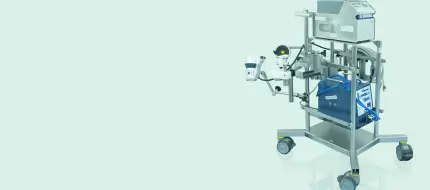
CARE Hospitals, Banjara Hills offers a full-spectrum, protocol-driven ECMO program designed for timely referral, safe patient transfer, and high-survival critical care support. The program is led by senior intensivists and supported by a fully trained ECMO command team available 24x7 for activation, assessment, and inter-hospital coordination.
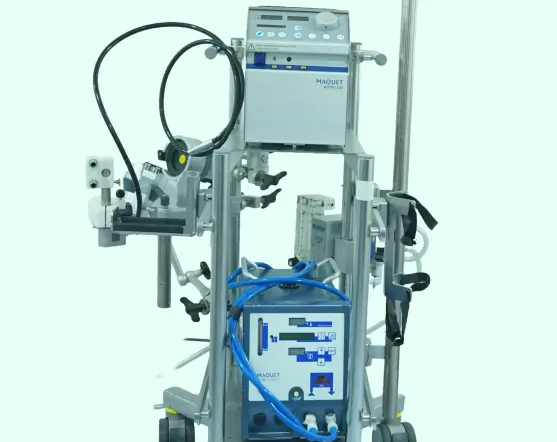
Extracorporeal Membrane Oxygenation (ECMO) provides temporary cardiac and/or respiratory support for patients in reversible but life-threatening failure. When initiated early and under the right indications, ECMO reduces mortality, prevents organ shutdown, and supports time for definitive recovery or advanced therapy.
Referral should not wait for complete organ collapse. Early transfer improves survival. Common triggers include:
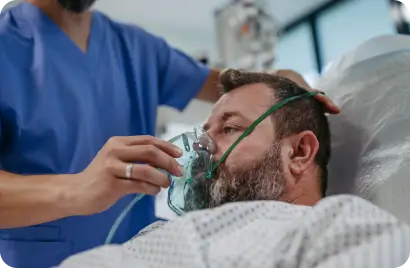
Refractory hypoxemia despite optimal ventilator settings
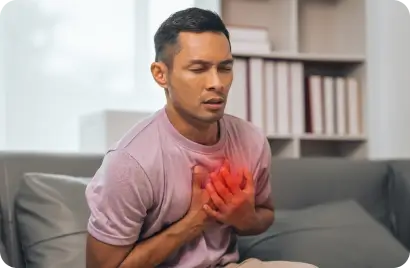
Severe cardiogenic shock unresponsive to inotropes
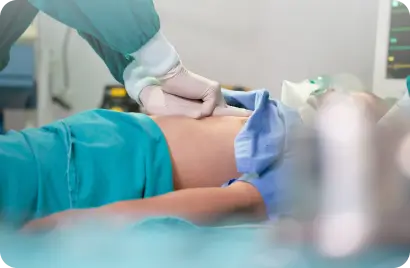
Cardiac arrest with witnessed downtime and reversible pathology (ECPR)
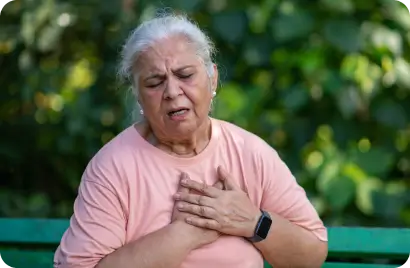
ARDS with PaO₂/FiO₂ ratio < 80 despite maximal support
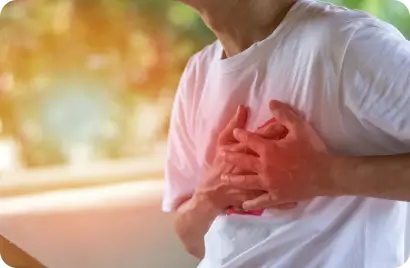
Massive pulmonary embolism or myocarditis with hemodynamic instability
Mobile ECMO / On-Site Cannulation Capability
Our team can activate a Mobile ECMO response when clinically justified. This option allows:
Mobile ECMO decisions are made case-by-case based on patient profile, infrastructure, and transfer feasibility.
Patient Transfer & Retrieval Model
All transfers are fully coordinated by the ECMO command team. Transfer modes:
Partner ambulance services with ventilator, defibrillator, and transport perfusion support are available 24×7.
Shared Clinical Ownership & Referring Doctor Involvement
Referring clinicians remain part of the care continuum. Updates are shared daily, and the case returns to the originating clinician/team once stabilized if preferred. Shared management is encouraged for continuity and ethical clarity.
Repatriation Policy
Patients may be transferred back to the base hospital post-ECMO once clinically stable and no longer requiring advanced critical care. Discharge summaries, progress notes, and ECMO logs are handed over in full transparency.
Affordability Model
CARE Banjara offers ECMO at a significantly lower cost compared to most metro tertiary centres while maintaining international clinical standards. No hidden billing, no procedural layering, all charges disclosed upfront. Packages available for insured, semi-insured, and credit-based cases.
| Myth | Fact |
|---|---|
| ECMO is only for dying patients. | ECMO saves lives when initiated early before multi-organ collapse. |
| ECMO always requires long duration. | Many cases wean within 3–7 days with structured protocols. |
| ECMO is unaffordable for most patients. | CARE Banjara has redesigned cost models to make ECMO accessible. |
| Patients never recover fully post-ECMO. | ECMO-supported patients often achieve complete recovery when the primary condition is reversible. |
The ECMO program follows a strict ethical and governance model:


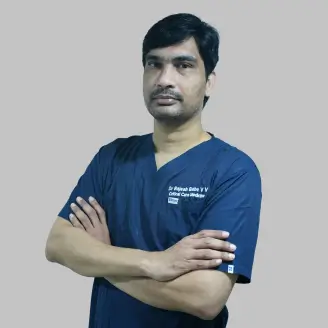
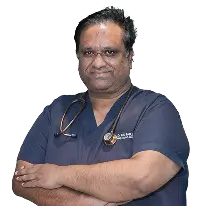
Clinical Director & Head of Department
View Profile Book an Appointment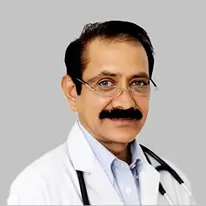
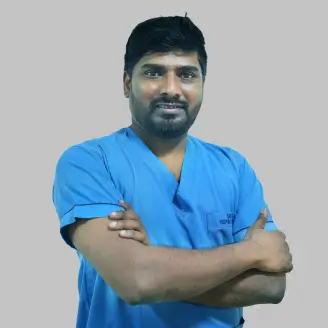
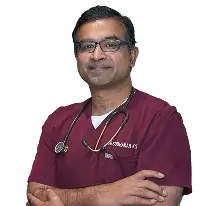
Regional Clinical Director & Sr. Interventional Cardiologist
View Profile Book an Appointment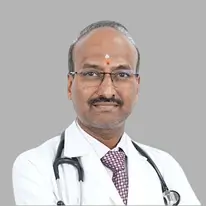
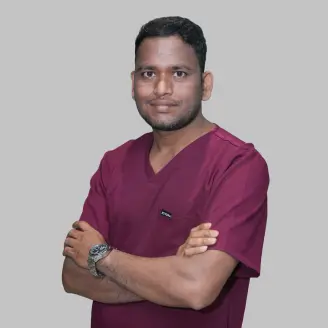
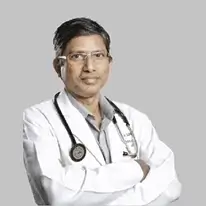
Sr. Consultant Cardiology & Director Interventional...
View Profile Book an Appointment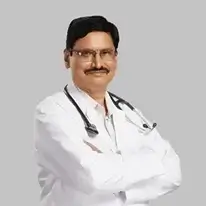
Clinical Director - Cath Lab & Sr. Interventional Cardiologist
View Profile Book an Appointment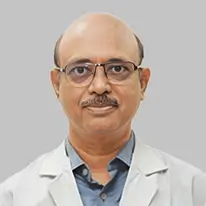
Clinical Director & Sr. Consultant – CTVS, MICS & Heart...
View Profile Book an Appointment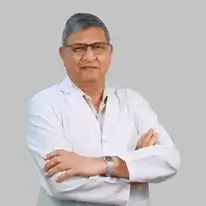
Clinical Director & Sr. Interventional Pulmonologist
View Profile Book an AppointmentYes, if clinically required. Virtual assessment also available.
Triage within 10 mins, deployment within 45–90 mins depending on location.
Yes — 24×7 hotline and transfer system.
Yes, co-managed care is encouraged.
No — earlier initiation → higher survival.