


-
Centre of Excellence
Specialties
Treatments and Procedures
 HyderabadCARE Hospitals, Banjara Hills CARE Outpatient Centre, Banjara Hills CARE Hospitals, HITEC City CARE Hospitals, Nampally Gurunanak CARE Hospitals, Musheerabad CARE Hospitals Outpatient Centre, HITEC City CARE Hospitals, Malakpet
 Raipur
 Bhubaneswar
 Visakhapatnam
 Nagpur
 Indore
 Chh. Sambhajinagar
 Clinics & Medical Centers


-

-

-

-

-

-
Follow Us

Neurosurgery
Neurosurgery
Best Neurosurgery Hospital in Hyderabad
- Leading Neurosurgeons & Neuro-Spine Experts
- Robotic & Image-Guided Neurosurgical Precision
- 24/7 Neuro-Trauma & Emergency Response Unit
- Advanced Brain Tumor & Skull Base Surgery Programs
- Minimally Invasive Spine & Deformity Correction Surgeries
- Neurovascular & Aneurysm Management for Stroke
- Functional Neurosurgery for Epilepsy & Movement Disorders
- Pediatric Neurosurgery & Congenital Correction Surgeries
- Endoscopic & Keyhole Neurosurgery Techniques
- Comprehensive Neuro-Rehabilitation & Recovery Care
CARE Hospitals has the best neurosurgeons for treating brain and spine conditions, including neurosurgery, trauma & emergency, and complex spine disorders. It is also recognized as one of the best neurosurgery hospitals in Hyderabad, attracting patients from across India. The neurosurgeons in the hospital are highly experienced in performing several complex surgeries with good success rates. They serve on several international boards and are also researchers at prominent universities.
The hospital is known for its accurate diagnoses and minimally invasive surgeries. The team, on average, does more than 150 complex procedures per year. The combination of accuracy of procedures, recognition, and success attracts the patients from countries around the world. The Department of Neurosurgery sets the standard for neurosciences, using leading technologies and new models for such innovative treatments like guided imaging through intraoperative MRIs coupled with computer-assisted and robotic surgeries.


Why Choose CARE Hospitals for Neurosurgery Services
One can choose CARE Hospitals for its advanced, multidisciplinary, & technologically equipped neurosurgery department. CARE is recognized among the top neurosurgery hospitals in Hyderabad; it offers expert diagnosis and also surgically manages complex brain, spine, and nervous system issues. The following are some of the key points to consider:
- Expert Neurosurgical Team: Our neurology department has highly skilled neurosurgeons, neuro-oncologists, spine surgeons, and neurocritical care specialists with decades of clinical and surgical expertise.
- Advanced Neuroimaging & Diagnostics: State-of-the-art 3T MRI, CT, PET-CT, and intraoperative neuro-navigations are offered to the patients for precise diagnosis and real-time surgical guidance.
- Microneurosurgery & Minimally Invasive Techniques: We are specialized in keyhole, endoscopic, and microsurgical procedures that minimize trauma, reduce hospital stay, and promote faster recovery.
- Brain Tumor & Skull Base Surgery: We provide comprehensive treatment and care for benign and malignant brain tumors with neuronavigation, intraoperative monitoring, and advanced neuro-oncology support.
- Spinal Surgeries: Our spine surgeons are highly experienced in spine stabilization, disc replacement, minimally invasive spine surgery, and deformity corrections using very advanced and precision-guided technologies.
- Stroke & Neurovascular Interventions: Our specialized team is highly expertized in managing acute stroke conditions, aneurysm clipping and coiling, AVM treatment, and carotid endarterectomy, utilizing state-of-the-art endovascular technologies and minimally invasive techniques.
- Pediatric Neurosurgery: CARE provides comprehensive surgical intervention for newborns and children with congenital brain and spinal deformities such as hydrocephalus, spina bifida, and craniosynostosis.
- Functional & Epilepsy Surgery: We offer the best treatment for epilepsy and movement disorders with deep brain stimulation (DBS) for Parkinson's disease included.
- Trauma and Emergency Neuro Care 24/7: Our neurosurgical team is ready around the clock for brain injury, spinal trauma, and critically ill patients needing special ICU and advanced life-support procedures.
- Multidisciplinary Neuro Care: The patient can rely on a neurologist, rehabilitation therapist, oncologist and radiologist team, all participating in the very best outcomes for the patient.
- Robotic and Image-Guided Surgery: For the complicated brain & spine surgeries, we use robotic arms and computer maps that show the exact location to move forward precisely.
- Individualized Recovery besides Rehabilitation: Post-surgery, each patient follows a plan that includes muscle training, speech training, and checks to keep the nervous system healthy for years.
- Surgical Excellence & Patient Satisfaction: Skilled surgeons, up-to-date equipment, and a caring team give operations that succeed in most cases and also keep patients satisfied.
Comprehensive Services
CARE Hospitals' neurosurgery department provides a complete range of advanced treatments and neurosurgical services. Our sub-specialty expertise is in the following areas:
- General Neurosurgery: Treatment of neurological conditions utilizing advanced surgical techniques.
- Brain Tumor & Skull Base Surgery: Neuromonitoring and microsurgery are performed with neuronavigation to achieve precise resection while preserving neurological function.
- Department of Spine Surgery: Management of complex spinal conditions utilizing minimally invasive, image-guided surgical procedures.
- Endoscopic & Minimally Invasive Surgeries: Neurosurgery may be done endoscopically or using another minimally invasive approach, with the objective of minimizing trauma, promoting a speedier return to a normal life for patients, and supporting the recovery process.
- Functional Neurosurgery: The surgical treatment of disorders such as Parkinson’s disease and epilepsy, and the long-term effects of chronic pain, with the purpose of improving daily living for patients who experience these issues on a regular basis.
- Stereotactic Radiosurgery: A non-surgical method of using high-accuracy radiation to treat benign tumors and arteriovenous malformations (AVM), compatible with an appropriate level of side effects, because the treatment can be monitored carefully over time.
- Vascular Neurosurgery: The evaluation and treatment of neurological disorders related to blood supply to the brain and spine by the use of both microsurgery and endovascular surgical techniques.
- Pediatric Neurosurgery: Pediatric neurosurgeons work with very young children suffering from neurological conditions and have an advanced sub-specialty.
- Neurotrauma and Emergency Surgery: Treatment of traumatic brain and spine injuries, supported by 24/7 access to surgery.
- Peripheral Nerve Surgery: The treatment of nerve injuries and syndromes with a goal of restoring function.
- Neurorehabilitation & Post-Operative Care: Comprehensive, functional rehabilitation programs to minimize deficits and improve the quality of life after neurosurgery.
Cutting-Edge Technology
CARE Hospitals has not looked back in adopting the latest technology. The facility ensures performing the operations through the "less traumatic" way with the help of its systems tech, which ultimately reduces the discomfort of the patient, shortens the recovery time, and improves the overall outcomes. The technologies that we are using are
- Neuro-navigation Systems: The real-time imaging of the brain guides the surgeons with remarkable accuracy while performing the surgeries on the brain and spine.
- Intraoperative MRI (iMRI): The imaging during the procedure is detailed, and the surgeon can make immediate adjustments and ensure complete precision.
- Robotic Surgery: Its use is in complex surgeries like spine surgery to make it more accurate and less damaging to the surrounding tissues.
- Endoscopic and Keyhole Surgery: The treatments were minimally invasive and allowed the surgeons to operate through small incisions, resulting in less pain and shorter hospital stays.
- 3D Spinal Imaging: The most recent 3D imaging devices are applied for accurate surgical planning and intraoperative navigation.
- Intraoperative Neuromonitoring (IONM): It allows the functions of the brain and spinal cord to be monitored in real time, protecting the critical neural pathways during surgery.
- Stereotactic Navigation Systems: Just like a computer, these systems can precisely target deep-sitting brain lesions and tumors.
- Intraoperative Ultrasound: The real-time imaging technology makes the localization of the tumor easier and thus makes the operation much safer.
- High-Definition Operating Microscopes: The surgeons have the ability to carry out very complicated microsurgical interventions with high-definition clarity and accuracy.
- Cranial and Spinal Robotics Integration: The combination of robotic precision and image-guided navigation comes together for better control and safety during the operation of delicate parts.
- Neuro-Endoscopy Systems: The systems clear up the vision of the deep brain and skull base areas, thus making the minimally invasive neurosurgeries more
Conditions Treated
At CARE Hospitals, the Neurosurgery Department treats various complicated conditions of the nervous system and the spine. The medical professionals' skills are combined with the advanced state-of-the-art technologies, so the patients will receive the treatment just for them with utmost precision. All neurosurgical disorders, whether common or rare, are handled by our specialists in a caring manner along with a multidisciplinary approach.
- Brain Tumors: We are giving the most through our specialized care, both in the case of non-cancerous and cancerous brain tumors, and we do this by using advanced microsurgical and minimally invasive techniques, which ensure that the maximum amount of the tumor is removed along with the minimum damaged brain tissue and preserved brain function.
- Spinal Disorders: Our doctors treat cases such as herniated discs, spinal stenosis, spondylolisthesis, and spinal deformities like scoliosis and kyphosis. Among others, the surgical alternatives comprise minimally invasive techniques for spine surgery and spinal fusion, which assist in alleviating pressure, stabilizing the spine, and regaining movement.
- Stroke and Cerebrovascular Disorders: The team at our hospital provides prompt surgical and endovascular treatment for stroke, brain aneurysms, and arteriovenous malformations (AVMs) in order to restore the blood flow and prevent any long-term damage.
- Neurotrauma: Neurosurgeons who work at our hospital have a lot of experience in treating traumatic injuries that include both the brain and the spinal cord. We offer such strong support through 24/7 emergency neurosurgery and advanced neurocritical care.
- Movement Disorders: We provide further care for patients suffering from such conditions as Parkinson’s disease, dystonia and essential tremor by giving them the opportunity to undergo advanced procedures like deep brain stimulation (DBS) that will subsequently lead to a decrease of the symptoms and improvements in their quality of life.
- Epilepsy Surgery: For the patients whose seizures are non-responsive to medical therapy, we suggest the resective surgery in the framework of our epilepsy surgery program.
- Pituitary and Skull Base Disorders: With the help of endoscopic transnasal and microsurgical techniques, our team can treat pituitary tumors, meningiomas, and other skull base lesions with higher accuracy and good outcomes.
- Hydrocephalus and CSF Disorders: The specialists in our hospitals are able to manage hydrocephalus conditions in both adults and children through the application of various methods, including ventriculoperitoneal shunting and endoscopic third ventriculostomy (ETV).
- Chiari Malformation and Craniovertebral Junction Disorders: We undertake Chiari malformation and complex junctional abnormalities surgeries such as decompression and stabilization.
- Peripheral Nerve Disorders: We offer advanced treatments for a wide range of conditions, including carpal tunnel syndrome, ulnar nerve entrapment, and peripheral nerve injuries and are managed with microsurgical repair and decompression.
- Trigeminal Neuralgia and Facial Pain Syndromes: The advanced surgical options provided by us include microvascular decompression and radiosurgery in order to offer a long-lasting solution for the troubles of facial pain and neuralgic disorders.
- Pediatric Neurosurgery: The pediatric neurosurgical team of our hospital concentrates on treating the congenital and developmental cases such as spina bifida, craniosynostosis, hydrocephalus, and pediatric brain tumors in an environment that is safe for the child's growth and development neurologically.
- Neuro-Oncology: In our multidisciplinary neuro-oncology program, surgery, radiotherapy, and chemotherapy are integrated for the treatment of both primary and metastatic brain and spine tumors, thus ensuring comprehensive and coordinated cancer care.
Neurosurgical Procedures at CARE Hospitals
CARE Hospitals comprehensively performs all neurosurgical procedures, right from the simplest to the most complex cases. The following are the advanced surgical techniques employed at CARE Hospitals for neurosurgery:
- Brain and Cranial Procedures
- Brain Tumor Surgery: This procedure removes benign or malignant tumors to reduce pressure and maintain normal brain functioning.
- Awake Brain Surgery: This procedure is performed with the patient awake and participating in the procedure to ensure that the critical parts that control speech or movement are not damaged.
- Endoscopic/Keyhole Brain Surgery: This is the procedure that enables quick recovery and minimal scarring through small cuts.
- Hydrocephalus Treatment (VP Shunt / ETV): This is the procedure that gives the option to drain the brain or shunt the excess fluid to relieve pressure.
- Stereotactic Brain Biopsy: Stereotactic brain biopsy enables collecting precise tissue samples from deep brain areas for the purpose of an accurate diagnosis.
- Craniotomy and Cranioplasty: It involves both accessing the brain through a skull opening and reconstructing skull defects.
- Stereotactic Radiosurgery (Gamma Knife / LINAC): A method of treating tumors or vascular malformations via noninvasive site-specific radiation without performing open surgery.
- Ventriculostomy: Ventriculostomy enables the access to brain cavities to be created and drains the fluid in order to regulate the intracranial pressure.
- Cerebrovascular and Stroke Procedures
- Aneurysm Clipping/Coiling: Aneurysm and coiling repairs the weakened blood vessels in the brain to avert their rupture or internal bleeding.
- Arteriovenous Malformation (AVM) Removal: This is the procedure indicated to repair the tangled blood vessels that may lead to bleeding or seizures.
- Endovascular Stroke Thrombectomy: A procedure that involves the removal of clots in brain arteries to bring back normal blood flow after a stroke has occurred.
- Carotid Endarterectomy: A method that removes plaque from arteries in the neck region to keep strokes away in the future.
- Cerebral Bypass Surgery: A new pathway is constructed for the flow of blood through an already compromised vessel.
- Spinal Surgeries
- Microdiscectomy: This procedure is carried out for removing a part of a herniated disc that is pressing on spinal nerves and thereby reducing pain.
- Endoscopic Spine Surgery: Endoscopic surgery is the solution for the spinal disc or nerve compression issues by using the keyhole incisions.
- Spinal Fusion: Fusion is the procedure for joining two or more vertebrae in order to stabilize the spine and diminish pain caused by instability.
- Spinal Decompression (Laminectomy/Foraminotomy): Done to relieve nerve pressure because of spinal stenosis or bone overgrowth.
- Spinal Tumor Removal: Tumors are excised from or near the spinal cord to avoid nerve damage.
- Scoliosis/Kyphosis Correction: Indicated for straightening the abnormal spinal curves for improved posture and movement.
- Vertebroplasty/Kyphoplasty: This procedure uses bone cement to strengthen fractured vertebrae, thereby relieving pain.
- Robotic Spine Surgery: The precision of spinal fixation and alignment is achieved through robotic assistance.
- Functional and Movement Disorder Surgeries
- Deep Brain Stimulation (DBS): In this procedure, electrodes are implanted in the brain to control tremors and stiffness and is mainly recommended for Parkinson’s and other movement disorders.
- Epilepsy Surgery: Brain regions responsible for uncontrolled seizures are removed or isolated.
- Vagus Nerve Stimulation (VNS): A small device is placed to stimulate the vagus nerve and cut down seizure frequency.
- Lesioning Procedures (Thalamotomy / Pallidotomy): In this procedure, the very small brain areas are targeted to lessen tremors or rigidity.
- Intrathecal Baclofen Pump Implantation: This is the procedure where the muscle relaxant medicine is delivered directly to the spinal cord for severe spasticity reduction.
- Pain and Functional Neurosurgery
- Trigeminal Neuralgia Surgery: A treatment that has a hundred percent success rate in relieving the worst facial pain by tumor resection or radiofrequency rhizotomy.
- Spinal Cord Stimulation (SCS): A device is implanted over the spinal cord to mask the pain and relieve chronic pain occurring in the back or limbs.
- Dorsal Root Entry Zone (DREZ) Lesioning: This procedure professionally targets particular parts of the spinal cord to eliminate pain from nerve injuries or abnormal muscle contractions.
- Peripheral Nerve Stimulation: This technique employs safe current pulses to alleviate chronic pain by directing them to the peripheral nerves that are affected.
- Rhizotomy Procedures: A procedure that disables the pain-conducting nerve roots inside the spinal column in order to manage chronic muscle spasms and nerve pain.
- Cingulotomy / Cordotomy: These are the expert methods to give comfort by taking away the pain stemming from terminal cancer or nerve damage.
- Peripheral Nerve Surgeries
- Carpal Tunnel Release: The surgery that puts an end to the median nerve's compression while the sensation of the hand is restored.
- Cubital Tunnel Release: A procedure that detaches the ulnar nerve at the elbow, hence, lessening the numbness and weakness.
- Brachial Plexus Reconstruction: This operation repairs or does nerve grafting on the shoulder and arm nerves that have experienced damage due to accidents.
- Peripheral Nerve Repair/Grafting: It connects injured nerves or substitutes them with new ones to enable regaining of movement and feeling.
- Peripheral Nerve Tumor Removal: It is a surgical procedure that takes out the tumors located away from the nerve center but without hurting the adjoining nerves.
- Microvascular Decompression: Surgical intervention that removes the blood vessels compressing the nerves and causing constant pain or spasms.
- Pediatric Neurosurgery
- Hydrocephalus Surgery (Shunt/ETV): A surgical intervention that treats the accumulation of liquid in the brain in infants and children by relieving pressure.
- Spina Bifida Repair: A procedure that corrects spinal defects present at birth, thereby preventing the occurrence of infections and the loss of nerve control.
- Craniosynostosis Surgery: A surgical intervention to reshape the skull to create enough space for normal brain growth.
- Pediatric Brain Tumor Surgery: A technique that uses gentle and child-specific surgical approaches for tumor removal.
- Chiari Malformation Surgery: A surgical treatment that involves rectifying the alterations in the anatomy at the skull base, thus enabling free movement of the cerebrospinal fluid and relieving pressure.
- Tethered Cord Release: A surgical procedure that leads to the liberation of the spinal cord from the abnormal confines that are a source of nerve damage, thus preventing it.
- Skull Base and Complex Neurosurgeries
- Endoscopic Skull Base Surgery: Removal of tumors at the base of the skull through the nose or small openings and without visible scars left behind.
- Pituitary Tumor Surgery: The process of taking out an adenoma in the pituitary gland that results in the restoration of the hormonal balance.
- Acoustic Neuroma Surgery: The tumor, which is responsible for the loss of hearing and the balance-related nerve’s function, is excised while the function is preserved.
- Craniovertebral Junction Stabilization: An intervention that neutralizes the abnormal movement between the skull and upper spine.
- Cavernous Sinus and Petroclival Tumor Surgery: A surgical option implemented to remove the deep tumors at the skull base near critical and delicate brain structures with utmost safety.
- Trauma and Emergency Neurosurgery
- Decompressive Craniectomy: The removal of a section of the skull is done to allow the brain to expand and thus relieve the pressure caused by trauma or a stroke.
- Hematoma Evacuation: A surgical procedure that involves the removal of blood clots that have formed due to an injury to the head or bleeding occurring inside the brain.
- Spinal Fracture Fixation: A procedure that involves the stabilization of the broken spinal bones in order to prevent damage to the nerves.
- CSF Leak Repair: A surgical procedure that involves the sealing of the cerebrospinal fluid leaks that are located around the brain or spine.
- Skull and Facial Fracture Repair: A surgical procedure that involves the reconstruction of the broken bones for protection as well as for cosmetic recovery.
Achievements
The Neurosurgery department at CARE Hospitals is known for doing great work since they do a lot of successful procedures and provide great care for their patients. Some of its most important accomplishments are
- In 2024, CARE Hospitals made a milestone by being the first hospital in India to use artificial intelligence (AI) for neurosurgery. This has definitely made CARE Hospitals one of the best places for neurosurgery.
- In that same year, CARE Hospitals Malakpet successfully performed its first awake left amygdalo hippocampectomy on a 40-year-old patient. The patient is getting well and is no longer in danger.
- CARE Hospitals has a great track record of successfully removing brain tumors, even in difficult instances, thanks to cutting-edge surgical procedures and technology. You may think of CARE as the greatest place to have neurosurgery.
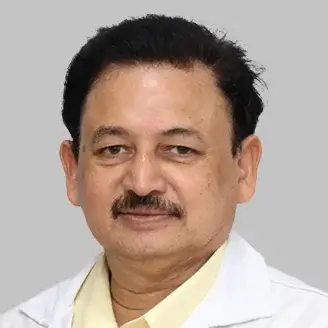
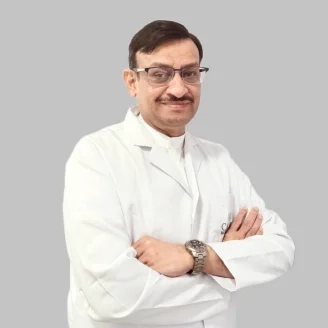
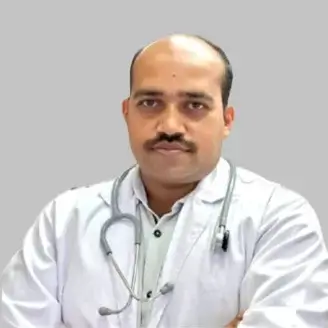
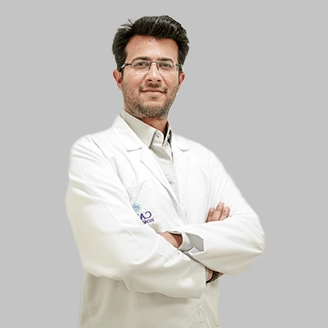
Our Expert Team of Neurosurgeons, Spine Surgeons & Brain Tumor Specialists
At CARE Hospitals, our specialists in neurosurgery, spine surgery, and neurology collaborate their decades of clinical experience and expertise in advanced surgical techniques to provide surgical and non-surgical treatment for complex disorders of the brain, spine, and nerves. From minimally invasive surgeries for the brain and spine-related issues to robotic and neurosurgical navigation procedures, our specialists are committed to delivering care that is accurate, safe, and promotes efficient recovery. Patients are cared for under one roof with cutting-edge technology and with multidisciplinary collaboration to improve outcomes.
CARE Hospitals continues to be recognized year after year for the highest success rates, facilities, and best neurosurgeons in Hyderabad, always with the goal of restoring quality of life for our patients. Whether it is a brain tumor, spine deformity, stroke, epilepsy, or any other nerve issues, our neurosurgery team promotes medical excellence, paired with compassionate care. We give personalized treatment plans which are prioritised based on our patient needs and access to the latest in innovation at CARE Hospitals.
Treatments and Procedures


Our Doctors
-
Dr. S N Madhariya
MBBS, MS, MCh
Neurosurgery
View More
-
Dr. Sachin Adhikari
MBBS, MS, M.ch (PGI Chandigarh)
Neurosurgery
View More
-

Dr. Sanjeev Kumar Gupta
MBBS, MS, MCh
Neurosurgery
View More
-

Dr. Sanjeev Gupta
MBBS, MS, MCh
Neurosurgery
View More
-
Dr. Venkatesh Yeddula
MBBS, MS (General Surgery), M.Ch (Neurosurgery)
Neurosurgery, Epilepsy
View More
-
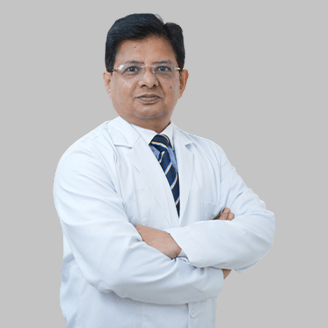
Dr. Randhir Kumar
MBBS, MS, MCh
Neurosurgery, Epilepsy
View More
-
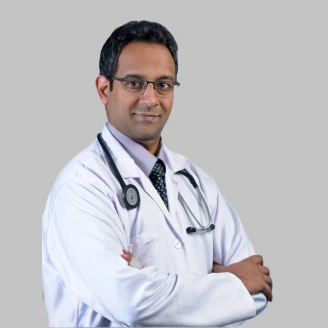
Dr. Akshay Singh
MBBS, MS (General Surgery), MCH (Neurosurgery)
Neurosurgery
View More
-

Dr. Anindya Roy
MBBS, MS (General Surgery), DNB (Neurosurgery)
Neurosurgery
View More
-
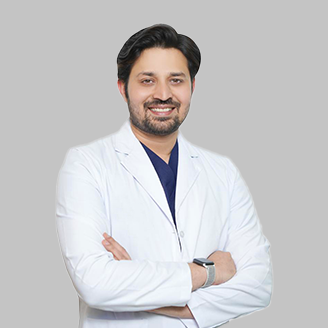
Dr. Ankur Sanghvi
MBBS, MS, Mch (Neuro)
Neurosurgery
View More
-
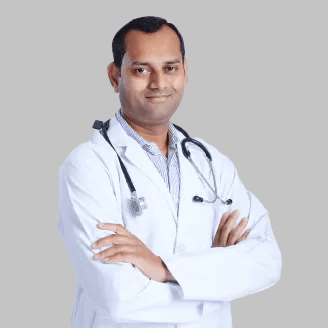
Dr. Arjun Reddy K
MBBS, MS, MCh
Epilepsy, Neurosurgery
View More
-
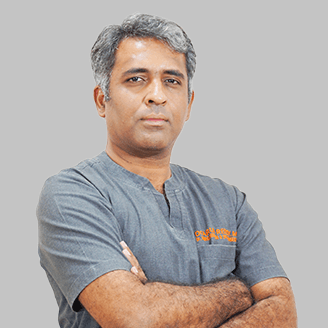
Dr. Arun Reddy M
MBBS, DNB – Neurosurgery, FCVS (Japan), Fellow Endoscopic Spine
Neurosurgery, Epilepsy
View More
-
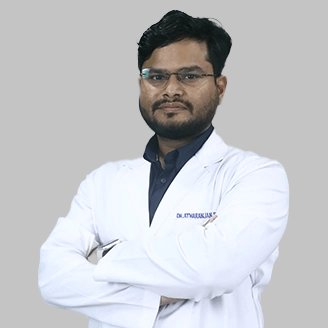
Dr. Atmaranjan Dash
MBBS, MS, MCh (Neurosurgery - AIIMS Delhi), Fellowship in Minimally Invasive Spine Surgery, Fellowship in Endoscopic Spine Surgery
Spine Surgery, Neurosurgery
View More
-
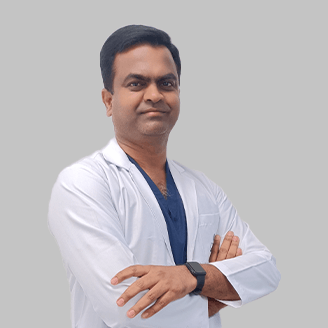
Dr. Bhavani Prasad Ganji
MBBS, DNB (Neurosurgery), Ex-Assistant Professor (NIMS)
Neurosurgery, Epilepsy
View More
-
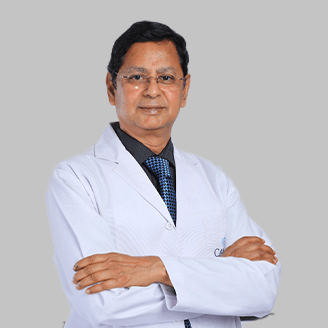
Dr. Bhuvaneswara Raju Basina
MBBS, MS (Orthopaedic Surgery), M.Ch (Neuro Surgery), Fellowship in Spine Surgery (USA), Fellowship in Functional & Restorative Neurosurgery (USA), Fellow in Radiosurgery (USA)
Spine Surgery, Neurosurgery, Epilepsy
View More
-
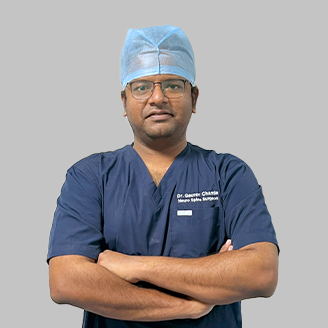
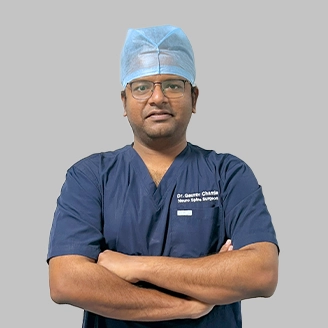
Dr. Gaurav Sudhakar Chamle
MBBS, MS General Surgery, DNB Neurosurgery, Fellow in Endoscopic and Minimally Invasive Spine Surgery
Neurosurgery
View More
-
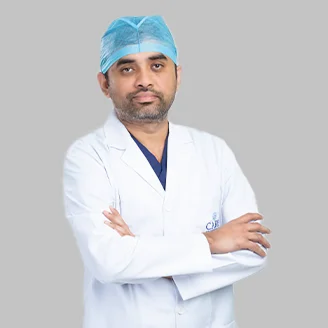
Dr. J V N K Aravind
MBBS, MS, MCH
Epilepsy, Neurosurgery
View More
-
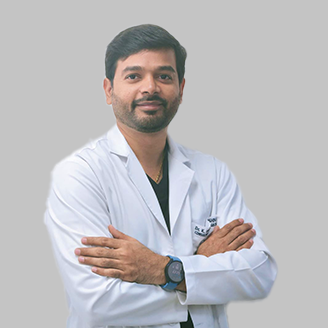
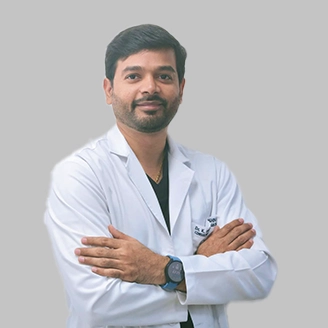
Dr. K. Vamshi Krishna
MBBS, MS (General Surgery), MCh (Neurosurgery)
Neurosurgery, Epilepsy
View More
-
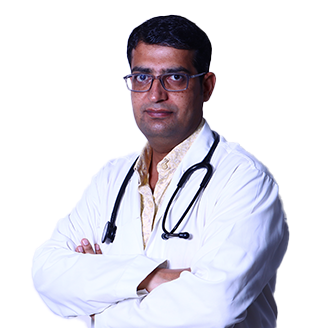
Dr. Kapil Muley
MBBS, MS, MCH (Neurosurgery)
Spine Surgery, Neurosurgery
View More
-
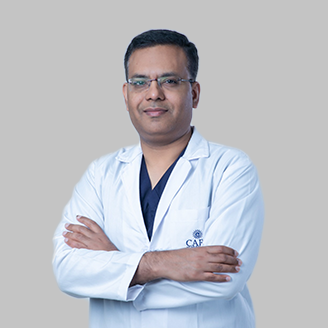
Dr. Laxminadh Sivaraju
MBBS, MCh (Neuro surgery)
Neurosurgery, Epilepsy
View More
-
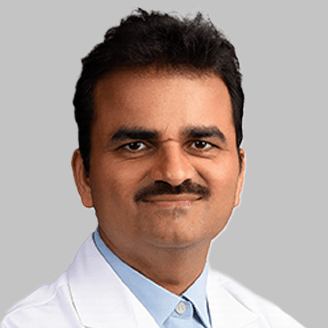
Dr. Mamindla Ravi Kumar
MBBS, MS, MCh (NIMS), Fellow in Endospine (France) & UBE Spine Surgery (South Korea) & Minimally Invasive Spine Surgery Fellow in Skull Base Surgery (MS Ramaiag and WSBF)
Neurosurgery, Epilepsy
View More
-
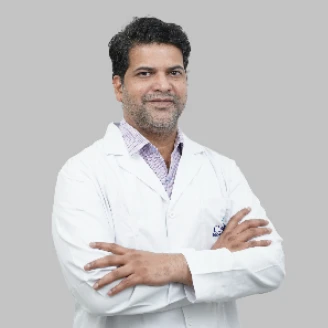
Dr. Mohammed Imran
MBBS, MS, Mch, iFAANS, Fellowship in UBE Spine Surgery (Korea)
Neurosurgery
View More
-
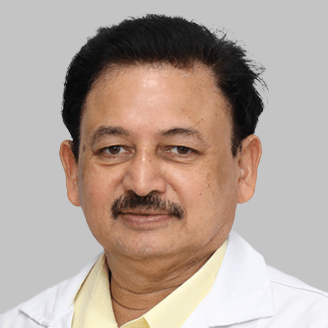
Dr. N.V.S Mohan
MBBS, MCh (Neuro Surgery), DNB
Neurosurgery
View More
-
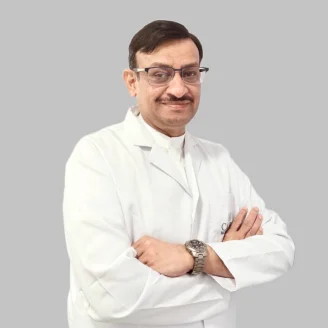
Dr. Sameer Paltewar
M.B.B.S, M.S. (General Surgery), M.Ch (Neurosurgery), Fellowship from the Congress of Neurological Surgeons (CNS), USA.
Neurosurgery
View More
-
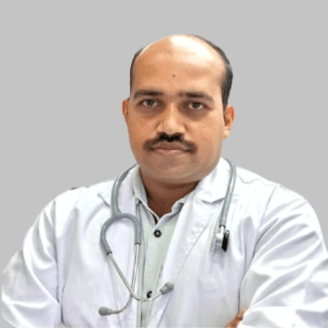
Dr. Sandeep Talari
MBBS, MS (General Surgery), MCh (Neurosurgery)
Neurosurgery
View More
-
Dr. Sanjeev Kumar
MBBS, MS, MCh
Neurosurgery
View More
-
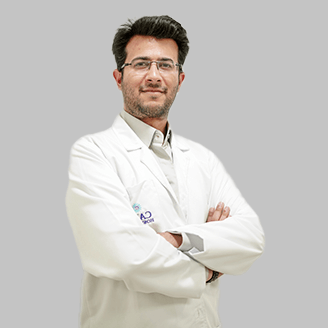
Dr. Siddharth Sharma
MBBS, MS (General Surgery), MCh (Neurosurgery)
Neurosurgery
View More
-
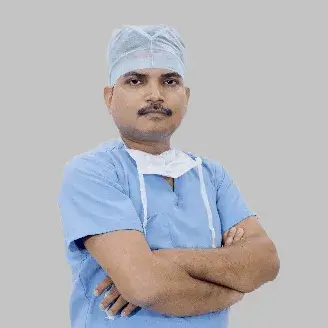
Dr. Susant Kumar Das
MBBS, MS, MCh (Neurosurgery)
Neurosurgery
View More
-
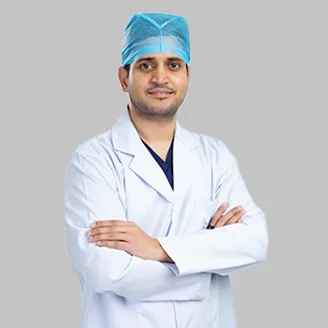
Dr. Teja Vadlamani
MBBS, DrNB (Neurosurgery)
Neurosurgery, Epilepsy
View More
-
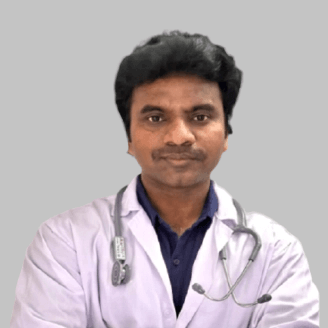
Dr. Vijay Kumar Terapalli
MBBS, MS (General Surgery), MCh (Neurosurgery)
Neurosurgery
View More







Our Locations
CARE Hospitals, a part of the Evercare Group, brings international quality healthcare to serve patients across the world. With 16 healthcare facilities serving 7 cities across 6 states in India, we are counted among the top 5 pan-Indian hospital chains.
-
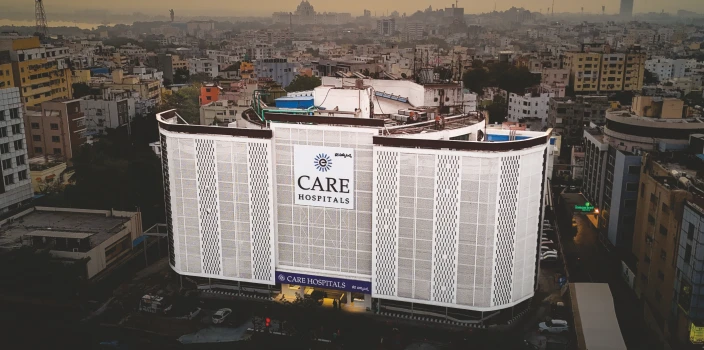
CARE Hospitals, Banjara Hills, Hyderabad
-
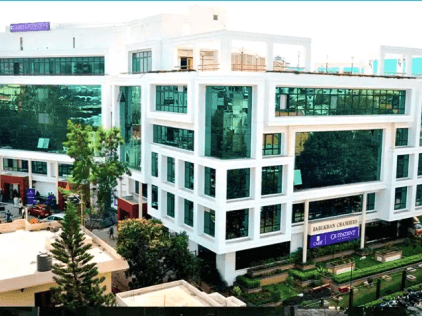
CARE Hospitals Outpatient Centre, Banjara Hills, Hyderabad
-
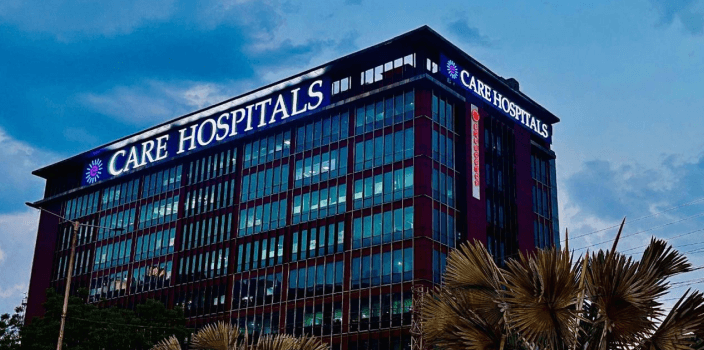
CARE Hospitals, HITEC City, Hyderabad
-
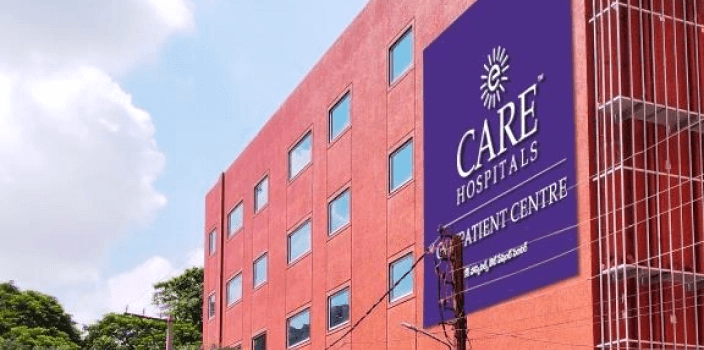
CARE Hospitals Outpatient Centre, HITEC City, Hyderabad
-
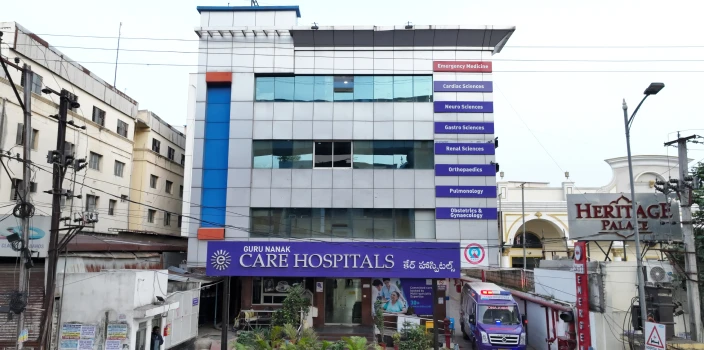
Gurunanak CARE Hospitals, Musheerabad, Hyderabad
-
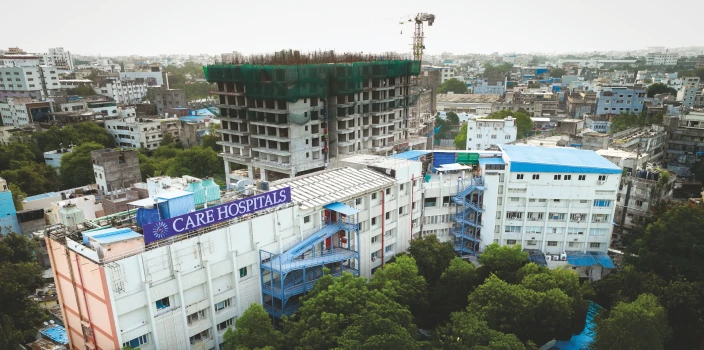
CARE Hospitals, Nampally, Hyderabad
-
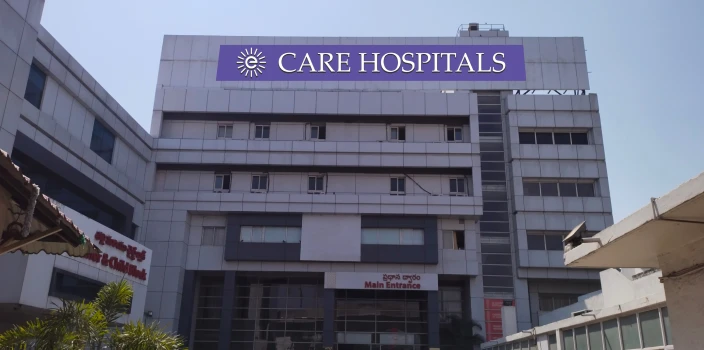
CARE Hospitals, Malakpet, Hyderabad
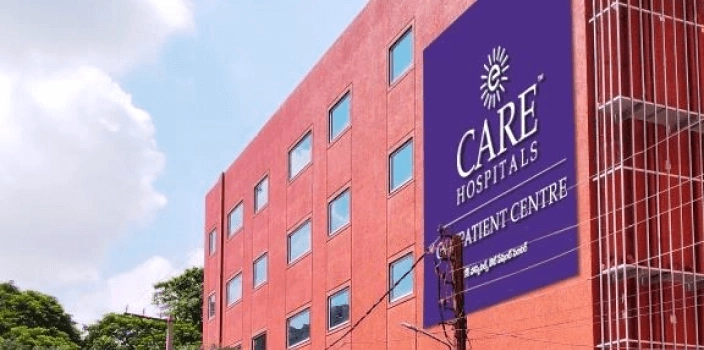
-
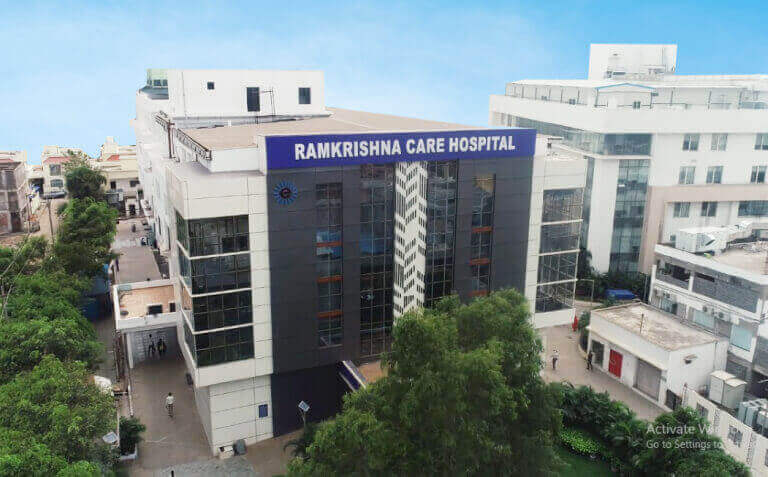
Ramkrishna CARE Hospitals, Raipur
-
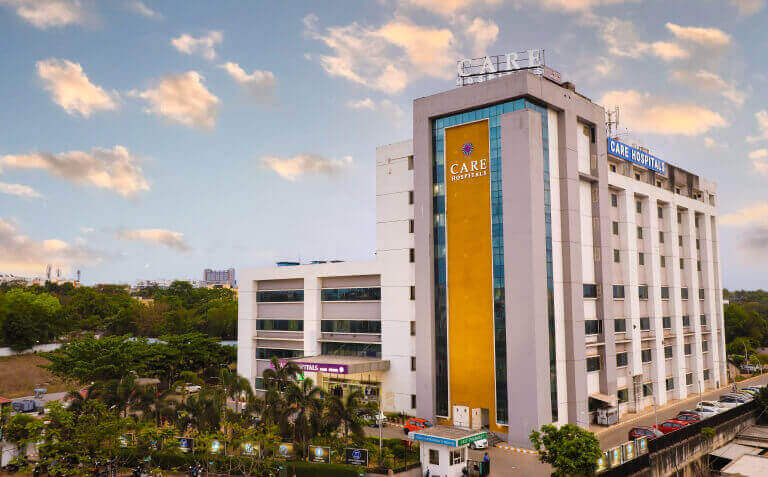
CARE Hospitals, Bhubaneswar
-
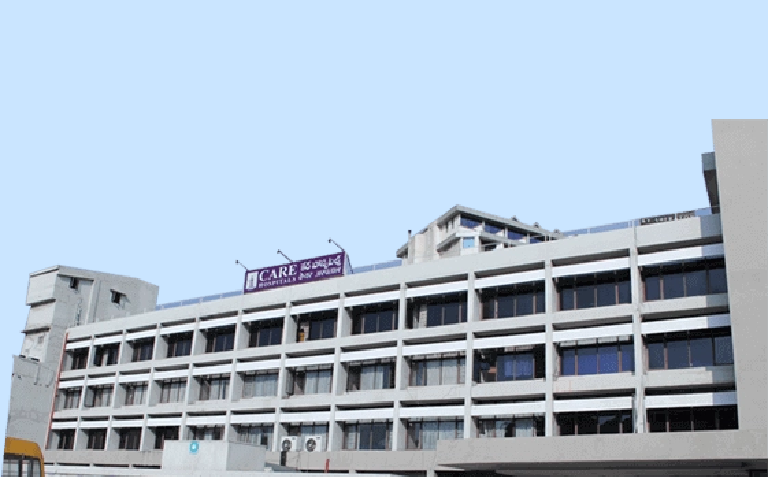
CARE Hospitals, Ramnagar, Visakhapatnam
-
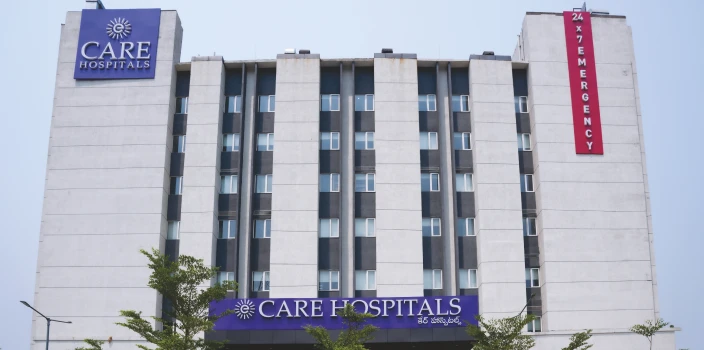
CARE Hospitals, Health City, Arilova
-
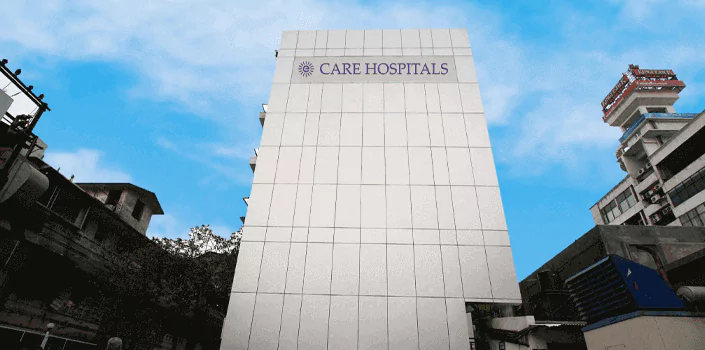
Ganga CARE Hospital Limited, Nagpur
-
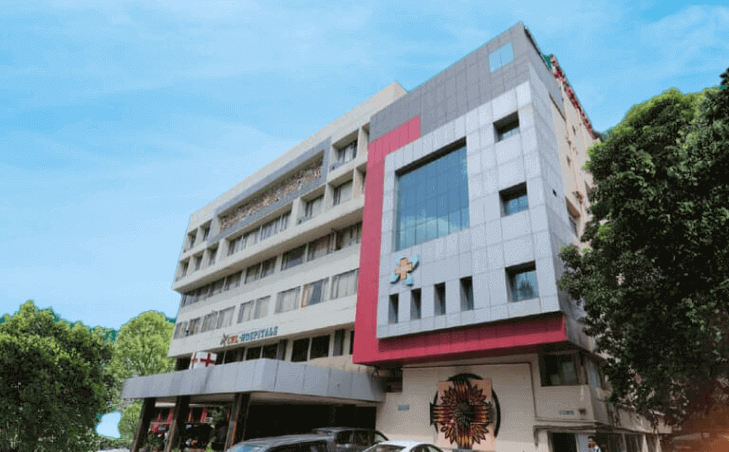
CARE CHL Hospitals, Indore
-
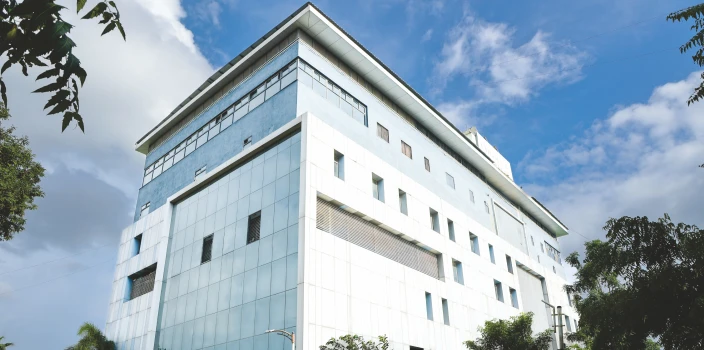
United CIIGMA Hospitals (A unit of CARE Hospitals), Chh. Sambhajinagar
-
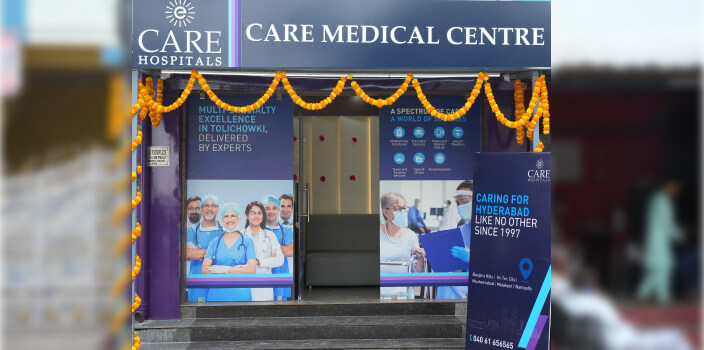
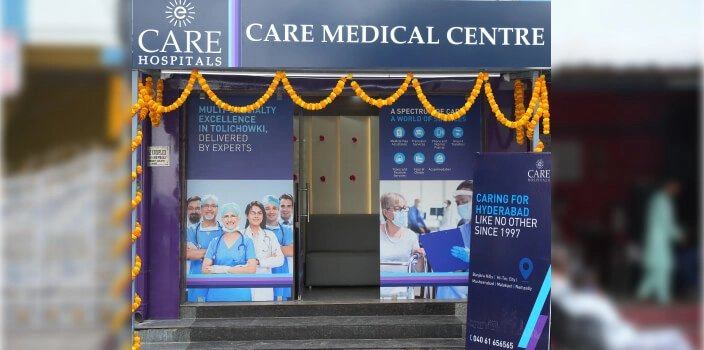
CARE Medical Center, Tolichowki, Hyderabad
Doctor Blogs
-
Traumatic Brain Injury: Types, Symptoms, Causes and Treatment
Imagine the simplest tasks, like tying your shoes or remembering a friend's name, which have become huge c...
11 February
 Read More
-
Minimally Invasive Spine Surgery: Types, Procedure and Risk Factors
In the ever-evolving field of medical and surgical innovation, a remarkable transformation is taking place in ...
11 February
Read More
-
Sciatica Surgery: Types, Procedure, Risks and More
Sciatica nerve surgery is a special operation to help stop the awful pain caused by a squeezed sciatic nerve. ...
11 February
Read More
-
Brain Tumor Surgery: Types, Procedure and Other Treatment Options
Brain tumours, whether benign or malignant, pose a significant threat to an individual's health and well-b...
11 February
Read More
-
8 Facts About Brain Cancer
A brain tumour is a condition that can affect people regardless of gender, age, colour, size, or geograph...
11 February
Read More
-
DBS: A Life-Changing Procedure
There are many neurological disorders such as epilepsy and seizures, strokes, Alzheimer’s disease, demen...
11 February
Read More
-
Peripheral Neuropathy Or Nerve Weakness: Causes, Symptoms and Prevention
Peripheral neuropathy, or nerve damage, is a problem that occurs in the nervous system and causes numbing, tin...
11 February
Read More
-
5 Facts About Parkinson's Disease
Parkinson’s is a progressive disorder concerning the nervous system. The disease is characterized by dif...
11 February
Read More
-
Stroke Treatment In India: All You Need To Know
A stroke is a medical emergency that presents itself suddenly and requires immediate medical attention. In Ind...
11 February
Read More
-
Silent Stroke: Warning Signs and Treatment
When we consider strokes in medical parlance, we often relate certain warning signs or symptoms like slurred s...
11 February
Read More
-
4 Myths about Epilepsy Busted
Epilepsy is a neurological disorder that affects the functioning of our brain. Day-to-day activities get disru...
11 February
Read More
-
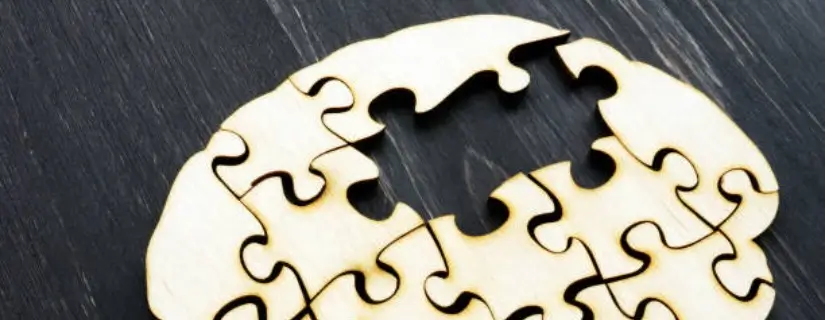
9 Early Signs of Alzheimer’s Disease
Alzheimer’s disease is one of the most common causes of dementia, wherein there is a continuous decline ...
11 February
Read More
-
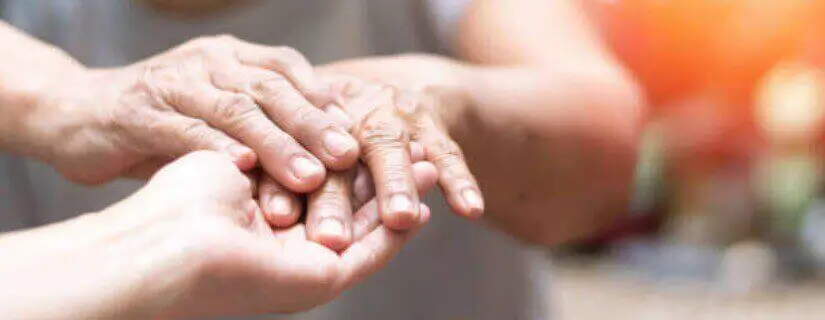
Parkinson’s Disease: Early signs to look for
Parkinson's disease (PD) is a neurodegenerative disorder. This means that it is a disease that affects the...
11 February
Read More
-

Understanding Brain Tumour - Symptoms and Treatments
Also known as an intracranial tumour, a brain tumour is an outcome of the uncontrollable growth of the cells r...
11 February
Read More
Doctor Videos
-
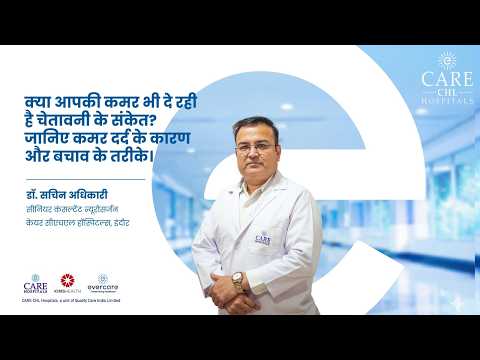

क्या आपकी कमर भी दे रही है चेतावनी के संकेत? | Dr. Sachin Adhikeri | CARE CHL Hospitals
-

Understanding Stroke & Brain Haemorrhage | Dr. Atmaranjan Dash | CARE Hospitals, Bhubaneswar
-

Myths About Spine Surgery | Dr. Atmaranjan Dash | CARE Hospitals, Bhubaneswar
-
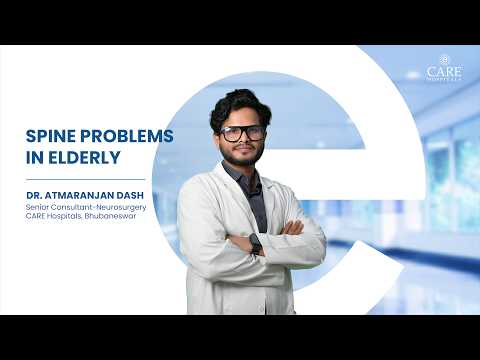
Spine Problems in Elderly | Dr. Atmaranjan Dash | CARE Hospitals, Bhubaneswar
-
Spina Bifida in an 8-Month-Old Baby | Lumbar Myelomeningocele | Dr Arun Reddy | CARE Hospitals.
-
Do all patients with disc-related issues require surgery? | Dr. Arun Reddy M | CARE Hospitals.
-
Back Pain during pregnancy | Dr. K. Vamshi Krishna | CARE Hospitals, HITEC City, Hyderabad.
-
What is Endoscopic Spine Surgery? | Dr. Teja Vadlamani | Sr.Consultant Neuro Surgeon | CARE Nampally
-

CARE Diaries | CARE Hospitals, HITEC City, Hyderabad.
-
जानें — कब दिखाएं न्यूरोसर्जन को?
-
स्वास्थ्य ही है सबसे बड़ा उपहार—नववर्ष 2026 की शुभकामनाएं।
-
एंडोस्कोपिक सर्जरी: कम दर्द, तेज़ राहत।
-
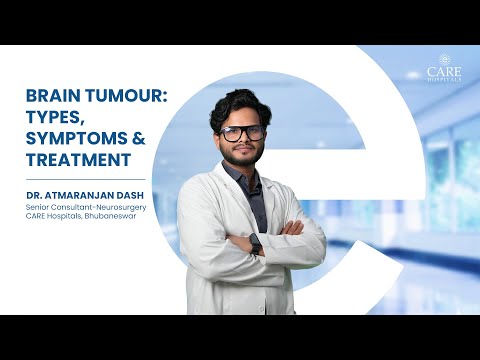
Brain Tumour: Types, Symptoms & Treatment | Dr. Atmaranjan Dash | CARE Hospitals, Bhubaneswar
-
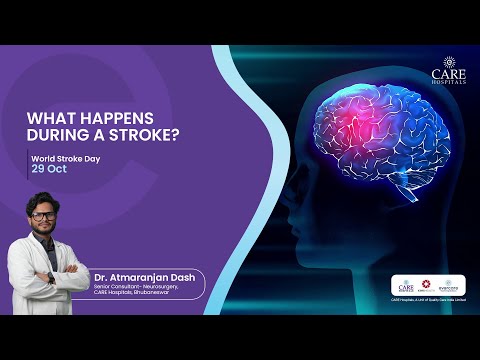
What Happens During a Stroke? | Dr. Atmaranjan Dash | CARE Hospitals, Bhubaneswar
-
Brain Tumor Treatment | Dr. Atmaranjan Dash | CARE Hospitals, Bhubaneswar
-
Bi-Portal Endoscopic Spine Surgery | Dr. Atmaranjan Dash | CARE Hospitals, Bhubaneswar
-
Spine Surgery Everything You Need to Know | Dr. Arun Reddy M | CARE Hospitals, HITEC, Hyderabad
-
Is All Back Pain Directly Related to Your Spine? |Dr. Arun Reddy M | CARE Hospitals, HITEC City.
-
A Pacemaker for the Brain? | Dr. Bhuvaneswara Raju Basina | CARE Hospitals, Banjara Hills
-
Not all headaches are simple | Dr. Bhuvaneswara Raju Basina | CARE Hospitals, Banjara Hills
-
Does your mobile phone cause a Brain Tumor? Dr. Arun Reddy M | CARE Hospitals, HITEC City.
-
Want a sharper, healthier brain? | Dr. Arun Reddy M | CARE Hospitals, HITEC City, Hyderabad.
-
Are you ignoring persistent headaches or unusual symptoms? | Dr. Arun Reddy | CARE Hospitals
-
తలనొప్పి ఎప్పుడు తీవ్రమైనదిగా పరిగణించబడుతుంది? Dr. Bhavani Prasad Ganji |CARE Hospitals, HITEC City
-

తలనొప్పికి చికిత్స ఎంపికలు ఏమిటి? Dr. Bhavani Prasad Ganji | CARE Hospitals, HITEC City
-
తలనొప్పిని ఎలా నిర్ధారిస్తారు? | Dr. Bhavani Prasad Ganji | CARE Hospitals, HITEC City
-
తలనొప్పికి కారణమయ్యే అంశాలు ఏమిటి? Dr. Bhavani Prasad Ganji | CARE Hospitals, HITEC City
-

ఫిట్లకు బ్రెయిన్ ట్యూమర్ కు సంబంధం ఉందా? | Dr. Vamshi Krishna | CARE Hospitals HITEC City
-
What are the Treatments for Brain Tumor? | Dr. Laxminadh Sivaraju | CARE Hospitals, HITEC City
-
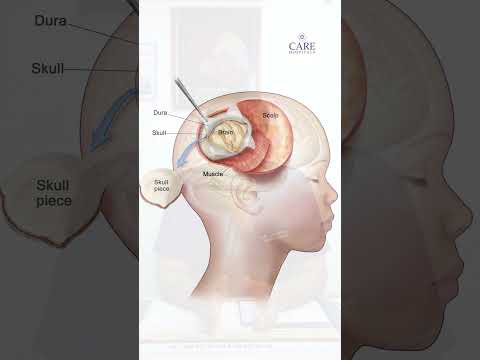
What are the Causes of Brain Tumor | Dr. Laxminadh Sivaraju | CARE Hospitals, HITEC City
-
What is Brain Tumor? | Dr. Laxminadh Sivaraju | CARE Hospitals, HITEC City
-
Advanced Technologies and Brain Tumor Surgeries| Dr. Vamshi Krishna | CARE Hospitals HITEC City
-
బ్రెయిన్ ట్యూమర్ వల్ల పక్షవాతం వస్తుందా? | Dr. Vamshi Krishna | CARE Hospitals HITEC City
-

బ్రెయిన్ ట్యూమర్ లక్షణాలు ఎలా గుర్తించాలి?| Dr. Vamshi Krishna | CARE Hospitals HITEC City
-
బ్రెయిన్ ట్యూమర్ వల్ల పక్షవాతం వస్తుందా?| Dr. Vamshi Krishna | CARE Hospitals HITEC City
-

బ్రెయిన్ ట్యూమర్ అంటే ఏమిటి? | Dr. Vamshi Krishna | CARE Hospitals HITEC City
-
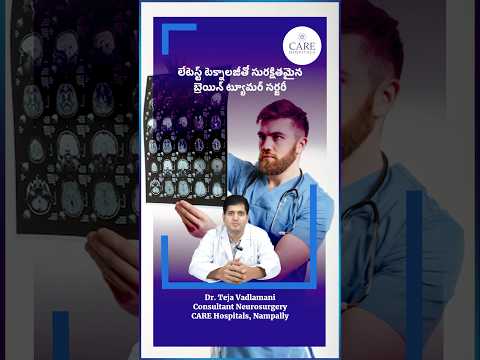
లేటెస్ట్ టెక్నాలజీతో సురక్షితమైన బ్రెయిన్ ట్యూమర్ సర్జరీ|Dr. Teja Vadlamani|CARE Hospitals, Nampally
-
బ్రెయిన్ సర్జరీ - ఇది ఎంతవరకు సురక్షితం? | Dr. Teja Vadlamani | CARE Hospitals, Nampally
-
మెడ మరియు వెన్నునొప్పికి ఎండోస్కోపిక్ స్పైన్ సర్జరీ - వేగంగా కోలుకునే అత్యాధునిక చికిత్స | Dr. Teja
-
డిస్క్ సమస్య – సరైన చికిత్స ఎలా ఎంచుకోవాలి? | Dr. Teja Vadlamani | CARE Hospitals, Nampally
-
న్యూరోసర్జన్ ఎలాంటి వ్యాధులను చికిత్స చేస్తారు?|Dr. Teja Vadlamani|CARE Hospitals, Nampally
-

Scans for Headache | Dr. Arun Reddy M | CARE Hospitals, HITEC City
-
Back pain and its Treatment | Dr. Arun Reddy M | CARE Hospitals, HITEC City
-
Headache In Young People & it's Treatment | Dr. Arun Reddy M | CARE Hospitals, HITEC City
-
Trigeminal Neuralgia | Dr. Laxminadh Sivaraju | CARE Hospitals, HITEC City
-
What is Spine Endoscopy? | Dr. Atmaranjan Dash | CARE Hospitals, Bhubaneswar.
-

What is Hydrocephalus? | Dr. Bhavani Prasad Ganji | CARE Hospitals, HITEC City
-
Brain Hemorrhage | Causes | Symptoms | Treatment | Dr. Atmaranjan Dash
-

Neuro Navigation Guided Brain Surgery | Dr. Atmaranjan Dash | CARE Hospitals, Bhubaneswar
-
Sciatica and Spinal Problem in Elderly People | Dr. Atmaranjan Dash | CARE Hospitals, Bhubaneswar
-
Endospopic Spine Surgery & Laser Spine Surgery | Dr. Atmaranjan Dash | CARE Hospitals, Bhubaneswar
-
Brain Tumor and it's Management | Dr. Arun Reddy M | CARE Hospitals, Nampally
-
Neck Pain | Causes & Preventions | Dr. Arun Reddy M | CARE Hospitals, Nampally
-
Low Back Pain | Causes & Preventions | Dr. Arun Reddy M | CARE Hospitals, Nampally
-
Brain Tumors | Causes, Symptoms & Treatment Options | Dr Vamshi Krishna | CARE Hospitals, Nampally
-
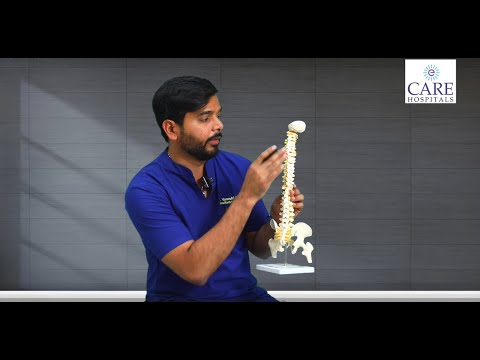
Backpain | Causes | Dr Vamshi Krishna | CARE Hospitals
-
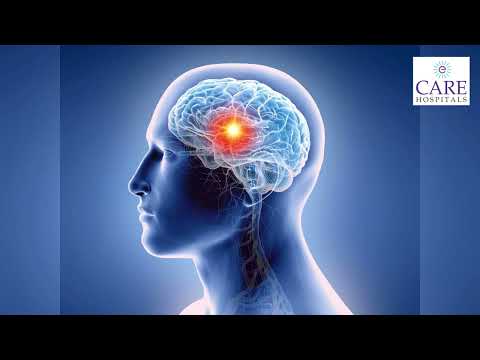
Brain Tumour Day 2023 | Dr Susant Kumar Das | CARE Hospitals, Bhubaneshwar
-
అధిక రక్తపోటును నియంత్రించడం ఎలా? | Dr Chanakya Kishore
-
ମସ୍ତିଷ୍କ ଟ୍ୟୁମରର ପ୍ରକାର ଏବଂ ଉନ୍ନତ ଚିକିତ୍ସା ବିକଳ୍ପ | ଡ ସୁଶାନ୍ତ କୁମାର ଦାସ | କେୟାର ହସ୍ପିଟାଲ୍, ଭୁବନେଶ୍ୱର
-
Are headaches a sign of a brain tumor? Dr. K. Vamshi. Krishna | CARE Hospitals
-
Brain Tumors in Children: Symptoms, Diagnosis, and Treatment | Dr Sushant Kumar Das | CARE Hospitals
-
Brain Cancer & Brain Tumor: Symptoms, Causes & Treatments | Dr. Susant Kumar Das | CARE Hospitals
-
Brain Tumor Treatment | Dr. Sushant Kumar Das | CARE Hospitals
-
Brain Tumors - Symptoms, Diagnosis and Treatments | Dr. Susant Kumar Das | CARE Hospitals
-
Minimally Invasive Spine Surgery | Dr. Susant Kumar Das | CARE Hospitals
-
Symptoms of Brain Tumor In Children | Dr. Sushant Kumar Das


Patient Experiences
-

Parkinson's Disease Treatment | Deep Brain Stimulation Surgery | Patient experience | CARE Hospitals
-
DBS ట్రీట్మెంట్ తో పార్కిన్సన్స్ నుండి పూర్తి రికవరీ | Patient Experience | Dr Syed Ameer Basha
-

Brain Tumour | Treatment Through BSKY | Patient Experience | Dr. Atmaranjan Dash
-

Spinal Pain Treatment | Patient Experience| Dr. Atmaranjan Dash
-

Successful Treatment of Trigeminal Neuralgia | Patient Experience | Dr Susant Kumar Das
-
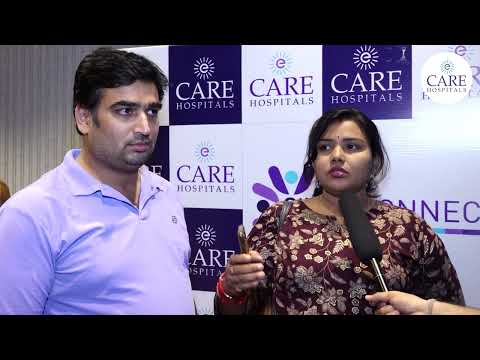
Recovering From Road Accident |Patient Experience| Dr. Susant Kumar Das| CARE Hospitals, Bhubaneswar
-

Successful Spinal Cord Tumour Surgery | Patient Experience | Dr. Susant Kumar Das | CARE Hospitals
-
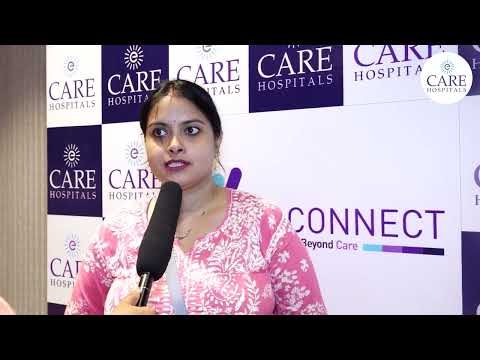
Successful Spinal Cord Surgery | Patient Experience| Dr. Susant Kumar Das CARE Hospitals


Frequently Asked Questions
Couldn’t find what you were looking for?
Need any help? Get a Call Back.

Still Have a Question?


