



-
Centre of Excellence
Specialties
Treatments and Procedures
 HyderabadCARE Hospitals, Banjara Hills CARE Outpatient Centre, Banjara Hills CARE Hospitals, HITEC City CARE Hospitals, Nampally Gurunanak CARE Hospitals, Musheerabad CARE Hospitals Outpatient Centre, HITEC City CARE Hospitals, Malakpet
 Raipur
 Bhubaneswar
 Visakhapatnam
 Nagpur
 Indore
 Chh. Sambhajinagar
 Clinics & Medical Centers


-

-

-

-

-

-
Follow Us

ENT
ENT
Best ENT Hospital in Hyderabad
- Expert ENT Surgeons, Otologists, Rhinologists & Laryngologists
- Minimally Invasive & Endoscopic ENT Procedures
- Advanced ENT Navigation & Image-Guided Sinus Surgery Systems
- State-of-the-Art Cochlear Implant & Hearing Restoration Program
- Specialized Voice, Airway & Swallowing Disorder Clinics
- Comprehensive Head & Neck Surgery Expertise
- Pediatric ENT Services for Congenital & Developmental Disorders
- Endoscopic Skull Base Surgery Capabilities
- State-of-the-Art Audiology & Vestibular (Balance) Testing
- Allergy Management & Immunotherapy Programs
- Advanced Sleep Apnea Evaluation & Surgical Management
- Dedicated ICU & Post-Operative Care Pathways
- Holistic Voice & Speech Rehabilitation Services
- Day-Care ENT Surgeries for Faster Recovery
- Integrated Multidisciplinary ENT Care with Allied Specialties
The ENT department at the CARE Hospitals is one of the best centers that provide comprehensive care and optimum medical facilities. The department offers excellent clinical evaluation and gentle care to patients from anywhere in the world. We offer care for a wide range of problems, such as general ear, nose, throat, and thyroid disorders, snoring, hearing problems, voice problems, and diseases of the salivary glands. CARE Hospitals uses a multidisciplinary approach for dealing with the disorders of the head, neck, temporal bone tumors, skull base tumors, and sino-nasal tumors.
CARE Hospitals is one of the best ENT hospitals in Hyderabad that offers Cochlear implants. Hundreds of implantations have been performed since the start of the cochlear implant center. The cochlear implant team has the expertise and created a breakthrough record of performing cochlear implant surgeries all over the country. The head of the ENT department plays an important role in making it possible for poor people to afford the surgery by bringing this surgery under an insurance scheme. The multidisciplinary approach used by the doctors helps them to treat the most complex cases with ease and comfort. Being the best ENT hospital in Hyderabad, our main aim is to offer gentle care without giving much discomfort to the patients.


Why Choose CARE Hospitals for Advanced ENT Treatment and Best ENT Specialists
CARE Hospitals' ENT department is at the forefront in the medical field, as it incorporates the latest technology, the best ENT specialists, and scientific treatments to help the whole range of ear, nose, and throat and head & neck conditions evolve from accurate diagnosing to thorough helping. The following criteria are extremely important in selecting the CARE Hospitals for ENT services:
- Experienced ENT Specialists & Surgeons: A senior team with a wide range of skills covering ear, sinus, throat, voice, allergy, and airway disorders. For each and every case, there is a designated super-specialist from the ENT team, whether it is sinuses and airways or phonation, hearing, and children's ENT.
- Total ENT Diagnostic Service in One Location: Our ENT department uses up-to-date diagnostics, audiology and imaging tools to find the problems that cannot be diagnosed manually.
- Treatment of ENT Driven by Precision: The use of high-definition scopes, powered instruments, and advanced surgical systems not only ensures patient safety but also accuracy in the whole process.
- Voice, Hearing & Balance Clinics with Advanced Technology: Specialized services for voice, hearing, and tinnitus evaluations and providing dizziness/balance therapy sessions.
- ENT Care for Pediatrics: Treatment for chronic infections, tonsils, adenoids, congenital problems, hearing loss, and airway issues is done through specialized methods.
- Rapid Recovery with Less Invasive Techniques: The use of modern endoscopic methods has resulted in the reduction of pain, the minimization of scars, and the shortening of recovery time.
- Integrated Care with Audiology & Speech Professionals: Joint rehabilitation programs for hearing, speech, and voice assure total outcomes.
- Emergency ENT Support Available 24/7: Immediate treatment for nosebleeds, throat infections, airway obstructions, foreign bodies, and injuries.
- Patient-Focused Care & Continuous Follow-Up: Customized recovery plans and long-term monitoring for sustained results.
- Convenient Day-Care ENT Surgeries: Many procedures are performed as same-day surgeries, reducing downtime and recovery time.
| Category | Information |
| Emergency Care | 24/7 |
| Diagnostics | Audiometry, Endoscopy, CT/MRI Scan, Tympanometry, Video Nasal Endoscopy, Biopsy |
| Advanced Treatments | Endoscopic Sinus Surgery (FESS), Cochlear Implant, Tonsillectomy/Adenoidectomy, Microlaryngeal Surgery, Septoplasty, Head & Neck Cancer Surgery |
| Specialists | ENT Surgeons, Otologists, Rhinologists & Laryngologists |
| Advanced Facilities | Allergy Management & Immunotherapy Programs, Advanced Sleep Apnea Evaluation & Surgical Management, Voice & Speech Rehabilitation Services, Day-Care ENT Surgeries |
Diseases Treated
The ENT department at the CARE Hospitals offers a complete set of treatments for the problems related to the ear, nose, throat, head, and neck—supporting and treating with new methods, medical care, and surgical procedures that are minimally invasive.
- Ear Conditions
- Ear Infections (Otitis Media & Otitis Externa): These infections of the middle or outer ear can be either acute or chronic and are the cause of pain, discharge, and temporary hearing problems.
- Hearing Loss (Conductive & Sensorineural): Hearing impairment from ear infections, aging, noise exposure, or congenital causes.
- Tinnitus: It is the perception of sound in the ears (like ringing or buzzing), usually resulting from nerve injury, infection, or a disorder in the inner ear.
- Vertigo & Balance Disorders (Labyrinthitis, Vestibular Neuritis): These are the inner ear-related issues that lead to dizziness, loss of balance, or spinning sensations.
- Earwax Impaction: The condition is marked by a buildup of hard wax, which leads to blockage of the ear, discomfort, and temporary hearing loss.
- Eardrum Perforation: A ruptured eardrum is usually the result of either infection or injury, which in turn causes pain and impaired hearing.
- Otosclerosis: It is a condition marked by abnormal bone growth in the middle ear that affects hearing and is often treated with surgery.
- Nose & Sinus Conditions
- Sinusitis (Acute & Chronic): The condition of sinuses being either inflamed or infected leads to their blockage, pain in the face, and difficulty in breathing.
- Nasal Polyps: These are growths that do not have any cancerous potential but develop in the nasal mucosa and lead to blockage of the nose, snoring, and less sense of smell.
- Deviated Nasal Septum (DNS): This is a condition where the nasal septum is not in the right position and, as a result, causes problems with breathing, snoring, and getting sinus infections.
- Allergic Rhinitis: It is an inflammatory condition of the nasal tract that is allergy-related and causes the patient to sneeze, have a runny nose, and feel congested all the time.
- Nosebleeds (Epistaxis): This is the condition where the nasal chamber gets occasionally or heavily bled due to drying up of the nasal mucosa, injury, or sickness.
- Nasal Obstruction: It refers to difficulty in breathing through the nose and is caused by either structural or inflammatory factors.
- Smell & Taste Disorders: A condition involving a complete or partial inability to perceive odor or flavor and is attributed to infections, allergies, or damage to the nerves.
- Throat & Airway Conditions
- Tonsillitis & Adenoiditis: Infections or enlargements of tonsils and adenoids manifesting as sore throats, fevers, and respiratory complications—typically seen in children.
- Laryngitis: The swelling of the vocal cords resulting in the quality of sound being very low and soft or even the complete loss of voice.
- Sleep Apnea & Snoring: The blocking or going down of the airway when a person is asleep results in snoring, tiredness, and stops in breathing.
- Voice & Swallowing Disorders: These are vocal cord inflammation, weariness, difficulty in swallowing, or throat pain due to problems with nerves or muscles.
- Throat Infections (Pharyngitis): Either a virus or bad bacteria can infect the throat and produce pain and swelling as well as make it hard to swallow.
- Airway Narrowing (Subglottic Stenosis): It is the closing off or reduction of the size of the airway, which affects breathing and most of the time necessitates surgical intervention.
- Head & Neck Conditions
- Thyroid & Parathyroid Abnormalities: These are the noncancerous or cancerous growths and hormonal disorders that need ENT-based treatments.
- Head & Neck Tumors: The term covers nonmalignant or neoplastic processes that take place in the oral cavity, pharynx, glands, or soft tissues.
- Salivary Gland Diseases (Stones, Infections, Tumors): These are the conditions of blockage or growth that result in jaw swelling, pain, and difficulties in chewing or swallowing.
- Oral Lesions & Mouth Ulcers: The specific condition of non-healing sores or growths requiring assessment for infection, deficiency, or malignancy.
- Temporomandibular Joint (TMJ) Disorders: Painful or dysfunctional jaw joint leading to eating difficulties and discomfort in the face.
- Pediatric ENT Problems
- Children's Ear Infections & Moisture in the Ear: Frequent infections or fluid collecting in the middle ear resulting in pain and the loss of hearing for a short period.
- Tongue-Tie (Ankyloglossia): This is the limited movement of the tongue resulting in problems with speaking or feeding, which is rectified through a minor surgery.
- Pediatric Airway Blockage: These are the breathing problems emerging from overgrown tonsils, adenoids, or congenital defects.
- Ear, Nose & Throat Birth Defects: These are conditions such as choanal atresia, cleft palate–related ENT problems, and ear deformities.
Diagnostic Procedures Used in ENT Care
Diagnostic procedures in Ear, Nose, and Throat (ENT) department are absolutely necessary for the accurate diagnosis of different conditions that manifest in these areas of the human body. Ear, nose, and throat specialists, better known as otolaryngologists, heavily rely on various methods to point out the problem areas with respect to hearing and its related aspects like smell, taste, and voice, and also the respiratory system. The following are some key diagnostic procedures that are frequently used in ENT care:
- Audiometry: A hearing test that is carried out in a soundproof room and gauges the ability of an individual to hear sounds and speech at different loudness levels and pitches. This test proves to be helpful to the doctor in determining the severity and type of hearing loss in the patient.
- Tympanometry: The middle ear’s working is assessed through this test by taking its reaction to air pressure changes and measuring it. Thus, it detects the presence of fluid in the middle ear, ear infections, or a hole in the eardrum.
- Nasal Endoscopy: A small camera (flexible or rigid) is placed through the nose to get a closer look at the nasal cavity, sinuses, nasopharynx, and sometimes even the larynx. This helps in a correct diagnosis of sinusitis, nasal polyps, and cancer.
- Laryngoscopy: This is a procedure in which the laryngoscope is used to get a picture of the throat, larynx, and vocal cords from behind. It’s very important to inspect voice problems, throat pain, and swallowing difficulties through this method.
- Otoacoustic Emissions (OAEs): A diagnostic test that detects sound waves emanating from the inner ear and can thus tell the health of the inner ear (cochlea). It is mostly utilized in screening newborns for hearing loss.
- CT and MRI Scans: The imaging techniques offer very precise and detailed pictures of the different structures in the head and neck region, including the sinuses, nasal cavity, and brain. They are used not only to pinpoint the location of the tumor but also in diagnosing sinusitis and the management of ear infections and their related complications.
Latest Technologies Used in ENT Treatments
The newest technologies that are being utilized for ENT treatments at CARE Hospitals are as follows:
- Robotic Surgery: Robotic-assisted surgery has made it possible to carry out very accurate and, at the same time, less invasive surgical procedures in ENT. This is especially true for complicated surgeries that include transoral robotic surgery (TORS) for head and neck cancers. During such operations, the robots provide the surgeons with better control over the movements and a clearer view, leading to a better result in surgery and quicker healing of the patient.
- Endoscopic Techniques: The endoscopic procedures are the ones that make use of very small and flexible endoscopes in a non-invasive manner to visualize and treat the problems in the nasal passages, sinuses, throat, and even middle ear. The use of new endoscopic technology has greatly limited the invasiveness of surgical operations, and thus the patient's recovery time is less than that of the previous classical open surgery.
- 3D Printing: Patients' individualized anatomical models, surgical guides, and implants are created through 3D printing technology, and it is gaining popularity in ENT more and more. These models serve as assistance for surgical planning, education, and training, which lead to better precision and safety of the procedures.
- Balloon Sinuplasty: This is a minimally invasive technique that is helpful in treating chronic sinusitis by gradual expansion of the sinus openings through balloon catheters aided by the opening of drainage and ventilation pathways. Compared to traditional sinus surgery, it has the advantages of shorter recovery time and lower risk of complications.
- Image-Guided Surgery (IGS): IGS is a system that brings together preoperative imaging like CT scans and MRIs with live navigation during the procedure to guide surgeons with very detailed and three-dimensional maps of the area to be operated on. This IGS technology makes the complex ENT surgeries, especially skull base surgeries, more accurate and safe.
- Laser Technology: In ENT, laser-assisted techniques are employed for a number of reasons, such as vocal cord lesion treatment, tumor extraction, and sleep apnea management. Compared to conventional surgical methods, laser technology has the benefits of being very accurate, causing less harm to the tissue, and promoting faster healing.
The CARE Hospitals have an immunology clinic as well in the ENT department, which is staffed with a knowledgeable and enthusiastic team dedicated to the correct confirmation and treatment of the allergies. The hospital has sufficient facilities for testing, and based on that, the doctors prepare an individualized treatment plan for each patient.
ENT Treatments & Procedures at CARE Hospitals
At CARE Hospitals, the ear, nose, and throat (ENT) specialists utilize modern techniques like microscopic surgery, endoscopic surgery, and minimally invasive surgery to treat very difficult cases having to do with the ear, nose, throat, head, and neck without missing accuracy. The purpose of each operation is to bring back the normal bodily function, alleviate the symptoms, and thus improve the person's lifetime quality of life in the long run.
- EAR (Otology & Neurotology Procedures)
- Tympanoplasty: Surgeons fix a perforated eardrum through an operation so that the patient is able to hear again and no long-lasting infections occur in the ear. The eardrum is rebuilt using graft tissue, which is good for long-term ear health.
- Myringoplasty: A surgical method that is not invasive and is done by patching very small holes in the eardrum. It reduces ear discharge and enhances mild conductive hearing loss.
- Myringotomy with Grommet Insertion: Inserting tiny ventilation tubes to remove fluid in cases of chronic otitis media. It helps to improve hearing and minimize recurrent ear infections in both children and adults.
- Mastoidectomy: Surgical removal of the infected mastoid air cells is performed in order to cure the cholesteatoma or long-standing infections. It wards off complications and also maintains the health of the nearby ear structures.
- Stapedectomy / Stapedotomy: Replacement or restructuring of the stapes bone by microsurgery for treating otosclerosis. It leads to considerable hearing improvement as well as restoring sound transmission.
- Ossiculoplasty: Surgery that rebuilds the bones of the middle ear in order to rectify hearing loss by conduction. The reconstruction of the ossicular chain is done either with prosthetic or biological materials.
- Cochlear Implant Surgery: Surgical insertion of an electronic hearing device in the ear for those who have severe-to-profound sensorineural loss. It enables the patients to get back the clarity in their speech understanding.
- Bone-Anchored Hearing Aid (BAHA) Implant: A surgically inserted device bonded to the skull bone that is able to bypass the defects in the ear canal. It is perfect for deafness coming from only one side or mixed hearing loss.
- Labyrinthectomy/Vestibular Surgery: Interventions aimed at the inner ear’s balance organs to alleviate Meniere’s disease symptoms. Aids in the gradual reduction of vertigo, provided that hearing cannot be saved.
- Acoustic Neuroma/Vestibular Schwannoma Surgery: The removal of non-cancerous tumors from the nerve supplying hearing and balance either through microsurgery or endoscopy conducted in a way that preserves the facial nerve functioning while taking away the pressure of the tumor.
- Ear Lobe Repair & Otoplasty: This is to fix the damaged or enlarged earlobes and smooth out protruding ears. It provides an option for both reconstructive and aesthetic improvements.
- NOSE & SINUS (Rhinology Procedures)
- Functional Endoscopic Sinus Surgery (FESS): A tiny surgical intervention that allows access to unblocked sinuses and their drainage to the outside world. It restores closeness between the nasal and sinus cavities, which leads to a reduction in chronic sinusitis symptoms.
- Endoscopic Sinus Surgery (ESS): The use of high-definition endoscopes facilitates the removal of not only infections but also polyps and obstructions. Thus, the treatment can be performed precisely with minimal disturbance to the surrounding tissues.
- Septoplasty: Also, improves the airflow through the nose by straightening a crooked septum. Thus, it helps in the reduction of not only the obstruction but also snoring and breathing difficulties.
- Turbinate Reduction Surgery: In this, various methods are employed to shrink the turbinates that have become larger. As a result, the patient suffering from chronic nasal congestion is relieved for a long time.
- Rhinoplasty (Functional & Cosmetic): The dainty reshaping of the nose either for correction of the structure or enhancement of the looks. Better airflow through the nose along with the pleasing appearance of the face are the two benefits of this procedure.
- Balloon Sinuplasty: A gentle, catheter-based sinus opening dilation. This procedure facilitates a swift recovery for the patient and ensures long-term relief from sinusitis.
- Endoscopic CSF Leak Repair: The closure of leaks from cerebrospinal fluid is carried out via a minimally invasive nasal route. With this, the infections are prevented, and the integrity of the skull base is restored.
- Nasal Polyp Removal (Polypectomy): This surgery is employed for the removal of soft tissue polyps obstructing breathing and sinus drainage. This provides rapid relief from nasal blockage and headaches.
- Epistaxis Control (Nosebleed Surgery): This procedure uses cauterization or artery ligation in order to stop the recurrent nosebleeds.
- THROAT & VOICE (Laryngology Procedures)
- Microlaryngeal Surgery: This is the surgery employed to treat vocal cord nodules, cysts, or lesions by means of microscopic precision. The process retains the voice quality while normal vocal function is restored.
- Vocal Cord Injection/Laryngeal Framework Surgery: It is a treatment for vocal cord paralysis that adds volume or repositions the affected vocal cords. This improves the voice strength, breath control, and swallowing.
- Laser Laryngeal Surgery: The laser technology is used to cut off such things as lesions, polyps, and even cancer in the early stages while there is very little blood loss. This technique is perfect for the very delicate area of the vocal cords.
- Tonsillectomy: The procedure takes away tonsils that have either been infected for a long time or have become too big. It helps prevent infections in the throat, noise while sleeping, and sleep obstruction.
- Adenoidectomy: This is the removal of the enlarged adenoids, which are located behind the nose. It has a positive effect on the breathing, nasal blockage, and sleep apnea symptoms in children.
- Uvulopalatopharyngoplasty (UPPP): The process is done via surgery that involves the removal of the throat tissue that is in excess, thus resulting in the widening of the airway. This procedure is done on patients suffering from obstructive sleep apnea and those with chronic snoring.
- Tracheostomy: A neck opening that serves as an airway for breathing support is made. This is done in cases of airway obstruction or when patients need to be on long-term ventilation.
- Airway Reconstruction Surgery: The procedure fixes any narrowing or structural defects in the airway. This results in safe breathing being restored and less frequent respiratory issues being experienced.
- HEAD & NECK SURGERY
- Thyroid Surgery: The removal of nodules, goiter, or thyroid cancer is done through modern techniques. It guarantees the safety of the nearby nerves and glands.
- Parathyroid Surgery: It removes the glands that produce too much parathyroid hormone, which is the cause of high calcium levels. This is a way of restoring bone health and metabolic balance.
- Salivary Gland Surgery (Parotidectomy / Submandibular Surgery): The procedure is to take out the tumors, stones, or infections from the main salivary glands. It also takes care of the facial nerve function while bringing back the gland activity.
- Neck Dissection for Cancer: This surgery takes out the lymph nodes that have cancer in them along with the tissues that surround them. It is a must in the treatment of head and neck malignancies as well as in the prevention of their spreading.
- Head & Neck Tumor Surgery: The surgical removal of either benign or malignant tumors in the throat, thyroid, or voice box. It guarantees a thorough excision along with the preservation of function.
- SKULL BASE SURGERY
- Endoscopic Skull Base Surgery: It is a minimally invasive operation for the removal of tumors or lesions at the base of the skull. Through the nasal route for quicker recovery.
- Pituitary Tumor Surgery (Endonasal Endoscopic Approach): It eliminates pituitary tumors through the nose without outer incisions. It guarantees the accurate removal of the tumor with very little disturbance of the brain.
- Cerebrospinal Fluid (CSF) Leak Repair: This closes the defects in the skull base, which are the cause of CSF leaking. It helps to stop very serious infections such as meningitis from taking place.
- PEDIATRIC ENT SURGERY
- Pediatric Tonsillectomy & Adenoidectomy: It solves the issue of recurrent infections and sleep disorder breathing. Thus, the child will have better breathing, sleeping, and eating.
- Pediatric Ear Tube Insertion: It drains the fluid that has built up in the child's ear if the child has frequent ear infections. Thus, hearing is restored, and the risk of developmental delays is eliminated.
- Pediatric Airway Surgery: It provides a solution for congenital airway problems that cause difficulty in breathing. Thus, it guarantees proper airflow and lessens the occurrence of respiratory issues.
- Tongue-Tie Release (Frenotomy/Frenuloplasty): It is a surgical procedure to release the tongue tissue that is causing restriction in order to improve feeding and speech. It is quick and effective for both infants and children.
Achievements
The ENT department at CARE Hospitals is known for its diagnostic and therapeutic excellence regarding ear, nose, and throat ailments. Following are some of the main achievements of CARE Hospitals, which is one of the best ENT hospitals in Hyderabad:
- CARE Hospitals enjoy a high success rate in sinus and nasal surgeries, including advanced endoscopic procedures for chronic sinusitis, nasal polyps, and deviated septum treatment.
- The hospital has a solid reputation for its all-embracing strategy toward head and neck oncological disorders that has included surgical interventions, radiotherapy, and post-op care, and through this, it has produced outstanding results for the patients.
- The hospital has been successful in the restoration of hearing or improvement for many patients through the use of hearing aids, cochlear implants, and other cutting-edge therapies.
Our Team of ENT Specialists
The ENT specialists at CARE Hospitals offer complete diagnosis and treatment for various ear, nose, and throat problems. Our doctors, with specializations in sinus, hearing, voice, and head & neck disorders, ensure accurate, patient-focused treatment.
We are able to provide solutions for complex ENT problems through the use of cutting-edge technology and pioneering methods in a minimally invasive and less detectable way. Our ENT doctors are resolute in getting improved clinical results along with quicker recovery and better quality of life for the patients.
Treatments and Procedures
-
DCR in Hyderabad
Every eye has a fine drain pipe leading from the eye to the nose, through which tears reach the throat. This pipe is called the nasolacrimal duct. A child may be born with a blockage in the nasolacrim...
 Read More
-
Ear Reconstruction (Tympanoplasty) Surgery in Hyderabad
Abnormal ear development may result from trauma or disease. While some anomalousness may require no intervention and may correct itself on its own (for example, caused by abnormal positioning inside t...
Read More
-
Endolymphatic Sac Surgery in Hyderabad
Endolymphatic Sac Surgery in Hyderabad is a procedure done in people suffering from Meniere’s disease. The surgery is done to maintain hydrostatic pressure and balance of endolymph in the i...
Read More
-
Facial Nerve Repair in Hyderabad
The facial nerve is the seventh cranial nerve that controls many expressions. One nerve is present on each side of the face. Facial nerve repair is required in people who have experienced nerve paraly...
Read More
-
Mastoidectomy Surgery in Hyderabad
The mastoid is the part of the skull located behind the ear which is filled with air cells made of bone and has a honeycomb-like appearance. Infections of the ear can spread to the skull, which r...
Read More
-
Micro Laryngeal Surgery in Hyderabad
The larynx is the medical term for the upper windpipe where the voice box and vocal cords are situated. Micro laryngeal surgery, otherwise known as micro laryngoscopy, is a minimally invasive surgical...
Read More
-
Optic Nerve Decompression (Papilledema) Surgery in Hyderabad
Optic nerve decompression is also known as Papilledema. It is a condition of the eye which usually occurs when the pressure from the brain makes the optic nerve swell. It can occur due to several reas...
Read More
-
Septorhinoplasty Surgery in Hyderabad
People do not pay much attention to their nose until it is too large, too small, or it does not look good on your face. If the shape of your nose does not match the size of your face, you can always c...
Read More
-
Thyroplasty Surgery in Hyderabad
Thyroplasty is the paralysis of the vocal cord when there is a disturbance in the nerve impulse in the voice box. The person with thyroplasty will face problems with speaking as well as breathing. Som...
Read More
-
Tracheostomy Surgery in Hyderabad
Tracheostomy is the procedure where the surgeons make a hole through the front side of the neck and into the windpipe. A tube is placed in the hole which helps in breathing. This is a surgical procedu...
Read More
-
Vertigo Treatment in Hyderabad
Vertigo is a condition when you feel as if you are spinning in circles. You can feel dizzy and out of balance. Vertigo is a symptom of different problems. It may occur due to different reasons but the...
Read More
Our Doctors
-

Dr. Surbhi Chopra
MBBS, MS
ENT
View More
-
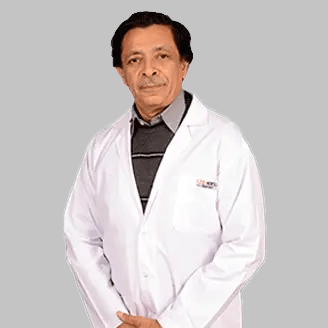
Dr. Shailendra Ohri
MBBS, MS (ENT)
ENT
View More
-

Dr. Rishi Ajay Khanna
MBBS, MS (ENT Head & Neck Surgery)
ENT
View More
-

Dr. Abhishek Malviya
MBBS, DLO, DNB
ENT
View More
-

Dr. Chaitanya Pentapati
MBBS, MS (OTO, RHINO - LARYNGOLOGY)
ENT
View More
-

Dr. Debabrata Panigrahi
MBBS, MS (E.N.T)
ENT
View More
-

Dr. Hakeem
MBBS, DLO
ENT
View More
-

Dr. M. A. Amjad Khan
MBBS, MS (ENT, Head & Neck Surgeon)
ENT
View More
-
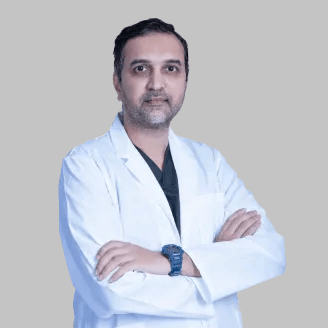
Dr. Md Kareemullah Khan
MBBS, MS (ENT), MRCS (England)
ENT
View More
-

Dr. N Vishnu Swaroop Reddy
MBBS, MS ( E.N.T.), FRCS (Edinburgh), FRCS (Ireland), DLORCS (England)
ENT
View More
-

Dr. Prateek Raj Betham
MBBS, MS (ENT), FHNSO
ENT
View More
-

Dr. Ram Sunder Sagar
MBBS, DLO
ENT
View More
-

Dr. Ramesh Rohiwal
MBBS, MS (ENT), PGDHHCM
ENT
View More
-

Dr. Ranbeer Singh
MBBS, DLO (DNB)
ENT
View More
-

Dr. Shruthi Reddy
MBBS, DNB (ENT)
ENT
View More
-

Dr. Sudhamsh Thirunahari
MBBS, MS (ENT), Fellowship in Rhinology & Skull Base Surgery
ENT
View More
-

Dr. Vikrant Vaze
MD - Physician, DNB - ENT
ENT
View More














Our Locations
CARE Hospitals, a part of the Evercare Group, brings international quality healthcare to serve patients across the world. With 16 healthcare facilities serving 7 cities across 6 states in India, we are counted among the top 5 pan-Indian hospital chains.
-

CARE Hospitals, Banjara Hills, Hyderabad
-

CARE Hospitals Outpatient Centre, Banjara Hills, Hyderabad
-

CARE Hospitals, HITEC City, Hyderabad
-

CARE Hospitals Outpatient Centre, HITEC City, Hyderabad
-

Gurunanak CARE Hospitals, Musheerabad, Hyderabad
-

CARE Hospitals, Nampally, Hyderabad
-
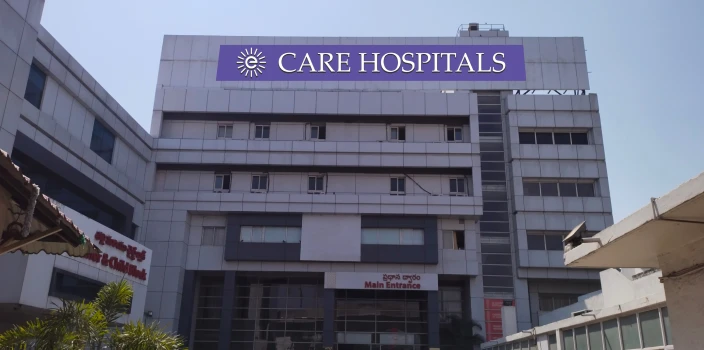
CARE Hospitals, Malakpet, Hyderabad

-
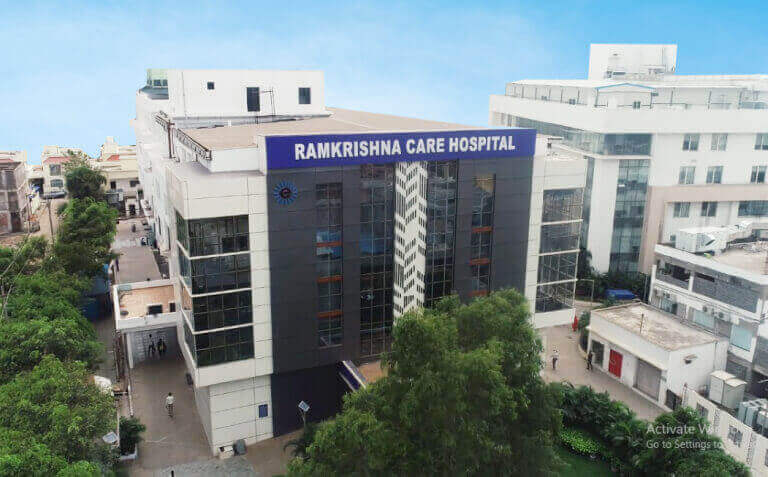
Ramkrishna CARE Hospitals, Raipur
-

CARE Hospitals, Bhubaneswar
-

CARE Hospitals, Ramnagar, Visakhapatnam
-
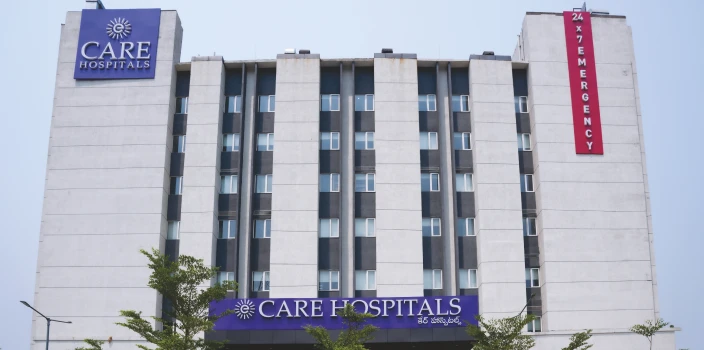
CARE Hospitals, Health City, Arilova
-
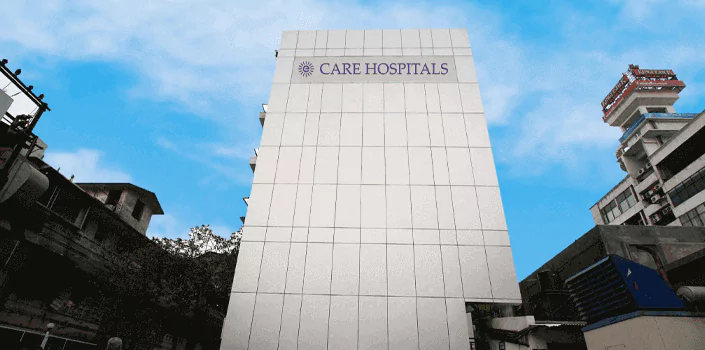
Ganga CARE Hospital Limited, Nagpur
-

CARE CHL Hospitals, Indore
-

United CIIGMA Hospitals (A unit of CARE Hospitals), Chh. Sambhajinagar
-
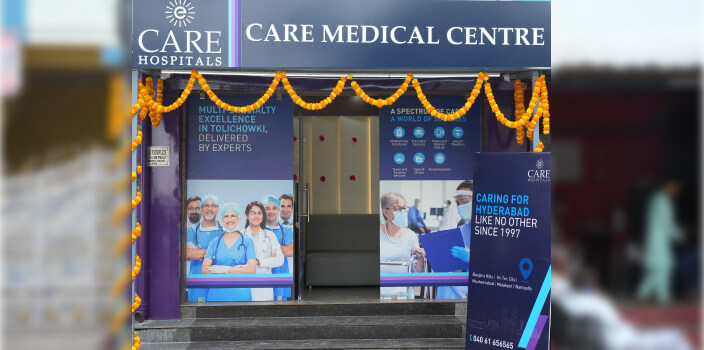
CARE Medical Center, Tolichowki, Hyderabad
Doctor Blogs
-
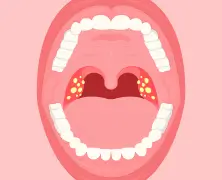
Tonsil Stones (Tonsilloliths): Symptoms, Treatment and Home Remedies
If you have ever noticed small white or yellow lumps tucked into your tonsils, you might be dealing with tonsi...
11 February
 Read More
-

Lump Behind Ear: Causes, Diagnosis and Treatment
Finding a lump behind the ear is alarming in a way that most minor symptoms are not - the location feels proxi...
11 February
Read More
-

Hemoptysis (Coughing Up Blood): Causes, Treatment and Home Remedies
Almost everyone deals with a cough now and then. Usually, it is nothing to worry about and goes away by itself...
11 February
Read More
-

How to Unclog Ears: 9 Tips and Remedies
Have you ever felt like your ears are blocked or sounds seem muffled for no clear reason? Clogged ears can mak...
11 February
Read More
-

Swollen Lymph Nodes: Symptoms, Causes, Diagnosis and Treatment
Swollen lymph nodes, also known as lymphadenopathy, are a common occurrence that can be indicative of various ...
11 February
Read More
-

10 Home Remedies For Throat Infection
Are you tired of dealing with the discomfort and pain of throat infections? Look no further! In this article, ...
11 February
Read More
-

How to Clear a Stuffy Nose and Congestion: 12 Natural Ways to do
Blocked or stuffy nose is a common problem that may arise from numerous causes. Stuffy nose is medically terme...
11 February
Read More
-

Whooping Cough: Symptoms, Causes, Diagnosis, Prevention and Treatment
Whooping cough, or Pertussis, is a highly contagious bacterial infection primarily affecting the respiratory s...
11 February
Read More
-

Fungal Ear Infection: Symptoms, Causes, Diagnosis, Risks and Treatment
Infection in the ear caused by fungus is also known by the medical term - Otomycosis. It mostly affects the ou...
11 February
Read More
-

6 Home Remedies to Get Rid of Continuous Hiccups
We've all been there – that annoying, abrupt spasm in your diaphragm that causes you to inhale quick...
11 February
Read More
-
Dry Mouth: Symptoms, Causes, Diagnosis and Treatment
Dry mouth is a common occurrence when feeling thirsty or when a person is dehydrated or experiences anxiety. H...
11 February
Read More
-

How To Cure Tonsillitis?
Tonsils are two oval-shaped, small, gland-like structures located at the back of the throat that play a crucia...
11 February
Read More
-

All you need to know about Sinusitis
Sinusitis, or sinus infection, is an inflammation or swelling of the tissues inside the sinus cavity, which co...
11 February
Read More
-

Tonsilitis – Symptoms, Causes and Treatment
Tonsils are tissue pads that are oval-shaped and are located at the rear end of the throat. We have two tonsil...
11 February
Read More
-

To Hear For Life, Listen With Care: World Hearing Day 2022
World Hearing Day to raise awareness on preventing deafness and hearing loss. It is also observed to promote e...
11 February
Read More
Doctor Videos
-

कान से चक्कर आने का कारण क्या है?
-
कान, नाक और गले से जुड़ी समस्या के लिए विशेषज्ञ ENT सेवाएं।
-

Protect your hearing and never ignore voice changes | Dr. N Vishnu Swaroop Reddy | CARE Samvaad
-
Restoring a voice can restore a life | Dr. N Vishnu Swaroop Reddy | CARE Samvaad
-

Should You Be Worried About Ear Wax Buildup? | Dr. Ram Sunder Sagar | CARE Hospitals, Musheerabad
-
Obstructive Sleep Apnea in Adults | Dr. Hakeem | CARE Hospitals, Malakpet
-
Obstructive Sleep Apnea in Children | Dr. Hakeem | CARE Hospitals, Malakpet
-

Acute Sinusitis: Causes, Symptoms, Treatment & Prevention by Dr. Vishnu S Reddy | CARE Hospitals
-

Nasal problems in children and how parents can help them | Dr. Vishnu S Reddy | CARE Hospitals
-
Why are sinus problems more prevalent during winter? Dr. Vishnu S Reddy | CARE Hospitals
-

How does one deal with sudden sensorineural hearing loss? | Dr. Vishnu S Reddy | CARE Hospitals
-

When do you need a surgery for a sinus infection? Answered by Dr. Vishnu S Reddy | CARE Hospitals
-

కోక్లియర్ ఇంప్లాంట్ అంటే ఏంటి? ఎలాంటి లోపాలు ఉన్న వాళ్ళకి ఇది పెడతారు? Dr. Chaitanya
-
ఎవరు ఎక్కువగా బ్లాక్ ఫంగస్ బారిన పడతారు? | Dr. Chaitanya Pentapati | CARE Hospitals
-
అత్యంత సాధారణ పోస్ట్ కోవిడ్ సమస్యపై అవగాహన: బ్లాక్ ఫంగస్ | Dr. Chaitanya Pentapati | CARE Hospitals
-
బ్లాక్ ఫంగస్ కోసం అందుబాటులో ఉన్న వైద్య చికిత్సలు ఏమిటి? | Dr. Chaitanya Pentapati | CARE Hospitals
-

Dr. MD Kareemullah Khan | Consultant ENT Surgeon | CARE Hospitals
-

Cochlear Implant | Best ENT Surgeon | Best Implant | CARE Hospitals




Frequently Asked Questions
Couldn’t find what you were looking for?
Need any help? Get a Call Back.

Still Have a Question?


