


-
Centre of Excellence
Specialties
Treatments and Procedures
 HyderabadCARE Hospitals, Banjara Hills CARE Outpatient Centre, Banjara Hills CARE Hospitals, HITEC City CARE Hospitals, Nampally Gurunanak CARE Hospitals, Musheerabad CARE Hospitals Outpatient Centre, HITEC City CARE Hospitals, Malakpet
 Raipur
 Bhubaneswar
 Visakhapatnam
 Nagpur
 Indore
 Chh. Sambhajinagar
 Clinics & Medical Centers


-

-

-

-

-

-
Follow Us

Gastroenterology Medical
Gastroenterology Medical
Best Gastroenterology Hospital in Hyderabad
Gastroenterology deals with disorders of the intestines and stomach. Medical experts who specialize in gastroenterology treat disorders affecting the liver, gallbladder, pancreas, small intestine, stomach, and esophagus from newborns to teenagers. The Institute of Colorectal Surgery at CARE Hospitals is one of India's first dedicated centres for treating diseases of the colon, rectum, and anus. CARE Hospitals is one of the best gastroenterology hospital in Hyderabad because of this. We treat complications of the stomach and small intestine in our gastroenterology practice. In addition, our gastroenterologists treat patients who are suffering from nausea, diarrhoea, abdominal pain, and cramping. We have a bench strength of top gastroenterologists at CARE Hospitals so that we can provide the best care possible.
CARE Hospitals, with its experience in recognizing and managing digestive issues, is at the leading edge of minimally invasive technology to treat digestive problems that are widespread. Patients receive a quick, comfortable recovery after the procedure. Patients are continuously monitored from the onset of the disease to the end, from early detection to diagnosis to treatment to a good quality of life. CARE is for:
- Experts in Medical, Interventional, and Surgical Gastroenterology
- Minimally Invasive & Laparoscopic Gastrointestinal (GI) Procedures
- 24/7 GI Emergency & Acute Bleeding Management Unit
- Advanced Therapeutic Endoscopy: ERCP, EUS, and Third Space Endoscopy
- Dedicated Gastroenterology & Liver Intensive Care Unit (GLICU)
- Robotic-Assisted Gastro Surgeries & Navigation Systems
- Pediatric Gastroenterology & GI Oncology Services
- Advanced Biologic & Targeted Therapy for Inflammatory Bowel Disease (IBD)
- Specialized Upper GI, Colorectal, and Bariatric Endoscopy Services
- Comprehensive GI Nutrition & Post-Procedure Rehabilitation Programs


Why Choose CARE Hospitals for Gastroenterology Services
CARE Hospitals is recognized as one of the best gastroenterology hospitals in Hyderabad, providing advanced treatments such as robotic, endoscopic, and minimally invasive interventions for both digestive and liver diseases with dedication. We are recognized for:
- Gastroenterology Excellence: Our GI & liver specialists are recognized as some of the leading experts in the region, ensuring you see the best gastroenterologist in Hyderabad for your specific condition.
- Unmatched Expertise: CARE is a national healthcare network that consists of all healthcare professionals like gastroenterologists, surgical gastroenterologists, and therapeutic endoscopists, who are not just experienced but also experts-in-their-field.
- Surgical Precision: We also offer advanced robotic surgeries and minimally invasive procedures for superior results in complex surgeries and endoscopic interventions like ERCP and EUS.
- Cutting-edge Technology: We have the most advanced diagnostic imaging and hybrid operation theaters, allowing real-time image guidance while performing the complex GI procedures.
- 24/7 GI Emergency Care: Emergency care for GI bleeding and acute liver failure services are provided for the patients 24 hours a day, 7 days a week, throughout the entire year. We also provide the Advanced Life Support (ALS) services in emergency and trauma.
- Treatment Within Reach: Our day-to-day advancements and treatments, from medical management to liver care, are accessible to everyone.
- Patient-Focused Treatment: We focus on each patient's health and make personalized treatment plans as per their health condition. These plans include specialized GI nutrition and full rehabilitation programs after the surgery.
- High Success Rates: Our gastro surgeries for advanced GI cancers and liver disorders have high success rates with the best outcomes.
Diseases and Conditions Treated
CARE Hospital’s Gastroenterology department is specialized in diagnosing and treating diseases of the esophagus, stomach, small intestine, colon, rectum, pancreas, gallbladder, bile ducts, and liver. The department also covers the entire digestive system, from food passage through the tract to the processes of digestion, absorption, and elimination. Our expert gastroenterologists and surgical gastroenterologists provide both medical and surgical management of conditions such as colon polyps, gastrointestinal cancer, jaundice, cirrhosis, gastroesophageal reflux disease (GERD), peptic ulcers, colitis, gallbladder and biliary tract disorders, nutritional issues, Irritable Bowel Syndrome (IBS), pancreatitis, reflux esophagitis, hemorrhoids, and inflammatory bowel diseases.
Diseases Treated
The Gastroenterology division at the CARE Hospitals provides effective treatment for a large range of conditions relating to the digestive system. The most frequent among the diseases treated are:
- Gastroesophageal Reflux Disease (GERD): A situation where the acid produced in the stomach comes back into the esophagus repeatedly and causes heartburn and other related symptoms.
- Irritable Bowel Syndrome (IBS): A very common disorder that affects the large intestine, imparting the patient with symptoms like abdominal pain, swelling and changeable stool.
- Inflammatory Bowel Disease (IBD): IBD is one of the chronic diseases of the digestive system causing inflammation of the GI tract. It primarily includes two types: Crohn's disease and ulcerative colitis. Crohn's disease has the ability to affect any area of the GI tract, whereas ulcerative colitis is limited to the large intestine and rectum only.
- Liver Diseases: Including cirrhosis, hepatitis, fatty liver disease, and liver cancer.
- Gallstones: Solid particles that form in the gallbladder and can cause pain, nausea, and other complications.
- Peptic Ulcers: Sores that develop on the lining of the stomach, small intestine, or esophagus, often due to infection or prolonged use of NSAIDs.
- Celiac Disease: An autoimmune disorder in which the ingestion of gluten causes damage to the small intestine.
- Achalasia: Achalasia is an uncommon condition that makes it hard for food and drink to go from the esophagus to the stomach. This is because the lower esophageal sphincter muscle doesn't relax and the esophagus doesn't contract (peristalsis).
- Barrett's Esophagus: Barrett's Esophagus is a consequence of long-term GERD that happens when the tissue lining the esophagus is replaced with tissue that is comparable to the lining of the intestine. This raises the risk of esophageal cancer.
- Eosinophilic Esophagitis (EoE): A long-term allergy or immunological disorder in which eosinophils, a kind of white blood cell, build up in the lining of the esophagus, producing inflammation and trouble swallowing (dysphagia).
- Diverticulitis: Diverticulitis occurs when tiny, bulging pouches (diverticula) in the lining of the digestive system are inflamed or infected. These pouches are most frequent in the colon.
- Microscopic Colitis: An inflammation of the colon that can only be seen with a microscope and causes long-lasting watery diarrhea. There are two types of colitis: Collagenous Colitis and Lymphocytic Colitis.
- Small Intestinal Bacterial Overgrowth (SIBO): A disorder characterized by an overabundance of bacteria in the small intestine, resulting in symptoms such as bloating, gas, stomach discomfort, and diarrhea.
- Pancreatitis: Acute and chronic pancreatitis are both types of inflammation of the pancreas. Acute pancreatitis comes on quickly and is quite bad, but chronic pancreatitis lasts a long time and may cause lifelong damage and malabsorption.
- Disorders of the Biliary Tract (Cholangitis and Primary Sclerosing Cholangitis - PSC): Cholangitis is an inflammation of the bile duct system, but this is usually due to an infection with bacteria. PSC is a chronic disease that progressively damages the bile ducts, which become scarred, narrowed, and ultimately obstructed.
- Functional Dyspepsia: This is a chronic disorder characterized by symptoms of indigestion, such as pain or burning in the upper abdomen, bloating, or feeling full after very little food intake.
- Chronic Constipation/Diarrhea: Chronic constipation is defined as infrequent bowel movement, which means less than three a week, lasting at least several weeks. In contrast, chronic diarrhea is indicated by loose, watery stool occurring three or more times a day for at least four weeks. Both cases suggest major digestive problems and therefore should be addressed.
- Gastrointestinal (GI) Bleeding: Upper or lower GI bleeding is commonly seen due to the ulcers, varices, or angiodysplasia.
- Colorectal Polyps and Cancer: Polyps located in the colon and rectum are abnormal masses that develop within the gastrointestinal (GI) tract. They are usually not cancerous, but some of them may progress to a GI cancer, mainly colorectal cancer.
Interventional Treatment and Advanced Diagnostic Procedures
The CARE Hospitals Gastroenterology Department delivers an array of treatments and procedures based on a patient’s individual diagnosis. These treatments can range from simple diagnostic and therapeutic procedures to advanced minimally invasive and comprehensive medical treatment.
Diagnostic & Interventional Endoscopy:
- Standard Endoscopy: A minimally-invasive procedure that uses a flexible tube wedged with a camera to perform diagnostics and treatment of the GI tract, including diagnosing and evaluating ulcers, bleeding, and cancer.
- Capsule Endoscopy: A procedure that enables visualization of the small intestine by swallowing a small camera capsule, primarily in instances where standard endoscopy does not provide an effective visual assessment.
- Advanced Therapeutic Endoscopy: These are highly specialized, minimally invasive procedures performed entirely through the endoscope to remove lesions without traditional surgery: - Endoscopic Mucosal Resection (EMR) - Endoscopic Submucosal Dissection (ESD) (for removing larger and deeper early-stage cancers or large polyps) - Peroral Endoscopic Myotomy (POEM) (for treating Achalasia)
- Endoscopic Ultrasound (EUS): EUS is suggested for a more detailed evaluation of conditions such as pancreatic cancer and chronic pancreatitis.
Advanced Diagnostic Procedures:
- 3D Imaging Techniques: The 3D imaging techniques are such that they make use of 2D CT or MRI scans and come up with very detailed 3D models of the innards of the body, thus making it so much easier to do a precise diagnosis and even plan surgery better.
- FibroScan (Transient Elastography): It is a non-invasive alternative to liver biopsy. It makes use of sound waves to quickly and painlessly measure the stiffness of the liver (which is an indicator of fibrosis/scarring, such as cirrhosis) and fat content (which is done in case of fatty liver disease).
- Extracorporeal Shock Wave Lithotripsy (ESWL): An innovative, non-invasive method that directs shock waves at large gallstones or stones in the pancreatic and bile ducts, making them small enough to be easily removed through endoscopy.
- Endoscopic Retrograde Cholangiopancreatography (ERCP): ERCP is a combination of an endoscopic and X-ray technique that allows the diagnosis and treatment of diseases of the bile ducts, gallbladder, and pancreas, like removing gallstones or placing stents to relieve blockages.
- High-Resolution Manometry (HRM): This is elaborate functional testing for the esophagus and rectum. It consists of many pressure sensors measuring and analyzing the coordination of muscle contractions and sphincter function, which is very important for diagnosing achalasia and swallowing disorders (dysphagia).
- Narrow-Band Imaging (NBI) or Chromoendoscopy: In this, a particular light filter is used during endoscopy that amplifies the clarity of the mucosal surface along with the intricate vascular patterns. It plays a major role in spotting very subtle precancerous lesions and early-stage cancers in the esophagus, stomach, and colon.
- Virtual Colonoscopy (CT Colonography): CT Colonography is an imaging test that is gentle on the body and requires a CT scanner in order to make cross-sectional pictures of the abdomen and pelvis, and afterwards, the pictures can be reconstructed into a 3D view.
- Liver Biopsy: A very common procedure to get a small piece of liver tissue for the diagnosis of liver cancers.
Advanced Technology at CARE Hospitals Gastroenterology Department
CARE Hospitals stays at the forefront of gastrointestinal care by incorporating advanced technology for both diagnosis and treatment. Some of the cutting-edge technologies used in the department include:
- Endoscopy technologies available including both High-Definition and Image-Enhanced Endoscopy systems.
- Liver Biopsy including Endoscopic Ultrasound-guided Fine Needle Biopsy.
- Capsule Endoscopy technologies including the PillCam system with Real-Time Viewer and Magnetic Navigation.
- Advanced Laparoscopic Surgery including both the Da Vinci Xi Robotic System and Hugo RAS System.
- Advanced Therapeutic Endoscopy technologies including both Endoscopic Suturing Systems and Electrosurgery Units.
- Endoscopic Mucosal Resection/Submucosal Dissection technologies involving ESD Knives and Caps.
- Peroral Endoscopic Myotomy (POEM), including Tunnelling Knives and CO2 Insufflation systems.
- Extracorporeal Shock Wave Lithotripsy (ESWL) technology involving a machine generating focused shockwaves.
- Virtual Colonoscopy (CT Colonography) involving a multi-detector CT scanner with 3D reconstruction software.
- Da Vinci Xi Robotic System including a multi-quadrant robotic surgical platform with 3D HD Vision as well as EndoWrist instruments.
- Navigation technologies, including both Augmented Reality Navigation and Optical Flow Method for real-time endoscopic guidance.
Achievements
CARE Hospitals’ Gastroenterology department has received the following prestigious awards & recognitions for its exceptional healthcare services:
- Has done more than 2,000 liver transplants and has a 98% success rate.
- We were the first to do pediatric liver transplants, doing the first ABO-incompatible transplant in Telangana and Chhattisgarh.
- In Visakhapatnam, CARE Hospitals did Andhra Pradesh's first successful simultaneous liver and kidney transplant.
- Did a complete robotic proctocolectomy in Visakhapatnam with huge success.
- Set up the Institute of Colorectal Surgery in order to help people with illnesses of the colon, rectum, and anus.
- Won several awards, such as "Best Hospital Gastroenterology & Hepatology" in the East area and "Best Healthcare Brand" in 2021, 2022, 2024, and 2025.
- Ramakrishna CARE Hospitals in Raipur was declared the "Best Hospital for Gastroenterology & Hepatology" in the East region.
- At the Times Network India Health Summit & Awards 2025, CARE Hospitals was recognized as one of the "Top 5 National Multi-Speciality Groups of Hospitals."
- Economic Times named CARE Hospitals the "Best Healthcare Brand" in 2021, 2022, 2024, and 2025.
Treatments and Procedures
-
Colonoscopy Test in Hyderabad
A colonoscopy is a diagnostic procedure that is performed to examine the large intestine (colon) and the rectum. It can detect changes or abnormalities. The process is done with the help of a...
 Read More
-
Endoscopy Test and Treatment in Hyderabad
An endoscopy is a technique or a medical procedure that uses a tiny camera at the end of a long, flexible tube to visually examine your digestive tract. This treatment is used by a gastroenterologist....
Read More
-
Enteroscopy Treatment in Hyderabad
Enteroscopy is a medical procedure that examines the small intestine (small bowel), using a thin, flexible tube attached to a camera. A physician can perform an enteroscopy using three different ...
Read More
-
Esophageal Disorder Treatment in Hyderabad
An esophageal disorder refers to a collection of conditions that affect how the esophagus functions. An esophagus is a tube that travels from your mouth to your stomach to carry food. The esophagus...
Read More
-
Gastrostomy in Hyderabad
A gastrostomy feeding tube is an equipment that goes through your abdomen and into your stomach, which helps to provide feeding directly into the stomach. The tube insertion can be temporary...
Read More
-
Liver and Bile Duct Diseases Treatment in Hyderabad
Liver Diseases Humans are equipped with numerous important glands in the body, including the liver. Multiple functions are controlled by the liver, including digestion, storage of energy, hormone r...
Read More
Our Doctors
-
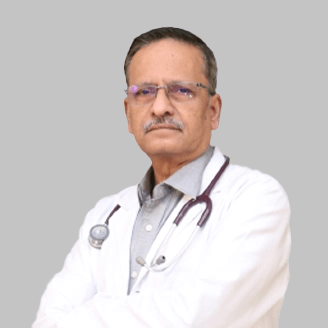
Dr. Sandeep Pandey
MD, DM
Gastroenterology Medical
View More
-
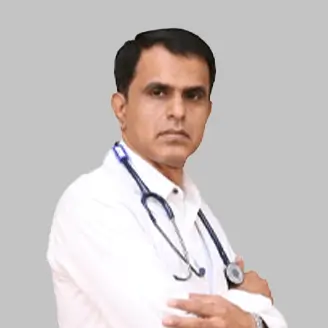
Dr. Lalit Nihal
MBBS, MD, DM
Gastroenterology Medical
View More
-
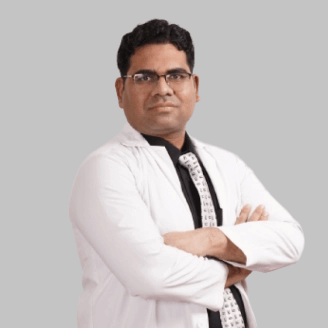
Dr. Surendra Kumar Khunte
MBBS, MD Medicine, DM (Gastroenterology)
Gastroenterology Medical
View More
-
Dr. Ravindra Kale
MBBS, MD (Medicine), DM (Gastroenterology)
Gastroenterology Medical
View More
-
Dr. Neeraj Jain
MBBS, MD, DNB, DM
Gastroenterology Medical
View More
-
Dr. Akash Chaudhary
MBBS, MD, DM
Gastroenterology Medical
View More
-
Dr. Anshuman Singh
MBBS, MD (Medicine), DM (Gastroenterology - IPGMER Kolkata)
Gastroenterology Medical
View More
-
Dr. Bhageerath Raj D
MBBS, MD, DM (Gastro)
Gastroenterology Medical
View More
-

Dr. Charu Sharma
MBBS, DNB, DrNB
Gastroenterology Medical
View More
-

Dr. D.V. Srinivas
MBBS, MD, DM
Gastroenterology Medical
View More
-
Dr. Dillip Kumar Mohanty
MBBS, MD, DNB (Gastroenterology), Fellowship in Advance Endoscopy & ERCP
Gastroenterology Medical
View More
-
Dr. G. Satyanarayana
MBBS, MD (Medicine), DM (Gastroenterology)
Gastroenterology Medical
View More
-
Dr. Ghana Shyam Gangu
MBBS, DNB, DM (Gastroenterology)
Gastroenterology Medical
View More
-
Dr. J. Shravan Kumar
MBBS, MD, (Internal Medicine), DM (Gastroenterology)
Gastroenterology Medical
View More
-
Dr. Karthikeya Raman Reddy
MBBS, MD (General Medicine)
Gastroenterology Medical
View More
-
Dr. Mohit Jain
MBBS, MD (General Medicine), DNB (Gastroenterology)
Gastroenterology Medical
View More
-
Dr. N. Gowtham Kumar
MBBS, MD, DM
Gastroenterology Medical
View More
-
Dr. Raghuram Kondala
MBBS, MD (PGI), DM (G.B PANT)
Gastroenterology Medical
View More
-
Dr. Ramsagar Vidya Sagar
MD, DM
Gastroenterology Medical
View More
-
Dr. Ravi Kiran T
MBBS, MD (General Medicine) , DrNB (Medical Gastroenterology)
Gastroenterology Medical
View More
-
Dr. Rithvik Golla
MBBS (Osmania), MD (PGIMER, Chandigarh), DM (AIIMS, New Delhi)
Gastroenterology Medical
View More
-
Dr. S Jagadeswar
MD(General Medicine), DM(Gastroentrology)
Gastroenterology Medical
View More
-
Dr. Vinit Kahalekar
MBBS
Gastroenterology Medical
View More








Our Locations
CARE Hospitals, a part of the Evercare Group, brings international quality healthcare to serve patients across the world. With 16 healthcare facilities serving 7 cities across 6 states in India, we are counted among the top 5 pan-Indian hospital chains.
-
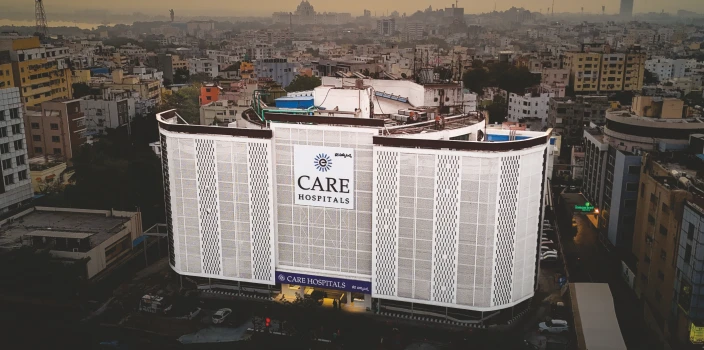
CARE Hospitals, Banjara Hills, Hyderabad
-
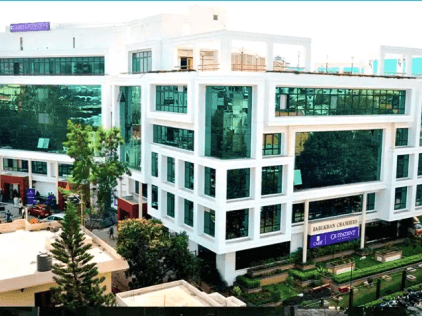
CARE Hospitals Outpatient Centre, Banjara Hills, Hyderabad
-
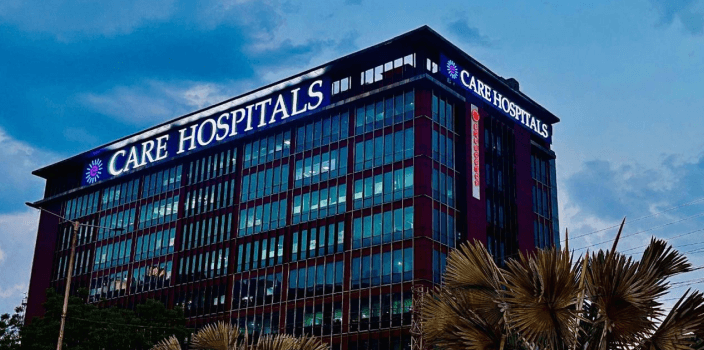
CARE Hospitals, HITEC City, Hyderabad
-
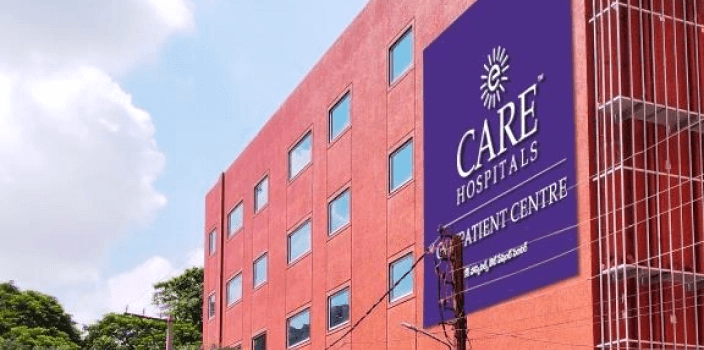
CARE Hospitals Outpatient Centre, HITEC City, Hyderabad
-
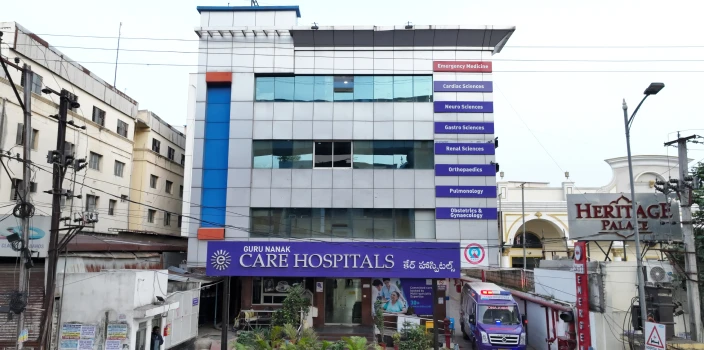
Gurunanak CARE Hospitals, Musheerabad, Hyderabad
-
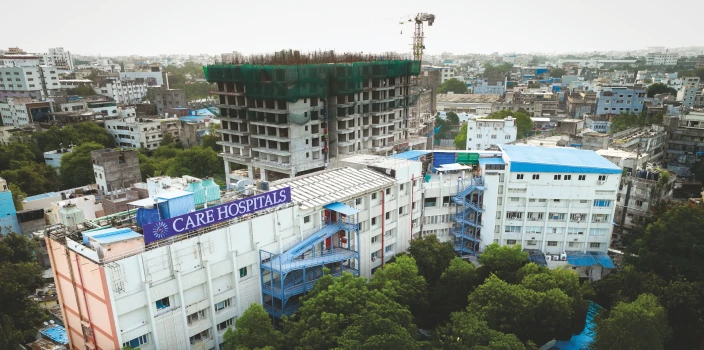
CARE Hospitals, Nampally, Hyderabad
-
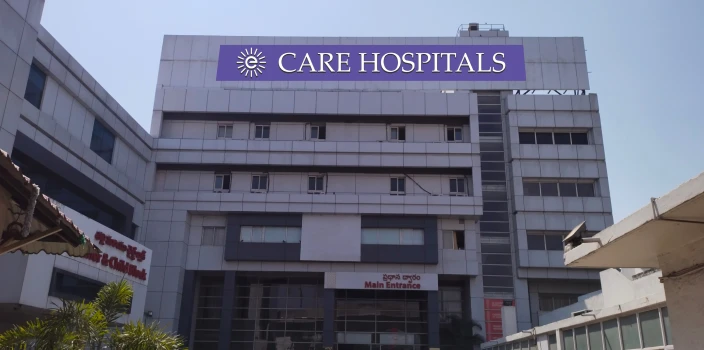
CARE Hospitals, Malakpet, Hyderabad
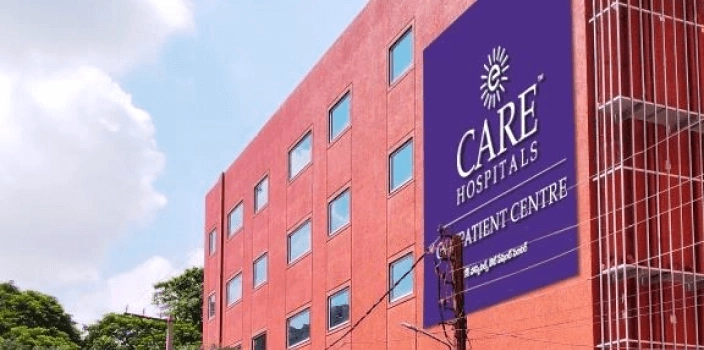
-
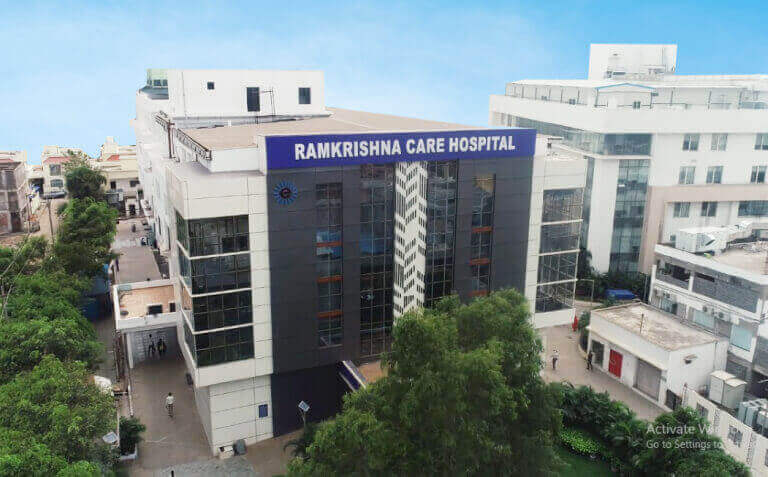
Ramkrishna CARE Hospitals, Raipur
-

CARE Hospitals, Bhubaneswar
-
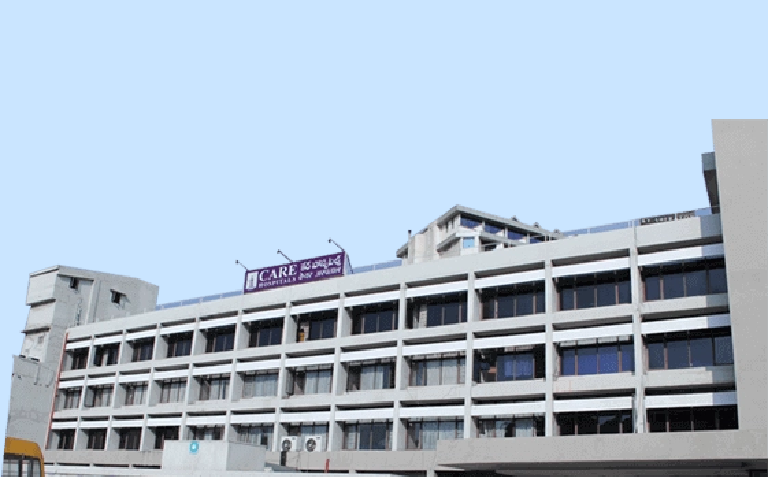
CARE Hospitals, Ramnagar, Visakhapatnam
-
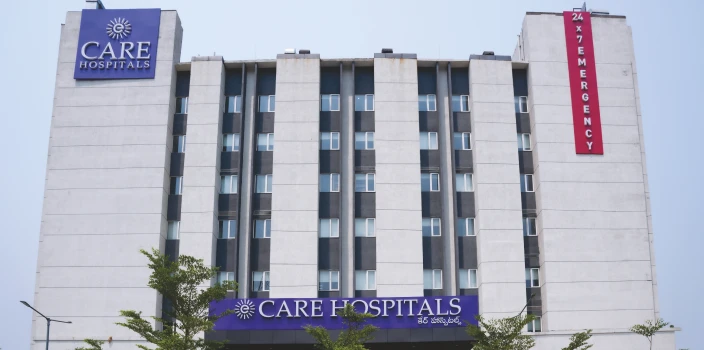
CARE Hospitals, Health City, Arilova
-
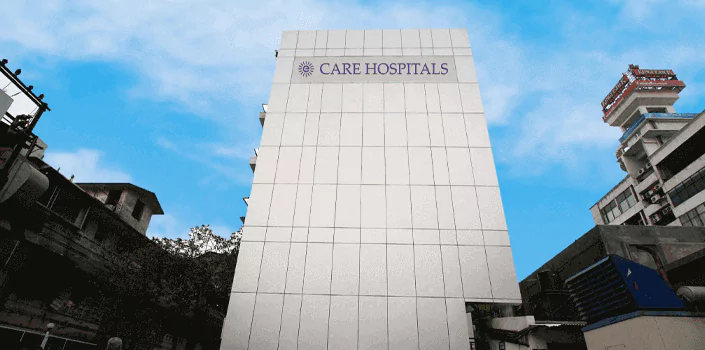
Ganga CARE Hospital Limited, Nagpur
-
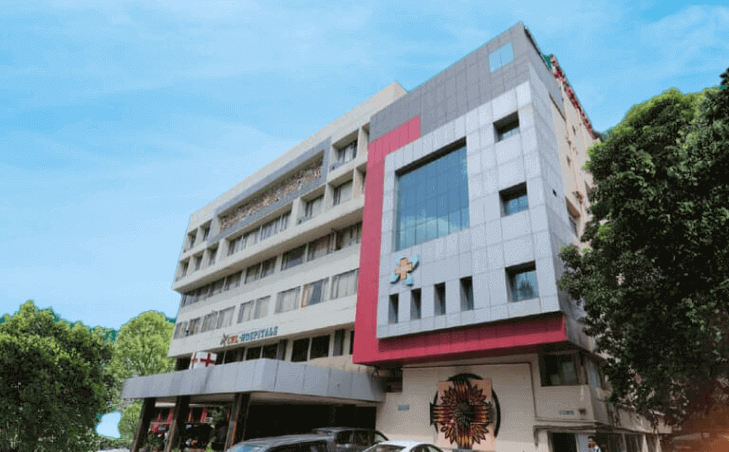
CARE CHL Hospitals, Indore
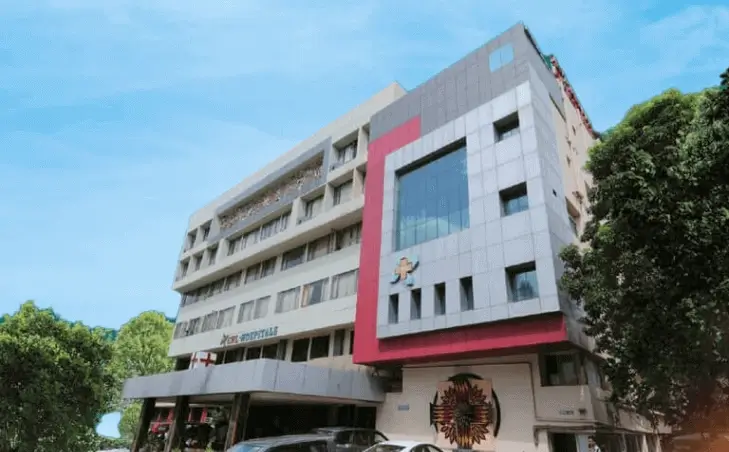
-
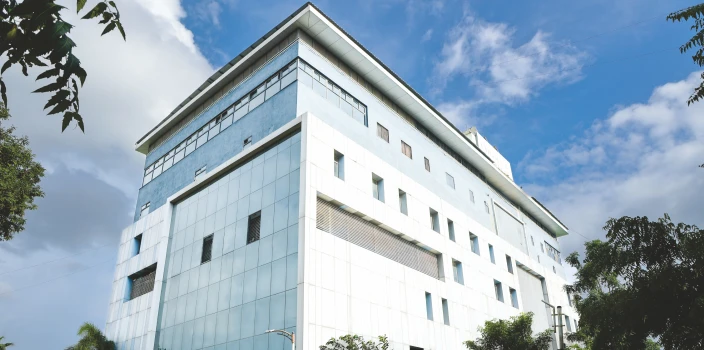
United CIIGMA Hospitals (A unit of CARE Hospitals), Chh. Sambhajinagar
-
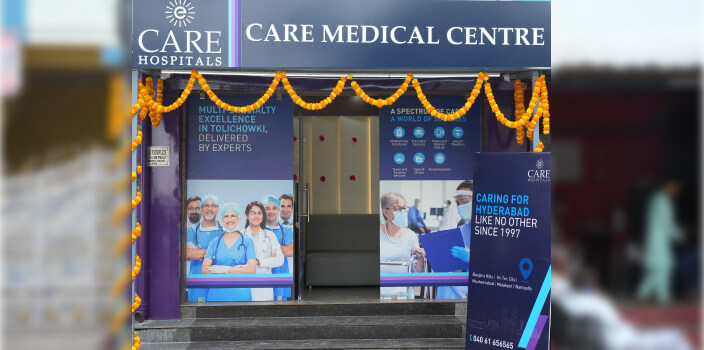
CARE Medical Center, Tolichowki, Hyderabad
Doctor Blogs
-
How to Reduce SGPT Quickly
Getting a blood report back with high SGPT levels can be unsettling. It need prompt action. SGPT, or Serum Glu...
11 February
 Read More
-

Belly Button Pain (Periumbilical Pain): Causes, Treatment and When to See a Doctor
Your belly button, the navel or umbilicus, doesn't serve any purpose once you're born. It's a left...
11 February
Read More
-
12 Effective Home Remedies for Loose Motions
Having loose motions or diarrhoea can disrupt your life. This means frequent watery bathroom trips with stomac...
11 February
Read More
-
Mucus in Stool: Causes, Diagnosis, Treatment and Home Remedies
Do you know what mucus is? It is a slippery substance synthesised by your intestinal lining which lubricates a...
11 February
Read More
-

Gastric Problem: Causes, Symptoms, Prevention & Treatment
Gastric problems represent some of the widespread digestive concerns for individuals of all ages. From mild in...
11 February
Read More
-
Gastritis Diet: Foods to Eat and Avoid
Millions of individuals throughout the world have gastritis, which is a common digestive problem. When the lin...
11 February
Read More
-
Gastroparesis: Symptoms, Causes, Diagnosis and Treatment
Living with gastroparesis can be incredibly challenging, both physically and emotionally. This digestive disor...
11 February
Read More
-

Dysentery: Symptoms, Causes, Diagnosis and Treatment
Infection in the intestines of an individual may give rise to diarrhoea that contains blood and mucus. This le...
11 February
Read More
-
Diet After Gallbladder Removal: What to Eat and What to Avoid
The gallbladder is a small, pear-shaped organ that stores and concentrates the bile made by the liver. Bile wo...
11 February
Read More
-
Grade 1 Fatty Liver: Symptoms, Causes, Treatment and Diet Tips
One of the earliest and mildest stages of fatty liver disease is known as grade 1, or mild hepatic steatosis. ...
11 February
Read More
-
Stomach Ulcer: Symptoms, Causes, Treatment and Home Remedies
Stomach ulcers are painful sores that can develop in the lining of the stomach. These persistent wounds, embed...
11 February
Read More
-

Stomach Flu (Viral Gastroenteritis): Symptoms, Causes, Diagnosis and Treatment
Stomach flu is a common illness that affects the stomach and intestines, causing symptoms like vomiting, diarr...
11 February
Read More
-
Leaky Gut Syndrome: Symptoms, Causes, Diagnosis, and Treatment
Leaky gut syndrome is a medical condition related to the digestive system wherein the intestinal lining leaks ...
11 February
Read More
-
Upper Gastrointestinal (GI) Bleed: Symptoms, Causes, Diagnosis, Prevention and Treatment
Upper gastrointestinal (GI) bleeding occurs when there is bleeding in the upper part of the digestive system, ...
11 February
Read More
-
Hepatitis A: Symptoms, Causes, Risks Factors and Treatment
Liver inflammation can be painful, reddened, and swollen, as is the case with hepatitis. Various viruses of th...
11 February
Read More
-
Pancreatitis: Types, Symptoms, Causes, Prevention and Treatment
The pancreas is an organ located between your stomach and spine. The primary capabilities of your pancreas are...
11 February
Read More
-
How to Stop Diarrhea Fast: 12 Ways to Do
Having frequent and watery bowel movements is known as diarrhoea. This process often causes cramps and a stron...
11 February
Read More
-
Hepatitis C: Stages, Symptoms, Risks, Treatment and Prevention
Hepatitis C is a viral infection caused by the virus named Hepatitis C, which affects the liver and triggers a...
11 February
Read More
-

5 Common Causes of Rectal Bleeding (Blood in Your Stool)
Noticing blood in your stool or seeing bright red blood on toilet paper can be jarring. Although rectal bleedi...
11 February
Read More
-

Hepatitis B: Causes, Symptoms, Diagnosis, Treatment and Prevention
Hepatitis B is a viral infection targeting the liver, capable of leading to both short-term and prolonged illn...
11 February
Read More
-
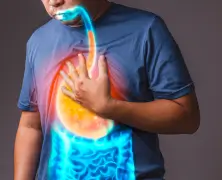
Gastroesophageal Reflux Disease (GERD): Symptoms, Causes, Diagnosis and Treatment
Gastroesophageal reflux disease (GERD) is a chronic stomach problem where acid from the belly goes back up int...
11 February
Read More
-

Dysphagia: Causes, Symptoms and Treatment
Dysphagia is a medical condition that can disrupt the complex, multistage process essential for safe, efficien...
11 February
Read More
-
Peptic Ulcer Disease: Causes, Treatment and How To Prevent
In PUD or Peptic Ulcer Disease, you get painful sore spots in your stomach or small intestine. Usually, if tre...
11 February
Read More
-
Dyspepsia (Indigestion): Symptoms, Causes, Diagnosis, Prevention and Treatment
Gastrointestinal (GI) discomfort is a common affliction that most people experience at some point. Medically t...
11 February
Read More
-
14 Simple Ways to Reduce Bloating
Bloating is an unpleasant feeling of being gassy, swollen, and just plain uncomfortable. While it often goes a...
11 February
Read More
-
16 Foods That are Good for Your Liver
The liver is a major organ that performs a wide range of functions in the body. The liver not only helps to de...
11 February
Read More
-
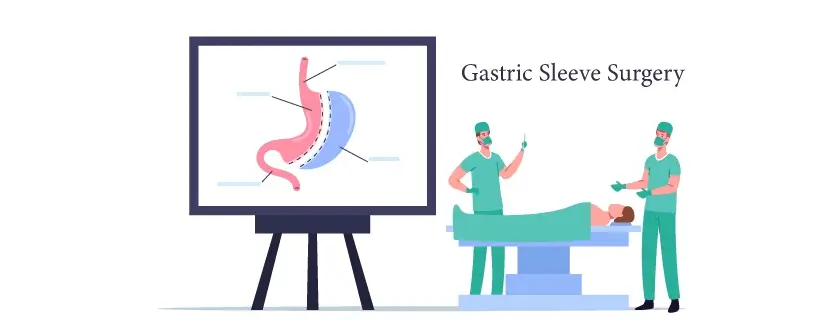
Gastric Sleeve Surgery
One of the increasingly popular ways of tackling obesity is bariatric surgery. It is one of the most popular b...
11 February
Read More
-

5 Common Digestive Problems and Ways to Manage Them
Stomach aches, vomiting, loose bowels and nausea are some of the most symptoms of digestive problems that...
11 February
Read More
-

Natural Remedies to Improve Liver Function
It’s a no-brainer that a healthy liver is a secret to good health while an unhealthy one can result in m...
11 February
Read More
-

5 Signs Your Digestive System Is Not Working Properly
The digestive system is a complex and wide-ranging part of the body. It spans from our mouth all the way ...
11 February
Read More
-
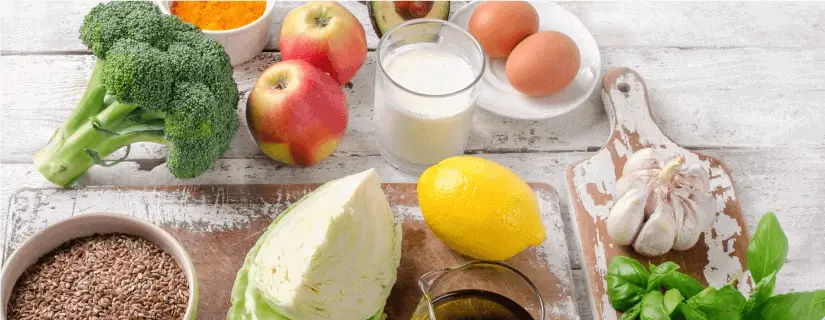
5 Best Foods that Detox or Cleanse Liver
As the biggest gland in the human body, the liver performs many vital functions to keep one well and alive. It...
11 February
Read More
Doctor Videos
-

How is Fatty Liver Diagnosed | Dr. Anshuman Singh | CARE Hospitals, Bhubaneswar
-
Truth behind Social Media Liver Detox | Dr. Dillip Kumar Mohanty | CARE Hospitals, Bhubaneswar
-
Types of Fatty Liver & How to Prevent it | Dr. Anshuman Singh | CARE Hospitals, Bhubaneswar
-

Diet for Healthy Liver | Dr. Dillip Mohanty | CARE Hospitals, Bhubaneswar
-
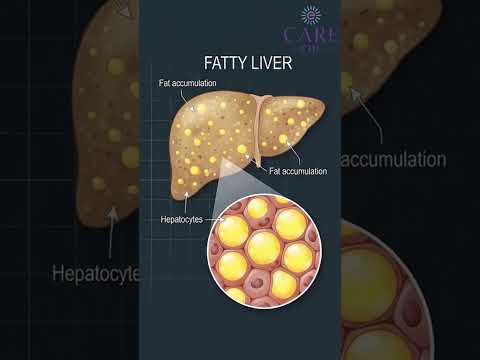
लिवर स्वस्थ तो शरीर मस्त! | CARE CHL Hospitals
-
World Liver Day 2026 | Dr. Anshuman Singh | CARE Hospitals, Bhubaneswar
-
Alcohol & Your Body
-
पेट की लगातार समस्या को नजरअंदाज न करें — IBS की पहचान करें। | CARE CHLHospitals
-
कब्जियत से परेशान? | CARE CHL Hospitals
-
Dr Ravindra Kale indian food
-
When Acidity Is Not Just Acidity? | Dr Akash Chaudhary | CARE Hospitals Banjara Hills
-
The New Year is a time to look after your gut health.
-
The New Year is a time for a stronger digestive health
-

Constipation: Not Just a Joke Anymore | Dr. Akash Chaudhary | CARE Samvaad
-
Jaundice Isn’t Just One Disease | Dr. Akash Chaudhary | CARE Samvaad
-
How do you treat fatty liver? Dr. Karthikeya Raman Reddy | CARE Hospitals, HITEC City
-
What are the Types of Fatty Liver ? Dr. Karthikeya Raman Reddy | CARE Hospitals, HITEC City
-

CARE Samvaad | Ep 22 | Gut Instinct: Digestive & Liver Health Demystified with Dr. Akash Chaudhary
-

CARE Samvaad | Gut Instinct: Demystifying Digestive & Liver Health with Dr. Akash Chaudhary
-
Exercise For Fatty Liver | Dr. Anshuman Singh | CARE Hospitals
-
Facets of Constipation | Dr. Anshuman Singh | CARE Hospitals
-
Understand your Digestive Health | Dr. Anshuman Singh | CARE Hospitals
-
World Liver Day | Dr. Anshuman Singh | CARE Hospitals
-
World Liver Day | Dr Dillip Kumar Mohanty | CARE Hospitals
-
Learn about alcohol-associated liver damage | Dr. Anshuman Singh | CARE Hospitals
-
Learn about fatty liver disease | Dr. Anshuman Singh | CARE Hospitals
-
Constipation Awareness Month | Dr. G. Satyanarayana | CARE Hospitals, Visakhapatnam
-
Constipation Awareness Month | Dr. G. Satyanarayana | CARE Hospitals, Visakhapatnam
-
Peroral endoscopic myotomy (POEM) | Dr. Akash Chaudhary | CARE Hospitals, Banjara Hills
-
Symptoms of Pancreatic Cancer | Dr. Dillip Kumar Mohanty | CARE Hospitals, Bhubaneswar
-
Symptoms of Jaundice | Dr. Akash Chaudhary | CARE Hospitals, Banjara Hills
-
World Hepatitis Day 2024 | Dr. Dilip Kumar Mohanty | CARE Hospitals, Bhubaneswar
-
World Hepatitis Day 2024 | Dr. Anshuman Singh | CARE Hospitals, Bhubaneswar
-
Alcohol-related Liver Disease | Dr. Dilip Kumar Mohanty
-
How is Liver Disease Diagnosed? | Dr Dilip Kumar Mohanty | CARE Hospitals, Bhubaneswar
-
Importance of Hepatitis Vaccines | Dr Dilip Kumar | CARE Hospitals, Bhubaneswar
-
Treatment for Liver Disease | Dr Dilip Kumar Mohanty | CARE Hospitals, Bhubaneswar
-
Is There a Special Diet for Liver Disease? | Dr Dilip Kumar Mohanty | CARE Hospitals, Bhubaneswar
-
Who is most at Risk for Liver Disease or Hepatitis? | Dr Dilip Kumar | CARE Hospitals, Bhubaneswar
-
What are the causes of Hepatitis? | Dr Dilip Kumar Mohanty | CARE Hospitals, Bhubaneswar
-
What to do if you notice blood in stool? | Dr. Dilip Mohanty | CARE Hospitals
-
Gastritis: Causes, Symptoms, Treatment, and Prevention | Dr. Dilip Kumar | CARE Hospitals
-
Constipation: How to Treat It, Causes and Symptoms | Dr. Dilip Kumar | CARE Hospitals
-
Irritable Bowel Syndrome (IBS): Causes, Symptoms, and Treatment | Dr. Dilip Kumar | CARE Hospitals
-
World Hepatitis Day: What Is Viral Hepatitis? Symptoms, Types & Treatment Options| Dr Debashis Misra
-
Alcoholic Hepatitis: Symptoms, Causes, Risks, and Treatment by Dr. Debashis Misra | CARE Hospitals
-
Life after bariatric surgery? explained by Dr. Venugopal Pareek | CARE Hospitals
-
కాలేయ కొవ్వు వ్యాధుల సమస్యలు | Dr. G Satyanarayana | CARE Hospitals


Frequently Asked Questions
Couldn’t find what you were looking for?
Need any help? Get a Call Back.

Still Have a Question?


