



-
Centre of Excellence
Specialties
Treatments and Procedures
 HyderabadCARE Hospitals, Banjara Hills CARE Outpatient Centre, Banjara Hills CARE Hospitals, HITEC City CARE Hospitals, Nampally Gurunanak CARE Hospitals, Musheerabad CARE Hospitals Outpatient Centre, HITEC City CARE Hospitals, Malakpet
 Raipur
 Bhubaneswar
 Visakhapatnam
 Nagpur
 Indore
 Chh. Sambhajinagar
 Clinics & Medical Centers


-

-

-

-

-

-
Follow Us

Ankylosing Spondylitis: Causes, Symptoms, Diagnosis and Treatment
Ankylosing spondylitis is an inflammatory joint condition that stiffens your spine and causes ongoing pain. This condition affects millions of adults, with the majority start noticing symptoms between the ages 17 and 45. This inflammatory disease targets the spine and causes painful episodes that alternate with periods of remission. Genetics plays a major role in who develops this condition. Early ankylosing spondylitis symptoms can be subtle, which is why many people live with unexplained back pain for years before getting answers. This article explains what ankylosing spondylitis is, its mechanisms, and available treatment options. You will also learn about different ankylosing spondylitis tests, when to seek medical attention, and practical strategies to manage this chronic condition.
What Is Ankylosing Spondylitis?
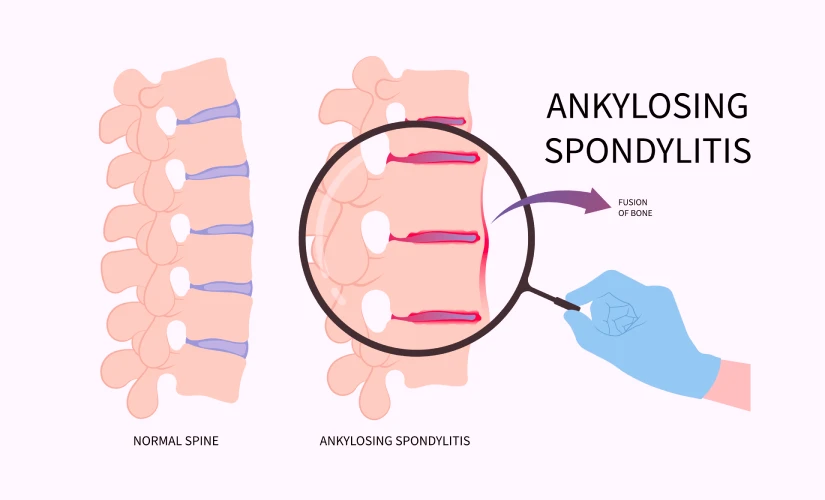
Ankylosing spondylitis is a chronic inflammatory disease that targets the axial spine and causes progressive stiffness with persistent discomfort. The condition affects the spine, sacroiliac joints, peripheral joints and entheses. Inflamed vertebrae produce extra bone that eventually fuses together in serious cases. Doctors sometimes call this "bamboo spine".
What Causes Ankylosing Spondylitis?
The precise cause remains largely unknown. Genetic factors play the most important role, and the HLA-B27 gene shows a strong correlation. The prevalence is low among those who are HLA-B27-positive. This means not all the people with this genetic structure develop ankylosing spondylitis. Scientists believe that environmental factors work with genetics to activate the condition in susceptible individuals. Bacterial infections may be one such factor.
Symptoms of Ankylosing Spondylitis
Chronic back pain and progressive spinal stiffness represent the hallmark features. Patients also experience:
The condition can affect various organs and result in inflammatory bowel disease, acute anterior uveitis, and psoriasis.
Early Signs of Ankylosing Spondylitis
Symptoms develop over several months. Inflammatory back pain worsens during rest and improves with exercise. Pain intensifies in mornings and at night, which disrupts sleep.
Is Ankylosing Spondylitis Serious?
If not treated properly this severe, long-standing disease can cause serious complications. The chronic inflammation in the spine and joints leads to persistent pain, stiffness, and reduced flexibility. As time goes on, it can cause the spine to fuse restricting both movement and posture. Patients are at least twice as likely to experience vertebral fragility fractures.
Diagnosis of Ankylosing Spondylitis
Doctors gather information through medical history, family history review and questions about symptom duration and location. Physical examination checks spine flexibility, posture, joint tenderness and chest expansion during deep breathing.
Diagnostic tests:
- X-rays to detect joint changes (though early disease may not appear visible).
- MRI detects inflammation earlier in the disease process.
- Blood tests measure inflammation markers like C-reactive protein and erythrocyte sedimentation rate.
- The HLA-B27 gene test contributes to diagnosis but isn't definitive (as 80 to 90% of patients carry this gene).
Ankylosing Spondylitis Treatments
Doctors usually prescribe:
- NSAIDs to relieve pain and inflammation
- Biologics target immune responses.
- Physical therapy reduces stiffness and improves posture while strengthening muscles and boosting flexibility.
- Exercise programmes include stretching, core strengthening and low-impact aerobics.
- Surgery may help severe cases with joint damage.
When to See a Doctor for Ankylosing Spondylitis
Consult a doctor if:
- Persistent back pain lasting over three months
- Pain improves with exercise but worsens with rest
- Generalised pain and fatigue along with back pain
- You have a family history of ankylosing spondylitis.
- You develop eye redness, vision changes or pain (indicate related inflammation).
Tips to Prevent Complications of Ankylosing Spondylitis
Ankylosing spondylitis is a long-term illness that needs regular care to avoid serious complications over time. Sticking to good habits and taking medical guidance can help keep you moving and slow down how the disease gets worse. These include:
- Do regular exercise to maintain your mobility.
- Practice good posture (it prevents spinal deformity).
- Adhere to medicines (that controls inflammation) given by your doctor.
- Maintaining a healthy weight decreases stress on the joints.
- Quit smoking.
- Avoid staying inactive for long periods.
Why Choose Our CARE Hospitals for Ankylosing Spondylitis Treatment?
CARE Hospitals provide specialised rheumatology care with expert doctors and advanced diagnostic facilities. We offer personalised treatment plans and detailed physiotherapy services tailored to individual needs. Our team works across multiple specialities to diagnose conditions, manage pain and control diseases over the long term. We aim to maintain movement, lower inflammation, and enhance life quality.
FAQs
1. What is the main cause of ankylosing spondylitis?
Genetics plays the key role, though researchers haven't pinpointed one exact trigger. The HLA-B27 gene appears in the majority of people with this condition. But carrying this gene doesn't guarantee you will develop the disease. Many people have HLA-B27 but never experience symptoms.
2. Is ankylosing spondylitis curable?
No cure exists for ankylosing spondylitis. Treatment focuses on managing symptoms and slowing disease progression. Biologic medications show promise in slowing how the condition advances. Different people respond differently to various medications, so finding the right treatment takes time.
3. What are the early signs of ankylosing spondylitis?
Back pain and stiffness in the lower back and hips appear first. These symptoms worsen in the morning or after sitting still. Other symptoms are:
- Neck pain
- Fatigue
- Vision changes & eye pain
- Stomach discomfort
- Symptoms fluctuate. Periods of intense pain are followed by times when they lessen or disappear.
4. At what age does ankylosing spondylitis start?
Most people develop symptoms before age 45. The condition begins in late adolescence or early adulthood. Symptom onset peaks between ages 20 and 40.
5. Can ankylosing spondylitis lead to paralysis?
Cauda equina syndrome represents a rare complication where compressed spinal nerves cause paralysis. This primarily occurs in people who have had the condition for many years.
6. What type of doctor treats ankylosing spondylitis?
A rheumatologist specialises in treating this condition. Your primary care doctor can refer you to one if symptoms suggest the disease.
7. Is walking good for ankylosing spondylitis?
Walking helps maintain flexibility and reduces stiffness. Gentle movement improves overall mobility without straining your joints. Activities like swimming and yoga also help people people managing this condition.
8. When should I see a doctor for ankylosing spondylitis?
You should see your doctor if:
- Back stiffness persists for more than three months
- Back pain worsens after rest or improves with movement
- You have eye redness or vision problems
- You have unexplained fatigue.
9. What is the first test for ankylosing spondylitis?
Blood tests that check for inflammation markers and the HLA-B27 gene usually happen first. Your doctor may order X-rays or MRI scans to assess spinal changes.
10. What is the final stage of ankylosing spondylitis?
Advanced stages bring spinal fusion, where vertebrae grow together. This creates limited movement and permanent stiffness. With proper management not everyone reaches this stage.
11. What activities should be avoided with spondylitis?
Avoid:
- Heavy lifting
- High-impact sports
- Prolonged sitting
- Contact sports (risk spinal injury)
- Smoking worsens inflammation and speeds disease progression, so quitting helps protect your spine.

Still Have a Question?


