



-
Centre of Excellence
Specialties
Treatments and Procedures
 HyderabadCARE Hospitals, Banjara Hills CARE Outpatient Centre, Banjara Hills CARE Hospitals, HITEC City CARE Hospitals, Nampally Gurunanak CARE Hospitals, Musheerabad CARE Hospitals Outpatient Centre, HITEC City CARE Hospitals, Malakpet
 Raipur
 Bhubaneswar
 Visakhapatnam
 Nagpur
 Indore
 Chh. Sambhajinagar
 Clinics & Medical Centers


-

-

-

-

-

-
Follow Us
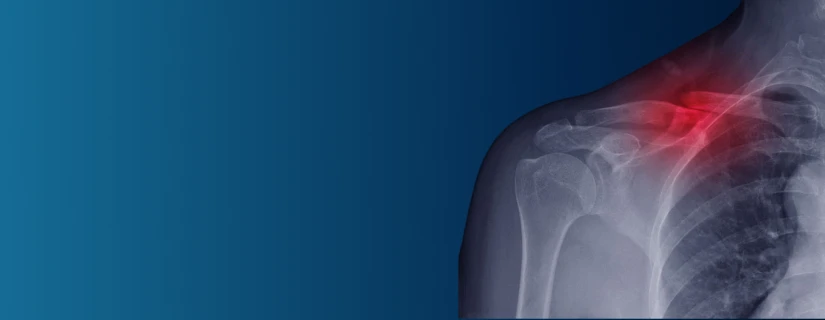
Collarbone Pain: Causes, Symptoms, Diagnosis and Treatment
Collarbone pain generally points to a broken bone. Broken collarbones are among the most common bone fractures. It accounts for about 10% of all bone breaks. These injuries occur during falls, sports activities or traffic accidents. Clavicle pain can stem from various causes beyond fractures. Joint separations and shoulder dislocations are other possibilities. This complete guide explores pain in collarbone in detail to understand what triggers discomfort in the collarbone area. Readers will learn to recognise associated symptoms, understand diagnostic approaches and determine when medical attention is necessary. The guide also discusses preventive strategies to protect this vital bone that connects the shoulder blade to the breastbone.
What Is Collarbone Pain?
The clavicle is a bone with a slight S-shape that links the breastbone to the shoulder blade through two joints. When you talk about collarbone pain with your doctor most of the times its all about discomfort or abnormality restricting your movements. The bone sits just beneath the skin surface. This makes it vulnerable to injuries and pressure-related issues.
Collarbone Pain Causes
Several conditions trigger clavicle pain. These are:
- Joint dislocation: Ligament tears between the collarbone and the shoulder blade cause misalignment particularly on one side (pain in collarbone left side or the collarbone pain right side)
- Osteoarthritis: Cartilage breakdown from wear and tear creates stiffness and persistent aching
- Thoracic outlet syndrome: Compressed nerves and blood vessels between the collarbone and first rib produce radiating discomfort
- Bone infection (osteomyelitis): Bacterial invasion causes deep aching and fever
- Sleeping position: Unusual pressure from side sleeping creates temporary soreness
- Cancer: Tumours or spread to nearby lymph nodes produce pain in specific areas.
Symptoms of Collarbone Pain
Most collarbone conditions cause intense pain. Other associated symptoms are:
- Swelling, bruising and tenderness accompany fractures
- Joint injuries create visible bumps and restricted arm movement
- Grinding sensations occur when you raise your arm
- Osteoarthritis causes stiffness that becomes worse with activity over time.
What Does the Location of Collarbone Pain Indicate?
- Pain near the shoulder suggests AC joint problems or distal clavicular osteolysis from repetitive overhead activities.
- Discomfort at the breastbone end indicates sternoclavicular joint arthritis.
- Pain that radiates to the neck and arm points towards thoracic outlet syndrome.
Diagnosis of Collarbone Pain
Your diagnostic journey starts with a full physical examination. Your doctor will check for tenderness, swelling, any other visible deformities, shoulder range of motion and test neurovascular status (to ensure nerves and blood vessels remain undamaged).
Diagnostic tests:
- X-rays show fracture location and severity.
- Complex cases need CT scans, which provide detailed 3D images that show fragmentation patterns.
- Ultrasound is especially useful for children, as it avoids radiation exposure while maintaining high accuracy.
- Blood tests identify inflammation markers or infections, especially when doctors suspect osteomyelitis.
Treatment for Collarbone Pain
Collarbone pain treatment includes:
- Rest (the foundation of recovery).
- Ice application for 15 minutes (you can do it up to four times daily) reduces swelling.
- Over the counter pain relieving medicines
- Infections require antibiotic treatment
- For fractures and joint dislocations you may need immobilisation through slings or braces and allow natural healing over six to eight weeks
- Physiotherapy to strengthen the surrounding muscles and restore flexibility
- Severe cases may require surgery (in which surgeons realign bones using metal plates or screws).
When to See a Doctor for Collarbone Pain
Consult a doctor if your body is giving sme signals. They are:
- You experience sharp pain in collarbone following falls or accidents
- Pain persists beyond one week or worsens despite home treatment.
- Difficulty moving the arm
- Severe swelling & bruising
- Pain along with fever or numbness in the arm.
Tips to Prevent Collarbone Pain
Wearing protective gear during sports substantially reduces fracture risk. Balance exercises prevent falls, especially for older adults. If your shoulder muscles are strong your joints become stable. With proper posture while working you can reduce strain. If you are into sports go for proper training techniques.
Why Choose Our CARE Hospitals for Collarbone Pain Treatment?
The right medical facility for clavicle pain treatment substantially affects recovery outcomes. At CARE Hospitals our experienced orthopaedic team recognises subtle differences in the causes of collarbone pain and ensures appropriate interventions from the start. Sometimes it is hard to know what is really going on inside a sore shoulder. That is where advanced scans come in. They help spot fractures, joint issues and other problems quickly.
You don’t have to run from place to place for treatments. Our team of surgeons, therapists and pain experts (all work together under one roof). That means less hassle for you and more time to focus on feeling better. We build rehabilitation plans around what you need.
Our emergency services are equipped to handle trauma cases and provide immediate attention when accidents occur. Round the clock availability means patients receive prompt treatment for broken collarbone injuries (reducing complications and improves long term outcomes). Post operative support extends beyond the surgery rooms.
FAQs
1. Is Collarbone Pain Serious?
Severity varies. Fractures and infections require immediate attention, while muscle strains heal with rest.
2. How do I know if my collarbone is fractured?
Intense pain marks fractures. Swelling, bruising, visible deformity, grinding sensations, and inability to lift your arm signal breaks. Your shoulder may sag downward.
3. Can collarbone pain occur without injury?
Yes many conditions can cause collarbone pain without trauma. These are:
- Arthritis
- Infections
- Sleeping positions
- Underlying conditions.
4. How long does collarbone pain last?
Minor injury or muscle strain can cause collarbone pain for a few days to a few weeks. Adults need six to sixteen weeks for fracture healing. Children recover faster, in three to six weeks most of the time. Pain decreases over time.
5. How do I relieve collarbone pain fast?
For fast relief you should:
- Avoid activities and support the arm
- Apply an ice pack for a few minutes
- Take over-the-counter pain relievers.
6. Is collarbone pain related to heart problems?
Heart attacks can cause referred pain felt at the collarbone. Seek emergency care if you experience chest pain, faintness, or shortness of breath along with collarbone pain.
7. What is the recovery time of Collarbone Pain?
Recovery depends on injury severity. Most adults heal within six to twelve weeks. Complete healing may take several months.

Still Have a Question?


