



-
Centre of Excellence
Specialties
Treatments and Procedures
 HyderabadCARE Hospitals, Banjara Hills CARE Outpatient Centre, Banjara Hills CARE Hospitals, HITEC City CARE Hospitals, Nampally Gurunanak CARE Hospitals, Musheerabad CARE Hospitals Outpatient Centre, HITEC City CARE Hospitals, Malakpet
 Raipur
 Bhubaneswar
 Visakhapatnam
 Nagpur
 Indore
 Chh. Sambhajinagar
 Clinics & Medical Centers


-

-

-

-

-

-
Follow Us
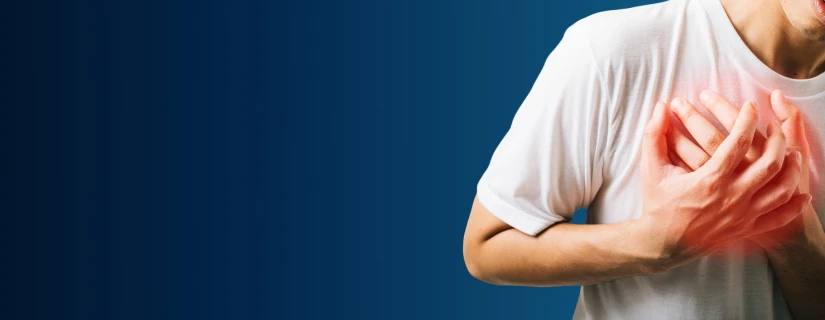
Musculoskeletal Chest Pain: Causes, Symptoms, Diagnosis and Treatment
Chest pain sends millions of people rushing to emergency rooms each year, yet the cause isn't always what they fear. Musculoskeletal chest pain accounts for the majority of these cases, making it the most common cause. This condition involves pain from the muscles, tissues and bones in the chest. Musculoskeletal pain in chest is often mistaken for serious heart problems, which causes anxiety. People who understand musculoskeletal chest pain symptoms can recognise the difference. This piece explores musculoskeletal chest pain causes, how to tell if chest pain is muscular, and treatment options that provide relief and peace of mind.
What Is Musculoskeletal Chest Pain?
Musculoskeletal pain in the chest is discomfort originating from the chest wall structures, such as muscles, bones, cartilage, ligaments & tendons. These structures protect the heart and lungs. The pain occurs from inflammation, injury, or strain to these components.
What Causes Musculoskeletal Chest Pain?
Several factors can cause musculoskeletal pain in chest. These are:
- Muscle strains due to heavy lifting, intense workouts, or repetitive motions.
- Costochondritis (inflammation where the ribs connect to the breastbone).
- Rib fractures from trauma or stress from repetitive activities like rowing.
- Medical conditions like rheumatoid arthritis and ankylosing spondylitis also cause chest wall pain.
Musculoskeletal Chest Pain Symptoms
The discomfort presents distinct characteristics. These are:
- Sharp, stabbing or aching pain in a specific area.
- Pain that intensifies during movement, twisting or reaching overhead.
- Worsening pain when breathing deeply, coughing, or sneezing.
- Tenderness when pressing the affected area.
- Swelling or bruising around the painful region.
How is Musculoskeletal Chest Pain Different from Heart-Related Chest Pain?
Heart-related pain feels like pressure, tightness, or squeezing across the chest. It may radiate to the arm, jaw or back. On the other hand musculoskeletal pain remains localised, worsens with specific movements or touch and responds to position changes. Heart attack pain persists even at rest, while muscular pain hurts when you move the affected area.
Diagnosis of Musculoskeletal Chest Pain
Doctors will ask when symptoms started, how long they last and what activities cause pain. During the physical exam your doctor will press on your chest wall to find tender spots and test how well you can move. They will check if specific movements cause your pain.
Diagnostic tests:
- X-rays to check for rib fractures or other structural issues.
- MRI scans to look at soft tissues (like muscles and cartilage).
- Electrocardiogram (ECG) to rule out heart conditions.
- Blood tests if your doctor suspects inflammatory conditions.
Musculoskeletal Chest Pain Treatment
Most musculoskeletal chest pain responds well to conservative measures like:
- Resting the affected area.
- Apply ice packs for 10 to 20 minutes every 1 to 2 hours for the first 3 days then switch to heat therapy.
- Over the counter pain relievers and NSAIDs for pain and swelling.
- Physical therapy uses manual techniques and stretching exercises.
- Breathing exercises improve mobility and strengthen supporting muscles.
- In severe cases, doctors recommend corticosteroid injections or strong pain medicines.
When to See a Doctor for Chest Pain
Contact a doctor if:
- Chest pain occurs with sweating and shortness of breath.
- Pain spreading to the arms or jaw.
- Pain persists beyond one week
- Pain worsens despite musculoskeletal chest pain home remedies
- Pain occurs with exercise.
Tips to Prevent Musculoskeletal Chest Pain
By adopting healthy preventive strategies you can lower the risk of musculoskeletal related chest pain. These are:
- Maintain proper posture during daily activities.
- Avoid sudden increases in physical activity.
- Take breaks every 20 to 30 minutes during prolonged sitting or standing.
- Wear appropriate sports equipment.
- Stay hydrated and eat a balanced diet.
- Get adequate sleep to support musculoskeletal health.
Why Choose Our CARE Hospitals for Musculoskeletal Chest Pain Treatment?
Dealing with musculoskeletal pain in chest can feel overwhelming, especially when you are unsure whether it is serious. CARE Hospitals offers skilled doctors and modern diagnostic equipment to ensure precise evaluations and reliable treatment for musculoskeletal chest pain. Cardiologists & orthopaedic specialists work together to identify if problems come from chest muscles or the heart. This team based method will give you the right treatment from the start. Our physical therapists guide you through targeted exercises and stretching routines designed to match your condition.
What sets the hospital apart is the focus on education and reassurance. The team takes time to explain findings and teach you techniques to manage symptoms at home. We provide consistent follow ups. Frequent check-ups help track recovery and make changes to treatments if necessary.
FAQs
1. Is Musculoskeletal Chest Pain Serious?
Most cases aren't serious. They heal on their own or with home remedies. But some causes like broken ribs can be serious and require medical attention.
2. What does musculoskeletal chest pain feel like?
The pain may feel sharp or dull. Pain worsens when you move, cough, or breathe deeply. You might notice swelling, bruising, or tenderness when touching the area.
3. How do I know if my chest pain is muscular?
Muscular pain gets worse when you touch a specific area of your chest or make certain movements. It stays in one place and does not spread to other parts.
4. Can anxiety cause musculoskeletal chest pain?
Yes anxiety triggers this pain through hyperventilation during panic attacks. This guides to strain or spasm of intercostal chest wall muscles. Studies show the most important overlap between psychological responses to pain and anxiety.
5. How long does musculoskeletal chest pain last?
Duration varies from a few days to several weeks. Most cases resolve within 1-3 weeks. Some situations persist for 6-12 weeks or longer if the conditions that cause them persist. More than half of patients experience chronic symptoms lasting over 6 months. Broken ribs can take up to 6 weeks to heal.
6. How to get rid of musculoskeletal chest pain?
Apply ice for 10-20 minutes at first then switch to heat therapy after 2-3 days. Take NSAIDs for pain relief. Rest the affected area and perform gentle stretching exercises.

Still Have a Question?


