



-
Centre of Excellence
Specialties
Treatments and Procedures
 HyderabadCARE Hospitals, Banjara Hills CARE Outpatient Centre, Banjara Hills CARE Hospitals, HITEC City CARE Hospitals, Nampally Gurunanak CARE Hospitals, Musheerabad CARE Hospitals Outpatient Centre, HITEC City CARE Hospitals, Malakpet
 Raipur
 Bhubaneswar
 Visakhapatnam
 Nagpur
 Indore
 Chh. Sambhajinagar
 Clinics & Medical Centers


-

-

-

-

-

-
Follow Us

Stomach Pain and Diarrhoea: Causes, Treatment, Home Remedies, and Prevention
Stomach pain and diarrhoea together are among the most common reasons people visit a doctor. Most episodes are short-lived and manageable at home. Some are not. Knowing the difference and knowing what to do while it is happening matters more than most people realize.
What causes diarrhoea and stomach pain at the same time? Usually, something has irritated or infected your digestive tract. Your gut responds by speeding up its movements, pushing contents out faster than normal. That speed causes cramps, loose stools and a general feeling that something is very wrong in your abdomen. This article explains common causes of stomach pain and diarrhoea and how to relieve stomach pain and diarrhoea.
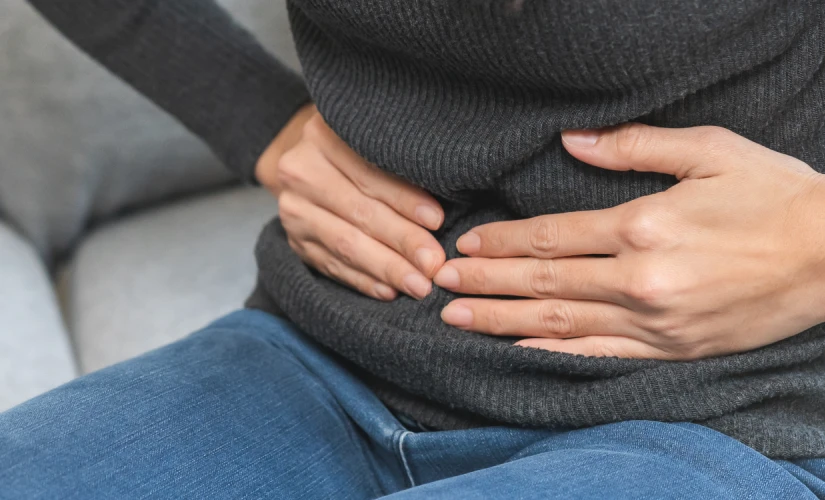
What Causes Diarrhoea and Stomach Pain?
- Infections: Infections are the most common trigger. Viral gastroenteritis (the stomach flu) hits fast and usually clears within two to three days. Bacterial infections from contaminated food or water (Salmonella, E. coli, Campylobacter) tend to be more intense and last longer. Parasitic infections such as Giardia cause a more drawn-out pattern of cramping, bloating and loose stools that can persist for weeks if untreated.
- Food and diet: Food poisoning is a frequent culprit. Bad meat, unwashed produce or undercooked eggs can trigger stomach pain and diarrhoea after eating within hours. Eating too much spicy food, excessive caffeine or drinking alcohol can also trigger it.
- Food intolerances: Lactose intolerance causes severe stomach pain and diarrhoea after dairy. Gluten sensitivity or celiac disease triggers symptoms after wheat, barley or rye.
- Gut conditions: Irritable bowel syndrome (IBS) causes recurring bouts of cramping, diarrhoea and bloating without infection. Inflammatory bowel disease, like Crohn's disease and ulcerative colitis, causes chronic inflammation that leads to frequent loose stools, abdominal pain and sometimes blood in the stool.
- Medications: Antibiotics disturb the natural balance of bacteria in your gut and frequently cause diarrhoea as a side effect. Laxatives, antacids containing magnesium and some blood pressure medications can do the same.
- Stress and anxiety: Your gut and your nervous system are directly connected. Stress activates your body's fight-or-flight response, which speeds up gut motility. Chronic anxiety is a well-recognised trigger for IBS-type symptoms.
Diagnosis
Your doctor will ask when your symptoms started, how many times you are passing stool, what it looks like, what you ate recently, and whether anyone around you is unwell. A physical exam of your abdomen follows.
Depending on your history, tests may include:
- Stool culture: Helps identify bacteria, viruses, or parasites causing infection
- Blood tests: Assess signs of infection, inflammation, dehydration, or electrolyte imbalance
- Colonoscopy or sigmoidoscopy: Examines the inner lining of the colon for inflammation, ulcers, or structural abnormalities
- Hydrogen breath test: Helps detect lactose intolerance or bacterial overgrowth in the intestine.
Treatment for Diarrhoea and Stomach Pain
Your body loses fluids fast with diarrhoea. ORS is what you need first, because water alone cannot replace the electrolytes your body is losing with each episode.
- Medications:
- ORS sachets or electrolyte drinks
- Antidiarrhoeal agents for diarrhoea
- Antispasmodics for abdominal cramps
- Antibiotics (for bacterial infection only, confirmed by stool culture)
- Antiparasitic medications for parasitic infection
- Probiotics
- Diet:
- BRAT diet - Banana, rice, plain toast, boiled potato
- Small meals spread through the day
- Nothing dairy, fried, spicy or caffeinated until fully recovered.
IBS and IBD need a longer-term approach. Your gastroenterologist will put together an ongoing plan once the acute episode settles.
When to See a Doctor for Stomach Pain and Diarrhoea
Most acute cases clear within 48 to 72 hours. Seek medical attention if:
- Diarrhoea lasts more than three days
- Blood or mucus appears in the stool
- Fever above 38.5°C (101.3°F)
- Signs of dehydration: extreme thirst, dark urine, dry mouth, dizziness
- Severe or constant abdominal pain
- Vomiting that stops you keeping fluids down
- Symptoms started after recent travel abroad
- An infant, young child or elderly person is affected
- You have a known health condition affecting immunity
Do not wait if a child under two has diarrhoea and is refusing fluids. Dehydration in young children progresses quickly.
Home Remedies for Stomach Pain and Diarrhoea
For mild cases, try these while your body recovers:
- ORS or coconut water
- Ginger tea
- Banana
- Plain boiled rice
- Warm compress on your abdomen
- Peppermint tea
- Plain curd or yoghurt (unsweetened)
Stay off dairy, spicy food, fried food and alcohol until you have had 24 hours without symptoms. Your digestive system needs rest to recover, so do not rush back to normal eating.
Prevention of Stomach Pain and Diarrhoea
The following good habits prevent the majority of episodes from beginning:
- Wash your hands before eating and after every toilet visit
- Cook meat, eggs and seafood thoroughly
- Skip raw or undercooked food from uncertain sources
- Drink clean, filtered water
- Refrigerate leftovers within two hours of cooking
- Keep kitchen surfaces and utensils clean
- Take probiotics during and after antibiotic courses
- Track your food triggers and avoid them.
Conclusion
Stomach pain and diarrhoea are uncomfortable and disruptive, but most cases resolve quickly with rest, fluids and simple dietary changes. When symptoms are severe, persist beyond a few days, or arrive with fever or blood in the stool, a doctor needs to assess what is causing them. Bacterial and parasitic infections caught early respond well to treatment. The same applies to IBS and IBD. An accurate diagnosis and an ongoing management plan with a gastroenterologist significantly change day-to-day life.
FAQs
1. What to take for stomach pain and diarrhoea?
Start with oral rehydration solution to replace lost fluids. For cramping, an over-the-counter antispasmodic helps. Antidiarrhoeal tablets slow intestinal movement and reduce stool frequency. Avoid self-medicating with antibiotics, as these only work for bacterial causes, and taking them unnecessarily worsens antibiotic resistance. If symptoms are severe or do not improve in two days, see a doctor before taking anything further.
2. How to sleep with diarrhoea and stomach pain?
The left side is better than the right, as it follows the natural curve of your large intestine. A warm compress or hot water bottle on your belly before bed takes the edge off cramps. Do not eat anything heavy in the two hours before you sleep. Keep a glass of water or ORS on your bedside table and sip through the night rather than gulping.
3. How to stop stomach pain and diarrhoea?
Rehydrate first, as fluid loss is the most immediate concern. Follow the BRAT diet (bananas, rice, applesauce, and toast) for the first 24 hours. An over-the-counter antidiarrhoeal can slow things down in the short term. Rest, avoid food triggers, and let your gut recover. If diarrhoea continues beyond 48 hours or is accompanied by fever or blood, stop home management and see a doctor.
4. Can dehydration cause stomach pain and diarrhoea?
Dehydration does not typically cause diarrhoea and is not the result of it. However, severe dehydration can cause intestinal cramping and worsen abdominal pain by disrupting electrolyte balance. In some cases, dehydration causes constipation rather than diarrhoea. If you are already unwell with diarrhoea and not replacing fluids adequately, dehydration will make the stomach pain significantly worse and recovery slower.
5. Can probiotics cause diarrhoea and stomach pain?
In some people, yes particularly in the first few days of starting a new probiotic. As the gut adjusts to the new bacteria, temporary bloating, gas and looser stools can occur. This usually settles within a week. Starting with a lower dose and building up gradually reduces the chance of side effects. If diarrhoea from probiotics is severe or persists beyond two weeks, stop the supplement and consult a doctor.

Still Have a Question?


