



-
Centre of Excellence
Specialties
Treatments and Procedures
 HyderabadCARE Hospitals, Banjara Hills CARE Outpatient Centre, Banjara Hills CARE Hospitals, HITEC City CARE Hospitals, Nampally Gurunanak CARE Hospitals, Musheerabad CARE Hospitals Outpatient Centre, HITEC City CARE Hospitals, Malakpet
 Raipur
 Bhubaneswar
 Visakhapatnam
 Nagpur
 Indore
 Chh. Sambhajinagar
 Clinics & Medical Centers


-

-

-

-

-

-
Follow Us

Frozen Shoulder
Frozen Shoulder
Low-Dose Radiation Therapy for Frozen Shoulder
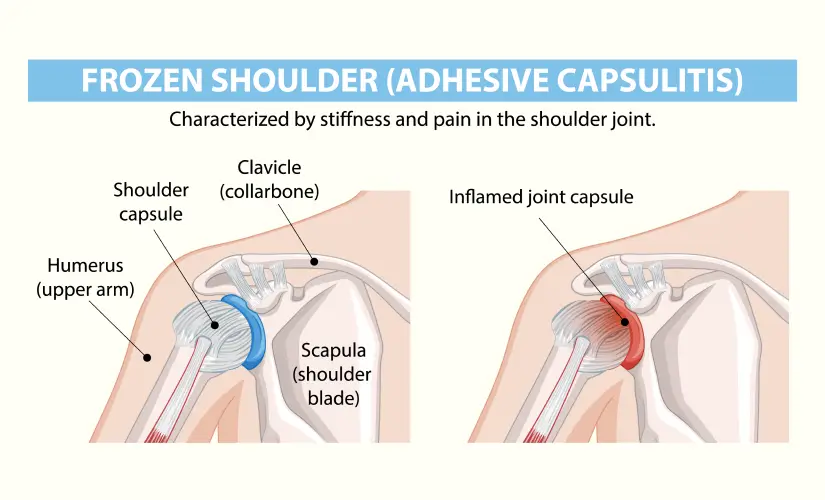
Low-Dose Radiotherapy (LDRT) serves as an excellent non-invasive treatment modality for many benign conditions, including the painful and disabling Frozen Shoulder (Adhesive Capsulitis). Very small and safe radiation doses are used in Low-Dose Radiotherapy, much less compared to those used in treating cancer. This quite mild but very effective treatment method is often applied for inflammation and pain during the most painful early phase of frozen shoulder.
In CARE Hospitals Hyderabad, LDRT is offered as a highly specialized treatment modality for patients suffering from the extremely painful early phase of Frozen Shoulder (Adhesive Capsulitis). The advanced radiation therapy administers low doses of radiation, precisely targeted to reduce inflammation and pain in the shoulder capsule. LDRT works mainly as a fast-relief option, shortening the very painful "freezing" stage, therefore keeping mobility intact and avoiding extended suffering.
How it Works
A high-intensity pain and inflammation level which appears during the freezing phase, can be relieved by applying low doses of radiation to the inflamed shoulder capsule. How LDRT helps are, therefore:
- Reduce Capsular Inflammation: LDRT affects the shoulder capsule by stopping the abnormal function of fibroblast and inflammatory cells, which give rise to severe inflammation that causes thickening and limitation of movement of the joint capsule.
- Reduce Pain and Stiffness: LDRT reduces inflammation and swelling within the joint, thus relieving the sharp and continuous pain. The painful sensations are dulled with the decreased sensitivity of the pain receptors, producing comfort, especially at night when the pain of frozen shoulder makes one feel helpless.
- Prevents Further Fibrosis: Through LDRT, during the more proliferative earlier phase of the condition, a healing environment is provided by preventing further tissue scarring, which results in a more serious and permanent loss of shoulder mobility.
Ideal Candidates for LDRT for Frozen Shoulder
At CARE Hospitals, we specialize in the low-dose radiotherapy treatment of chronic painful benign conditions. You may be an ideal candidate for LDRT in the following cases:
- Early-Stage Frozen Shoulder (Freezing Phase): The treatment is best applied during the freezing phase when it is most painful and before the shoulder is fully "frozen."
- High Pain Levels and Sleep Disruption: Patients loaded with severe pain and suffering to the extent that this pain keeps waking them in the middle of the night qualify as excellent candidates for pain relief.
- Lack of Adequate Pain Relief by Conventional Management: Prior treatment with physical therapy, anti-inflammatory medicines, or steroid injections could not relieve the patient of his or her debilitating pain and inflammation.
Why Try Low-Dose Radiotherapy
Since frozen shoulder is a treatable condition that might persist for a long time beyond the patient's control, looking for treatment alternatives can be quite bothersome. The great thing about low-dose radiation treatments is that it is an option that is low in side effects, non-invasive, and also painless, which helps the healing process. If you are currently dealing with the pain and stiffness associated with frozen shoulder, low-dose radiation treatment may be the soft and painless remedy for reducing inflammation in the joint and regaining some comfort in the shoulder very early.
Why Choose CARE Hospitals for Low-Dose Radiation Therapy (LDRT) for Frozen Shoulder?
CARE Hospitals Hyderabad treats Frozen Shoulder (Adhesive Capsulitis) with Low-Dose Radiation Therapy. The team uses modern equipment and listens to patient concerns while it works to reduce pain plus stiffness. The goal is lasting relief and easier daily movement.
- Expert Team: Our radiation oncologists have used low-dose radiation against chronic pain for over twenty-five years; they have treated more than 20 000 patients with the best outcomes.
- Cutting-Edge Technology: The advanced VersaHD linear accelerator sends a tight beam of radiation into the inflamed shoulder capsule. The dose stays inside the target and spares the nearby skin as well as the chest wall.
- Individualized Treatment Plans: We guarantee that treatment plans will be implemented that are individualized and based on the severity and stage of your frozen shoulder.
- Comprehensive Pain Control: We use low-dose radiation therapy as a major part of our overall approach to frozen shoulder treatment, which will effectively shorten the painful freezing stage and speed recovery.
- Proven Evidence: Patients have reliably achieved considerable alleviation of pain, particularly a reduction in severe nightly pain, which means more comfort and movement.
- Affordable Treatment: LDRT may furnish significant, long-term relief at lower costs than the ongoing costs of repeated physical treatment and/or medications
- Complete Support: From the first appointment through post-treatment follow-up, we offer continuous support and care regarding your frozen shoulder.
Frequently Asked Questions
LDRT works by delivering low doses of radiation to the inflamed shoulder capsule, which effectively reduces the number of inflammatory cells and inhibits the abnormal tissue growth (fibrosis) that causes pain and stiffness.
LDRT is considered to be a powerful intervention in the active inflammatory ("freezing") stage of frozen shoulder, especially when the pain is acute and persistent and severely interrupts sleep.
A typical and beneficial treatment plan for frozen shoulders consists of 6–10 very brief treatment sessions (LDRT) that occur over a couple of weeks to provide the desired anti-inflammatory results.
Improvement is typically progressive; patients usually notice a decrease in their pain and nighttime discomfort 6-12 weeks after the last episode of LDRT.
LDRT often provides somewhat long-lasting relief, with a decrease in pain often lasting several years; for the patient, the goal of LDRT would be to reduce the duration and severity of the usually lengthy condition.
The ideal patient should be in the early, painful, and inflammatory stage of the condition, especially when the standard conservative treatment options have not been successful.
In pregnant women and younger patients, LDRT is typically avoided due to long-term risk factors, although a specialist will ultimately assess the patient's individual risk-benefit ratio.
LDRT is mainly used for symptom relief since it decreases pain and inflammation to assist in shortening the painful phase of the condition. It does not serve as a cure for the underlying disorder.
Yes, it can help control inflammation and pain, thus creating a therapeutic window for physical therapy, which is instrumental in improving and restoring shoulder mobility.
LDRT is generally not used for younger patients due to the theoretical risk of long-term radiation exposure and is reserved for adult and older patients for severe pain.
Still Have a Question?


