



-
Centre of Excellence
Specialties
Treatments and Procedures
 HyderabadCARE Hospitals, Banjara Hills CARE Outpatient Centre, Banjara Hills CARE Hospitals, HITEC City CARE Hospitals, Nampally Gurunanak CARE Hospitals, Musheerabad CARE Hospitals Outpatient Centre, HITEC City CARE Hospitals, Malakpet
 Raipur
 Bhubaneswar
 Visakhapatnam
 Nagpur
 Indore
 Chh. Sambhajinagar
 Clinics & Medical Centers


-

-

-

-

-

-
Follow Us

Pulmonology
Pulmonology
Best Lungs & Pulmonology Hospital in Hyderabad
- Expert Pulmonologists & Lung Care Specialists
- Targeted Treatment of Asthma, COPD, ILD & Complicated Respiratory Disease
- 24/7 Pulmonary Critical Care & Acute Respiratory Unit
- Enhanced Respiratory Management- Invasive Mechanical Ventilation, Non-invasive Ventilation (NIV), High Flow Nasal Oxygen (HFNO), & ICU Support
- Comprehensive Programs for Asthma, COPD, Tuberculosis, and Pulmonary Rehabilitation.
- Bronchoscopy Suite for Diagnostic and Therapeutic Procedures (BAL, Biopsy, Foreign Body Removals)
- Interventional Pulmonology - EBUS, Cryotherapy, Airway Stenting, Lung Volume Reduction, Thoracoscopy
- Comprehensive Pulmonary Diagnostics: PFT, Spirometry, DLCO, FeNO, Allergies, and Sleep Studies
- Sleep Medicine and Sleep Apnea Clinic: Polysomnography, CPAP/BiPAP Titration, & Sleep Disorders
- Specialty Management for Lung Infections, Pleural Disease, ARDS, and Post-COVID Complications
Pulmonology is the discipline of medical sciences dealing with the ailments of the respiratory system. CARE Hospitals is regarded as the best pulmonology hospital in Hyderabad and offers an unparalleled range of holistic health care services for patients with respiratory disorders. At CARE Hospitals, our Pulmonologists are well proficient in the pulmonology department and are dedicated to working round the clock towards diagnosis, treatment and management of Pulmonary illnesses in patients of all ages with a wide spectrum of medical needs. Pulmonologists at CARE Hospitals are well adept with the latest technology and techniques for the treatment of Pulmonary problems.
We provide unique respiratory care, and our Pulmonologists are well experienced and prepared to treat and manage critically ill patients with the latest tests, procedures, services, and minimally invasive treatments. We also provide rehabilitation for patients to improve lung function and closely monitor patients during their hospital stay for identifying any postoperative complications.
Why Choose CARE Hospitals for Pulmonology Services
CARE Hospitals is one of the leading centers for advanced pulmonology and respiratory care in Hyderabad. With a multidisciplinary team, cutting-edge diagnostic technology, and comprehensive treatment programs, our Pulmonology department delivers world-class care for all lung and respiratory conditions—from common breathing disorders to life-threatening critical illnesses. Below are the key reasons to choose CARE Hospitals for expert pulmonology care:
- Expert Pulmonology Team: Highly experienced pulmonologists, interventional specialists, sleep experts, and respiratory therapists providing comprehensive lung care.
- Advanced Lung Imaging & Diagnostics: We provide HRCT chest imaging, digital X-ray, PFT, DLCO, FeNO, allergy testing, and sleep studies to improve and expedite accurate diagnosis.
- Interventional Pulmonology Expertise: EBUS, cryobiopsy, airway stenting, bronchial thermoplasty, and lung volume reduction therapies for minimally invasive procedures.
- Advanced Bronchoscopy Unit: The bronchoscopy room at our facility has very thin bronchoscopy tubes (bronchoscopes) and has India's first use of the EVIS-X1 Artificial Intelligence (AI)-assisted system for specific diagnostics and as a comprehensive platform for targeted bronchoscopy procedures.
- Ongoing Pulmonary Emergencies: 24 hours a day, seven days a week, we provide emergency treatments for acutely ill patients with respiratory failure due to a serious asthma attack, COPD, or severe lung infections.
- Respiratory Therapies: Our Intensive Care Unit (ICU) has the capability of providing invasive ventilation, non-invasive ventilation, high-flow oxygen therapy, and continuous care of the respiratory dyspneic patient.
- Long-Term Asthma & COPD Therapy Program: We have established a long-term care program for patients suffering from either asthma or COPD that emphasizes proper use of inhaled medications as the primary mode of therapy. We also offer pulmonary rehabilitation programs and preventive care for patients with these illnesses.
- Interstitial Lung Disease/Lung Fibrosis Clinics: We have an in-depth understanding of how to determine and treat patients with interstitial lung disease (ILD), lung fibrosis, sarcoidosis, and the various autoimmune lung diseases.
- Sleep Medicine-Sleep Apnea Study Center: Our Sleep Study Center conducts overnight polysomnographic (PSG) studies of how patients sleep and provides the management of CPAP/BiPAP therapy for those suffering from obstructive sleep apnea or other types of sleep-related breathing disorders.
- TB & Infectious Lung Diseases: Comprehensive care of TB, multi-drug resistant TB, pneumonia, bronchitis, viral lung infections, and post-COVID issues.
- Advanced management of pleural disease: Thoracentesis, pleurodesis and chest tube management and minimally invasive management of pleural effusion and pneumothorax.
- Pediatric Pulmonology Services: We care for the babies & children who suffer from asthma, allergies, infections that return, or airways that formed incorrectly at birth (congenital anomalies).
- Pulmonary Rehabilitation Programs: Each patient receives a plan that teaches slow breath work, hands-on physiotherapy, and daily-life guidance - the aim is to lift lung power for years ahead.
- Multidisciplinary Lung Care: Lung doctors, intensive care doctors, radiologists, cardiologists, and rehab staff meet as one team to plan every step of care.
- High Success Rates & Patient-Focused Care: Advanced technology, expert clinicians, and compassionate support ensuring superior respiratory outcomes.


Conditions Treated
CARE Hospitals provides care for a large spectrum of lung diseases and has kept a team of top pulmonologists in Hyderabad who ensure that each patient receives thorough and personalized treatment. The list of typical conditions treated includes:
- Chronic Obstructive Pulmonary Disease (COPD): This is a chronic lung disease that causes breathing problems. COPD often develops as a result of smoking or exposure to lung irritants in the environment.
- Asthma: Asthma is a chronic inflammatory disease of the airways that causes wheezing, shortness of breath, and chest tightness.
- Pneumonia: Pneumonia is an infection that causes inflammation in the air sacs of the lungs. Symptoms may include cough, fever, and trouble breathing.
- Tuberculosis (TB): Tuberculosis (TB) is a bacterial infection that most commonly affects the lungs. Symptoms include a persistent cough, weight loss, fever, and night sweats.
- Lung Cancer: Lung cancer is uncontrolled cell growth within lung tissue. Lung cancer is most often associated with smoking and the inhalation of carcinogenic materials. Symptoms may include cough, chest pain, and trouble breathing.
- Interstitial Lung Disease (ILD): Interstitial lung disease (ILD) is a group of diseases that result in scarring (fibrosis) of the lung tissue, resulting in coughing, trouble breathing, and low oxygen levels.
- Sleep Apnea: Sleep apnea is a sleep disorder that is characterized by breathing that stops and restarts frequently while asleep. Sleep apnea can lead to fatigue and other health complications.
- Pulmonary Fibrosis: Pulmonary fibrosis is a condition in which lung tissue becomes thickened and scarred, which leads to problems breathing and a decreased capacity of the lungs to function well.
- Bronchitis: Bronchitis is an inflammation of the bronchi (large airways in the lungs) that results in cough and associated production of phlegm.
- Cystic Fibrosis: Cystic Fibrosis is a hereditary condition that leads to the excessive buildup of mucus in the lungs, causing serious lung and digestive issues.
- Pulmonary Hypertension: Left untreated, the elevated blood pressure in the arteries of the lungs can result in heart failure and other complications.
- Emphysema: Emphysema is a kind of COPD, or chronic obstructive pulmonary disease, that destroys the alveoli (or air sacs) in the lungs, thus causing difficulty breathing because the body could be getting an insufficient amount of oxygen as the result of broken-down alveoli.
- Respiratory Infections: These respiratory infections can involve many different kinds of infections, which may include, but are not limited to, respiratory viral infections such as influenza, respiratory bacterial infections like pneumonia, or other respiratory infections caused by fungal infections like aspergillosis.
- Pleural Effusion: Pleural effusion refers to excess fluid buildup between the pleura, or lung lining, that can cause chest pain and difficulty in breathing.
- Lung Transplantation: Lung transplantation involves replacing a diseased or failing lung with a healthy donor lung, primarily due to severe lung disease such as pulmonary fibrosis, emphysema, or COPD.
- Bronchiectasis: A condition where the airways are abnormal and dilated that can cause chronic cough, sputum, and respiratory infections.
- Alpha-1 Antitrypsin Deficiency: Alpha-1 Antitrypsin Deficiency is a hereditary disorder that raises the chance of lung pathologies (emphysema) and liver illnesses due to a shortage of a protective lung protein.
- Pulmonary Embolism: Pulmonary embolism is a blockage in one of the pulmonary arteries in the lungs, usually a blood clot that has traveled from the leg (from deep vein thrombosis).
- Sarcoidosis: Sarcoidosis is an inflammatory disease that can involve the lungs and cause people with this condition to form clusters of cells known as granulomas, which would cause further injury to the lungs.
- Asbestosis: Asbestosis is a lung disease caused by inhalation of the asbestos fibers, which causes scarring and shortness of breath, and is generally diagnosed in people who have worked with or around asbestos at some point in their lives.
- Vocal Cord Dysfunction (VCD): Vocal Cord Dysfunction (VCD) is another condition where the person's vocal cords are malfunctioning, causing the patient to have difficulty breathing or "choke" or "gasp" for air.
- Acute Respiratory Distress Syndrome (ARDS): ARDS is a severe condition that occurs when the lungs become inflamed and fill with fluid, affecting the ability to breathe. It is typically caused by trauma, infections, or pneumonia.
- Hypoxemia: Hypoxemia refers to a medical condition in which the blood oxygen levels are reduced, usually as a result of lung diseases or any other medical issues that may interfere with the performance of the lungs.
- Chronic Cough: A cough that is still present after 8 weeks can be associated with asthma, GERD, post-nasal drip, or chronic bronchitis.
- Lung Abscess: A lung abscess is a cavity filled with pus in the lungs due to an infection.
- Pneumothorax: Pneumothorax is defined as a collapsed lung. It occurs when air leaks into the area between the lung and chest wall, leading to severe chest pain and trouble breathing.
- Wheezing & Shortness of Breath: Wheezing, as seen in asthma, COPD, and allergic reactions, can result in trouble breathing and discomfort.
- Respiratory Failure: Respiratory failure occurs when the lungs do not provide enough oxygen for the body or remove enough carbon dioxide, which is often a medical emergency.
Advanced Diagnostics & Technology at CARE Hospitals
At CARE Hospitals, our advanced diagnostic equipment and innovative facilities allow for accurate assessment, early intervention, and effective management of complex respiratory diseases. Our pulmonology department is equipped with modern, high-accuracy tools that make possible thorough assessment and advanced management for every patient.
- Advanced Diagnostics
- High Resolution CT (HRCT) Chest: A methodology whereby images of lung tissues can be captured with high detail to "rule out" interstitial lung disease, growth, chronic infection, and more subtle abnormalities.
- Digital Chest X-Ray: A digital X-ray is a fast and high-quality imaging method used to diagnose lung infections, fluid, fractures, and gross structural changes.
- Pulmonary Function Tests (PFTs): A full set of tests that evaluate lung volume and airflow which provide the capacity of lungs to diagnose asthma, chronic obstructive pulmonary disease (COPD), and restrictive diseases.
- Spirometry: A common simple test used to evaluate airflow obstruction to diagnose asthma and chronic obstructive pulmonary disease (COPD).
- DLCO (Diffusion capacity test): This measures gas exchange, or oxygen transfer, between functional lung alveoli and surrounding vasculature/vasculature. This is especially important for evaluating patients with ILD or pulmonary vascular diseases.
- Arterial Blood Gas (ABG) Analysis: A test that shows how much oxygen and carbon dioxide are in the blood plus what the blood acid level is - the doctor can judge how well the lungs work and whether breathing is impaired.
- Polysomnography (sleep study): The patient stays overnight while machines record breathing, heart rate but also brain waves to find out if the person stops breathing or has other breathing problems while asleep.
- Bronchoscopy (Flexible & Rigid): The doctor slides a thin viewing tube through the nose or mouth into the windpipe to look for tumors, infection, bleeding or anything that blocks the airway.
- Endobronchial Ultrasound (EBUS): A bronchoscopy technique that uses targeted ultrasound to obtain more accurate biopsies of lung masses and lymph nodes.
- CT-Guided Lung Biopsy: Provides a high degree of accuracy for obtaining tissue sampling for diagnosing cancer, interstitial lung disease (ILD), and chronic infections.
- Allergy Testing (Skin & Blood Tests): This identifies triggers for worsening asthma, allergic rhinitis, and chronic cough.
- Ventilation–Perfusion (V/Q) Scan: Tests both airflow and blood flow in the lungs; often used to detect pulmonary embolism.
- 6-Minute Walk Test (6MWT): Tests the ability to exercise and the degree of oxygen desaturation in patients with chronic obstructive pulmonary disease (COPD), interstitial lung disease (ILD), and pulmonary hypertension.
- Ultrasound Thorax: A non-invasive test used to check for pleural effusion, lung consolidation, or abnormalities of the chest wall.
- State-of-the-Art Facilities
- Premium Mechanical Ventilators: Aid patients with respiratory failure through more complex modes of support while also providing individualized lung protective strategies.
- Non-Invasive Ventilation (NIV): CPAP and BiPAP devices that offer assistance with breathing techniques without intubation.
- High-Flow Nasal Cannula (HFNC) Therapy: Provides heated and humidified oxygen at high flow rates for acute respiratory distress.
- Advanced ICU Monitoring Systems: Monitor lung function, oxygenation, and various ventilation parameters in real-time for very critical patients.
- Airway Clearance Devices: These include oscillatory vests and positive expiratory pressure (PEP) devices for airway clearance in patients with bronchiectasis & cystic fibrosis.
- Lightweight, Portable & Home Oxygen Therapy Units: Concentrators and cylinders that are light in weight, providing ongoing oxygen for patients with chronic lung disease.
- Video Laryngoscopy Systems: These are employed for improved accuracy and safety of intubation and airway management.
- Ultrasound-Guided Thoracentesis Equipment: Safely removes pleural fluid with precision and less discomfort.
- Nebulization Therapy Systems: Delivers medications directly into the lungs for immediate symptomatic relief of asthma and COPD.
- ECMO (Extracorporeal Membrane Oxygenation): A sophisticated life-support method used for patients in severe respiratory failure that cannot be properly ventilated.
Interventional Pulmonology & Lung Procedures at CARE Hospitals
CARE Hospitals offers a wide range of interventional and surgical pulmonology procedures that are aimed at caring for challenging airway, lung, and pleural issues. Our pulmonology team delivers the highest standard of patient safety, effectiveness, and performance, delivering all the latest minimally invasive techniques and state-of-the-art respiratory care systems.
- Airway & Bronchoscopic Interventions
- Therapeutic Flexible Bronchoscopy: This is used to extract mucus plugs, treat airway infections, control bleeding, and remove obstructions.
- Rigid Bronchoscopy: This allows removal of large foreign bodies, tumor debulking, and clearing of the most significant airway obstructions.
- Airway Stent Placement (Metal/Silicone): This keeps obstructed or narrowed airways open due to tumors, strictures, or tracheomalacia.
- Endobronchial Tumor Debulking (Laser / Cryotherapy / Electrocautery / APC): Treats or removes airway obstruction to restore airflow and improve symptoms.
- Endobronchial Balloon Dilation: Endobronchial dilation dilates narrowed airways due to scarring or inflammation to facilitate breathing.
- Cryotherapy (Therapeutic): Cryotherapy freezes and removes abnormal airway tissue, tumors, or granulation without instrumentation injury to surrounding structures.
- Argon Plasma Coagulation (APC): A non-contact thermal therapy to treat bleeding or remove airway lesions.
- Endobronchial Valve Placement: One-way valves that reduce lung hyperinflation in selective COPD or emphysema patients.
- Bronchial Thermoplasty: Delivers controlled heat to reduce excess airway smooth muscle in patients with severe asthma.
- Foreign Body Removal via Bronchoscopy: This is indicated for the safe removal of any airway foreign body.
- Pleural & Lung Therapeutic Procedures
- Thoracentesis (Pleural Tap): A pleural tap that removes excess pleural effusion to alleviate breathlessness and drain pleural effusions.
- Chest Tube/Intercostal Drain (ICD) Insertion: This is recommended to drain air, pus, or fluid in patients with pneumothorax, empyema, or hemothorax.
- Pleurodesis (talc or chemical): This prevents recurrent pneumothorax or pleural effusion by 'gluing' or sealing the parietal and visceral pleural layers.
- Medical Thoracoscopy (pleuroscopy—therapeutic): This is a minimally invasive procedure to drain effusion, break up adhesions, and treat other pleural diseases.
- Video-Assisted Thoracoscopic Surgery (VATS): This keyhole surgery is indicated to manage pneumothorax, pleural disease, lung nodules, biopsy, and wedge resection.
- Lung volume reduction surgery (LVRS): This removes part/function of diseased lung to improve breathing in selected COPD patients.
- Pleural catheter insertion (indwelling catheters): This is employed to drain the recurrent malignant pleural effusion.
- Decortication (VATS or Open): This is mainly suggested for the removal of fibrous pleura tissue in case of chronic empyema in order to allow the lung to expand.
Our Expert Team of Pulmonologists
At CARE Hospitals, our team of highly skilled pulmonologists have years of experience in the diagnosis, treatment, and management of a broad spectrum of conditions affecting both the lung and respiratory systems. With advanced training in interventional pulmonology, critical care and respiratory medicine, our specialists are able to provide high levels of care both to patients with complex needs, as well as more routine, urgent and chronic presentations of lung and respiratory conditions.
Our pulmonologists work collaboratively with multi-disciplinary teams and use the latest in technology and evidence-based treatment protocols to provide individualized care for each patient. Whether it be a minimally invasive procedural intervention to address the needs of the airway or providing the latest in advanced respiratory therapies, the CARE Hospital team is there to improve lung health and quality of life for every patient who trusts us with their care.
CARE Expertise
Our Doctors
-

Dr. Sushil Jain
MBBS, DTCD, DNB
Pulmonology
View More
-

Dr. Girish Kumar Agrawal
DNB (Respiratory Disease), IDCCM, EDRM
Pulmonology
View More
-

Dr. A Jayachandra
MBBS, DTCD, FCCP Special training in Med. Thoracoscopy Marseilles France
Pulmonology
View More
-

Dr. Damodar Bindhani
MBBS, MD (Chest & Respiratory Diseases)
Pulmonology, Critical Care Medicine
View More
-

Dr. Diti V Gandhasiri
MBBS, MD, DNB (Respiratory Medicine)
Pulmonology
View More
-

Dr. Faizan Aziz
Mbbs, MD Pulmonology, FIIP[ Fellowship In Interventional Pulmonology, Italy, Europe ]
Pulmonology
View More
-

Dr. G. Anil Kumar
MBBS, DNB (Pulmonary Medicine)
Pulmonology
View More
-

Dr. K Sailaja
MBBS, MD
Pulmonology
View More
-

Dr. Ketan Malu
MBBS, DNB (Respiratory Medicine), EDARM (Europe), Fellowship in Respiratory Medicine (UK)
Pulmonology
View More
-

Dr. MD. Abdullah Saleem
iMBBS, MD, FCCP (USA)
Pulmonology
View More
-

Dr. Mohammed Mukarram Ali
MBBS, DTCD, FCCP
Pulmonology
View More
-

Dr. Mohammed Vaseem
MBBS, MD, FCCP (USA)
Pulmonology
View More
-

Dr. Nitin Chitte
MBBS, DNB (Pulmonary Medicine), EDARM (Europe)
Pulmonology
View More
-

Dr. P V Sivaram
MBBS, MD, Post Doctoral Fellowship (CMC Vellore)
Pulmonology
View More
-

Dr. Sandeep Raj Bharma
MBBS, MD (Pulmonary Medicine), Fellowship (Pulmonary Medicine), Fellowship(sleep medicine)
Pulmonology
View More
-

Dr. Sanjib Mallick
MBBS, MD Pulmonary Medicine
Pulmonology
View More
-

Dr. Sathish C Reddy S
MBBS, MD, DM (Pulmonary Medicine)
Pulmonology
View More
-

Dr. Sudheer Nadimpalli
MD (Resp. Med), MRCP (UK), FRCP (Edinburgh)
Pulmonology
View More
-

Dr. Sudhir Prasad
MBBS, MD, EDARM (Europe), FCCP (USA)
Pulmonology
View More
-

Dr. Suhas P. Tiple
MBBS, TDD, DNB (Respiratory Diseases), CTCCM (ICU Fellowship), CCEBDM
Pulmonology
View More
-

Dr. Syed Abdul Aleem
MBBS, DTCD, DNB (RESP. Diseases),MRCP (UK) (RESP. MED.)
Pulmonology
View More
-

Dr. T L N Swamy
MBBS, MD (Respiratory Diseases)
Pulmonology
View More
-
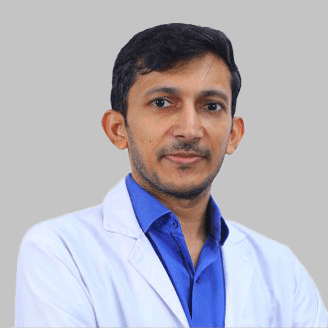
Dr. V N B Raju
MBBS, MD
Pulmonology
View More
-

Dr. V. Raja Manohar Acharyulu
MBBS, DNB (General Medicine), DM (Pulmonary, Critical Care & Sleep Medicine) AIIMS
Pulmonology
View More
-

Dr. Venkatesh Vulli
MBBS, MD (Pulmonary Medicine), EDARM, AAS, AAAIC
Pulmonology
View More






















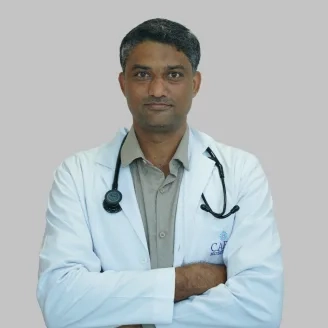
Our Locations
CARE Hospitals, a part of the Evercare Group, brings international quality healthcare to serve patients across the world. With 16 healthcare facilities serving 7 cities across 6 states in India, we are counted among the top 5 pan-Indian hospital chains.
-
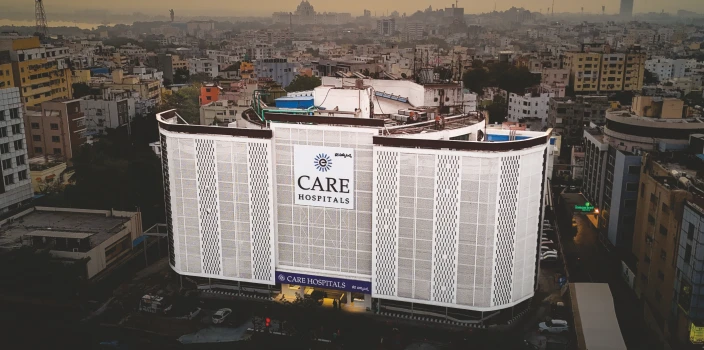
CARE Hospitals, Banjara Hills, Hyderabad
-
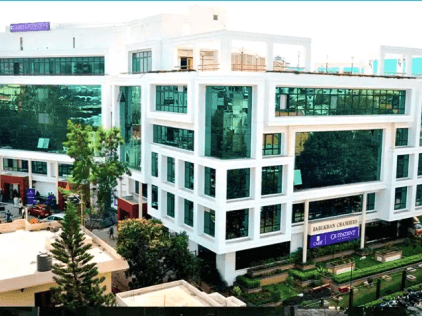
CARE Hospitals Outpatient Centre, Banjara Hills, Hyderabad
-
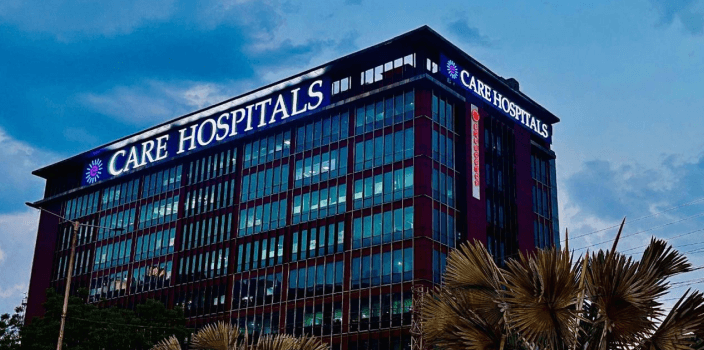
CARE Hospitals, HITEC City, Hyderabad
-
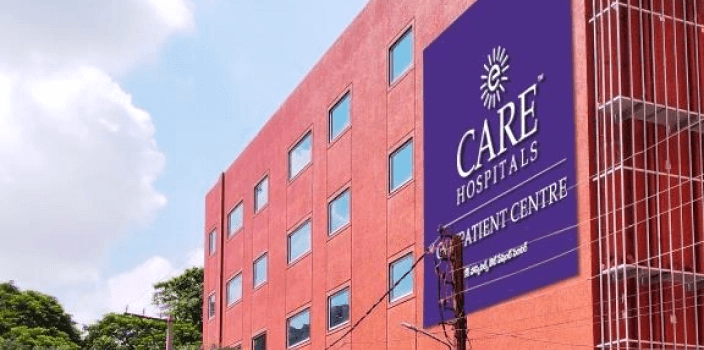
CARE Hospitals Outpatient Centre, HITEC City, Hyderabad
-
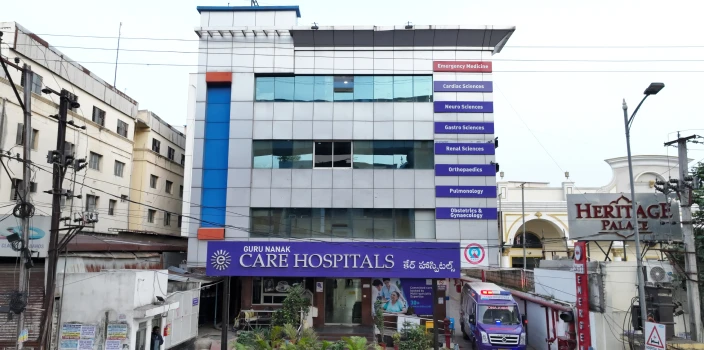
Gurunanak CARE Hospitals, Musheerabad, Hyderabad
-
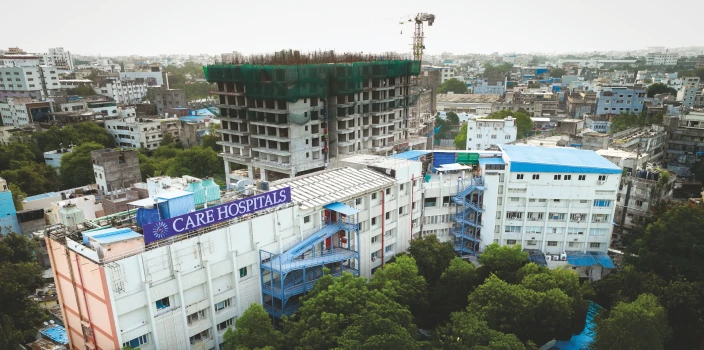
CARE Hospitals, Nampally, Hyderabad
-
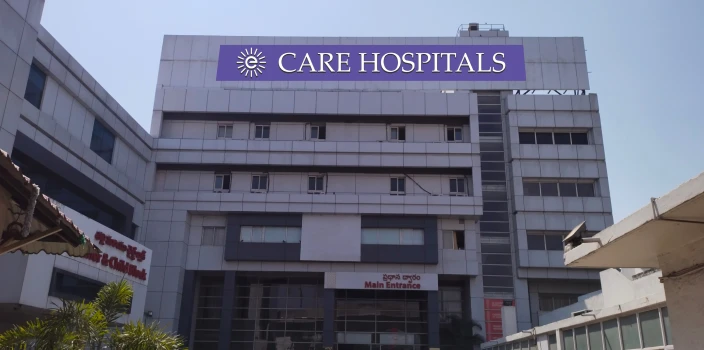
CARE Hospitals, Malakpet, Hyderabad
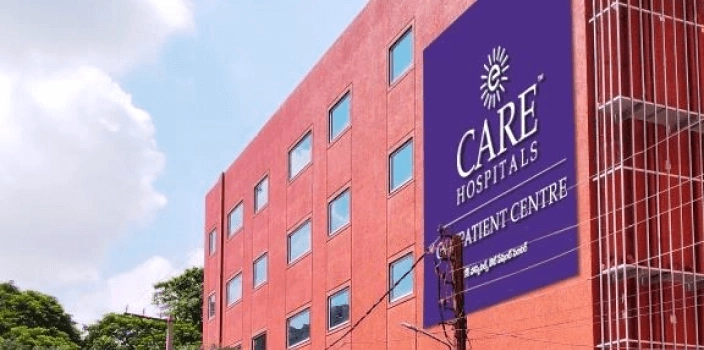
-
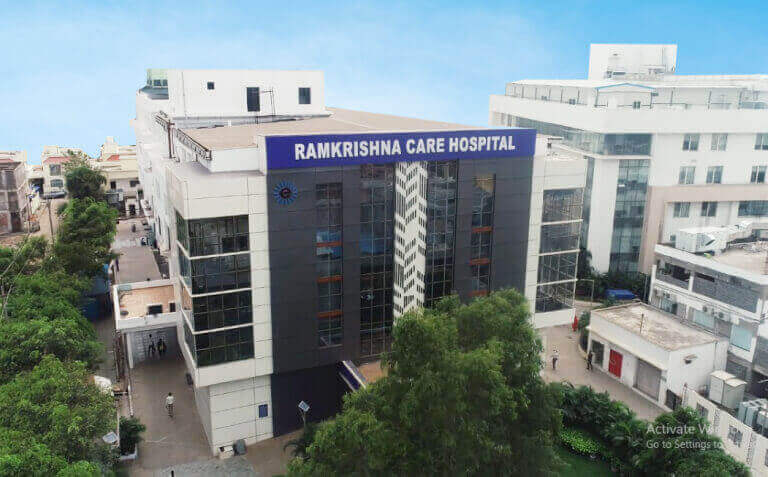
Ramkrishna CARE Hospitals, Raipur
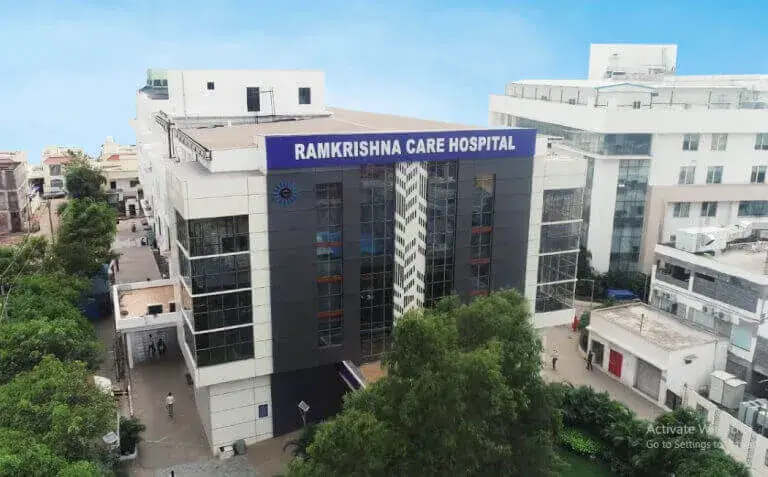
-

CARE Hospitals, Bhubaneswar
-
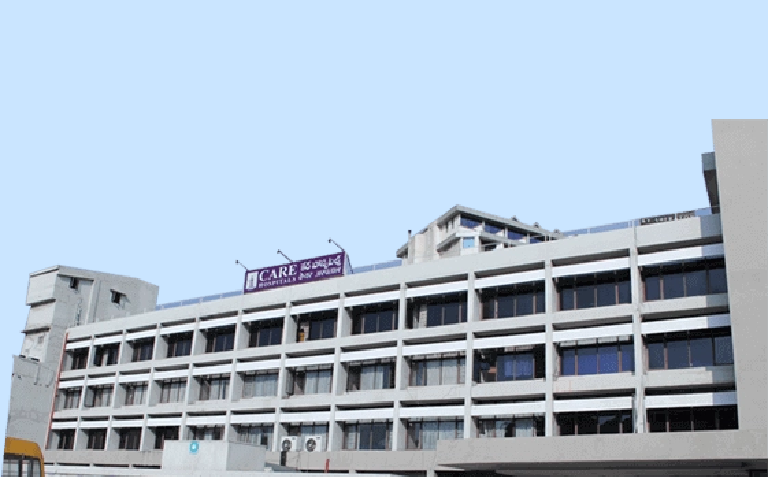
CARE Hospitals, Ramnagar, Visakhapatnam
-
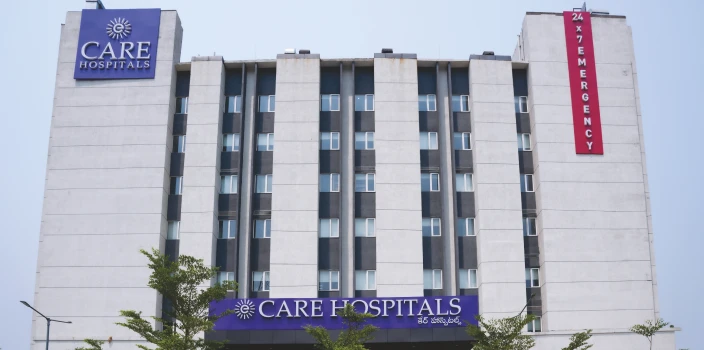
CARE Hospitals, Health City, Arilova
-
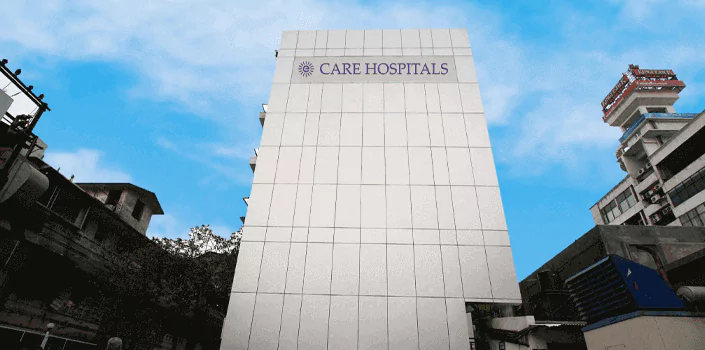
Ganga CARE Hospital Limited, Nagpur
-

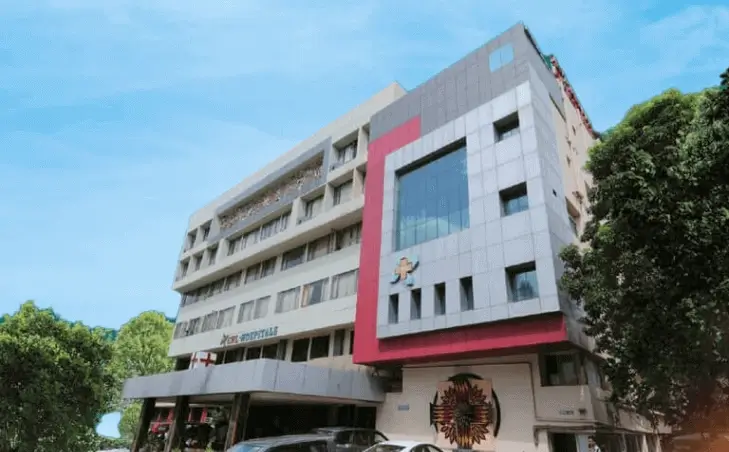
CARE CHL Hospitals, Indore
-

United CIIGMA Hospitals (A unit of CARE Hospitals), Chh. Sambhajinagar
-
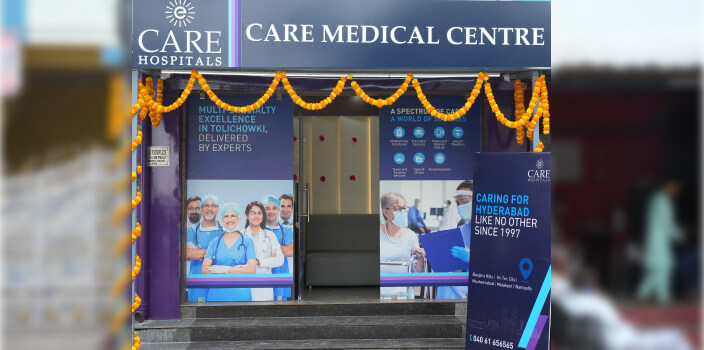
CARE Medical Center, Tolichowki, Hyderabad
Frequently Asked Questions
Couldn’t find what you were looking for?
Need any help? Get a Call Back.

Still Have a Question?


