


-
Centre of Excellence
Specialties
Treatments and Procedures
 HyderabadCARE Hospitals, Banjara Hills CARE Outpatient Centre, Banjara Hills CARE Hospitals, HITEC City CARE Hospitals, Nampally Gurunanak CARE Hospitals, Musheerabad CARE Hospitals Outpatient Centre, HITEC City CARE Hospitals, Malakpet
 Raipur
 Bhubaneswar
 Visakhapatnam
 Nagpur
 Indore
 Chh. Sambhajinagar
 Clinics & Medical Centers


-

-

-

-

-

-
Follow Us

Woman & Child Institute
Woman & Child Institute
Best Maternity & Gynecology Hospital in Hyderabad
- Expert Gynecology & Obstetrics Care
- Normal Delivery & Safe Birthing Services
- Cesarean (C-Section) Delivery Care
- Advanced Pregnancy & High-Risk Obstetrics
- 24/7 Labor, Delivery & Emergency Services
- IVF, IUI & Advanced Fertility Treatments
- Minimally Invasive Gynecologic Surgery (Laparoscopy & Hysteroscopy)
- PCOS, Endometriosis, Fibroids & Hormonal Care
- Antenatal & Postnatal Wellness Programs
- Fetal Medicine, Neonatal Care & Advanced Ultrasound Services
- Fertility & Reproductive Health Treatments
- Preventive Gynecology & Women’s Cancer Screening
- Uro-Gynecology & Pelvic Floor Care
- Contraception, Family Planning & Preconception Counseling
- STI Screening, Vaginal Infection & Sexual Health Care
- Puberty, Adolescent & Menopause Health Management
- Recurrent Pregnancy Loss (Miscarriage) Evaluation & Treatment
- Maternal Critical Care & Obstetric ICU Support
- Breast Health Screening & Lactation Counseling
- Gynecologic Oncology Evaluation & Management
- Preterm Labor, Growth Restriction & Doppler Monitoring
- Genetic Counseling & Prenatal Screening (NIPT, NT Scan)
- Vaccinations in Pregnancy (Tdap, Influenza, etc.)
- Postpartum Mental Health Care (PPD Screening & Support)
- Well-Woman Annual Health Check-ups
CARE Vatsalya Woman & Child Institute was founded as a representation of selfless love. It captures the true essence of the word "Vatsalya" and delivers it to women and children in its truest form. By being a caring partner, a loyal friend, and a supportive guide in their journey of health, in every walk of life.
- Vatsalya: The warm embrace of limitless love and care
- Vatsalya, as per ancient Indian Vedic Puranas, is a word that denotes “fond love” and represents a strong emotional expression.
A Sanskrit word by origin, "Vatsalya" is derived from "Vatsa," meaning "child" or "baby." It refers to the unconditional love that parents have for their children. Vatsalya reflects an array of human sensitivities, including motherly love, affection, and above all, care. Of all the forms of love on earth, Vatsalya is the noblest one you will ever experience.
CARE Hospitals is one of the best gynecology hospitals in Hyderabad that encompasses the health of the female reproductive organs and their function, from puberty & menstruation and pregnancy & childbirth to menopause, and everything in between.
Gynecology covers a woman’s health from puberty through adulthood, dealing with the diagnosis, treatment, and care of the reproductive organs and female body parts. Obstetrics is the branch of medicine that looks after a woman during the whole period of pregnancy, labour and the weeks that follow birth. The Child Care Department at CARE Hospitals offers every level of attention, from regular checkups to the diagnosis and treatment of every illness or health problem that affects women, and it does so at a standard that matches the best in the world for females of every age.


Why Choose CARE Hospitals for Gynecology & Obstetrics
CARE Hospitals is one of the best gynecology & obstetrics hospitals in Hyderabad, providing comprehensive care for women from adolescence through motherhood and beyond, as outlined below:
- Leading Gynecology & Obstetrics Specialists in Hyderabad: CARE Hospitals boasts of having the finest gynecology and obstetrics professionals in Hyderabad, who are not only knowledgeable but also skilled in routine, complex, and high-risk cases, thereby achieving excellent outcomes.
- Advanced Technology for Accurate Diagnosis & Safe Treatment: We utilize high-end fetal imaging, modern surgical systems, and other advanced technologies to make sure that diagnosis is precise, safety is enhanced, and treatment planning is improved for all women's health and maternity needs.
- Best Hospital for High-Risk Pregnancy Care: The experts in maternal-fetal medicine at our hospital are well-equipped to handle high-risk pregnancies; thus, they monitor the patient continuously, intervene early, and ensure safe delivery for both mother and child.
- State-of-the-Art Labor, Birthing & Surgical Facilities: The infrastructure at CARE Hospitals includes ultra-modern labor rooms, well-appointed birthing suites, and operation theaters that are fully equipped and designed to make maternity care comfortable, safe, and uninterrupted.
- Support in Women’s Health from Various Fields: The obstetricians of our health center work in collaboration with doctors of other specialties, such as neonatology, endocrinology, radiology, oncology, psychiatry, physiotherapy, and nutrition, to provide holistic care for women.
- Treatment Plans Individualized to Each Woman: Each woman gets her own treatment plan that is based on her medical history, fertility objectives, and lifestyle—thus making her treatment simpler and more effective.
- Support from Medical, Psychological, and Postpartum: Besides the medical treatment, the health center has counseling, lactation support, and postpartum mental health screening, as well as guidance through the recovery and the emotional well-being process as part of its support service.
- Women’s Healthcare & Wellness Preventive Focus: Through regular screenings, preventive counseling, hormonal assessments, and annual well-woman check-ups, we are encouraging long-term wellness.
Gynecology & Obstetrics – Conditions We Treat
Our Gynecology & Obstetrics department is the one-stop solution for all women's reproductive and pregnancy-related health issues. The following are the conditions described unambiguously:
Obstetric Conditions
- High-Risk Pregnancy: It is a pregnancy with maternal, fetal, or medical factors combined together, which necessitates thorough supervision, thereby increasing the probability of problems before, during, or after the birth.
- Pregnancy-Induced Hypertension (PIH): A condition of high blood pressure starting after mid-pregnancy that might adversely affect both the mother and the fetus if not managed very carefully.
- Preeclampsia & Eclampsia: A condition of maternal hypertension that has been characterized by disturbances in various organs and high levels of protein in the urine, with seizures and a high risk to the mother being the climax of the disorder.
- Gestational Diabetes Mellitus (GDM): A condition marked by elevated blood sugar levels during pregnancy, which can obstruct fetal development and influence delivery method, consequently.
- Placenta Previa: A condition when the placenta is positioned such that it obstructs the birth canal partially or fully. If not managed appropriately, this can result in heavy bleeding during delivery.
- Placental Abruption: The placenta separates from the uterus before the baby is born, restricting oxygen and nutrient supply to the fetus and increasing fetal risk.
- Placenta Accreta Spectrum: This is a condition in which the placenta attaches deeply into the uterine wall, which can lead to heavy bleeding during cesarean.
- Intrauterine Growth Restriction (IUGR): The fetal weight is less than what it should be at that stage of pregnancy; it is commonly due to placental insufficiency or fetal diseases.
- Oligohydramnios: Reduced amount of amniotic fluid surrounding the fetus, which may impair fetal movements and the development of some organs.
- Polyhydramnios: Polyhydramnios is excessive amounts of fluid in the uterus but can also lead to discomfort for the mother and potentially increase complications during pregnancy.
- Preterm Labor & Birth: Preterm labor and birth occur before the 37-week mark of gestation and can increase the chances for respiratory and developmental problems in newborns.
- Repeated Miscarriages: Repeated pregnancy loss occurs when there is more than one miscarriage in a row prior to the fetus being able to survive. This can be caused by genetic/hormonal/anatomical issues.
- Ectopic Pregnancies: Ectopic pregnancies grow in a location outside the uterus, most often in a fallopian tube, which is a life-threatening situation that requires immediate treatment.
- Molar Pregnancy: Molar pregnancies are an abnormal growth of tissue from the placenta and replace the normal embryo. These occur due to abnormal fertilization.
- Rh Incompatibility: Rh incompatibility occurs if the mother and baby have different blood types. If not treated properly, it can cause anemia in the baby.
- Multiple Gestations: Multiple gestations (twins/triplets) are pregnancies with more than one fetus. They have a greater chance of preterm delivery as well as complications for the mother.
- Labor Complications: These include things like obstructed and/or stalled labor, which can severely limit a woman's ability to deliver and/or be delivered safely.
- Fetal Distress: Fetal distress refers to indicators that the fetus is not receiving enough oxygen. This may require immediate intervention and/or assessment.
- Postpartum Hemorrhage: Postpartum hemorrhaging is an excessive loss of blood following delivery and is one of the leading causes of maternal emergencies.
- Postpartum Infections: Postpartum infections after delivery occur in the uterus, affected areas of the body, and/or the breast area. They normally develop within days to weeks of delivery.
- Postpartum Depression: Postpartum depression follows childbirth, usually affecting the mental state of the mother as well as how she bonds with her child.
- Breastfeeding Difficulties: Breastfeeding difficulties take various forms, such as poor latching, pain on the nipple, or low milk supply, affecting the nutrition of an infant and the ability to properly feed a baby.
Gynecology Conditions
- Menstrual Disorders: Menstrual cycles are commonly seen in adolescent girls and women on a regular basis, with a certain amount of blood loss and a particular pattern. When these aspects change, it could mean there is an underlying hormonal imbalance or a fertility issue that needs to be addressed.
- Heavy Menstrual Bleeding (Menorrhagia): Heavy menstruation is a condition when the blood loss during periods is so much that it can affect one's routine and bring about anemia as a side effect of iron deficiency.
- Irregular Menstrual Cycles: This is the problem where the menstrual cycles are not happening at the same time every month, greatly differing in time or length. They are usually caused by hormonal or ovulatory irregularities.
- Painful Periods (Dysmenorrhea): Severe pain during the menstrual cycle, especially seen in endometriosis cases.
- Amenorrhea: The missing of menstruation can be due to several reasons, such as hormonal, structural, or lifestyle factors, all affecting reproductive health negatively.
- Polycystic Ovary Syndrome (PCOS): This is a condition characterized by an imbalance of hormones, which results in unusual menstrual cycles, the presence of cysts in the ovaries, and changes in metabolism, affecting fertility and sometimes skin health.
- Premature Ovarian Insufficiency: A condition that occurs when a woman's ovarian function stops before she turns 40, resulting in menopause-like symptoms and, ultimately, infertility.
- Endometriosis: A condition characterized by the presence of tissue similar to the uterus lining outside the uterus that leads to pelvic pain, inflammation, and possibly infertility.
- Adenomyosis: A condition that occurs when menstrual tissue grows into the uterine muscle, resulting in heavy bleeding and severe cramping during menstruation.
- Uterine Fibroids: Non-cancerous tumors such as fibroids can grow in the uterus, and they may exert pressure, cause discomfort, or lead to profuse bleeding during periods.
- Uterine Septum & Structural Abnormalities: These conditions are congenital differences in the uterus's morphology that may affect the fertility and the pregnancy's success.
- Ovarian Cysts: They are fluid-filled sacs that develop on the ovaries and might create pain or hormone imbalance.
- Ovarian Torsion: It is when the ovary gets twisted around its blood supply, which leads to sudden, very intense pain in the pelvic area.
- Benign Ovarian Tumors: These are noncancerous growths that develop from ovarian tissue, and monitoring these benign ovarian tumors due to a change in size or symptoms is sometimes necessary.
- Ovarian Hyperstimulation Syndrome: This is excessive stimulation of the ovaries in response to fertility drugs and is a result of the release of large amounts of fluid due to increased production of hormones associated with the ovaries.
- Pelvic Inflammatory Disease: This is an infection of the upper reproductive system that can cause pelvic pain and problems with infertility.
- Reproductive Tract Infections: These are infections affecting the vagina, cervix, uterus, and/or fallopian tubes, and they can result in pain, vaginal discharge, and vaginal irritation.
- Sexually Transmitted Infections: These are infectious diseases transmitted from one person to another during sexual contact; they commonly include chlamydia, gonorrhea, HPV, and herpes.
- Cervical Dysplasia: This is the detection of abnormal cells found on the cervix during Pap tests. This occurs prior to the development of cervical cancer.
- HPV-Related Cervical Changes: These are tissue changes due to the human papillomavirus, ranging from mild changes to precancerous lesions.
- Chronic Pelvic Pain: This is a condition that causes persistent pelvic discomfort lasting longer than six months. This discomfort may or may not be related to gynecological, urinary, or gastrointestinal causes.
- Pelvic Organ Prolapse: This is when pelvic organs fall into the vaginal canal due to the weakening of the pelvic floor, resulting in problems with urinary and reproductive function.
- Urinary Incontinence: This is the uncontrolled leakage of urine. This may occur during exertion or episodes of urgency due to weakness of the pelvic floor muscles and other reasons.
- Dyspareunia: Pain experienced by women during intercourse and can be caused by muscle tension, hormonal fluctuations, or structural issues.
- Vaginal Atrophy: A condition accompanied by thinning and loss of elasticity of the vaginal tissue due to reduced hormone levels associated with the normal aging process.
- Vulvodynia & Vestibulodynia: Unexplained chronic pain in the vulva or vestibule areas, leading to a reduction in comfort and sexual activity.
- Bartholin Cyst & Abscess: The causing factor for inflammation or infection of the Bartholin gland results in a lump formation close to the vagina.
- Endometrial Hyperplasia: The lining of the uterus gets thicker, which is commonly a result of experiencing too much estrogen and the risk of abnormal bleeding.
- Endometrial & Uterine Polyps: They are the growths that come from the uterine lining, and sometimes they can cause irregular bleeding or be a challenge for fertility.
- Benign Reproductive Tract Tumors: These are the non-cancerous tumors that can grow in the reproductive organs and are kept under observation depending on the symptoms or changes in their size.
- Cervical Cancer: The cancer that starts in the cervix, mostly associated with the persistence of HPV infection and the changes in the cervix that are not normal.
- Ovarian Cancer: The malignant tumor that is formed from the ovarian tissues, with the early stages often being very subtle or being symptomless.
- Uterine (Endometrial) Cancer: The often abnormal vaginal bleeding indicative of cancer that occurs in the uterine lining.
- Vaginal and Vulvar Cancer: Very uncommon cancers that occur in the vagina or vulva, which may be associated with prolonged pain, itching, or lesions.
- Contraceptive Disorders: Problems resulting from using contraceptive methods, including changes in the menstrual cycle or hormone level.
- Perimenopause and Menopause Disorders: Problems due to lower levels of estrogen in women during their late thirties and throughout their forties, including hot flashes, sleep disturbance, and mood disorders.
- Adolescent Gynecologic Disorders: These include irregularities of menstrual cycles and hormonal problems in young girls, such as early puberty, PCOS, and cycle disturbances.
- Sexual Health Disorders: These are the conditions that affect any of the stages of sexual response, i.e., desire, arousal, or comfort, and are influenced by physical, hormonal, or emotional factors.
Treatments and Procedures
At CARE Hospitals, we provide advanced, patient-oriented gynecology & obstetrics services backed by highly qualified gynecologists with state-of-the-art technology. We ensure that each woman is provided with the safest, most comprehensive, and most tailored treatment available, regardless of where she is located in her health—from routine health assessments through to advanced surgical interventions and complex care for high-risk pregnancies.
Gynecology Procedures & Surgeries
- Pap Smear & Cervical Screening: An early test to identify changes in the cervical cell and consequently reduce the risk of cervical cancer. This test is usually suggested for women to monitor their reproductive health over a long term.
- Colposcopy: A CT scan-like device is used on the cervix to check if there is any abnormality in a Pap smear. The cervical lesion, which is either precancerous or suspicious, can be diagnosed.
- Hysteroscopy: It is a non-invasive treatment to check and do the required surgery inside the uterus, which can be done for checking for polyps, fibroids, and abnormal bleeding and for treating infertility.
- Laparoscopy (Diagnostic & Operative): A small hole through which surgery is done to diagnose and treat the conditions of the pelvic area with minimum suffering. The endometriosis, cysts on the ovaries, and adhesions with the chronic pelvic pain can be treated through this.
- Hysterectomy (Total / Partial / Laparoscopic / Vaginal): Surgery through which the uterus is taken out due to fibroids, cancer, or heavy bleeding. Besides, the use of less invasive methods guarantees quicker recovery and less discomfort.
- Myomectomy: In this surgery, the removal of the fibroids causing pain or heavy bleeding is done while keeping the uterus intact. This is the best option for women who are planning to get pregnant in the future.
- Ovarian Cystectomy: The process of removing ovarian cysts but at the same time maintaining the healthy ovarian tissue. It is suitable for application in case of large, painful, or complex cysts.
- Endometriosis Surgery: A cutting-edge technique that removes endometrial implants with precision and thus, stops the cycle of chronic pelvic pain. This not only enhances fertility but also restores the pelvic health.
- Dilation & Curettage (D&C): A very brief process aimed at the diagnosis or cure of abnormal uterine tissue by removal. It often features in miscarriage management or in conditions of unusual bleeding.
- Pelvic Floor Repair: The surgical technique that repairs the prolapse of pelvic organs and, at the same time, strengthens the pelvic support. Restores normal bladder, bowel, and vaginal functioning.
- Tubal Ligation: The ultimate method of birth control through the surgical occlusion of the fallopian tubes. It is a safe, convenient, and long-lasting contraceptive alternative.
- Cervical Cerclage: A supportive stitch is placed around the cervix in order to prevent its premature dilation during pregnancy. In high-risk situations, it helps to diminish the chance of early delivery.
- Vulvar & Vaginal Surgeries: This is the procedure designed to fix cysts, lesions, infections, or structural abnormalities.
- LEEP Procedure: The removal of inappropriate cervical cells via electrosurgical means to avert the onset of cervical cancer.
- Bartholin Cyst / Abscess Drainage: A minor procedure that is done to drain the infected or enlarged Bartholin glands. This provides instant relief from both pain and swelling.
- Uterine & Cervical Polypectomy: The process of excising noncancerous polyps that are responsible for bleeding or infertility. As a result, the uterine function is normalized and the chance of recurrence is eliminated.
- Uterine Septum Resection: Hysteroscopic intervention to eliminate uterine septum that is a cause of infertility. It will result in fewer miscarriages and complications related to the pregnancy.
- Oophorectomy (Unilateral/Bilateral): Extraction of one or both ovaries that are affected by malignancy, cysts, or severe endometriosis.
- Salpingectomy: Surgical intervention involving the removal of fallopian tubes mainly for ectopic pregnancy cases or cancer risk mitigation.
- Laparoscopic Adhesiolysis: A surgical approach that is less invasive and focuses on the removal of pelvic adhesions.
- Uterine Artery Embolization (UAE): Non-surgical method that basically causes the fibroids to shrink by halting their blood supply. UAE is indeed an excellent alternative for hysterectomy regarding the treatment of fibroids.
- Vaginoplasty: Surgery indicated to reconstruct and restore the vagina to its original state before any congenital or childbirth-related changes occurred.
- Perineoplasty: Surgical intervention to reconstruct the perineum after it has undergone changes due to childbirth or aging.
- Sacrocolpopexy: A mesh-based surgical method used to treat pelvic organ prolapse. It guarantees stability for a long time and resets normal pelvic anatomy.
- Endometrial Ablation: A procedure that is less invasive and destroys the uterine lining by use of heat or chemicals so that heavy menstrual bleeding can be treated.
Obstetric Treatments & Procedures
- Antenatal Care & Fetal Monitoring: Periodic prenatal consultations accompanied by thorough fetal examinations. They not only guarantee the baby's healthy development but also the prompt giving of a signal in case of a problem.
- Normal Vaginal Delivery (NVD): A gentle, regular delivery facilitated by the obstetricians for the best experience. The process will be dubbed "comfort, safety, and a positive birth experience."
- Cesarean Section (C-Section): The surgical method to deliver the baby when the mother is not able to give a normal birth. Precision is employed in carrying out the operation in order to guarantee both the mother's and the baby's safety.
- Painless Delivery (Epidural Analgesia): Labor with an epidural is a painless delivery process with a significant reduction of pain. Birth is going to be a smooth and less stressful one.
- High-Risk Pregnancy Management: Pregnancies with maternal or fetal complications are taken care of by highly experienced specialists. Patient monitoring and tailor-made planning are the basic elements of this practice.
- VBAC (Vaginal Birth After Cesarean): The best option for a woman with a previous C-section is a natural delivery. It is done under strict conditions to ensure the best outcomes for the mother and baby.
- Amniocentesis: Prenatal analysis of amniotic fluid for the presence of genetic or chromosomal conditions. The technique is useful for spotting the occurrence of the mentioned abnormalities in the early stages.
- Chorionic Villus Sampling (CVS): An early diagnostic procedure, which tests the villi of the placenta for chromosomal abnormalities. It takes less time than tests performed during mid-pregnancy.
- Induction of Labor: An obstetrician-assisted beginning of the delivery process when the mother's and baby's condition is not suited for the prolongation of pregnancy. A safe and controlled delivery is guaranteed.
- Postpartum Hemorrhage Management: Treatment that is available right on the spot to deal with women losing a lot of blood after giving birth. The mother will not be left in a dangerous situation, and complications will be prevented quickly.
- Ectopic Pregnancy Management: Medical or surgical treatment for embryos located outside the uterus. It avoids seriously ill complications and makes sure of safety.
- Fetal Echocardiography: Thoroughly looking to see the fetal heart structure. It catches congenital heart diseases at birth for timely treatment.
- Non-Stress Test (NST): Watching of fetal heart and movements as a kind of well-being test. It is a common tool in high-risk pregnancies.
- Biophysical Profile (BPP): Ultrasound and NST combined simultaneous assessment of fetal movements, tone, and fluid. It determines the safest time for birth.
- Operative Vaginal Delivery (Forceps / Vacuum): Delivery assistive methods performed during a hard labor. It guarantees delivery in case support is needed. Manual Removal of Placenta: A procedure when the placenta fails to leave on its own after delivery. It stops infection and bleeding after pregnancy.
- External Cephalic Version (ECV): This is the procedure where the upside-down baby is manually turned to a head-down position. This promotes normal delivery.
- Cervical Ripening Procedures: These are the procedures initiated with gels, drugs, or mechanical devices that aid in softening the cervix. It prepares the body for an easy and safe labor induction.
Advanced technology Used at CARE Hospitals
At CARE Hospitals, we use the latest medical equipment and up-to-date technologies to provide first-rate gynecology and obstetrics services. Our modern diagnostic & surgical tools, as shown below, help in exact treatments and achieve safer results:
- Ultrasound, Doppler & 3D/4D Imaging - A high-tech, sophisticated imaging system for very precise fetal assessment, very early anomaly detection, and very accurate gynecological evaluation.
- High-End Fetal Monitoring Systems (CTG) - A very advanced technique for continuous monitoring of the fetal heart rate, contractions, and futuristic overall fetal well-being.
- Advanced Laparoscopy & Minimally Invasive Surgery Units - Modern equipment allows precise surgery through small cuts, which reduces pain and shortens recovery time.
- Robotic-Assisted Gynecologic Surgery - Robotic arms provide exceptional accuracy for difficult operations like hysterectomy, myomectomy, or endometriosis removal.
- Hysteroscopic Imaging Systems - High-definition cameras and instruments perform scar free, uterus sparing procedures for polyps, fibroids, and uterine septum.
- Colposcopy & Digital Cervical Imaging - Magnified cervical views detect precancerous changes besides HPV-related abnormalities at an early stage.
- 3D Mammography (Digital Breast Tomosynthesis) - Advanced breast scans detect cancer early, even in dense or complex breast tissue.
- Ultrasound-Guided Breast Biopsy - The very newest of the minimally invasive biopsy methods that let one accurately diagnose a breast lump with no need of surgery.
- Uterine Artery Embolization Technology - The interventional radiology systems guided by the image are a safe and effective method for treating fibroids without open surgery.
- High-Precision Endometrial Ablation Systems - The energy-based technologies with very little downtime for heavy menstrual bleeding are some of the latest technologies in this area.
- Fetal Echocardiography & Anomaly Screening Equipment - The specialized fetal imaging for early detection of congenital abnormalities.
- Neonatal ICU Technology (For Delivery Support) - The usage of the latest incubators, neonatal warmers, and ventilation support making it possible to have safe outcomes for newborns in high-risk deliveries.
- Sterilization & Infection Control Systems - The top-of-the-line surgical sterilization, HEPA filtration, and laminar airflow systems of the latest generation to ensure the highest level of safety in the operating rooms.
- Advanced Anesthesia & Pain-Management Systems - The modern epidural and anesthesia delivery systems guarantee safe, pain-free labor and minimally invasive surgeries.
Team of Woman & Child Institute at CARE Hospitals
The team at CARE Hospitals' Woman & Child Institute consists of highly qualified, board-certified obstetricians, gynecologists, pediatricians, and neonatologists. With extensive experience in managing women's and children's health, they provide expert care for high-risk pregnancies, pediatric illnesses, and neonatal care, ensuring personalized and advanced treatment for all patients.
CARE Hospitals is the best gynecology hospital in Hyderabad having a team of professionals who are experts in women’s health
CARE Expertise
Our Doctors
-

Dr. Aditi Laad
MBBS, DNB
Woman & Child Institute
View More
-
Dr. Chetna Ramani
MBBS, DGO
Woman & Child Institute
View More
-

Dr. Abhinaya Alluri
MS (OBG), FMAS, DMAS, CIMP
Woman & Child Institute
View More
-
Dr. Alakta Das
MBBS, MS (O&G), FMIS
Woman & Child Institute
View More
-

Dr. Alka Bhargava
MBBS, MS
Woman & Child Institute
View More
-
Dr. Amatunnafe Naseha
MBBS, DNB, FRM
Woman & Child Institute
View More
-

Dr. Aneel Kaur
DGO
Woman & Child Institute
View More
-

Dr. Anjali Masand
MBBS, MD (OBG)
Woman & Child Institute
View More
-
Dr. Arjumand Shafi
MBBS, DGO
Woman & Child Institute
View More
-

Dr. Kranthi Shilpa
MBBS, MS (ObGyn), FRM, Fellowship in Infertility
Woman & Child Institute
View More
-
Dr. Krishna P Syam
MBBS, DGO, DNB
Woman & Child Institute
View More
-
Dr. Neha V Bhargava
MS, DNB (obgyn), MNAMS, Fellow (Gynae Oncology)
Woman & Child Institute
View More
-

Dr. Prabha Agrawal
MBBS, MD, FMAS, FICOG, Fellowship in minimal access surgery
Woman & Child Institute
View More
-

Dr. Pranavi Bommireddy
MBBS, MS in Obstetrics & Gynecology
Woman & Child Institute
View More
-

Dr. Prathusha Kolachana
MBBS, MS (Obstetrics and Gynecology), Post-Doctoral Fellowship in Endogynecology (Laparoscopy)
Woman & Child Institute
View More
-

Dr. Ruchi Srivastava
MBBS, DGO, DNB
Woman & Child Institute
View More
-
Dr. Sindhuri Gorantla
MBBS, MS(Obgyn, Gold Medalist), FICOG(Rep.Medicine), FMAS, Diploma in ICCG
Woman & Child Institute
View More
-

Dr. Sonal Lathi
MBBS, MD, DNB
Woman & Child Institute
View More
-
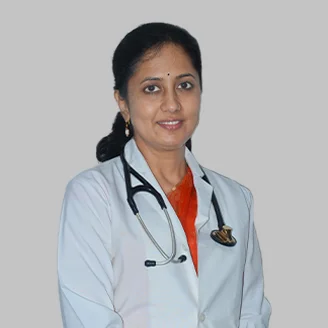
Dr. Sushma J
MBBS, MS (OBG)
Woman & Child Institute
View More
-
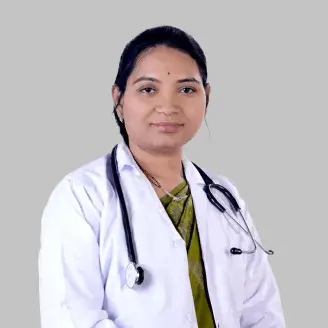
Dr. Swapna Mudragada
MBBS, DGO, MS
Woman & Child Institute
View More
-

Dr. Thajammul Samrin
MBBS, MS, FICOG, FMAS
Woman & Child Institute
View More
-

Dr. U.H. Tasneem
MBBS, DNB (OBG&GYN), MRCOG
Woman & Child Institute
View More









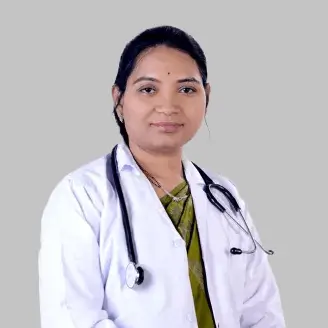

Our Locations
CARE Hospitals, a part of the Evercare Group, brings international quality healthcare to serve patients across the world. With 16 healthcare facilities serving 7 cities across 6 states in India, we are counted among the top 5 pan-Indian hospital chains.
-

CARE Hospitals, Banjara Hills, Hyderabad
-

CARE Hospitals Outpatient Centre, Banjara Hills, Hyderabad
-
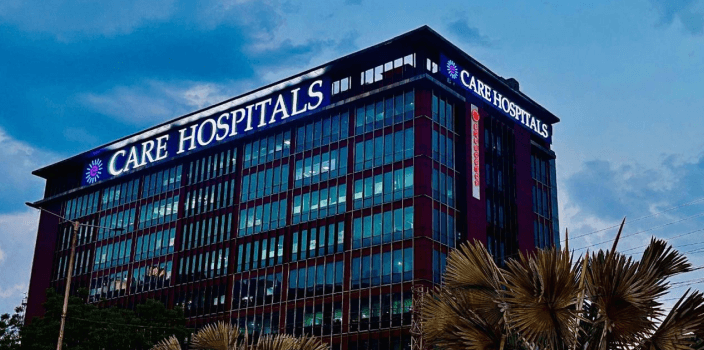
CARE Hospitals, HITEC City, Hyderabad
-
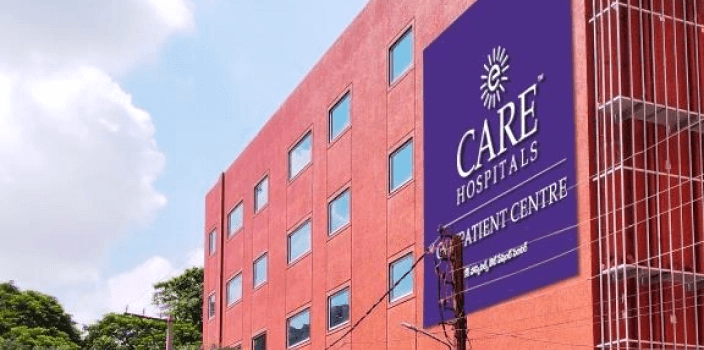
CARE Hospitals Outpatient Centre, HITEC City, Hyderabad
-
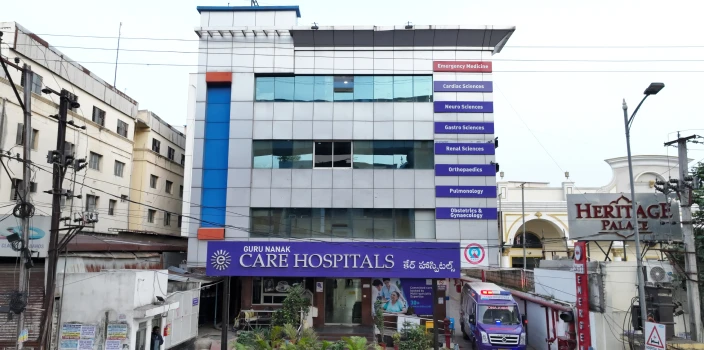
Gurunanak CARE Hospitals, Musheerabad, Hyderabad
-

CARE Hospitals, Nampally, Hyderabad
-
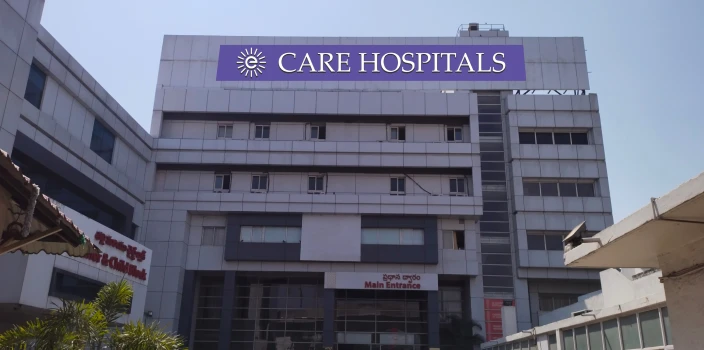
CARE Hospitals, Malakpet, Hyderabad

-
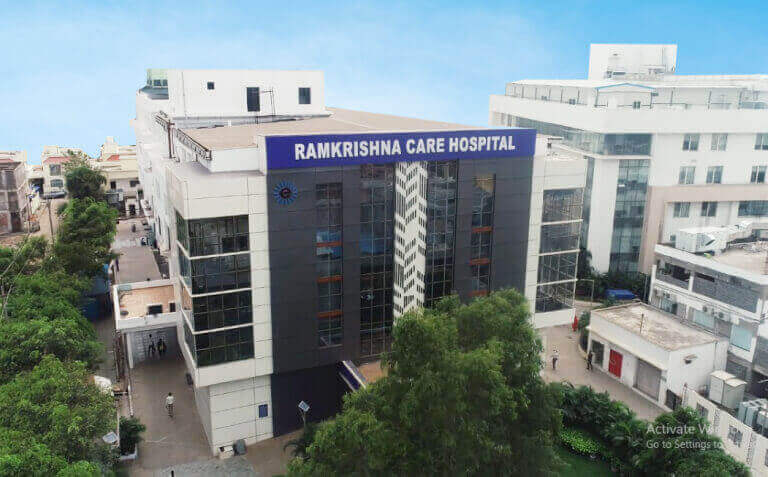
Ramkrishna CARE Hospitals, Raipur
-

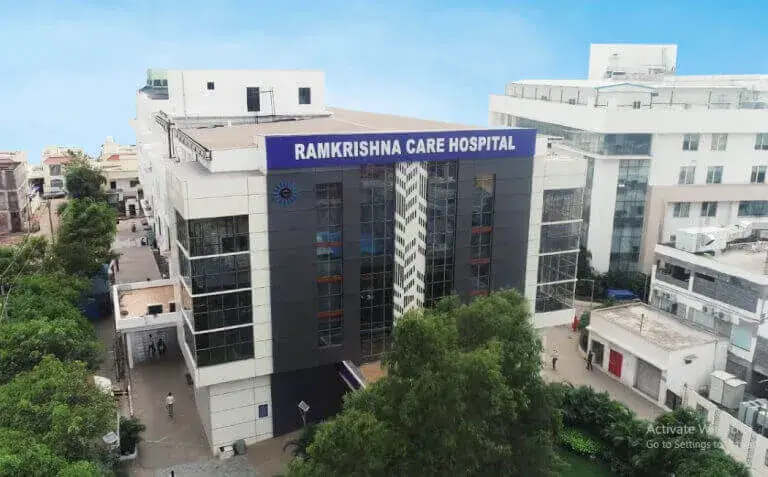
CARE Hospitals, Bhubaneswar
-
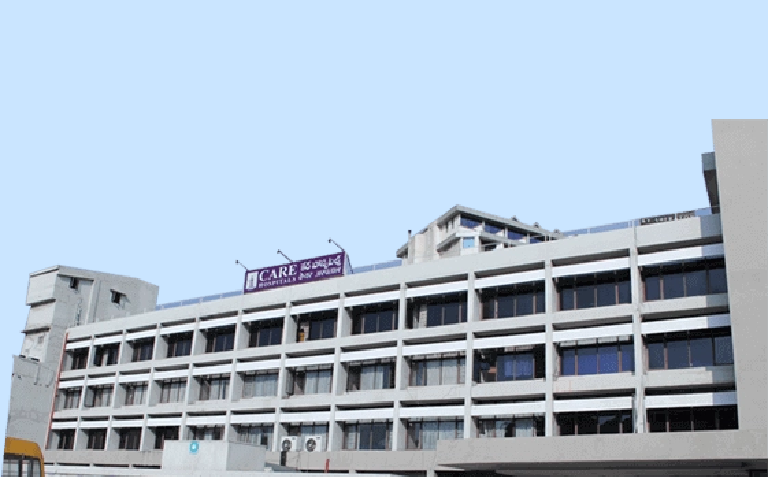
CARE Hospitals, Ramnagar, Visakhapatnam
-
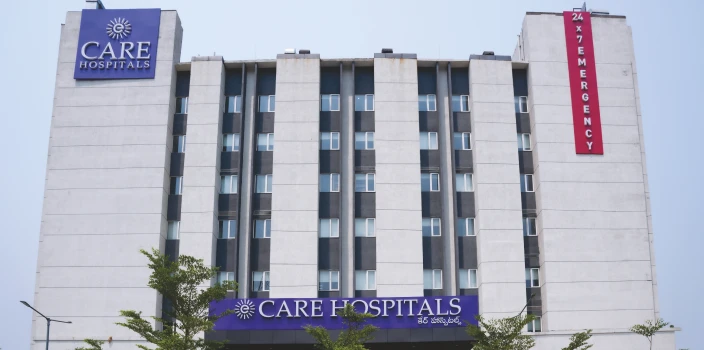
CARE Hospitals, Health City, Arilova
-
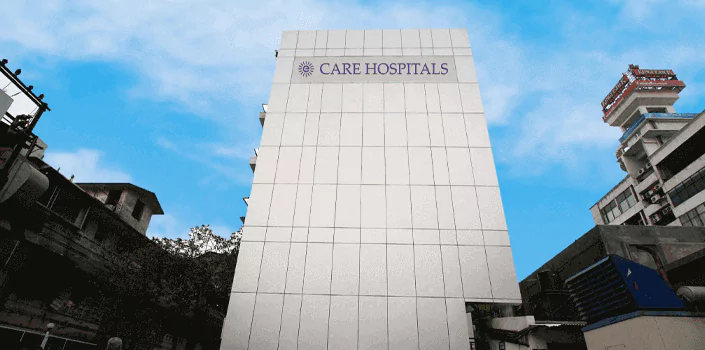
Ganga CARE Hospital Limited, Nagpur
-

CARE CHL Hospitals, Indore

-

United CIIGMA Hospitals (A unit of CARE Hospitals), Chh. Sambhajinagar
-
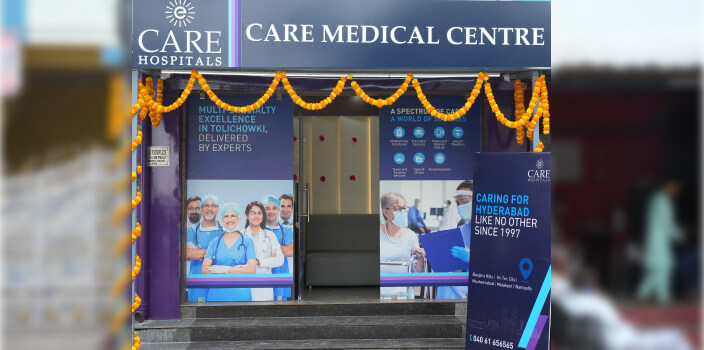
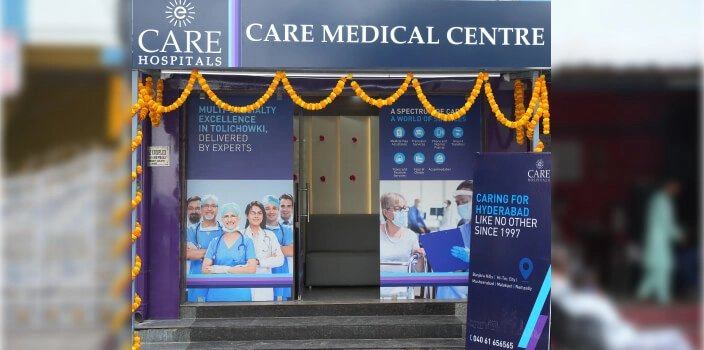
CARE Medical Center, Tolichowki, Hyderabad
Frequently Asked Questions
Couldn’t find what you were looking for?
Need any help? Get a Call Back.

Still Have a Question?


