
-
Centre of Excellence
Specialties
Treatments and Procedures
 HyderabadCARE Hospitals, Banjara Hills CARE Outpatient Centre, Banjara Hills CARE Hospitals, HITEC City CARE Hospitals, Nampally Gurunanak CARE Hospitals, Musheerabad CARE Hospitals Outpatient Centre, HITEC City CARE Hospitals, Malakpet
 Raipur
 Bhubaneswar
 Visakhapatnam
 Nagpur
 Indore
 Chh. Sambhajinagar
 Clinics & Medical Centers


-

-

-

-

-

-
Follow Us

Best Hospital for Brain Angiography in Hyderabad
- Advanced Technology
- Shorter Hospital Stay
- Pre & Post-Operative Care
- All Insurance Accepted

Chat With Our Experts
Get second opinion on Whatsapp
25 lakhs+
Happy Patients
Experienced and
skilled surgeons
17
Health Care Facilities
Top most Referral Centre
for Complex Surgeries
Advanced Brain Angiography
Brain angiography visualises the blood vessels supplying the brain using X-ray, CT, or MRI imaging after contrast introduction into the cerebrovascular circulation. The technique spans from non-invasive CTA and MRA to catheter-based digital subtraction angiography (DSA) - each with distinct spatial resolution, haemodynamic information, and procedural risk. Angiography of brain is indicated when symptoms suggest a vascular cause that standard brain imaging cannot address. Modality choice depends on urgency, anatomical detail required and renal function or allergy history.
Why Is Brain Angiography Performed?
Brain angiography answers questions that parenchymal imaging cannot. Principal indications:
- Aneurysm characterisation (neck morphology, dome-to-neck ratio)
- AVM and dAVF evaluation (nidus architecture, Spetzler-Martin grading)
- Vasospasm management after SAH
- Carotid or vertebral artery disease
- Stroke and TIA source identification
- Detecting blood vessel disorders like moyamoya, vasculitis, and venous sinus thrombosis
- Pre-procedural planning and post-treatment surveillance.
- Direct and Indirect Carotico-cavernous fistula (CCF)
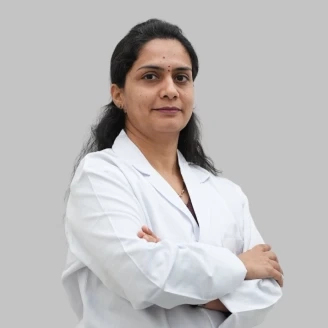
Best Brain Angiography Doctors in India





















Who Needs Brain Angiography?
Indicated when cerebrovascular diagnosis requires imaging beyond standard brain MRI or CT:
- In case of confirmed or suspected SAH, incidentally detected aneurysm, or AVM or dAVF for source identification, treatment planning, or characterisation
- TIA or ischaemic stroke in carotid stenosis, intracranial stenosis, or arterial dissection requiring characterisation before secondary prevention or intervention
- Pulsatile tinnitus, cranial bruit, progressive visual loss, third nerve palsy, or suspected moyamoya or CNS vasculitis
- Surveillance after coiling, AVM embolisation, or carotid stenting - confirming treatment completeness or detecting recanalisation
Types of Brain Angiography
Four modalities are used clinically, each with distinct advantages:
- CT Angiography (CTA): Iodinated contrast is administered intravenously and rapid helical CT images of the cerebral vessels are taken during the arterial phase. CTA detects aneurysms of 3 mm or larger, delineates carotid and vertebral stenosis and dissection, and identifies large vessel occlusion in acute stroke. Completed in minutes, the fastest and most widely available modality.
- MR Angiography (MRA): Time-of-flight (TOF) MRA requires no contrast and contrast-enhanced MRA (CE-MRA) uses intravenous gadolinium. MRA avoids ionising radiation and iodinated contrast and preferred for screening high-risk populations (family history, ADPKD), follow-up surveillance and renal impairment.
- Digital Subtraction Angiography (DSA): This detects aneurysms as small as 1 to 2 mm, defines neck morphology and dome-to-neck ratio with unmatched resolution, and provides real-time hemodynamic assessment. The same access can also deliver immediate endovascular therapy. The procedure is reserved for cases where non-invasive imaging is insufficient or treatment is planned. It provides high resolution anatomical information and hemodynamic information.
- MRI Brain with Angiography (MRI + MRA): Combines brain parenchymal imaging (ischaemia, haemorrhage) with cerebrovascular assessment in one session. Particularly useful in stroke or TIA, suspected AVM, and post-treatment surveillance.
Symptoms That May Require Brain Angiography
Symptoms commonly leading to brain angiography after initial CT or MRI are:
- Thunderclap headache - sudden, maximal-intensity
- Focal neurological deficit or third nerve palsy
- Pulsatile tinnitus, audible bruit, or progressive neurological decline in a young patient
- Incidental vessel abnormality on MRI or CT.
Risk Factors of Brain Angiography
Risk factors affecting both the underlying disease and the angiographic procedure are:
- Renal impairment (eGFR below 30; nephropathy risk with CTA and DSA)
- Contrast allergy
- Claustrophobia and metal implants - non-MRI-conditional devices contraindicate MRA; CTA or DSA are alternatives.
Complications of Brain Angiography
Complication risk varies by modality. Common complications are:
- Thromboembolic stroke : Higher risk in elderly patients and severe aortic arch atherosclerosis
- Transient neurological deficit from microemboli or contrast toxicity
- Contrast-induced nephropathy and contrast allergy (urticaria to anaphylaxis)
- Femoral access site complications (DSA) like haematoma, pseudoaneurysm, or AVF
- Gadolinium nephrogenic systemic fibrosis (NSF) - MRA with gadolinium.
Conditions Diagnosed Using Brain Angiography
Doctors use brain angiography for:
- Intracranial aneurysms (saccular, fusiform, blister, mycotic)
- Arteriovenous malformations (nidus, feeding territory, venous drainage)
- Dural arteriovenous fistulas
- Large vessel occlusion requiring thrombectomy
- Blood vessel conditions like carotid and vertebral stenosis, dissection, moyamoya, CNS vasculitis, and venous sinus thrombosis.
- Direct and indirect CCF
Brain Angiography Procedure
Procedural steps by modality:
- CT Angiography (CTA): CT Angiography (CTA): A contrast dye is injected through a vein in the arm after which a CT scan is performed to get detailed images of the brain's blood vessels. The entire process is completed within a few minutes making CTA one of the fastest ways to get a clear picture of the cerebral vasculature (particularly in an emergency setting).
- MR Angiography (MRA): MRA visualises the blood vessels of the brain without the use of X-rays. Some MRA scans do not require contrast dye at all while others use a specialised MRI contrast agent depending on the level of detail needed. The scan typically takes 30 TO 60 minutes. Before the procedure patients are screened for metal implants or devices, as these may be affected by the magnetic field.
- Catheter DSA: The procedure is performed under local anaesthesia with mild sedation. A thin catheter is inserted through an artery in the groin or wrist and guided carefully to the arteries supplying the brain. Contrast dye is injected through the catheter while rapid X-ray images capture blood flow through the cerebral vessels in real time. Advanced 3D imaging may also be performed where a more detailed assessment of vessel anatomy is required. The procedure takes approximately 30 minutes though complex cases may take longer. After the catheter is removed, patients are advised to keep the leg straight for 4-6 hours if the groin was used as the access site. Most patients are monitored briefly before being discharged the same day.
Benefits of Brain Angiography
With brain angiography doctors diagnose complex blood vessel conditions accurately and plan the safest and most effective treatment approach:
- Provides highly detailed images of brain blood vessels and blood flow
- Diagnose aneurysms, AVMs, vessel narrowing, blockages, and other vascular abnormalities
- Treatment planning and simultaneous treatment (DSA) can be done - the same access delivers coiling, embolisation, or thrombectomy
- CTA is useful in emergency situations because it is fast and widely available
- MRA offers detailed imaging without radiation exposure
- DSA provides the most precise evaluation when advanced treatment planning or detailed assessment is needed.
When to See a Doctor
Symptoms requiring immediate assessment, potentially including brain angiography are:
- Thunderclap headache or sudden focal neurological deficit
- New double vision, eyelid drooping, or fixed dilated pupil
- Progressive headache or neurological decline in a young patient
- Pulsatile tinnitus, or audible bruit
- Patients with a known vascular lesion should attend scheduled surveillance.
After DSA, expanding groin swelling, cold punctured leg, new neurological deficit, or allergic signs require immediate review.
Conclusion
Cerebrovascular disease causes stroke and death. Brain angiography identifies the lesion before it ruptures or embolises. Brain angiography is a family of modalities including CTA, MRA, DSA, and combined MRI-MRA. CTA answers the emergency question quickly; MRA handles screening and surveillance safely; DSA answers the treatment-planning question definitively. Early imaging and timely intervention change the outcome. Any sudden, maximal neurological symptom needs immediate evaluation.
Brain Angiography Hospitals in India
-
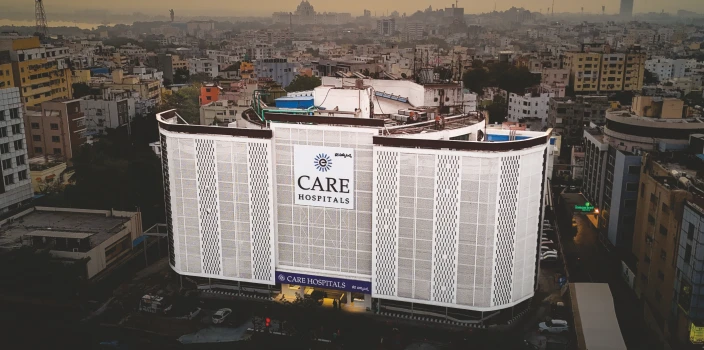
CARE Hospitals, Banjara Hills, Hyderabad
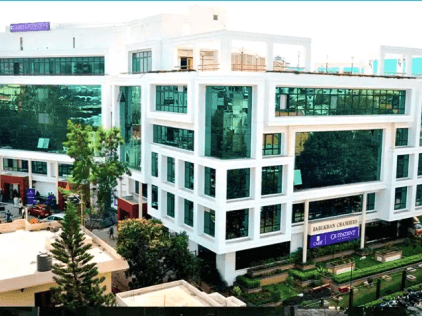
CARE Hospitals Outpatient Centre, Banjara Hills, Hyderabad
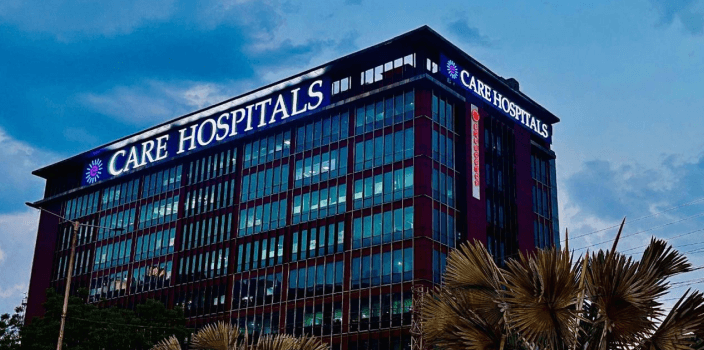
CARE Hospitals, HITEC City, Hyderabad
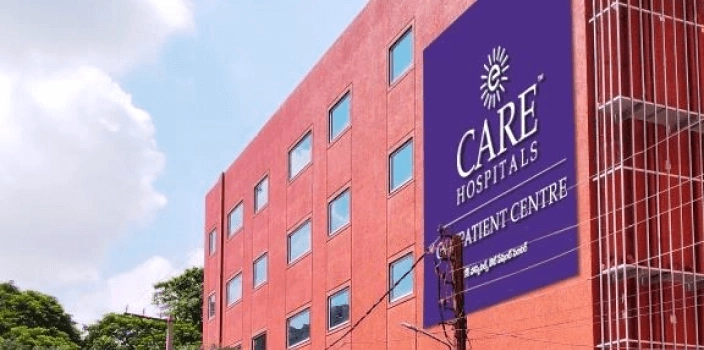
CARE Hospitals Outpatient Centre, HITEC City, Hyderabad
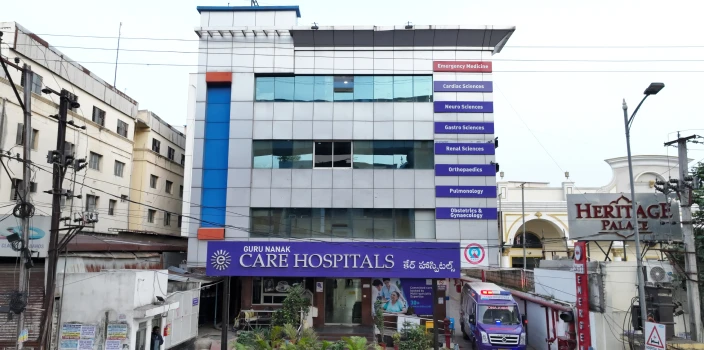
Gurunanak CARE Hospitals, Musheerabad, Hyderabad
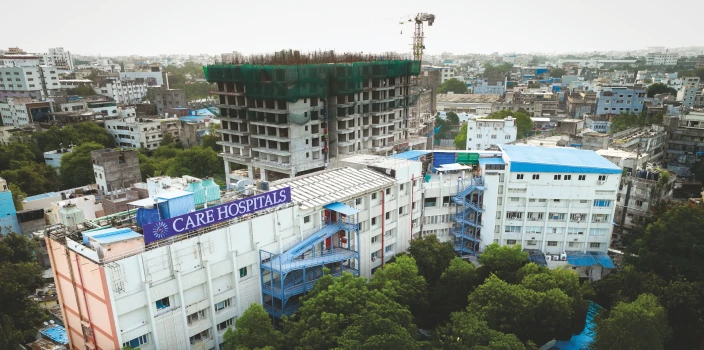
CARE Hospitals, Nampally, Hyderabad
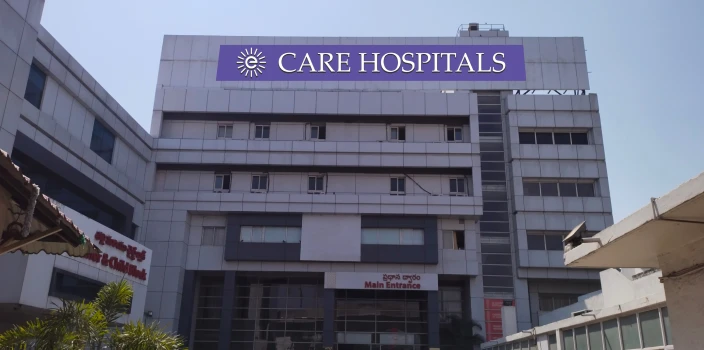
CARE Hospitals, Malakpet, Hyderabad
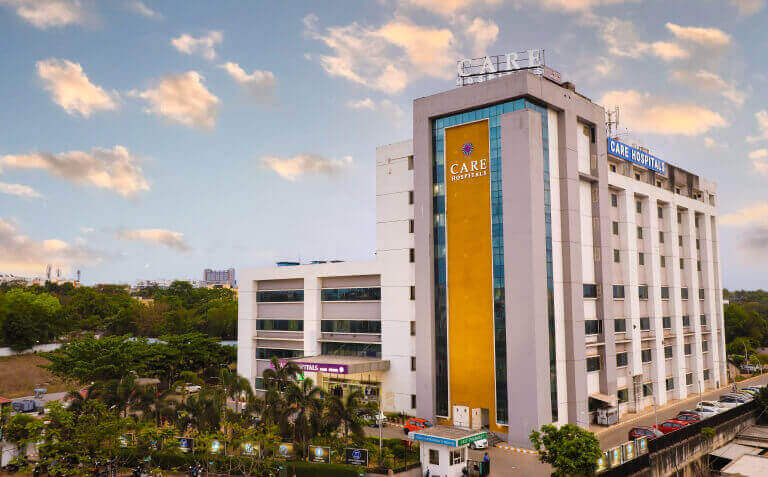
CARE Hospitals, Bhubaneswar
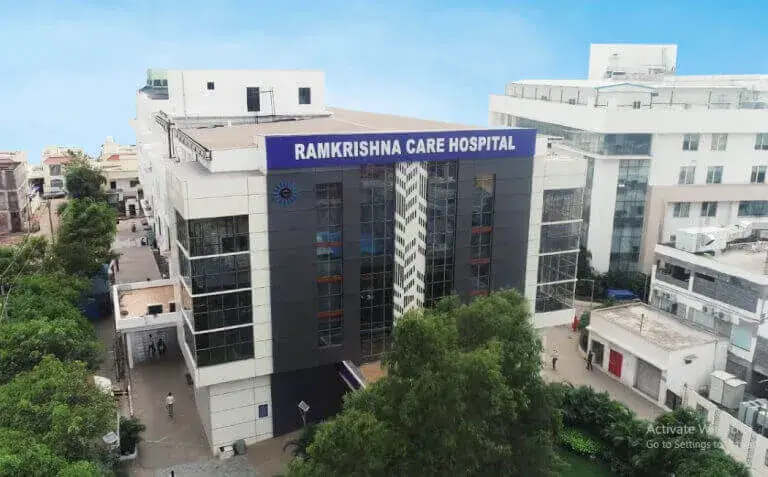
Ramkrishna CARE Hospitals, Raipur
CARE Hospitals, Ramnagar, Visakhapatnam
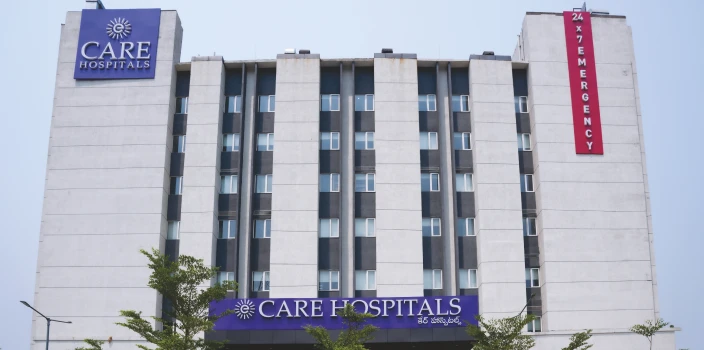
CARE Hospitals, Health City, Arilova
Frequently Asked Questions
Brain angiography images cerebral blood vessels to detect aneurysms, AVMs, dAVFs, carotid stenosis, dissection, vasculitis, moyamoya, and venous sinus thrombosis and is the procedural roadmap for thrombectomy, coiling, embolisation, and angioplasty.
Before the procedure, patients are usually advised to avoid eating or drinking for a few hours beforehand. It is important to inform the treating team about any known allergies, particularly to contrast dye or medications, as well as any history of kidney disease, current pregnancy or blood-thinning medications being taken regularly. Kidney function and clotting profile may be checked through a blood test before the procedure to ensure everything is in order.
CTA and MRA are painless. DSA is performed under local anaesthesia with sedation - the femoral puncture causes brief stinging and catheter advancement is not felt. A warm flushing sensation during contrast injection is common. Groin soreness for 24 to 48 hours is managed with simple analgesia.
- CTA: 5 to 10 minutes.
- MRA without contrast: 30 to 45 minutes; combined MRI brain with MRA: 45 to 60 minutes.
- Catheter DSA: 20 - 30 minutes standard; up to 90 minutes for complex cases with 2 to 4 hours post-procedure rest.
CTA and MRA are safe for most patients. DSA is safe and has <0.5% complication rate when performed by qualified Neurointervention specialist.. All contrast modalities carry allergy and nephropathy risk.
- CTA and DSA: nephropathy, contrast allergy, radiation.
- DSA: additionally stroke, transient deficit and femoral complications like bruising or bleeding.
- MRA with gadolinium: rare NSF
- Unenhanced MRA: no procedural risk.
- CTA and MRA: no need.
- After DSA: puncture leg straight for 2 to 4 hours with same-day or next-morning discharge and driving restricted for 24 to 48 hours.
DSA detects aneurysms as small as 1 to 2 mm. CTA detects 3 mm or larger and is the primary emergency tool. MRA screens at-risk populations (family history, ADPKD) and monitors after treatment. DSA provides neck morphology and dome-to-neck ratio for device selection.
CTA and MRA are performed within radiology departments. Catheter DSA is performed by Interventional neuroradiologists in a dedicated neuro Cath lab.
Still Have a Question?