



-
Centre of Excellence
Specialties
Treatments and Procedures
 HyderabadCARE Hospitals, Banjara Hills CARE Outpatient Centre, Banjara Hills CARE Hospitals, HITEC City CARE Hospitals, Nampally Gurunanak CARE Hospitals, Musheerabad CARE Hospitals Outpatient Centre, HITEC City CARE Hospitals, Malakpet
 Raipur
 Bhubaneswar
 Visakhapatnam
 Nagpur
 Indore
 Chh. Sambhajinagar
 Clinics & Medical Centers


-

-

-

-

-

-
Follow Us


Coronary Angiogram Treatment in Hyderabad
A coronary angiogram is a minimally invasive procedure that lets doctors see directly inside the coronary arteries (the arteries that supply blood to the heart), revealing any narrowing or blockage that could be causing chest pain or other cardiac symptoms. It is the most definitive procedure to diagnose coronary artery disease, guiding decisions about medication, angioplasty or bypass surgery depending on what is found. Because it uses a thin catheter rather than open surgery, most patients go home the same day or the next. This article explains why the procedure is performed, what happens during each stage and what to expect afterwards.
What Is a Coronary Angiogram?
A coronary angiogram procedure involves threading a thin, flexible catheter through a blood vessel, usually in the wrist or groin, up to the coronary arteries. Once positioned, a contrast dye is released directly into these arteries, and X-ray imaging captures exactly how blood flows through them in real time. Any narrowing, blockage or abnormality shows up clearly on the resulting images, giving cardiologists the detail they need to plan treatment. It is widely considered the gold standard test for confirming coronary artery disease, offering a level of detail that noninvasive tests cannot fully match.
Why Is a Coronary Angiogram Done?
Doctors perform a coronary angiogram for several closely related reasons. They are:
- Persistent chest pain or angina that has not been fully explained by other tests.
- Abnormal results on a stress test or echocardiogram.
- Following a heart attack, an angiogram identifies exactly which artery was affected and whether further treatment is needed immediately.
- Before certain heart surgeries, including valve repair, doctors use this procedure to map the coronary arteries and plan the operation safely.
- Patients with unexplained heart failure sometimes undergo an angiogram to check whether reduced blood flow is a contributing factor
- Ongoing monitoring of previously diagnosed coronary artery disease can include a repeat angiogram if symptoms change or worsen.
When Is Coronary Angiogram Recommended?
Doctors typically recommend this test in several specific situations. These are:
- If you have any new or worsening chest pain
- A family history of heart disease combined with symptoms
- Noninvasive testing that suggests reduced blood flow but does not pinpoint the exact location or severity.
- Recovery from a heart attack where understanding the affected artery shapes ongoing treatment.
- Planning ahead of major cardiac or occasionally other major surgery in a patient with known heart risk factors.
Types of Coronary Angiogram
Several variations of this procedure exist, differing mainly in access point and imaging technology used.
- Conventional invasive coronary angiography: This is the traditional and most detailed approach using a catheter guided directly into the coronary arteries.
- CT coronary angiography: Offers a noninvasive alternative, using a CT scanner and injected contrast rather than a catheter (suited to lower-risk patients)
- Radial access angiogram: Performed through an artery in the wrist, it has become increasingly preferred because of its lower bleeding risk and quicker recovery.
- Femoral access angiogram: Your doctor performs it through an artery in the groin, and it is a well-established alternative when radial access is not suitable.
How to Prepare for a Coronary Angiogram
Proper preparation helps ensure both safety and accuracy during the procedure.
- Doctors suggest fasting for six to eight hours before the angiogram.
- Doctors perform blood tests to check kidney function & clotting status (both of which affect how the body handles the contrast dye and the risk of bleeding).
- Doctors might pause certain medications, including some blood thinners and metformin (for diabetic patients), beforehand.
- Tell the medical team about any known allergies, especially to iodine or contrast dye.
What to Expect (Before, During and After Coronary Angiogram)
Understanding each stage helps make the overall experience feel considerably less unfamiliar.
- Before the procedure, an intravenous line is placed, mild sedation is given, and the chosen access site is cleaned and numbed with local anaesthetic.
- During the procedure the catheter is guided to the heart under X-ray guidance while contrast dye is injected, sometimes producing a brief warm, flushing sensation.
- The procedure itself typically takes between thirty and sixty minutes from start to finish.
- After the procedure, staff monitor patients closely for several hours, applying pressure to the access site to prevent bleeding.
- Femoral access generally requires lying flat for a period afterwards, while radial access allows quicker movement.
- Most patients are discharged the same day, though an overnight stay may be recommended depending on what the angiogram reveals.
Coronary Angiogram Procedure
The procedure itself follows a consistent sequence regardless of which access point is used. Local anaesthetic numbs the wrist or groin before the catheter is inserted into the artery. Guided by continuous X-ray imaging, the catheter is carefully threaded up to the coronary arteries. Contrast dye is then released directly into these arteries, and detailed X-ray images capture exactly how blood flows through them (revealing any narrowing or blockage). Once the necessary images have been obtained, the catheter is withdrawn, and pressure or a closure device is applied to the access site to control bleeding.
Risks and Complications of Coronary Angiogram
This procedure is generally very safe. However, it carries the risks associated with any catheter-based test. They are:
- Bruising or minor bleeding at the access site
- An allergic reaction to the contrast dye
- Blood clots at the catheter site
- Irregular heart rhythms.
- Because contrast dye is processed by the kidneys, patients with existing kidney problems face a slightly higher risk of temporary kidney strain.
- Serious complications, including heart attack, stroke or damage to the blood vessel, are rare.
Why Choose CARE Hospitals for Coronary Angiogram?
CARE Hospitals brings together experienced interventional cardiologists supported by a modern catheterisation laboratory equipped for both radial and femoral access procedures. This combination allows the safest, most appropriate approach to be selected for each individual patient. Every patient receives a clear explanation of why the procedure is being performed and what the findings could mean for ongoing treatment. Close monitoring continues through recovery with rapid access to further intervention (including angioplasty) should the angiogram reveal a significant blockage requiring immediate attention.
Conclusion
A coronary angiogram is a minimally invasive procedure that shows exactly what is happening within the heart's own blood vessels. It also guides treatment decisions with a level of clarity other tests cannot match. Though it involves a catheter and contrast dye, the procedure is minimally invasive, generally well tolerated and typically allows same-day discharge. Understanding what happens during the test helps most patients approach it with far greater confidence.
Our Doctors
-

Dr. Attada Prudhvi Raj
MBBS, MD, DNB
Cardiology
View More
-

Dr. Pranay Anil Jain
MBBS, MD, DM
Cardiology
View More
-
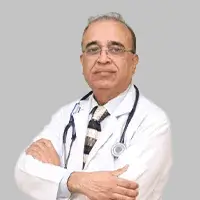
Dr. Javed Ali Khan
MBBS, MD, DM
Cardiology
View More
-
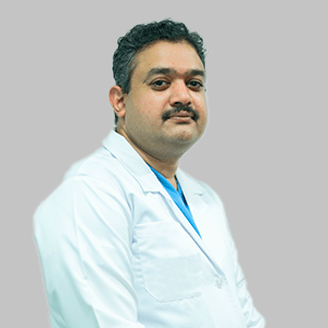
Dr. Arvind Singh Raghuwanshi
MBBS, MD-Medicine, DM-Cardiology
Cardiology
View More
-
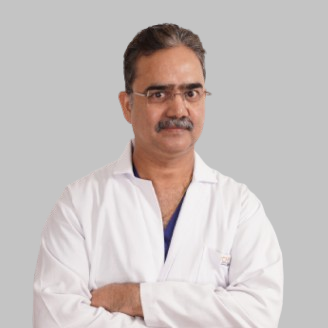
Dr. Sunil Kumar Sharma
MBBS, MD, DNB
Cardiology
View More
-

Dr. Rajeev Khare
MBBS, MD (Medicine), DM (Cardiology)
Cardiology
View More
-

Dr. Nitin Modi
MBBS, MD, DNB, DM
Cardiology
View More
-

Dr. Girish Kawthekar
MBBS, MD, DCM (France), FACC, FESS, FSCAI
Cardiology
View More
-

Dr. A. S. V. Narayana Rao
MBBS, MD (General Medicine), DM (Cardiology), FICC, FESC
Cardiology
View More
-

Dr. Alluri Raja Gopala Raju
MBBS, MD, DM, FICA
Cardiology
View More
-

Dr. Alluri Srinivas Raju
MBBS, MD, DNB
Cardiology
View More
-

Dr. Aman Salwan
MBBS, MD, DNB Cardiology, FICS (Singapore), FACC, FESE
Cardiology
View More
-

Dr. Ashish Mishra
MBBS, MD, DNB (Cardiology), FACC
Cardiology
View More
-

Dr. Atul Karande
MD, FASE, FIAE
Cardiology
View More
-

Dr. Beeku Naik Ds
MBBS (JIPMER), MD, DNB (Cardiology), FSCAI
Cardiology
View More
-

Dr. Bikram Keshari Mohapatra
MBBS, MD (Medicine), DM (Cardiology)
Cardiology
View More
-

Dr. C Sayee Sankar Vinod
MBBS, MD (General Medicine), DM (Cardiology)
Cardiology
View More
-

Dr. C. V. Rao
MBBS, MD (General Medicine), DM (Cardiology)
Cardiology
View More
-

Dr. Chanakya Kishore Kammaripalli
MBBS, MD, DM (Cardiology) (AIIMS), FACC, FSCAI
Cardiology
View More
-

Dr. Debasish Mohapatra
MBBS, MD (General Medicine), DM (Cardiology)
Cardiology
View More
-

Dr. Dhabaleswar Sahoo
MBBS, MD, (General Medicine), DM Cardiology, Gold Medalist - SGPGIMS, FSCAI (USA)
Cardiology
View More
-
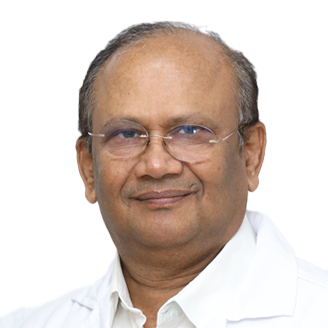
Dr. G.S.R.MURTHY
MBBS, MD (General Medicine), DM (Cardiology)
Cardiology
View More
-

Dr. Gandhamdara Kiran Kumar
MBBS, MD (Paediatrics), DM (Cardiology), FSCAI
Cardiology
View More
-
Dr. Ganesh Sapkal
MBBS, DM (Cardiology)
Cardiology
View More
-

Dr. Giridhari Jena
MBBS, MD, DM (Cardiology)
Cardiology
View More
-

Dr. Gulla Surya Prakash
MBBS, MD (AIMS), DM, FSCAI, FACC (USA), FESC (EUR), MBA (Hospital Administration)
Cardiology
View More
-

Dr. Indira Panda
MBBS, PGDCC, CCCS, CCEBDM
Cardiology
View More
-

Dr. Ippa Suresh
MBBS, MD (General medicine), DM (Cardiology)
Cardiology
View More
-

Dr. Johann Christopher
MBBS, MD, DNB, FACC, FICS
Cardiology
View More
-

Dr. Jyotirmaya Sahoo
MBBS, MD (Pulmonary Medicine), DM (Cardiology)
Cardiology
View More
-

Dr. K.V.S.S.R. Abhilash
MBBS, MD, (DNB)
Cardiology
View More
-

Dr. Kanhu Charan Mishra
MBBS, MD, DM (Cardiology)
Cardiology
View More
-

Dr. Lalith Agarwal
MBBS, DNB (Internal Medicine), DNB (Cardiology), FSCAI
Cardiology
View More
-

Dr. Lalitha Ravinuthala
MBBS,MD,DM
Cardiology
View More
-

Dr. Lalukota Krishna Mohan
MBBS, MRCP (UK), FRCP (London)
Cardiology
View More
-
Dr. M Srinivasa Rao
MD, DM (Cardiology), FACC (USA), FESC, FSCAI (USA)
Cardiology
View More
-

Dr. Mahendra Prasad Tripathy
MBBS, MD, DM (Cardiology)
Cardiology
View More
-
Dr. Milind Kharche
MD. DM (Cardiology ) Fellow of American College of Cardiology (FACC), Fellow of European Society of Cardiology (FESC)
Cardiology, Paediatric Cardiology
View More
-

Dr. Narasa Raju Kavalipati
MBBS, MD (General Medicine), DM (AIIMS New Delhi), FACC
Cardiology
View More
-

Dr. Naveen Kumar Cheruku
MBBS, DNB, DM, FESC, FSCAI (USA)
Cardiology
View More
-

Dr. P Krishnam Raju
MBBS, MD, DM
Cardiology
View More
-

Dr. P L N Kapardhi
MBBS, MD, DM (PGIMER), FACC, FSCAI, FESC, FICC
Cardiology
View More
-

Dr. P.V.V.N.M.KUMAR
MBBS, DM (Cardiology), MD (Paediatrics)
Cardiology, Pediatric Cardiology
View More
-

Dr. Panduranga
MBBS, MD (Internal Medicine), DM (Cardiology), FSCAI
Cardiology
View More
-

Dr. Pathakota Sudhakar Reddy
MBBS, MD, DM
Cardiology
View More
-
Dr. Priyen Kantilal Shah
MBBS, MD (Card, UKR), FCCP
Cardiology
View More
-

Dr. Puneet Goyal
DM (Cardiology)
Cardiology
View More
-

Dr. Rahul Agarwal S
M.B.B.S, FCCCM ( INDIA ) AFIC (INDIA) MD HM ( OU )
Cardiology, Critical Care Medicine
View More
-

Dr. Rakesh Dubba
MD, DM, PDF
Cardiology
View More
-

Dr. Ramakrishna SVK
MBBS, MD, DM, CEPS, CCDS (USA), FACC, FESC, FSCAI
Cardiology
View More
-

Dr. Ravi Kiran Muddada
MBBS, MD, DM (Cardiology) (NIMS - HYD)
Cardiology
View More
-

Dr. Ravi Raju
MD, FC, FACC
Cardiology
View More
-

Dr. Reetu Mishra
MBBS, PGDCC, PG Diploma (Clinical Diabetes)
Cardiology
View More
-

Dr. Revanur Vishwanath
MBBS, MRCP, FSCAI
Cardiology
View More
-

Dr. Sandeep Mohanty
MBBS, PGDCC, PG Diploma (Clinical Diabetes)
Cardiology
View More
-

Dr. Shailesh Sharma
MD, DM (Cardiology)
Cardiology
View More
-
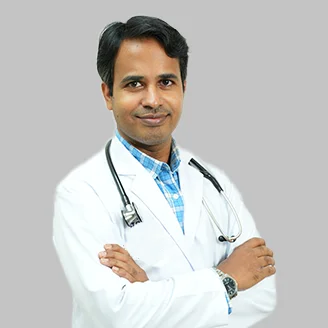
Dr. Shravan Kumar Ch
MBBS, DNB, DM
Cardiology
View More
-

Dr. Snehal Tularam Rangari
MBBS, MD, DNB
Cardiology
View More
-
Dr. Srivastava Ak
MBBS, MD, DNB (Cardiology)
Cardiology
View More
-

Dr. Sujit Kumar Tripathy
MBBS, MD (General Medicine), DM (Cardiology)
Cardiology
View More
-

Dr. Surya Prakasa Rao Vithala
MBBS, MD, DM, FACC, FSCAI, FCSI, FICC
Cardiology
View More
-

Dr. Tanmay Kumar Das
MBBS, MD (Gen Medicine), DM (Cardiology)
Cardiology
View More
-
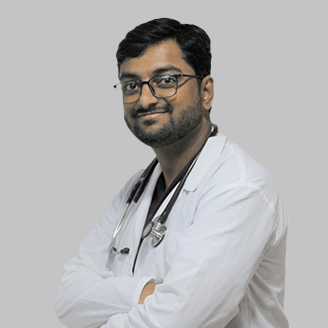
Dr. Umesh Khedkar
MBBS, MD (General Medicine), DM (Cardiology)
Cardiology
View More
-

Dr. V. Vinoth kumar
MBBS, MD, DM (Cardiology)
Cardiology
View More
-
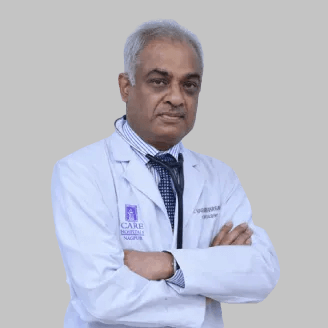
Dr. Varun Bhargava
MD, PGIMER
Cardiology
View More
-

Dr. Vipul Seta
MBBS, MD (MED), DNB(Cardiology)
Cardiology
View More



















































Frequently Asked Questions
Couldn’t find what you were looking for?
Need any help? Get a Call Back.

Still Have a Question?


