



-
Centre of Excellence
Specialties
Treatments and Procedures
 HyderabadCARE Hospitals, Banjara Hills CARE Outpatient Centre, Banjara Hills CARE Hospitals, HITEC City CARE Hospitals, Nampally Gurunanak CARE Hospitals, Musheerabad CARE Hospitals Outpatient Centre, HITEC City CARE Hospitals, Malakpet
 Raipur
 Bhubaneswar
 Visakhapatnam
 Nagpur
 Indore
 Chh. Sambhajinagar
 Clinics & Medical Centers


-

-

-

-

-

-
Follow Us


Best Epididymal Cyst Treatment in Hyderabad
Epididymal cysts are fluid-filled sacs that occur when the epididymis—the small tube behind a man’s testicle responsible for the storage and transportation of sperm—becomes engorged with fluid. Generally benign and painless, an epididymal cyst can become symptomatic (e.g., enlarged, uncomfortable, or swollen) when it reaches an adequate size to apply pressure on surrounding structures in the scrotum and cause issues.
Epididymal cysts can be present on either side (left, right, or bilateral), and although many men do not know they have them initially, those who have larger cysts may experience discomfort (i.e., “heaviness”) in their scrotum or may be concerned that they are infertile due to the presence of a large cyst.
At CARE Hospitals, our expert urologists provide the best epididymis cyst treatment in Hyderabad through the use of innovative diagnostic techniques and minimally invasive treatment procedures to recover safely and quickly.
Why Choose CARE Hospitals for Epididymal Cyst Treatment in Hyderabad?
Choosing the right hospital for epididymal cyst treatment is essential for accurate diagnosis and effective management. CARE Hospitals offers:
- Highly experienced urologists specialized in male reproductive health.
- Advanced diagnostic facilities for evaluating scrotal conditions.
- Comprehensive treatment options from medical management to advanced surgeries.
- Minimally invasive procedures for quick recovery and minimal discomfort.
- Personalized treatment plans based on the overall health.
What is an Epididymal Cyst?
An epididymal cyst is a benign fluid-filled sac that occurs in the epididymis. It is normally a smooth lump located above or behind the testicles. It is painless. It is possible it might develop on the left epididymal cyst side or the right epididymal cyst side. It is possible that the epididymal cyst may develop on both sides. These are normally harmless and may not need any treatment.
One should know the difference between spermatocele vs epididymal cyst. A spermatocele is normally composed of a fluid containing sperm, whereas the epididymal cyst is composed of a fluid.
Epididymal Cyst Causes
There can be multiple causes for the development of an epididymal cyst, but they generally include one or more of the following factors:
- Epididymis Tube Blockage: If there is a buildup of fluid due to a blockage in the tiny tubes of the epididymis, then that can lead to the formation of a cyst.
- Injury or Trauma: If one has an injury to the scrotum, it may hinder normal draining of fluids, which creates an opportunity for a cyst to form.
- Inflammation or Infection: In some cases, inflammation of the epididymis (epididymitis) will cause the development of a cyst.
- Age-Related Changes: Middle-aged men are often more likely to develop epididymal cysts as a result of natural changes in their reproductive organs over time.
By identifying these causes of epididymal cysts, a doctor will be able to choose an appropriate method for treating them.
Epididymal Cyst Symptoms
An epididymal cyst typically does not produce any symptoms and is often found by chance. That said, here are some potentially concerning symptoms that may arise from having an epididymal cyst:
- A scrotal lump: A smooth, small lump may be felt above or behind the testicle.
- Scrotal discomfort: Patients may have mild discomfort or heaviness in the scrotum.
- Scrotal swelling or fullness: If the cyst increases in size, you may notice scrotal swelling or fullness.
- Pain: Pain or irritation can occur as a result of larger cyst sizes in some rare cases.
Recognizing epididymal cyst symptoms early helps ensure timely medical evaluation.
How is it Diagnosed?
The diagnosis of an epididymal cyst usually starts with a physical examination done by a urologist who will look for swelling or lumps in your scrotal area and see if there is tenderness.
Ultrasound is usually ordered after the physical examination to confirm the diagnosis and rule out other conditions by imaging your scrotal area. The ultrasound will provide detail as to the size and location of the cyst and will help differentiate between conditions such as a spermatocele or an epididymal cyst.
Early diagnosis is essential for deciding whether to treat the epididymal cyst or observe it.
Treatment for Epididymal Cyst
The approach to epididymal cyst treatment depends on the size of the cyst and the severity of symptoms.
- Nonsurgical Treatment: For small-sized cysts that do not cause discomfort, treatment is often unnecessary. In this case, doctors may advise patients to:
- Undergo regular checkups to monitor the condition.
- Take medicines if discomfort occurs.
- Make lifestyle changes and wear supportive wear for the scrotum.
- Patients may ask how to shrink epididymal cysts naturally. The real thing is small-sized cysts may not grow larger; however, it is important to have the condition checked by a medical practitioner to monitor changes.
- Minimally Invasive Treatment: When the cysts become larger in size or cause discomfort, treatment may be necessary. In this case, the following treatment may be recommended:
- Aspiration: In this treatment, the fluid in the cyst may be drained using a needle. However, this treatment may not be a permanent solution since the cyst may refill with fluid after some time.
- Surgical Treatments: In cases where the cyst grows to a larger size, causes pain, or results in discomfort, surgical procedures may be required to treat an epididymal cyst.
- Epididymal Cyst Excision: This procedure requires surgical removal of the cyst without damaging any of the other structures of the epididymis or testicles. This procedure is done under local or general anesthesia.
- With recent advancements in surgical procedures for treating an epididymal cyst, there is minimal discomfort after surgery, quick recovery from the procedure, and low chances of complications.
Risk Factors of Epididymal Cyst
There are certain factors that may raise the risk of developing an epididymal cyst:
- Past scrotal injury or trauma
- Infection in the reproductive system
- Blockage in the epididymal ducts
- Changes in the reproductive organs due to age
Understanding these risk factors can help in early detection and management.
Complications of Epididymal Cyst
In general, most of the epididymal cysts are harmless, but rare complications may arise in some cases:
- Scrotal Discomfort: Larger epididymal cysts can cause discomfort.
- Cosmetic Problems: Epididymal cysts that cause scrotal swelling can be a cosmetic concern for some people.
- Rare Fertility Problems: Very large epididymal cysts can sometimes cause fertility problems.
Proper epididymal cyst treatment can prevent problems and promote better urological health.
Conclusion
An epididymal cyst is usually a benign condition that may not require treatment unless symptoms develop. The medical assessment needs to occur because it helps identify different scrotal disorders and determines the appropriate treatment method.
At CARE Hospitals, our expert urologists provide advanced epididymal cyst treatment in Hyderabad, and they also offer non-surgical and surgical treatment methods, which depend on the patient's current medical state. Our goal is to ensure accurate diagnosis, effective treatment, and long-term comfort for every patient.
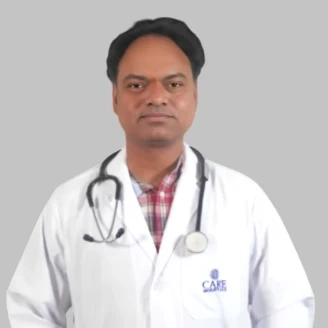
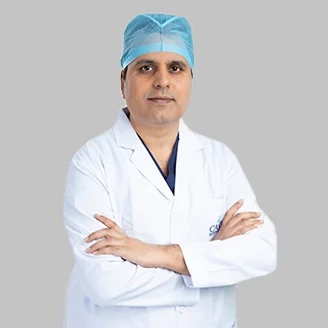
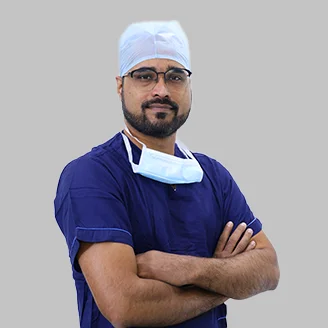
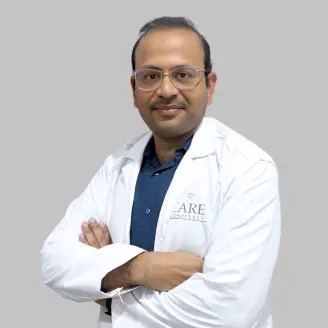
Our Doctors
-

Dr. Saurabh Julka
MBBS, MS, DNB (Urology)
Urology
View More
-

Dr. Ajay Parashar
MS, MCh (Urology)
Renal Transplant, Urology
View More
-

Dr. Arun Chinchole
MS (General Surgery), DNB (General Surgery), DNB (Urology), MNAMS
Nephrology, Urology
View More
-

Dr. Arun Rathi
MBBS, MS (General Surgery), MCh (Genitourinary Surgery), HUGO Medtronics Robotic Training
Urology
View More
-

Dr. B V Rama Raju
MBBS, MS, MCh
Urology
View More
-

Dr. Bhoopal Naik
MBBS (Osmania), MS (Gen Surgery, PGI, Chandigarh), MCh (Urology, PGI, Chandigarh)
Urology
View More
-

Dr. Darga Shanti Laxmi
MBBS (Gold medallist), MS general Surgery (Gold medallist), DrNB Urology
Urology
View More
-

Dr. Jyoti Mohan Tosh
MBBS, MS (General Surgery), Mch (Urology)
Renal Transplant, Urology
View More
-

Dr. Muqqurab Ali
MS, DrNB Urology
Urology
View More
-

Dr. Murali Mohan Bheri
MBBS, MS(General Surgery), M.Ch (Genito Urinary Surgery)
Urology
View More
-
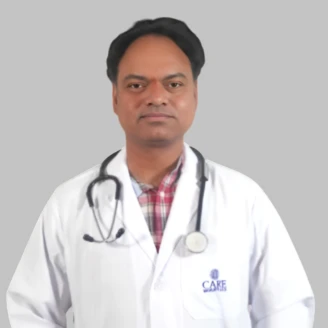
Dr. Naveen Kumar Poola
MBBS, MS, M.Ch (Urology)
Urology
View More
-

Dr. Neelonlla Bhasker Reddy
MBBS, DNB (General Surgery), MCh (Urology), Uro-Oncology Fellowship
Urology
View More
-
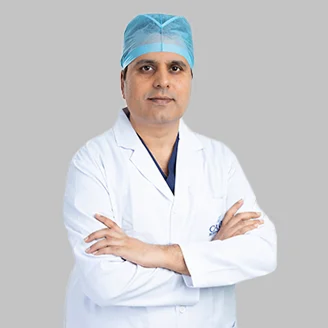
Dr. P Randheer Kumar
MBBS, MS , MCH
Urology
View More
-

Dr. P Vamsi Krishna
MBBS, MS, MCh
Renal Transplant, Urology
View More
-
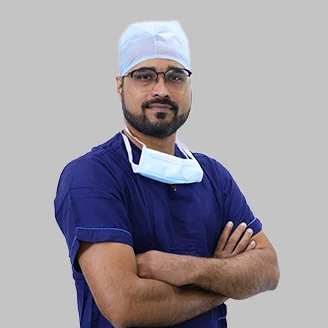
Dr. Sumanta Kumar Mishra
MBBS, M.S (General Surgery), M.CH (Urology, CMC, Vellore), DNB (Genito-Urinary Surgery)
Renal Transplant, Urology
View More
-

Dr. Sushanth Kulkarni
MBBS, MS, Mch
Renal Transplant, Urology
View More
-

Dr. Suvajit Pradhan
MBBS, MS, DNB (Urology)
Urology
View More
-

Dr. SV Chaitanya
MBBS, MS, MCh (Urology)
Urology
View More
-

Dr. Upendra Kumar N
MBBS, MS (General Surgery), Mch (Urology)
Urology
View More
-
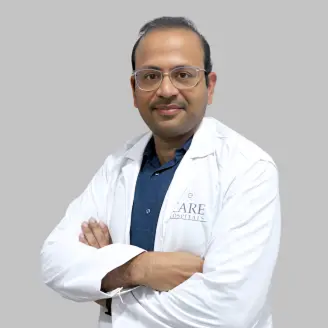
Dr. V K Vidyakar Veeramallu
MBBS, MS, MCh (Urology)
Urology
View More
-

Dr. Vaibhav Vinkare
MBBS, MS (General Surgery), MCh (Urology)
Urology
View More
-

Dr. Varun Sharma
MBBS, MS, M.Ch (Urology)
Urology
View More
-

Dr. Venu Manne
MBBS, MS, FAGE, DNB (Urology)
Urology
View More
-

Dr. Vinay Kumar Ankam
MBBS, MS, Mch (Urology)
Urology
View More
-

Dr. Vipin Sharma
M.S. (General Surgery), MCh Urology, DrNB Urology, Fellowship in Reconstructive Urology
Urology
View More
-

Dr. Yalla Deepak Vamsi
MBBS, MS, MCh (Urology)
Urology
View More





















Frequently Asked Questions
Couldn’t find what you were looking for?
Need any help? Get a Call Back.

Still Have a Question?


