



-
Centre of Excellence
Specialties
Treatments and Procedures
 HyderabadCARE Hospitals, Banjara Hills CARE Outpatient Centre, Banjara Hills CARE Hospitals, HITEC City CARE Hospitals, Nampally Gurunanak CARE Hospitals, Musheerabad CARE Hospitals Outpatient Centre, HITEC City CARE Hospitals, Malakpet
 Raipur
 Bhubaneswar
 Visakhapatnam
 Nagpur
 Indore
 Chh. Sambhajinagar
 Clinics & Medical Centers


-

-

-

-

-

-
Follow Us


Paracentesis Treatment in Hyderabad
Fluid sometimes collects in the abdomen where it does not belong, a condition called ascites, and it can turn an otherwise manageable illness into one that leaves a person short of breath and constantly uncomfortable. Paracentesis drains that fluid directly with a thin needle rather than surgery and it works quickly. Some patients need it once, purely to find out what is causing the buildup. Others need it again and again as part of managing a long-term condition. This guide covers what the procedure involves, who typically needs it and what actually happens on the day.
What Is Paracentesis?
A doctor inserts a needle or a small catheter through the abdominal wall and into the space where the fluid has gathered (this space is known as the peritoneal cavity). Ultrasound usually guides this step pinpointing exactly where the fluid pocket sits and steering the needle clear of nearby organs. Sometimes only a small amount is drawn out, just enough to send to a lab for testing. Other times, several litres come out in one sitting, aimed purely at relieving pressure and discomfort. Both versions use the same basic technique. What differs is the goal, and how much fluid actually leaves the body.
When Is Paracentesis Recommended?
Certain situations call for this procedure specifically.
- New ascites has appeared and nobody yet knows why.
- The abdomen has become visibly swollen and uncomfortable enough to affect daily life.
- An infection inside the fluid itself, called spontaneous bacterial peritonitis, is suspected.
- Pain has developed along with the swelling and needs investigating.
- Breathing has become difficult because fluid is pressing up against the diaphragm.
What Conditions Can Be Treated with Paracentesis?
Ascites shows up for a range of reasons, and paracentesis plays a role in managing most of them.
- Liver cirrhosis is by far the most common cause as scarred liver tissue disrupts normal fluid balance in the abdomen.
- Certain cancers, including ovarian, liver and pancreatic cancer, can produce what doctors call malignant ascites.
- Sometimes during heart failure fluid gets pushed into the abdominal cavity when the heart cannot pump efficiently enough.
- Kidney disease can disrupt fluid regulation in a similar way, leading to abdominal fluid buildup.
- An infection in the abdomen, or inflammation from pancreatitis, can also result in ascites that needs drainage.
- Rarely, a blocked lymphatic vessel or a thyroid condition can contribute to fluid building up in the abdomen too.
Types of Paracentesis
Not every paracentesis looks the same, since the amount of fluid removed and the reason for the tap both vary.
- Diagnostic paracentesis removes only a small sample, generally twenty to fifty millilitres, purely for laboratory analysis.
- Therapeutic paracentesis removes far larger volumes, sometimes several litres, aimed squarely at relieving pressure and discomfort.
- Ultrasound-guided paracentesis uses live imaging throughout, improving both accuracy and safety.
- Serial paracentesis refers to repeated sessions over time common in patients whose ascites keeps returning.
- Large-volume paracentesis, a specific subtype of the therapeutic version, refers to removing more than five litres in a single session.
Who May Need Paracentesis?
Doctors recommend paracentesis in certain patient groups. They are:
- Someone with cirrhosis who has just developed new fluid buildup.
- A cancer patient whose abdominal swelling has become genuinely uncomfortable.
- Anyone with suspected infection inside the abdominal fluid itself.
- A patient whose breathing has grown laboured because of pressure from excess fluid.
- Someone whose doctor needs a fluid sample simply to work out what is going on.
- A patient already known to have recurring ascites, needing another routine drainage session.
Paracentesis Procedure: What to Expect (Before, During and After)
Breaking the procedure into stages makes the whole thing far less intimidating.
Before the Procedure
- An ultrasound scan locates the fluid pocket and confirms the safest spot for the needle.
- Blood tests check clotting function before the procedure (particularly important in patients with liver disease).
- Consent is discussed, along with a plain explanation of what the procedure involves.
- Patients are usually asked to empty their bladder just before the tap begins.
- Lying back, sometimes with the head slightly raised, is the typical position for the procedure.
- Any current medicines (more important for blood thinners) are reviewed beforehand with the care team.
During the Procedure
- Local anaesthetic numbs the skin and deeper tissue at the chosen insertion point.
- Guided by ultrasound, the needle or catheter passes through the abdominal wall into the fluid.
- Fluid drains out slowly, whether into a small syringe for testing or larger collection bottles for a therapeutic tap.
- Blood pressure and heart rate are watched closely, especially when several litres are being removed.
- Depending on how much fluid needs draining, the whole process generally takes twenty minutes to an hour.
- Patients are usually asked to stay still and let the care team know immediately if anything feels wrong.
After the Procedure
- A small dressing covers the puncture site once the needle comes out.
- The site is checked for any ongoing leakage or unusual bleeding.
- Patients who have had a large volume removed sometimes receive albumin through an IV to help stabilise circulation.
- Most people go home the same day, often within an hour or two of finishing.
- Any fluid drawn for testing is sent straight to the laboratory for analysis.
- Patients are usually given clear guidance on when to seek help, such as worsening pain or a fever developing later.
Benefits of Paracentesis
This procedure offers real, immediate advantages for the right patient.
- Pressure and discomfort in the abdomen ease almost as soon as the fluid comes out.
- Breathing often improves noticeably once fluid stops pressing against the diaphragm.
- Testing the fluid can reveal exactly what is driving the ascites in the first place.
- Because it avoids surgery entirely, recovery is quick and complications are relatively rare.
- For patients with recurring ascites, repeat sessions offer reliable, ongoing relief without needing more invasive treatment.
- Appetite often improves too, since a swollen abdomen can otherwise make eating a normal meal genuinely uncomfortable.
Risks and Complications of Paracentesis
This is a generally safe procedure, though a few risks are worth knowing about.
- Minor bleeding at the puncture site is fairly common and usually settles quickly.
- Infection is possible, though it remains uncommon with proper sterile technique.
- Without careful imaging guidance, there is a small chance of injuring the bowel or bladder.
- Fluid can occasionally continue leaking from the puncture site for a short time afterwards.
- Removing a very large volume without replacing albumin can sometimes cause blood pressure to drop.
- Serious complications, including organ injury, are rare when the procedure is performed with ultrasound guidance.
- Protein loss can occur with very frequent large-volume taps, which is one reason repeat sessions are monitored carefully over time.
Why Choose CARE Hospitals for Paracentesis?
Gastroenterologists and hepatologists at CARE Hospitals perform paracentesis routinely and ultrasound guidance is used as standard practice rather than an occasional add-on. This is important as we make the procedure both accurate and safe even for patients with complex liver disease or cancer-related ascites.
Patients dealing with recurring ascites benefit from continuity of care as the same team tracks fluid patterns over time and adjusts the approach as needed. Coordination with liver specialists and oncologists ensures paracentesis fits naturally into the wider treatment plan rather than existing as an isolated procedure.
Conclusion
Paracentesis offers quick, meaningful relief for a problem that can otherwise make everyday life genuinely difficult. Whether the goal is diagnosis or symptom relief, the procedure itself is simple, well tolerated and typically completed within an hour. Understanding what to expect at each stage makes an unfamiliar procedure feel a good deal less daunting.
Our Doctors
-

Dr. Siddarth Tamaskar
MBBS, MS, FMAS, FIAGES
Gastroenterology – Surgical, General Surgery
View More
-
Dr. Sandeep Pandey
MD, DM
Gastroenterology Medical
View More
-
Dr. Sandeep Dave
MBBS, MS, FIAGES, FAMS
Gastroenterology – Surgical, General Surgery
View More
-
Dr. Lalit Nihal
MBBS, MD, DM
Gastroenterology Medical
View More
-

Dr. Jawwad Naqvi
MBBS, MS, FIAGES, FMAS, FIALS
Gastroenterology – Surgical, General Surgery
View More
-
Dr. C P Kothari
MBBS, MS, FICS, FIAGES, FMAS
Gastroenterology – Surgical
View More
-

Dr. Surendra Kumar Khunte
MBBS, MD Medicine, DM (Gastroenterology)
Gastroenterology Medical
View More
-

Dr. Ravindra Kale
MBBS, MD (Medicine), DM (Gastroenterology)
Gastroenterology Medical
View More
-
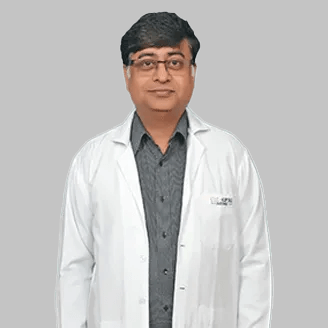
Dr. Neeraj Jain
MBBS, MD, DNB, DM
Gastroenterology Medical
View More
-

Dr. A R Vikram Sharma
MBBS, MS
General Surgery
View More
-
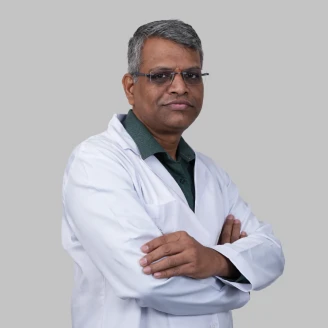
Dr. A. Suresh Chandra
MBBS, MS, DNB (GI Surgery)
Gastroenterology – Surgical
View More
-

Dr. Akash Chaudhary
MBBS, MD, DM
Gastroenterology Medical
View More
-
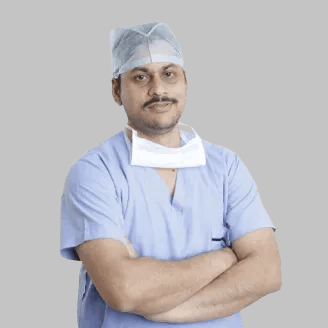
Dr. Alok Rath
MBBS, MS, FNB (Minimal Access & Surgery)
Gastroenterology – Surgical
View More
-
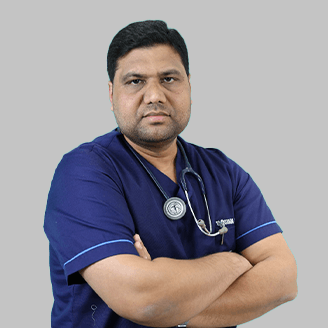
Dr. Anshuman Singh
MBBS, MD (Medicine), DM (Gastroenterology - IPGMER Kolkata)
Gastroenterology Medical
View More
-

Dr. B Ravinder Reddy
MBBS, MS, FRCS (Edinburgh), FRCS (Glasgow)
Gastroenterology – Surgical, General Surgery
View More
-
Dr. Bhageerath Raj D
MBBS, MD, DM (Gastro)
Gastroenterology Medical
View More
-

Dr. Bhupathi Rajendra Prasad
MS, DNB (Superspeciality, Surgical Gastro-NIMS), FICRS (Robotic Surgery), FMAS (Minimal Access Surgery), FALS (Fellowship in Advanced Laproscopic Surgery - Oncology, Colorectal, HBP, Hernia)
Gastroenterology – Surgical
View More
-

Dr. Biswabasu Das
MBBS (Hons), MS (General Surgery), MCh (Surgical Gastroenterology) (AIIMS New Delhi), Fellow (HPB SURG) (MSKCC, NY, USA)
Gastroenterology – Surgical
View More
-

Dr. Charu Sharma
MBBS, DNB, DrNB
Gastroenterology Medical
View More
-

Dr. D.V. Srinivas
MBBS, MD, DM
Gastroenterology Medical
View More
-

Dr. Dillip Kumar Mohanty
MBBS, MD, DNB (Gastroenterology), Fellowship in Advance Endoscopy & ERCP
Gastroenterology Medical
View More
-
Dr. G. Satyanarayana
MBBS, MD (Medicine), DM (Gastroenterology)
Gastroenterology Medical
View More
-
Dr. Ghana Shyam Gangu
MBBS, DNB, DM (Gastroenterology)
Gastroenterology Medical
View More
-
Dr. Hitesh Kumar Dubey
M.B.B.S, M.S (Gen. Surgery), MCH-SS (G.I and HPB Surgery)
Gastroenterology – Surgical
View More
-

Dr. J Vinod Kumar
MBBS, MS, FAIS, FIAGES, FMAS
Gastroenterology – Surgical, General Surgery
View More
-
Dr. J. Shravan Kumar
MBBS, MD, (Internal Medicine), DM (Gastroenterology)
Gastroenterology Medical
View More
-

Dr. Jatashankar Mohapatra
MBBS, MS (General Surgery)
Gastroenterology – Surgical, General Surgery
View More
-
Dr. Karthikeya Raman Reddy
MBBS, MD (General Medicine)
Gastroenterology Medical
View More
-
Dr. Karunakar Reddy
MBBS, MS (General Surgery), DrNB (Surgical Gastroenterology)
Gastroenterology – Surgical
View More
-

Dr. Mannem Manoj Kumar
M.B.B.S., D.N.B. (General Surgery), M.Ch. (Surgical Gastroenterology)
Gastroenterology – Surgical
View More
-
Dr. Mohit Jain
MBBS, MD (General Medicine), DNB (Gastroenterology)
Gastroenterology Medical
View More
-

Dr. Moka Praneeth
MBBS, MD (Medicine, AIIMS Delhi), MRCP (UK), DM (Gastroenterology, AIIMS, Delhi), ESE (Gastroenterology)
Gastroenterology Medical
View More
-

Dr. Mustafa Hussain Razvi
MBBS, MS (General Surgery), DNB (Surgical Gastroenterology)
Gastroenterology – Surgical, General Surgery
View More
-
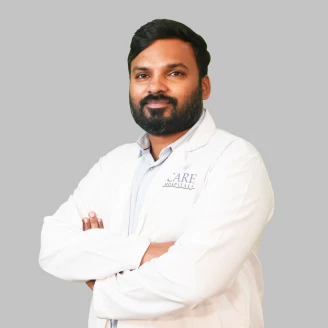
Dr. N. Gowtham Kumar
MBBS, MD, DM
Gastroenterology Medical
View More
-
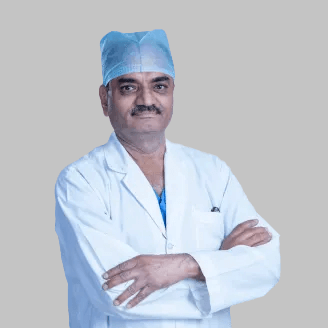
Dr. P. P. Sharma
MBBS, MS (Surgery), FAIS, FICS, FMAS, FIAGES
Gastroenterology – Surgical, General Surgery
View More
-

Dr. Parvez Ansari
MBBS, DNB (General Surgery)
General Surgery
View More
-
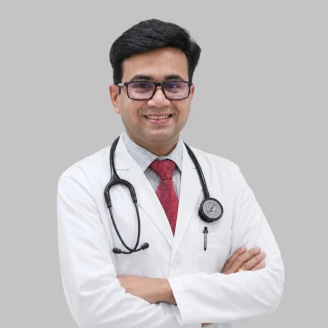
Dr. Raghuram Kondala
MBBS, MD (PGI), DM (G.B PANT)
Gastroenterology Medical
View More
-
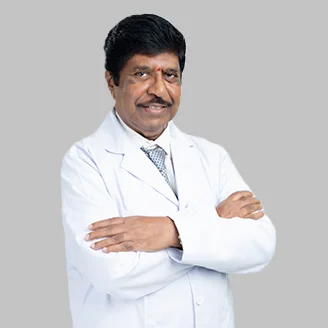
Dr. Ramsagar Vidya Sagar
MD, DM
Gastroenterology Medical
View More
-
Dr. Ravi Kiran T
MBBS, MD (General Medicine) , DrNB (Medical Gastroenterology)
Gastroenterology Medical
View More
-

Dr. Rithvik Golla
MBBS (Osmania), MD (PGIMER, Chandigarh), DM (AIIMS, New Delhi)
Gastroenterology Medical
View More
-

Dr. Rohan Kamalakar Umalkar
MBBS, MS (General Surgery)
General Surgery
View More
-
Dr. S Jagadeswar
MD(General Medicine), DM(Gastroentrology)
Gastroenterology Medical
View More
-

Dr. Sandeep Kumar Sahu
MBBS, DNB (Surgery), FMAS, FIAGES, FALS (Robotics)
Gastroenterology – Surgical
View More
-
Dr. Santosh Kumar Behera
MBBS, MS (General Surgery)
Gastroenterology – Surgical, General Surgery
View More
-
Dr. Shakeel Babu Shaik
MS, MCh
Gastroenterology – Surgical
View More
-
Dr. Sudhir Tomey
M.B.B.S. , M.S. (General Surgery), M.Ch. (G.I. Surgery)
Gastroenterology – Surgical
View More
-
Dr. Tapas Mishra
MS, FIAGES, FMAS, DIPMAS (Bariatric)
General Surgery, Laparoscopic and Bariatric Surgery
View More
-
Dr. Venugopal Pareek
MBBS, MS, DNB, FMAS, FIAGES, FAIS
Gastroenterology – Surgical, Laparoscopic and Bariatric Surgery
View More
-

Dr. Vinit Kahalekar
MBBS
Gastroenterology Medical
View More






















Frequently Asked Questions
Couldn’t find what you were looking for?
Need any help? Get a Call Back.

Still Have a Question?


