



-
Centre of Excellence
Specialties
Treatments and Procedures
 HyderabadCARE Hospitals, Banjara Hills CARE Outpatient Centre, Banjara Hills CARE Hospitals, HITEC City CARE Hospitals, Nampally Gurunanak CARE Hospitals, Musheerabad CARE Hospitals Outpatient Centre, HITEC City CARE Hospitals, Malakpet
 Raipur
 Bhubaneswar
 Visakhapatnam
 Nagpur
 Indore
 Chh. Sambhajinagar
 Clinics & Medical Centers


-

-

-

-

-

-
Follow Us

Abdominal Pain and Painful Urination: Causes, Treatment, and Prevention
Abdominal pain and burning when you urinate—these two symptoms together are not a coincidence. When they show up at the same time, your body is pointing to something specific.
Does that combination always mean a urine infection? Not always. A UTI is the most common cause, but kidney stones, sexually transmitted infections, and pelvic conditions can all cause the same pair of symptoms. Getting the right diagnosis early makes a real difference in how quickly you recover.
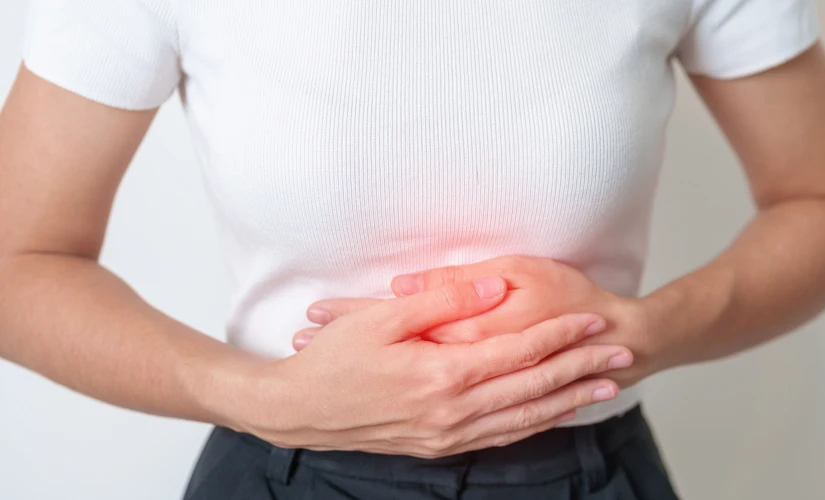
What Causes Abdominal Pain and Painful Urination?
The two symptoms together narrow things down considerably. Most causes sit in your urinary tract or pelvic organs.
- Urinary tract infections: Bacteria, usually E. coli from the gut enter the urethra and travel up into the bladder. The result is burning or stinging when you urinate, a constant urge to go, and a dull ache or pressure in your lower abdomen. Women get UTIs far more often than men. The urethra is shorter in women, so bacteria have a quicker route to the bladder.
- Kidney infections: Kidney infections start as untreated bladder infections. The bacteria move upward and reach one or both kidneys. The belly pain does not stay low, but it shifts into your back and side, often right below your ribcage. Fever and chills usually come with it. This needs urgent treatment. A kidney infection left too long can cause permanent damage.
- Kidney stones: A stone sitting quietly inside the kidney may cause no pain at all. The moment it reaches into the ureter (the narrow tube that connects the kidney to the bladder), it causes symptoms. The pain is intense and comes in waves. Blood in the urine and nausea usually follow.
- Sexually transmitted infections: STIs are a less obvious but common cause. Chlamydia and gonorrhoea both cause lower abdominal cramping and a burning sensation during urination.
- Pelvic inflammatory disease: PID affects women and happens when an infection spreads to the uterus, fallopian tubes, or ovaries. The pain tends to be deep in the pelvis rather than just the bladder area. Urinary discomfort often comes with it, particularly during or after sex. Endometriosis and ovarian cysts can produce a similar combination.
- Prostatitis: Inflammation of the prostate gland causes pain in the lower abdomen and pelvis, difficulty starting urination, and a burning sensation. It can be bacterial or non-bacterial.
- Bladder conditions: Bladder diseases such as interstitial cystitis cause persistent pelvic pain and urinary burning with no infection present at all. Bladder tumours though less common, can cause the same pairing.
Treatment for Abdominal Pain and Painful Urination
Your doctor will run a urine test first. That result guides everything.
Urinary tract and kidney infections:
- Antibiotics (the type and length of course depend on the bacteria found)
- Increased fluid intake
- Pain relief for cramps
- IV antibiotics in the hospital for severe kidney infections
Kidney stones:
- High fluid intake to help small stones pass
- Pain relief
- Alpha-blockers to relax the ureter
- Lithotripsy to break up larger stones
- Surgery for stones that will not pass on their own
Sexually transmitted infections:
- Antibiotic or antiviral medication
- Your partner must also be treated to prevent reinfection
- Pelvic inflammatory disease:
- Oral antibiotics for mild cases
- IV antibiotics in the hospital for severe cases
Prostatitis:
- Antibiotics for bacterial cases
- Alpha-blockers to ease urinary flow
- Anti-inflammatory medication
Interstitial cystitis and bladder conditions:
- Bladder training
- Dietary changes
- Medication to reduce bladder irritation
- Physiotherapy
When to See a Doctor
See a doctor if these symptoms do not ease within a day or two. Consult a doctor if you notice:
- Fever above 38.5°C with chills
- Severe pain in your back or side
- Blood in your urine
- Inability to urinate for several hours
- Vomiting you cannot control
- Pregnancy alongside any of the above symptoms
- Confusion or sudden fatigue
These signs point to a kidney infection, a kidney stone, or something else that needs same-day attention.
Prevention of Abdominal Pain and Painful Urination
Most urinary infections are avoidable. These habits make a measurable difference:
- Drink at least 2.5 to 3 litres of water daily
- Urinate after sex
- Wipe from front to back after using the toilet
- Do not hold urine for long periods
- Wear breathable cotton underwear
- Avoid scented soaps and douching in the genital area
- Get regular STI screenings if sexually active with multiple partners
- Complete every antibiotic course fully, even if you feel better before it finishes.
Conclusion
Belly pain and burning urine together are not something to wait out. Most causes are completely treatable when caught early. A urine test is often all it takes to get answers and start the right treatment. The longer you leave it, the more complex it gets. Come in and get checked.
FAQs
1. Can a UTI cause stomach pain?
Yes. Bladder infections cause pressure and cramping in your lower abdomen, along with a burning sensation during urination. If the pain moves to your back or side, the infection may have reached your kidneys, which need urgent attention.
2. Is burning urination always caused by an infection?
No. Kidney stones, STIs, interstitial cystitis, and prostatitis all cause the same burning sensation with no bacterial infection involved. A urine culture is the only way to know for certain what is happening.
3. Can men get urinary tract infections?
Yes, though it is much less common than in women. In men, a UTI often signals an underlying issue like an enlarged prostate, a kidney stone, or something else. Always get a proper evaluation rather than assuming it will clear on its own.

Still Have a Question?


