



-
Centre of Excellence
Specialties
Treatments and Procedures
 HyderabadCARE Hospitals, Banjara Hills CARE Outpatient Centre, Banjara Hills CARE Hospitals, HITEC City CARE Hospitals, Nampally Gurunanak CARE Hospitals, Musheerabad CARE Hospitals Outpatient Centre, HITEC City CARE Hospitals, Malakpet
 Raipur
 Bhubaneswar
 Visakhapatnam
 Nagpur
 Indore
 Chh. Sambhajinagar
 Clinics & Medical Centers


-

-

-

-

-

-
Follow Us
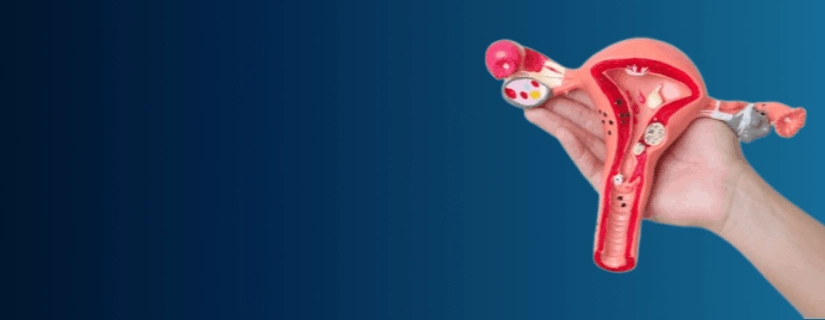
Fibroid Pain: Causes, Symptoms, Diagnosis, and Treatment
Fibroids are non-cancerous growths that develop within or around the uterus, and many women who have them experience no symptoms at all. However, in others, fibroids cause genuine, sometimes significant pain ranging from a dull, heavy ache to sudden, sharp pain. The pain depends heavily on the fibroid's size, location, and whether it is growing quickly or outgrowing its own blood supply. Understanding why fibroid pain happens and how it differs from ordinary period cramps helps make sense of symptoms that can otherwise feel confusing. This article explains the causes of fibroid pain, its typical symptoms, and available treatments.
What Is Fibroid Pain
Fibroid pain is discomfort caused directly by uterine fibroids that are benign muscular growths that can develop within the uterine wall, on its outer surface or projecting into the uterine cavity itself. Not all fibroids cause pain. Smaller fibroids or those in less sensitive locations often go entirely unnoticed. Pain tends to develop when a fibroid grows large enough to press on nearby organs, when it begins to outgrow its blood supply (a process called degeneration) or when a fibroid attached by a stalk twists on itself. The pain can be a constant, low-level pressure, or it can arrive suddenly and severely, and the pattern itself often gives a useful clue about what is actually happening within the fibroid. Fibroids are extremely common, affecting a large proportion of women at some point during their reproductive years, though the majority never cause noticeable symptoms at all.
What Causes Fibroid Pain
Several distinct mechanisms can turn an otherwise silent fibroid into a source of fibroid pain. They are:
- Fibroid degeneration occurs when a fibroid grows faster than its blood supply can support, causing tissue breakdown that produces sudden severe pain.
- A large fibroid can put pressure on the bladder, bowel, or surrounding nerves, causing persistent pelvic heaviness or aching.
- A pedunculated fibroid, one attached to the uterus by a narrow stalk, can twist on itself (torsion), cutting off its blood supply and causing sharp, acute pain.
- Submucosal fibroids, which grow into the uterine cavity, commonly cause intense menstrual cramping alongside heavy bleeding.
- Rapid fibroid growth can outpace the surrounding tissue's ability to adapt, producing new or worsening pain.
- Because nerves in the pelvis can become compressed by a growing fibroid, pain sometimes radiates into the lower back or down the legs.
- Multiple fibroids growing together can compound the overall pressure and pain even when each individual fibroid is relatively small.
- Hormonal fluctuations, particularly around the menstrual cycle can temporarily intensify fibroid-related pain and pressure.
Symptoms of Fibroid Pain
Fibroid-related symptoms vary considerably depending on size, number, and location, though several patterns are common. They are:
- A feeling of pelvic pressure or heaviness often described as a dull, constant ache.
- Sharp or severe pain, particularly when a fibroid is degenerating or has twisted.
- Heavy or prolonged menstrual bleeding frequently accompanied by intense cramping.
- Because fibroids often sit near the lower spine, lower back pain is a commonly reported symptom.
- Pain during intercourse, particularly with larger or awkwardly positioned fibroids.
- Fibroids pressing on the bladder or bowel can cause frequent urination & constipation or a feeling of pressure during bowel movements.
- Visible abdominal bloating or swelling, particularly with larger fibroids.
- Fatigue and general low energy often linked to blood loss from heavy periods.
- A visibly enlarged abdomen in some cases, particularly when a fibroid or fibroids have grown quite large.
- Difficulty emptying the bladder fully, which can occur when a fibroid presses directly on the bladder's outlet.
Diagnosis of Fibroid Pain
Diagnosis combines a physical examination with imaging to confirm the presence, size and location of any fibroids. They are:
- A pelvic examination often gives the first indication of an enlarged or irregularly shaped uterus.
- Transvaginal or abdominal ultrasound provides a clear picture of fibroid size, number and position.
- MRI offers a more detailed map of the fibroids particularly useful when planning surgery or a minimally invasive procedure.
- Blood tests are used to check overall blood count and iron levels as heavy bleeding from fibroids can lead to anaemia.
- Hysteroscopy, a procedure allowing direct visualisation of the uterus, is sometimes used specifically to assess submucosal fibroids.
- A doctor also reviews menstrual history and symptom patterns as these often point to which fibroid type is most likely involved.
- In some cases a follow-up scan several months later helps track whether a fibroid is growing and how quickly.
Treatment for Fibroid Pain
Treatment depends on the severity of symptoms, fibroid size and location and whether future fertility is a consideration. Treatment options are:
- Over-the-counter pain relief: Anti-inflammatory medication manages mild to moderate pain effectively for many women.
- Hormonal treatments: Certain birth control methods and GnRH agonists can reduce fibroid size and ease associated pain & bleeding.
- Iron supplementation: Addresses anaemia in women experiencing heavy fibroid-related bleeding.
- Uterine fibroid embolisation: This minimally invasive procedure blocks blood flow to fibroids that can shrink them and relieve pain without major surgery.
- Myomectomy: In this procedure doctors surgical remove fibroids (while preserving the uterus). This is a treatment of choice for women who wish to retain fertility.
- Hysterectomy: Removal of the uterus entirely is considered for severe, treatment-resistant cases particularly once childbearing is complete.
- MRI-guided focused ultrasound: This newer non invasive procedure uses targeted sound waves to destroy fibroid tissue without any incision.
- Lifestyle measures: Regular gentle exercises and a balanced diet can help you with the symptoms along with medical treatment.
Regular monitoring through follow-up scans can help you track fibroid size over time (helpful for women who did not go for surgery for smaller fibroids).
When Should You See a Doctor for Fibroid Pain
Certain symptoms warrant prompt medical evaluation rather than managing pain alone at home. They are:
- Sudden, severe abdominal or pelvic pain.
- Heavy bleeding causing symptoms of anaemia including significant fatigue or dizziness.
- Pain that does not improve with over-the-counter medication.
- Fibroid symptoms significantly affecting daily activities, work or sleep.
- A noticeable, rapid increase in pelvic pain, bleeding or abdominal swelling.
- Any pain accompanied by fever could indicate a complication needing urgent assessment.
Conclusion
Fibroid pain ranges from a mild, manageable ache to sudden, severe pain depending on what is actually happening within the fibroid itself, whether it is simply large, degenerating or twisted on its stalk. Recognising the pattern, dull pressure versus sudden sharp pain along with any accompanying heavy bleeding or back pain helps guide the right treatment path. With options ranging from simple pain relief to minimally invasive procedures and surgery most women find a treatment that meaningfully eases their symptoms and allows a return to normal daily life.
FAQs
1. What does fibroid pain feel like?
It can feel like a dull, heavy pressure in the pelvis or during degeneration or torsion, a sudden, sharp pain that develops quickly.
2. Where does fibroid pain usually occur?
Pain is typically felt in the lower abdomen or pelvis. However it can also radiate into the lower back or thighs.
3. Can fibroids cause lower back pain?
Yes fibroids pressing on nearby nerves or structures near the spine commonly cause lower back pain particularly with larger fibroids.
4. How is fibroid pain treated?
Treatment ranges from pain relief medication and hormonal therapy to minimally invasive procedures or surgery depending on symptom severity.
5. When is surgery recommended for painful fibroids?
Surgery is generally considered when pain is severe, other treatments have not helped or fibroids are significantly affecting daily life.
6. Can fibroids cause sudden or severe abdominal pain?
Yes, sudden, severe abdominal pain typically occurs when a fibroid degenerates or twists suddenly on its stalk (in the case of a pedunculated fibroid).
7. How long does fibroid pain last?
Duration varies widely. Degeneration-related pain often eases within one to two weeks whereas pressure-related pain can persist until the fibroid itself is treated.

Still Have a Question?


