-
Centre of Excellence
Specialties
Treatments and Procedures
 HyderabadCARE Hospitals, Banjara Hills CARE Outpatient Centre, Banjara Hills CARE Hospitals, HITEC City CARE Hospitals, Nampally Gurunanak CARE Hospitals, Musheerabad CARE Hospitals Outpatient Centre, HITEC City CARE Hospitals, Malakpet
 Raipur
 Bhubaneswar
 Visakhapatnam
 Nagpur
 Indore
 Chh. Sambhajinagar
 Clinics & Medical Centers


-

-

-

-

-

-
Follow Us

Best Hospital for Continuous Renal Replacement Therapy (CRRT) in Hyderabad
- Advanced Technology
- Shorter Hospital Stay
- Pre & Post-Operative Care
- All Insurance Accepted

Chat With Our Experts
Get second opinion on Whatsapp
25 lakhs+
Happy Patients
Experienced and
skilled surgeons
17
Health Care Facilities
Top most Referral Centre
for Complex Surgeries
Advanced Continuous Renal Replacement Therapy (CRRT)
Continuous renal replacement therapy, or CRRT, filters blood continuously when the kidneys stop doing this job on their own. Standard dialysis runs in three- or four-hour sessions, a few times a week. CRRT runs for twenty-four hours a day instead, removing waste and fluid gradually rather than all at once. That slower pace protects patients whose blood pressure would crash under the faster shifts of conventional dialysis. Blood leaves the body through a catheter, passes across a semipermeable membrane inside the CRRT filter and returns cleaned. Sepsis-related acute kidney injury is the most common trigger. Major surgery and multi-organ failure account for most of the rest. Guidelines from the Kidney Disease: Improving Global Outcomes (KDIGO) group generally support CRRT as the preferred option for haemodynamically unstable patients in intensive care.
Why CARE Group Hospitals Is Your Top Choice for Continuous Renal Replacement Therapy (CRRT) Surgery in Hyderabad
CARE Group Hospitals in Hyderabad runs a dedicated critical care nephrology service built specifically around managing CRRT for patients with acute kidney injury and multi-organ involvement. Blood pressure, fluid balance, and lab values shift constantly during treatment; therefore, every case gets round-the-clock monitoring rather than periodic checks.
Nephrologists and intensivists work as one team. Early complications get caught faster this way, and treatment stays aligned with whatever else is happening in a patient's broader recovery.
Best Continuous Renal Replacement Therapy (CRRT) Doctors in India















Cutting-Edge Surgical Innovations at CARE Hospitals
CARE Hospital equips its intensive care units with CRRT machines that adjust fluid and waste removal in real time as a patient's condition shifts. Filtration membranes coated to resist clot formation keep circuits running longer between changes. Continuous monitoring tracks vital signs and lab trends throughout treatment and flags the care team the moment something needs attention. Catheter insertion techniques have also improved. Ultrasound-guided placement is now routine, cutting the risk of infection and mechanical complications at the insertion site.
Conditions for CRRT Surgery
Doctors recommend CRRT for a specific group of critically unstable patients, generally identified through the following situations.
- Acute kidney injury following sepsis, where blood pressure is too unstable for the rapid fluid shifts of conventional dialysis.
- Multiple organ failure after major surgery or severe infection, often managed along with ventilator support and vasopressor medication.
- Fluid overload that has not responded to diuretics (particularly when it is affecting lung function or cardiac output).
- Severe electrolyte disturbances (such as dangerously high potassium in your blood) that need correction faster than the kidneys can manage on their own.
- Certain drug overdoses and poisonings, where CRRT clears toxins from the blood over a sustained period rather than a single session.
Types of CRRT Surgery Procedures
Several CRRT modes exist, and the choice between them depends on whether the priority is removing fluid, waste or both.
- Continuous venovenous hemofiltration (or CVVH) pushes blood across a membrane under pressure - removing waste and fluid together through convection.
- Continuous venovenous hemodialysis (CVVHD) runs dialysis fluid in the opposite direction to blood flow, pulling waste out through diffusion instead.
- Continuous venovenous hemodiafiltration (CVVHDF) combines both mechanisms for patients who need a higher overall clearance rate.
- Slow continuous ultrafiltration (SCUF) targets fluid removal specifically without significant waste clearance for patients whose main problem is fluid overload.
- Typical effluent dosing across these modes runs around 20 to 25 millilitres per kilogram per hour, adjusted against each patient's response.
Pre-surgery Preparation
A structured assessment precedes every CRRT initiation. It includes
- Blood tests check kidney function, electrolyte levels and clotting status, as these values shape how the circuit gets configured
- A central venous catheter, typically eleven to thirteen French in size, is placed in the neck or upper thigh under ultrasound guidance
- Current medications are reviewed carefully, as CRRT clears some drugs faster than the body normally would, requiring dose adjustments
- Blood flow rate targets, usually between one hundred and two hundred millilitres per minute, are set based on the catheter and patient's vascular access.
- Families are briefed on what to expect, given that CRRT often runs for several days within an intensive care setting.
CRRT Surgical Procedure
Once the catheter is in place, the circuit runs through a repeating cycle described in the steps below.
- Blood exits through one port and enters the CRRT filter, where waste and excess fluid cross the membrane.
- Depending on the mode selected, dialysis fluid may run through the circuit to pull additional waste out by diffusion.
- Filtered blood returns to the patient through a second port on the same catheter.
- Anticoagulation, usually citrate infused into the circuit itself, keeps the filter from clotting during continuous use.
- The cycle runs continuously, often for twenty-four hours at a stretch, with flow rates adjusted against regular blood test results.
- Nurses and intensivists track circuit pressures throughout, watching for early signs of clotting or access problems.
Post Surgery Recovery
Recovery from CRRT tracks the underlying illness closely rather than following its own separate timeline. Kidney function gets rechecked regularly through blood tests to see whether the kidneys are starting to recover independently. As markers such as creatinine and urine output improve, doctors taper CRRT intensity step by step rather than stopping abruptly. Some patients move onto standard dialysis for a period once CRRT ends. Others recover enough native kidney function to need nothing further at all. The catheter comes out once treatment is no longer necessary and the insertion site gets checked briefly afterwards for any sign of infection.
Risks and Complications
CRRT carries risks related both to the treatment itself and to how sick the patient already is. They are:
- Bleeding around the catheter site
- A drop in blood pressure during treatment
- Catheter-site infection
- Electrolyte imbalances, which can develop quickly if fluid and waste removal targets are not tracked closely
- Circuit clotting, which interrupts treatment and requires the filter or tubing to be swapped out.
Benefits Of CRRT Surgery
For critically ill patients who cannot tolerate standard dialysis, CRRT offers advantages that go beyond simple blood filtration.
- Blood pressure and fluid balance stay far steadier than with the rapid shifts typical of intermittent dialysis.
- Patients with multiple organ systems already under strain generally tolerate the slower pace better.
- Waste and fluid removal happen gradually around the clock, easing pressure on an already compromised body.
- Flow rates and fluid targets can be adjusted in real time as a patient's condition changes from hour to hour.
Insurance Assistance for CRRT Surgery
CARE Group Hospitals runs a dedicated billing support service for patients and families navigating CRRT-related insurance coverage. Staff explain exactly what a given policy covers and help prepare the paperwork claims require.
Get a Second Opinion for CRRT Surgery
A CRRT recommendation usually points to serious underlying illness, and families are always welcome to seek a second opinion before proceeding. CARE Group Hospitals provides complete copies of test results, imaging and treatment notes so another specialist can review the case properly. For families navigating an emotionally difficult period, that second set of eyes often brings real reassurance.
Conclusion
CRRT gives critically ill patients a way to manage kidney failure without the abrupt fluid and chemistry shifts that standard dialysis would impose. Its slow, round-the-clock design buys damaged kidneys time to recover in patients who simply could not tolerate a faster approach. Anyone with a family member facing kidney failure in intensive care should ask the treating team directly whether CRRT fits into the overall plan.
Continuous Renal Replacement Therapy (CRRT) Hospitals in India
-
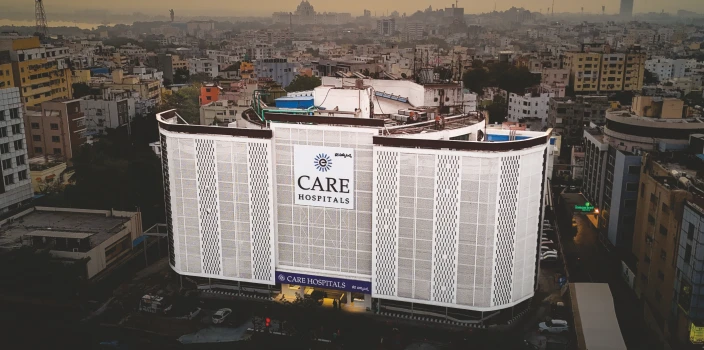
CARE Hospitals, Banjara Hills, Hyderabad
CARE Hospitals Outpatient Centre, Banjara Hills, Hyderabad

CARE Hospitals, HITEC City, Hyderabad

CARE Hospitals Outpatient Centre, HITEC City, Hyderabad
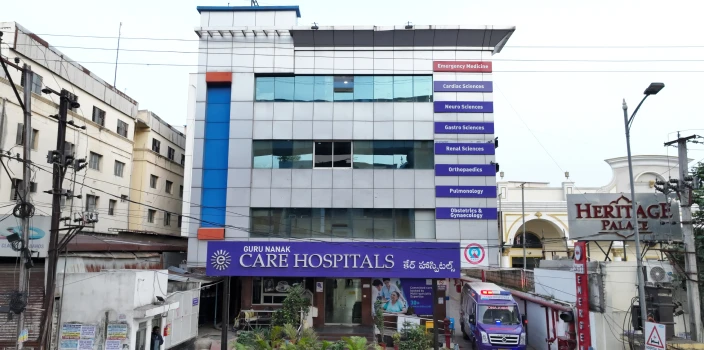
Gurunanak CARE Hospitals, Musheerabad, Hyderabad

CARE Hospitals, Nampally, Hyderabad

CARE Hospitals, Malakpet, Hyderabad

CARE Hospitals, Bhubaneswar

Ramkrishna CARE Hospitals, Raipur
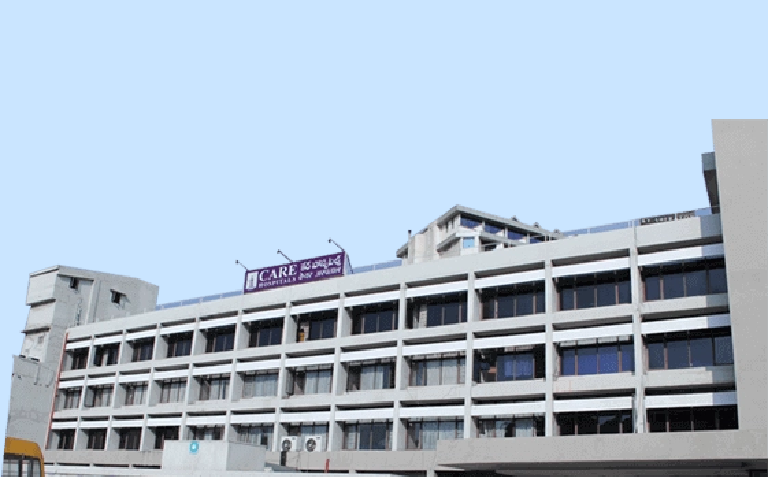
CARE Hospitals, Ramnagar, Visakhapatnam

CARE Hospitals, Health City, Arilova
Frequently Asked Questions
CRRT filters the blood slowly and continuously, mainly for critically ill patients whose kidneys have stopped functioning properly.
It removes waste and excess fluid from the blood once the kidneys can no longer manage this on their own.
Critically ill patients with acute kidney injury, particularly those too unstable for standard dialysis, generally need CRRT.
Doctors recommend CRRT when kidney failure coincides with unstable blood pressure or multiple organ problems in intensive care.
CRRT runs continuously for many hours, whereas regular dialysis works in shorter sessions spread over the week.
Both filter blood, but CRRT works slowly and continuously rather than in the short, intense sessions typical of hemodialysis.
Treatment often continues for several days, with the exact duration depending on how quickly the kidneys start recovering.
Yes CRRT's slow pace is precisely why CRRT suits patients whose blood pressure cannot tolerate regular dialysis.
Acute kidney injury ranks among the most common reasons doctors recommend CRRT in intensive care.
The treatment itself is not usually painful. However, the catheter used for blood access can cause some discomfort.
Bleeding, catheter-site infection, low blood pressure and electrolyte imbalances rank among the main risks.
Blood pressure can drop during treatment, which is exactly why the care team monitors it so closely throughout.
Duration ranges widely, from a few days to a couple of weeks, depending on how the kidneys respond.
Once kidney function recovers enough for the body to manage its own waste and fluid removal, CRRT can usually stop.
Recovery time tracks the underlying illness closely, as kidney recovery depends heavily on overall health improving first.
Some patients move on to regular dialysis after CRRT ends. Others recover enough kidney function to avoid it entirely.
Referral typically happens once an intensive care patient develops kidney failure that standard dialysis cannot safely manage.
Larger hospitals with dedicated intensive care and nephrology teams, including CARE Group Hospitals, generally offer CRRT.
Still Have a Question?