
-
Centre of Excellence
Specialties
Treatments and Procedures
 HyderabadCARE Hospitals, Banjara Hills CARE Outpatient Centre, Banjara Hills CARE Hospitals, HITEC City CARE Hospitals, Nampally Gurunanak CARE Hospitals, Musheerabad CARE Hospitals Outpatient Centre, HITEC City CARE Hospitals, Malakpet
 Raipur
 Bhubaneswar
 Visakhapatnam
 Nagpur
 Indore
 Chh. Sambhajinagar
 Clinics & Medical Centers


-

-

-

-

-

-
Follow Us

Best Hospital for Endoscopic Spine Surgery in Hyderabad
- Advanced Technology
- Shorter Hospital Stay
- Pre & Post-Operative Care
- All Insurance Accepted

Chat With Our Experts
Get second opinion on Whatsapp
25 lakhs+
Happy Patients
Experienced and
skilled surgeons
17
Health Care Facilities
Top most Referral Centre
for Complex Surgeries
Advanced Endoscopic Spine Surgery
Endoscopic spine surgery is an advanced treatment modality to treat various spine problems. Surgeons use specialised equipment to perform procedures through tiny incisions. Patients experience less pain after surgery and spend less time in the hospital than traditional open surgery. Patients can go home the same day or after a short hospital stay, which makes this option perfect for people who want a quick recovery.
This article explains what endoscopic spine surgery is, how to prepare yourself before surgery and important post-operative care instructions.
Why CARE Hospitals is Your Top Choice for Endoscopic Spine Surgery in HITEC City
CARE Hospitals in HITEC City has assembled a team of highly experienced spine surgeons who specialise in minimally invasive procedures. The medical team works together with nurses, physiotherapists, and other specialists to create tailored treatment plans. Each patient receives individual attention from their first consultation through post-operative rehabilitation. This all-encompassing approach will give optimal results and faster recovery times making CARE an exceptional choice for spinal treatment.
Best Endoscopic Spine Surgery Doctors in India




Groundbreaking Surgical Innovations at CARE Hospital
CARE Hospitals uses state-of-the-art technology to improve surgical outcomes. Our facility features advanced imaging systems and specialised surgical tools that help doctors diagnose & treat spinal issues. We use the latest 3rd-generation spinal implants to improve the patient's outcomes. Our surgeons use innovative Hugo and Da Vinci X Robotic systems that allow procedures with improved precision and control. These technological advances result in smaller incisions, reduced blood loss, and quicker recovery for endoscopic spine surgery patients.
Indications for Endoscopic Spine Surgery
Endoscopic spine surgery effectively treats spinal conditions of all types:
- Herniated discs: Soft inner disc material protrudes through the outer layer, causing nerve compression
- Spinal stenosis: Narrowing of the spinal canal that puts pressure on the spinal cord and nerves
- Degenerative disc disease: Deterioration of spinal discs due to ageing or excessive use
- Discitis or epidural abscess: Infectious conditions affecting the spine
The endoscopic approach can also help with pinched nerves, facet joint syndrome, sciatica, and certain cases of spondylolisthesis.
Types of Endoscopic Spine Surgery Procedures
Commonly performed endoscopic spine surgeries are:
- Endoscopic Discectomy: This procedure treat herniated or bulging discs that squeeze nerves leading to pain
- Endoscopic Foraminotomy: When bone spurs or worn-out discs narrow the spinal foramina (nerve pathways), this procedure makes these openings wider to reduce nerve pressure.
- Endoscopic Facet Rhizotomy: This treatment helps with ongoing back pain caused by swollen facet joints.
- Endoscopic Laminotomy: People with a narrow spinal canal (spinal stenosis) can benefit from this
- Endoscopic Assisted Fusion: Doctors fuse spinal vertebrae through tiny incisions.
Pre-surgery Preparation
- Doctors may ask you to quit smoking and exercise regularly to speed up recovery.
- You will need to stop taking certain medications that increase surgical risk. This includes herbal remedies, antiplatelet drugs, aspirin, and non-essential medications. Patients on blood thinners like Warfarin might switch to short-acting alternatives before the procedure.
- A healthy diet and proper weight lead to better surgical outcomes.
- Your surgeon will conduct various lab tests and imaging before the surgery to assess your condition and determine if you are eligible for the endoscopic surgery.
- The night before surgery, take a hot bath and get at least 6-8 hours of sleep to calm your nerves.
- The doctors will instruct you to stop eating and drinking anything from midnight (the night before surgery).
Endoscopic Spine Surgical Procedure
Different endoscopic surgeries have different approaches but here are common steps:
- Endoscopic spine surgery uses a thin tube (endoscope) with a high-definition camera and light source.
- The surgeon makes a small 8mm incision under local or general anaesthesia.
- The surgeon carefully separates the muscles to create a narrow passage for the endoscope.
- Continuous saline irrigation keeps the view clear by washing away bone dust and reducing epidural bleeding.
- The surgeon uses specialised instruments to remove problematic bone spurs, herniated discs or thickened ligaments that cause compression.
- After removing all equipment, the small wound is closed with sutures.
Post-surgery Recovery
Most patients head home the same day or after one night in the hospital. The first week after surgery is critical - you should avoid bending, twisting, or lifting more than 5 pounds. Your doctor encourages you to start walking as soon as 1-2 hours after surgery. Physical therapy is vital for recovery. You start with light activities and gradually increase intensity. Recovery time varies, but many patients get back to normal activities within 2-4 weeks.
Risks and Complications
Endoscopic spine surgery is safer than traditional approaches, but some risks exist. These include:
- Surgical site infection
- Dural tears
- Post-operative epidural hematoma
- Transient dysesthesia
- Nerve root irritation
Life-threatening complications like thromboembolism, sepsis, severe bleeding, and pulmonary issues are rare in endoscopic spine surgery.
Benefits of Endoscopic Spine Surgery
This surgery offers many advantages over traditional approaches.
- Smaller incisions (typically 0.5-1 cm) result in less scarring
- Reduced blood loss
- Minimal tissue damage
- Less post-operative pain
- Shorter hospital stays (often going home the same day)
- Lower infection risks
Insurance Assistance for Endoscopic Spine Surgery
Most detailed health insurance plans cover this surgery when it's medically needed. Coverage depends on your policy's terms and conditions. Insurance typically pays after you complete conservative care requirements. The core team at many facilities helps with insurance paperwork, pre-authorisation, and explains expected out-of-pocket costs.
Get a Second Opinion for Endoscopic Spine Surgery
Getting a second opinion before spine surgery is important for making informed decisions. Second opinions help clarify diagnosis uncertainties, explore other treatments, and give peace of mind. You should get another viewpoint if you've been told artificial disc replacement isn't an option, need multi-level surgery, or have had failed previous procedures.
Conclusion
Endoscopic spine surgery has revolutionised treatment for people with back problems. This modern approach uses tiny incisions instead of large cuts. Patients heal faster and experience less pain. Though relatively new, the technique has already delivered remarkable results, and patients reported high satisfaction rates.
The right medical team plays a crucial role in your treatment success. CARE Hospitals demonstrates excellence through skilled surgeons and advanced equipment. Our all-encompassing approach will give a personalised care plan from diagnosis through recovery.
Spine treatment's future looks promising as these minimally invasive techniques evolve. Endoscopic surgery might be your path back to an active, pain-free life - whether you have herniated discs, spinal stenosis, or other back issues.
Best Endoscopic Spine Surgery Hospitals in India
-
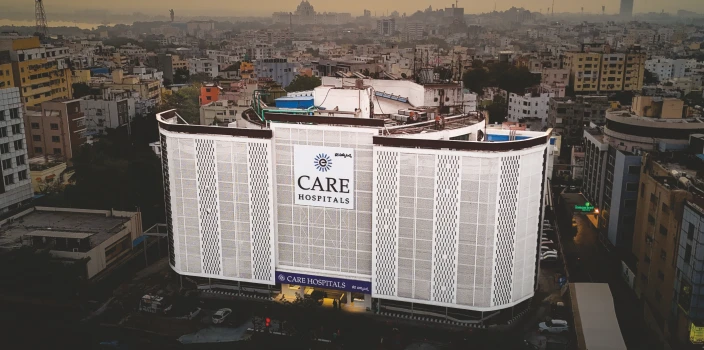
CARE Hospitals, Banjara Hills, Hyderabad
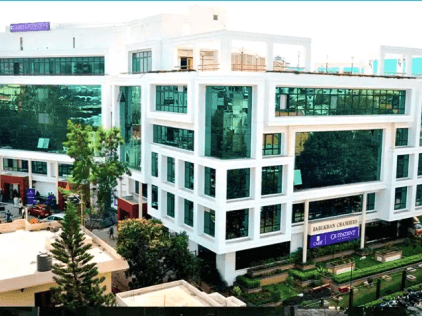
CARE Hospitals Outpatient Centre, Banjara Hills, Hyderabad

CARE Hospitals, HITEC City, Hyderabad
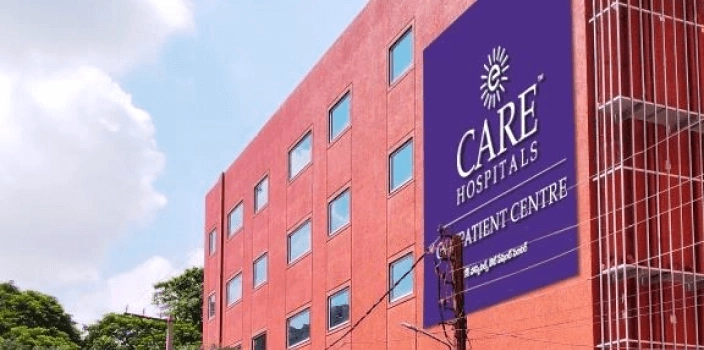
CARE Hospitals Outpatient Centre, HITEC City, Hyderabad
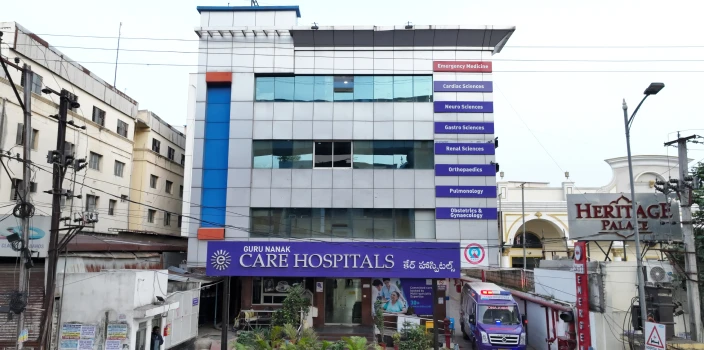
Gurunanak CARE Hospitals, Musheerabad, Hyderabad
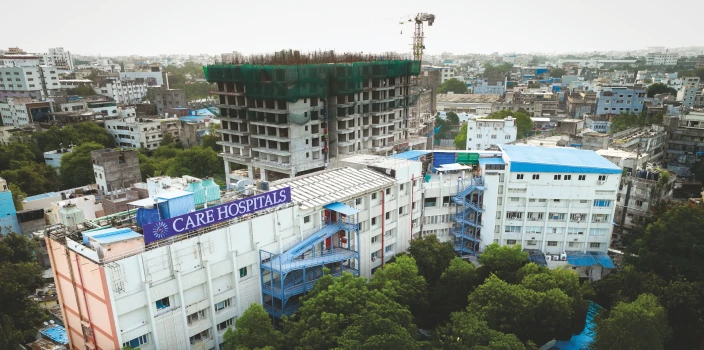
CARE Hospitals, Nampally, Hyderabad
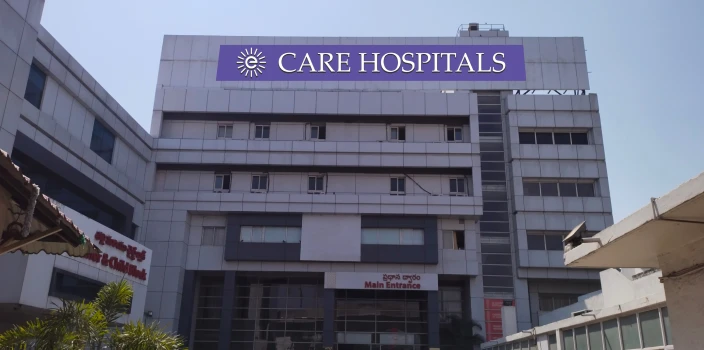
CARE Hospitals, Malakpet, Hyderabad

CARE Hospitals, Bhubaneswar
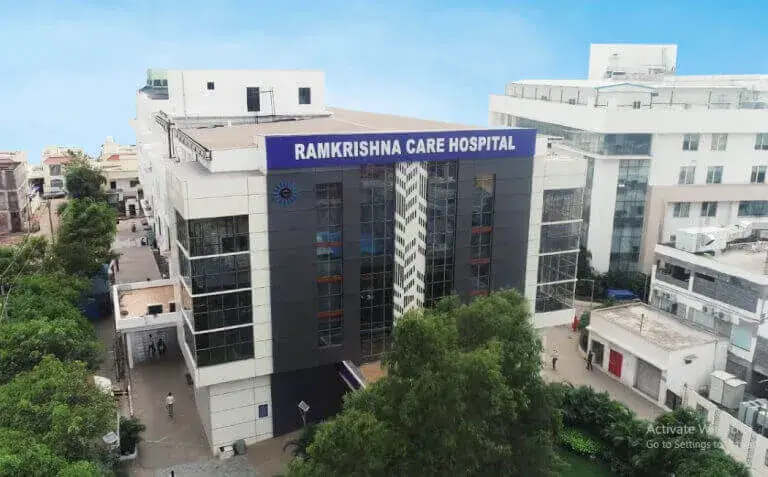
Ramkrishna CARE Hospitals, Raipur
CARE Hospitals, Ramnagar, Visakhapatnam
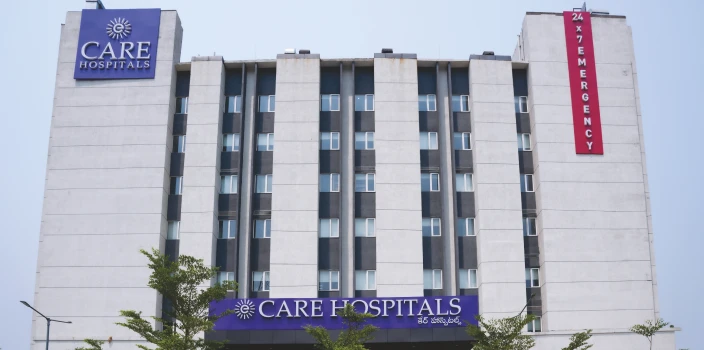
CARE Hospitals, Health City, Arilova
Frequently Asked Questions
Endoscopic spine surgery helps doctors access the spine through tiny incisions using a thin tube with a camera and light source. Surgeons use specialised micro-instruments to remove problematic tissue while continuous saline irrigation helps them see clearly. This minimally invasive approach treats herniated discs, spinal stenosis, and degenerative disc disease.
Patients experience mild to moderate pain after the surgery. Many patients can walk within hours of their operation. The method barely disrupts muscles and tissues, which leads to less post-operative pain.
Clinically significant complications occur in less than 10% of cases. Life-threatening problems happen nowhere near as often as in open surgery, and most complications remain minor.
Good candidates typically have:
- Clear diagnosis of conditions like a herniated disc or stenosis
- Failed conservative treatments (physical therapy, injections)
- Mild to moderate spinal problems
The surgery usually lasts between 45 minutes and 2 hours based on complexity.
The main risks include:
- Dural tears
- Post-operative epidural hematoma
- Transient dysesthesia
- Infections at the surgical site
You can return to your normal activities within 2-4 weeks. People with physically demanding jobs might just need 4-6 weeks. Your body will heal fully within 6-8 weeks, and complete spinal healing usually takes about three months.
You should quit smoking well before surgery. Stop taking certain medications (like antiplatelet drugs, aspirin, and herbal remedies) 2 weeks before the procedure. Regular exercise will help strengthen your muscles. The night before surgery, stop eating and drinking.
Your surgeon will make a small 8mm incision while you are under anaesthesia. They will insert an endoscope with an HD camera through this opening. The surgical team uses monitor displays to help remove problematic tissue with precision. The whole procedure typically takes 1-2 hours.
Your first appointment comes 2 weeks after surgery to remove stitches. A six-week checkup lets your doctor assess your recovery progress. Doctors will schedule further appointments based on your recovery.
Climbing stairs once daily works well during your first few weeks after surgery. You can gradually increase stair use as you recover. Pay attention to what your body tells you and adjust your activity level.
Still Have a Question?