



-
Centre of Excellence
Specialties
Treatments and Procedures
 HyderabadCARE Hospitals, Banjara Hills CARE Outpatient Centre, Banjara Hills CARE Hospitals, HITEC City CARE Hospitals, Nampally Gurunanak CARE Hospitals, Musheerabad CARE Hospitals Outpatient Centre, HITEC City CARE Hospitals, Malakpet
 Raipur
 Bhubaneswar
 Visakhapatnam
 Nagpur
 Indore
 Chh. Sambhajinagar
 Clinics & Medical Centers


-

-

-

-

-

-
Follow Us

Patellofemoral Arthroplasty Surgery
Patellofemoral Arthroplasty Surgery
Patellofemoral Arthroplasty Surgery in Hyderabad
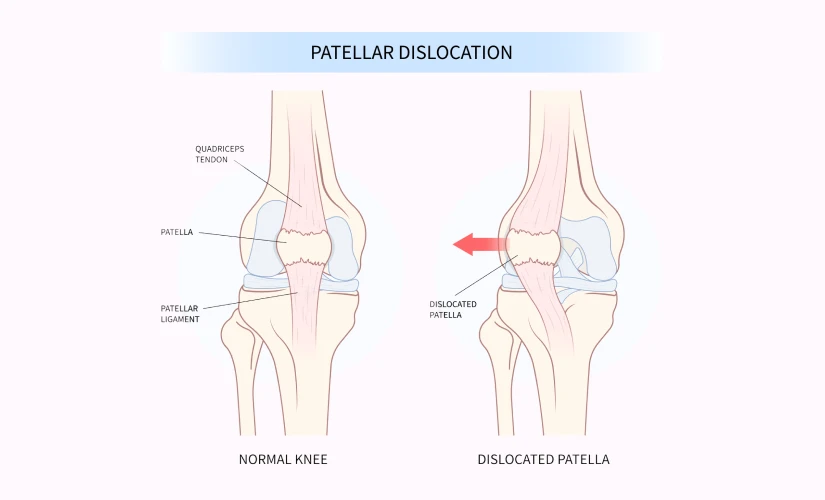
Patellofemoral arthroplasty, also called "kneecap replacement surgery," is a specialized knee procedure. It targets problems confined to the front of the knee, particularly the kneecap and its associated structures. This approach is most beneficial for individuals experiencing anterior knee pain stemming from degeneration of the patellofemoral joint.
While knee replacement surgery involves replacing the entire joint, patellofemoral surgery only deals with those regions that are problematic, thereby reducing the invasiveness of the surgery. At CARE Hospitals, we offer advanced patellofemoral arthroplasty surgery in Hyderabad with the help of the latest minimally invasive and robotic technologies.
Why Choose CARE Hospitals for Patellofemoral Arthroplasty (Kneecap Replacement) Surgery?
CARE Hospitals is regarded as one of the best hospitals for advanced kneecap replacement surgeries in Hyderabad, providing the following:
Minimally invasive and robotic-assisted surgical options.
- Orthopedic specialists with extensive experience in knee preservation.
- Treatment plans tailored to each patient's unique needs and lifestyle.
- High success rates, resulting in quicker recoveries and shorter hospital stays.
- Clear information on treatment costs and assistance with insurance.
What is Patellofemoral Arthroplasty?
The patellofemoral arthroplasty is a type of knee replacement surgery that involves covering or replacing the diseased cartilage of the patella and the groove on the femur through which it glides.
This procedure is well-suited for patients suffering from patellofemoral arthritis only and aids in ensuring the proper functioning of the knee joint without interfering with the other parts of the joint.
Types of Patellofemoral Arthroplasty Surgery
Based on the approach used, the patellofemoral arthroplasty is classified into the following types:
- Traditional patellofemoral joint replacement: This involves resurfacing the patella and the trochlear grooves.
- Minimally invasive patellofemoral joint replacement: It uses smaller incisions to help with faster recovery.
- Robotically assisted patellofemoral joint replacement: This employs advanced technology to improve precision and accuracy.
Signs You May Need Patellofemoral Arthroplasty Surgery
Patellofemoral arthroplasty is recommended in cases where the damage is isolated to the front of the knee joint and the symptoms start interfering with the patient's daily life and comfort. The criteria for performing the procedure include the following:
- Isolated Cartilage Damage of the Patellofemoral Joint: This particular type of surgery will help to fix the damage to the affected areas of the joint without any additional interventions into other areas.
- Anterior Knee Joint Pain: Persistent pain that occurs in the anterior part of the knee might be an indication of the joint's damage.
- Difficulties Carrying Out Everyday Actions: The patients face difficulties when walking, climbing up the stairs, or even sitting for an extended period of time.
- Localized Pain on the Patellofemoral Joint: If the patient feels persistent pain located precisely in the region of the joint, then he should consult a doctor about undergoing this particular procedure.
- Failed Attempts of Conservative Treatment: When all medications fail, then surgery becomes the only way out.
- Confirmation of Isolated Joint's Injury via Imaging Techniques: The use of radiology allows diagnosing problems with the patellofemoral joint accurately.
What Conditions Are Treated with Patellofemoral Arthroplasty?
Patellofemoral arthroplasty can be applied in treating a number of conditions relating to the front compartment of the knee where the disease process is localized and cannot be addressed through any other procedure. Furthermore, the surgery restores joint movement and preserves the unaffected parts of the knee.
- Osteoarthritis of the Patellofemoral Region: A disease involving wear and tear of the cartilage on the back side of the patella that causes irritation within the joint.
- Cartilage Deterioration of the Anterior Compartment: A condition in which the cartilage within the anterior compartment of the knee deteriorates and impairs its gliding movement.
- Chondromalacia Patellae: A condition in which the cartilage located below the patella undergoes a process of breakdown.
- Post-Traumatic Knee Patella Damage: An injury-related condition involving damage to the patella area resulting in poor joint movement.
Benefits of Patellofemoral Arthroplasty Surgery
Patellofemoral arthroplasty is a specific surgical technique that helps address the problem of front knee joint pain and shows the following benefits without causing any severe harm to the knee joint itself:
- Joint Preservation: It preserves all the intact components of the joint, whereas only damaged parts need replacement.
- Minimally Invasive Surgery: It allows surgeons to create smaller incisions and, thus, heal more quickly.
- Faster Rehabilitation: It helps recover from the surgical intervention faster than during total knee replacement procedures.
- Mobility Restoration: It helps restore joint mobility and improves joint function.
- Pain reduction: It helps reduce post-operative pain significantly.
Who is a Candidate for Patellofemoral Arthroplasty
Patellofemoral joint replacement surgery is advised in cases of particular conditions of the knee joints, where only the front surface is affected while the knee ligaments remain stable, such as the conditions like the following:
- Arthritis in the Patellofemoral Region of the Knee Joints: It is recommended for cases of arthritis in the patellofemoral region alone.
- Knee Ligaments Remain Stable: The surgery suits patients with stable knee ligaments, which help maintain joint stability after the operation.
- Reasonable Flexibility of the Knee Joint: This surgery gives a successful outcome in the case where the flexibility of the knee joints is good.
- Failure of Conservative Treatment: Surgery is suggested for individuals whose knee issues haven't improved despite trying conservative approaches. These might include physical therapy, medication, or adjustments to their daily habits. These are usually the first things that doctors try to do to help with knee problems.
Patellofemoral Arthroplasty Surgery Procedure (Before, During and After)
Patellofemoral Arthroplasty Procedure is a Step-by-step procedure that ensures the safety, accuracy, and easy recuperation process throughout the preoperative, operative, and postoperative stages:
- Before Procedure
- Thorough physical examination along with imaging techniques to analyze the condition of the joint
- In-depth analysis of the medical background of the patient in order to determine the general state of health and fitness for surgery
- Planning and patient consultation in order to explain the surgery and what to expect
- During Procedure
- Accurate excision of worn-out cartilage from the kneecap and the groove
- Implanting specially designed prosthetics for restoration of the joint movement
- The duration of the procedure takes about 45-90 minutes.
- After Procedure
- Prompt mobilization after 24 hours post-surgery
- Start of physiotherapy exercises to regain strength and joint functions
- Continuous observation of swelling, pain, etc.
Diagnostic Tests for Patellofemoral Arthroplasty Surgery
The complete diagnostic assessment is necessary to establish the level of knee injury and identify whether patellofemoral arthroplasty surgery is appropriate.
- The physical knee examination tests joint movement patterns together with stability assessment and pain location identification and evaluation of total knee performance.
- X-ray imaging for joint assessment purposes enables the detection of bone structure alterations and joint position changes and cartilage deterioration.
- The MRI scans produce high-resolution images of soft tissue structures such as cartilage and ligaments.
Meet Our Experts
CARE Hospitals has a team of the best orthopedic surgeons in Hyderabad with extensive experience in performing knee replacement surgeries and robotic-assisted knee replacement surgeries. Our orthopedic surgeons have a good track record of surgical outcomes with the best success rates.
Here our orthopedic surgeons employ the cutting-edge robotic technology for the different knee replacement procedures in order to get the precise surgical outcomes with quick recovery. Our specialists take a patient-centered approach and help patients through every step of the process, from diagnosis to rehabilitation, to make sure they get the best results and a better quality of life.
Conclusion
Patellofemoral arthroplasty is a good option for the patients who are experiencing kneecap damage and want to preserve their knee. With advanced robotic-assisted knee replacements and expert care, CARE Hospitals treats their patients with the best orthopedic surgeons in Hyderabad in order to reduce the pain and improve mobility with quick recovery. Choosing the appropriate treatment at the right hospital significantly enhances your long-term joint health and overall well-being.
Frequently Asked Questions
Individuals suffering from arthritis and other knee joint disorders confined within the kneecap section and having healthy knee ligaments and stability make perfect candidates for such a procedure.
The total knee replacement surgery aims at reconstructing the entire knee joint, while patellofemoral arthroplasty focuses on replacing the front portion of the knee joint.
The medical conditions treated by the patellofemoral arthroplasty include patellofemoral osteoarthritis, cartilage wear underneath the kneecap joint, chondromalacia patella, and injuries leading to the destruction of the front knee joint compartment.
The major signs indicating that you require such a medical procedure include chronic knee pain, inability to climb stairs, pain when seated for a prolonged period, and knee joint dysfunction.
Patellofemoral arthroplasty is relatively short, taking around 45 to 90 minutes.
Generally, the initial period of recovery after the surgery takes only a few weeks, while the whole recovery will probably take a few months.
Patients who underwent patellofemoral arthroplasty surgery can start walking in 24 hours after the procedure, gradually developing mobility.
Yes, it is a lifelong solution, as it will help restore knee joint function for many years ahead, provided that the patient lives an active life.
Physiotherapy is mandatory in order to restore functionality of the knee joint after the procedure.
There should be some pain after the operation, but it can be relieved with medicines.
Surely you will be able to return to everyday life and even start jogging and biking.
Yes, patellofemoral knee arthroplasty surgery is a safe procedure with minimal recovery time and good outcomes when performed by the best orthopedic surgeons, like those at CARE Hospitals.
Still Have a Question?


