


-
Centre of Excellence
Specialties
Treatments and Procedures
 HyderabadCARE Hospitals, Banjara Hills CARE Outpatient Centre, Banjara Hills CARE Hospitals, HITEC City CARE Hospitals, Nampally Gurunanak CARE Hospitals, Musheerabad CARE Hospitals Outpatient Centre, HITEC City CARE Hospitals, Malakpet
 Raipur
 Bhubaneswar
 Visakhapatnam
 Nagpur
 Indore
 Chh. Sambhajinagar
 Clinics & Medical Centers


-

-

-

-

-

-
Follow Us


Lower back pain treatment ranges from simple medications to advanced medical procedures, with options varying based on the underlying cause. Nearly everyone faces this common condition at some point in their lives, making it one of the most common reasons people visit a hospital. For most individuals, the pain subsides within a month with basic home care. However, many adults worldwide suffer from chronic lower back pain (a pain lasting for more than three months or longer).
The impact of low back pain can be severe. Sometimes because of back pain a person may find it difficult or impossible to walk, sleep, work or perform daily tasks. Common lower back pain causes include arthritis, spinal stenosis, disc problems, and myofascial pain syndrome. Fortunately, various lower back pain treatments exist, from conservative approaches like physical therapy and medication to more advanced interventions when needed.
Types of Back Pain
Back pain is classified based on duration:
- Acute pain (less than 4 weeks)
- Subacute pain (4-12 weeks)
- Chronic pain (over 12 weeks).
Additionally, pain can be categorised by location (upper, middle, or lower back) with lower back pain being more common as it bears most body weight.
Causes of Back Pain
Various factors can result in back pain. The most frequent causes are strains and sprains to muscles, tendons, or ligaments. Other causes are:
- Structural issues: herniated discs, spinal stenosis, spondylolisthesis
- Degenerative conditions: arthritis, disc disease
- Inflammatory conditions: ankylosing spondylitis
- Medical problems: kidney stones, infections
Lumbar disc herniation stands as a leading cause of radiculopathy (pinched nerve, where a spinal nerve gets irritated or compressed) and lower back pain, contributing significantly to global disability.
Symptoms of Back Pain
Pain is the most prominent symptom (it can vary from sharp and dull to aching, burning or throbbing). People might experience:
- Stiffness or limited mobility
- Posture problems making it difficult to stand straight
- Muscle spasms causing extreme discomfort
- Pain radiating to buttocks or legs (sciatica).
Diagnosis of Back Pain
Doctors at CARE Hospital begin with a physical examination and assess your movement ability and pain levels. They may recommend further investigations to arrive at the root cause. Some of these are mentioned below:
- X-rays (to see the presence of any issues in the bones)
- MRI or CT scans (revealing soft tissue problems)
- Blood tests (checking for infections)
- Nerve studies such as EMG (evaluating nerve function).
Treatment for Back Pain
In many cases back pain may resolve with conservative measures. Treatment options are:
- Rest (doctors recommend limited rest where complete physical inactivity is prohibited)
- Physical activity (walking, swimming)
- Pain relievers (NSAIDs)
- Muscle relaxants and physical therapy
For persistent pain, doctors might recommend steroid injections, radiofrequency ablation or nerve stimulators. Surgery remains an option primarily if symptoms persist after conservative treatment although the majority of back pain does not need surgical intervention.
Why Choose CARE Hospitals for Back Pain Treatment in Hyderabad
CARE Hospitals has emerged as a preferred hospital for people seeking treatment for lower back pain in Hyderabad for themselves or their loved ones. With an impressive excellence rating, the hospital offers world-class medical services backed by experienced specialists. The hospital truly excels through its:
- Comprehensive Approach - Doctors at CARE diagnose back issues properly and provide optimal solutions through a thorough assessment
- Expert Team - Highly qualified spine specialists work alongside pain management experts to address the root causes of pain
- Advanced Technology - The facility is equipped with cutting-edge diagnostic tools including MRI, CT scans and X-rays for precise diagnosis
- Non-surgical Focus - Treatment options include cortisone injections, radiofrequency neurotomy, and nerve stimulators, with surgery reserved only for cases that don't respond to conservative treatment
CARE Hospitals primarily employs a multidisciplinary approach, bringing together specialists from various fields to create personalised treatment plans. Furthermore, the hospital boasts excellent infrastructure and patient-centric amenities like ambulance services, parking facilities, and essential safety measures.
The institution's commitment to minimally invasive techniques ensures quicker recovery times for patients. Moreover, our team at CARE treats each patient as a unique individual and understands their concerns while developing comprehensive treatment strategies that suit best to their needs.
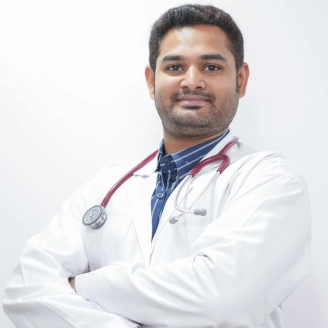
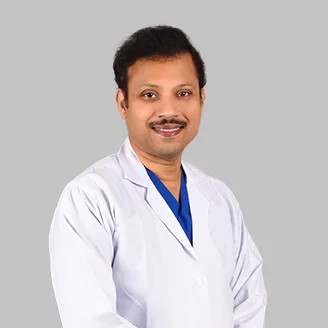
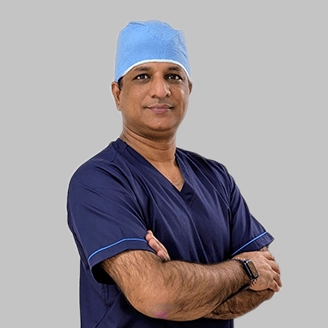
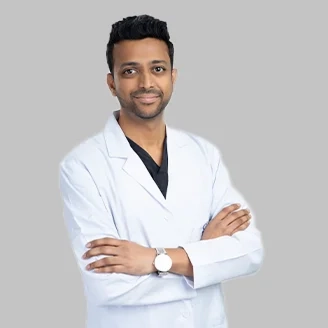
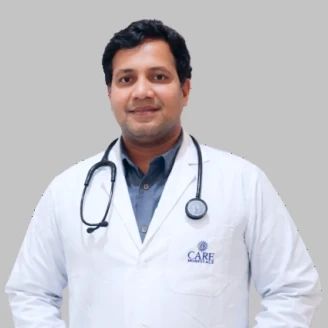
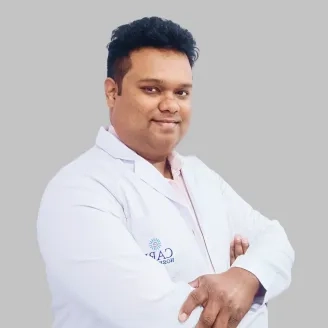
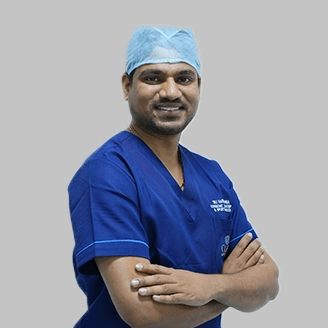
Our Doctors
-
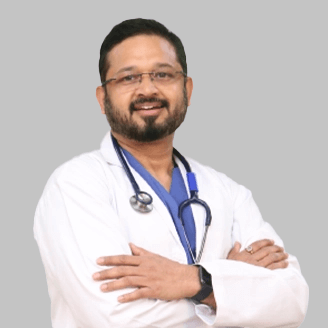
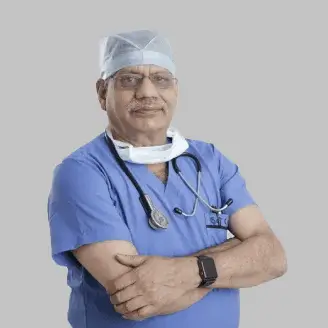
Dr. Suman Kumar Nag
MBBS, MS
Arthroscopy & Sports Medicine
View More
-
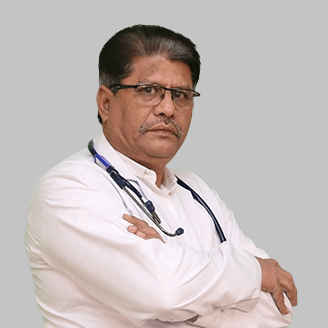
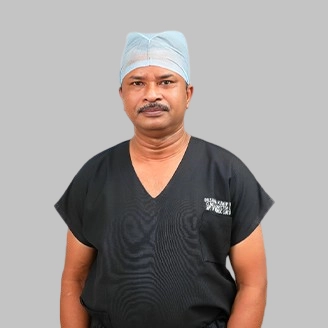
Dr. Pankaj Dhabaliya
MBBS, D.Ortho
Orthopaedics
View More
-
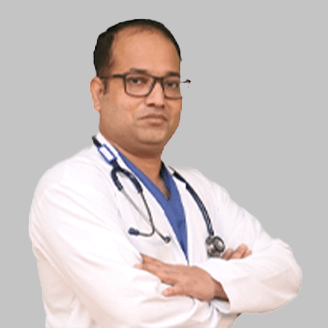
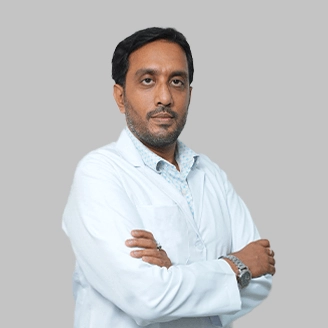
Dr. Lalit Jain
MBBS, MS
Orthopaedics
View More
-
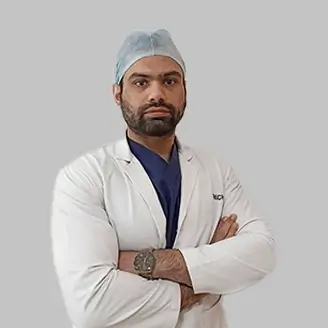
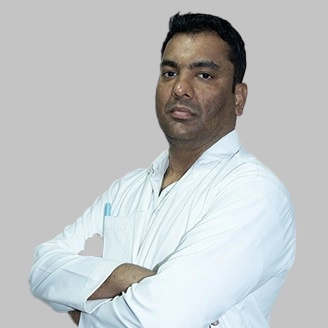
Dr. Pratik Dhabalia
MBBS, MS (Ortho), MRCS
Orthopaedics
View More
-
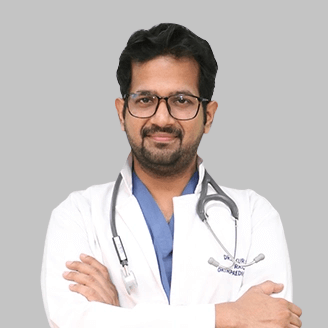
Dr. Ankur Singhal
MBBS, MS
Orthopaedics
View More
-
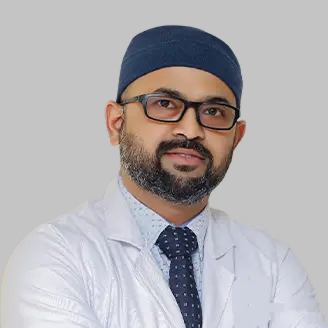
Dr. Prasad Patgaonkar
MBBS, DNB (Orthopaedics)
Orthopaedics
View More
-
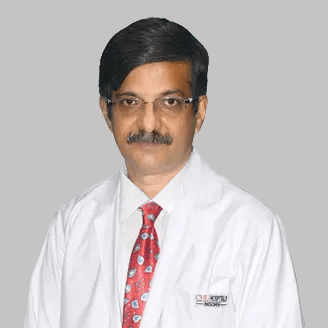
Dr. Manish Shroff
MBBS, MS (Orthopaedics)
Orthopaedics
View More
-
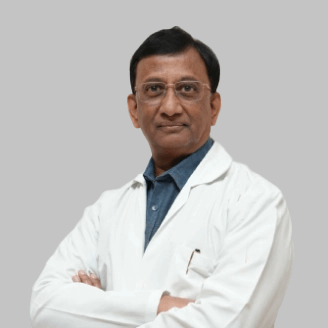
Dr. A K Jinsiwale
MBBS, MS (Ortho), Dip M.V.S (Sweden), F.S.O.S
Orthopaedics
View More
-
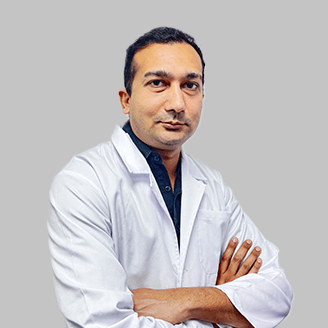
Dr. Vikas Jain
M.B.B.S, M.S. (Orthopaedics), F.I.J.R, F.I.R.J.R, F.A.S.M
Orthopaedics
View More
-
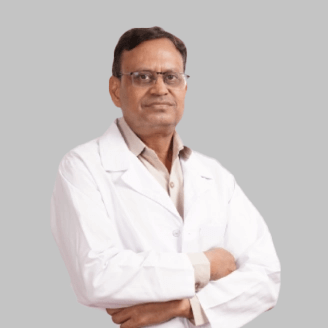
Dr. Praveen Agrawal
MBBS, D.Ortho
Arthroscopy & Sports Medicine
View More
-
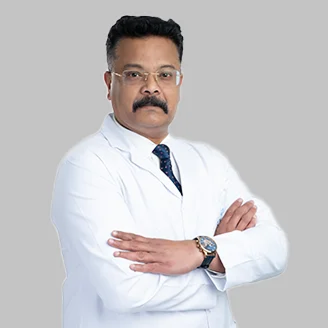
Dr. (Lt Col) P. Prabhakar
MBBS, DNB (Orthopedics), MNAMS, FIMSA, Fellow in Complex Primary & Revision Total Knee Arthroplasty (Switzerland)
Orthopaedics
View More
-
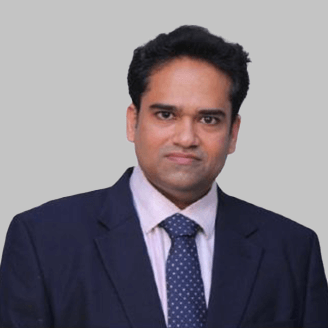
Dr. Ajay Kumar Paruchuri
MBBS, MS (Orthopaedics), MCh (Orthopaedics, UK), Fellowship in Shoulder Arthroscopy (UK)
Orthopaedics
View More
-
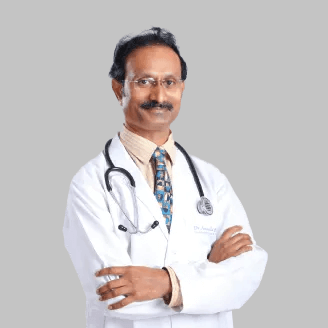
Dr. Anand Babu Mavoori
MBBS, MS (Ortho), Fellow in Computer Assisted Joint Replacement Surgery, Sports & Arthroscopic Surgery, Spine Surgery
Orthopaedics
View More
-
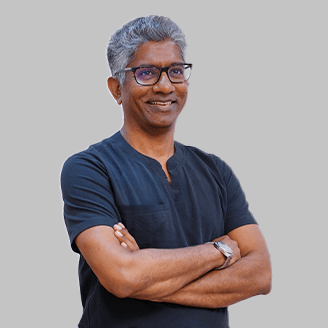
Dr. Ashok Raju Gottemukkala
MBBS, MS Ortho
Orthopaedics
View More
-
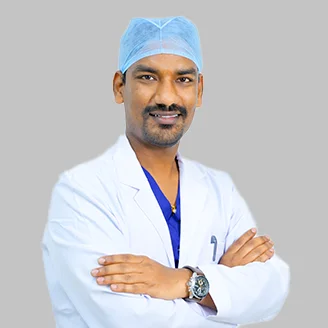
Dr. Ashwin Kumar Talla
MS (Orthopaedics), DNB (Ortho)
Orthopaedics
View More
-
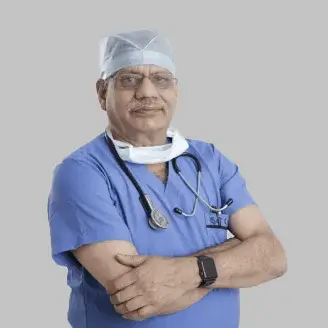
Dr. B N Prasad
MBBS, MS(Ortho)
Orthopaedics
View More
-
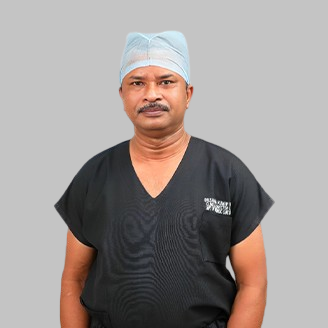
Dr. Behera Sanjib Kumar
MBBS, MS (Ortho), DNB (Rehab), ISAKOS (France), D. P. M. R
Orthopaedics
View More
-
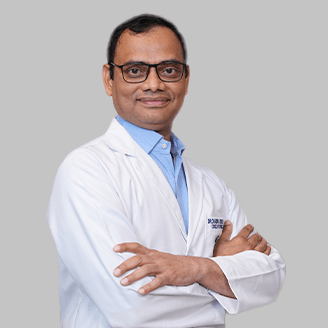
Dr. Chandra Sekhar Dannana
MBBS, MS (Orthopedics), MRCS, FRCSEd (Trauma & Orthopaedics)
Orthopaedics
View More
-

Dr. E.S. Radhe Shyam
MBBS, MS
Orthopaedics
View More
-
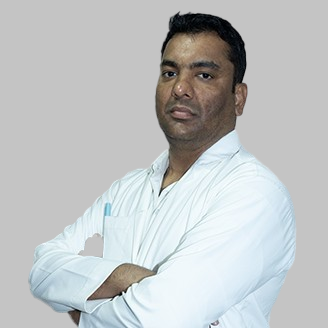
Dr. Hari Chaudhari
MBBS, MS (Orthopaedics)
Orthopaedics
View More
-
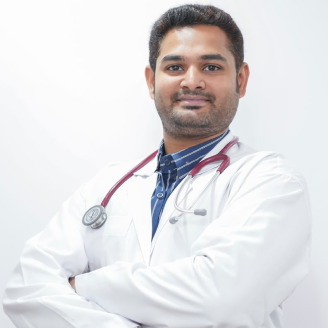
Dr. K. Tarun Rao
MBBS, D.ORTHO, DNB.ORTHO, FIJR, FIOR
Orthopaedics
View More
-
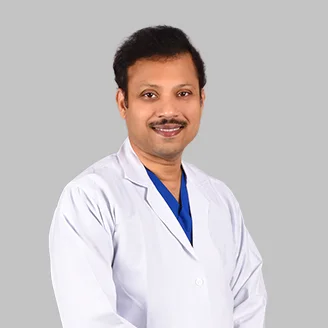
Dr. K.S.Praveen Kumar
MBBS, MS (Ortho)
Orthopaedics
View More
-
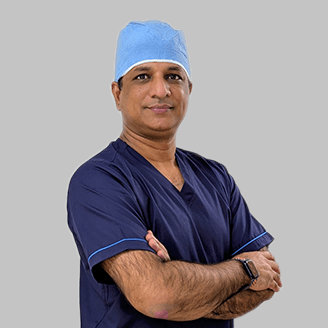
Dr. Kiran Lingutla
MBBS (Manipal), D'Ortho, MRCS (Edinburgh-UK), FRCS Ed (Tr & Ortho), MCh Ortho UK, BOA Sr. Spine Fellowship UHW, Cardiff, UK
Orthopaedics, Spine Surgery
View More
-
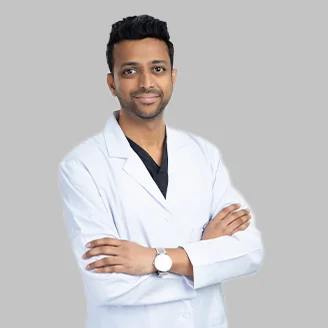
Dr. Madhu Geddam
MBBS, MS (Ortho) (OSM), FISM, FIJR
Orthopaedics
View More
-
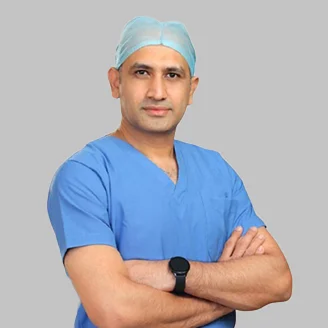
Dr. Mir Zia Ur Rahaman Ali
MBBS, D.Ortho, DNB Ortho, MCh Orth (UK), AMPH (ISB)
Orthopaedics
View More
-
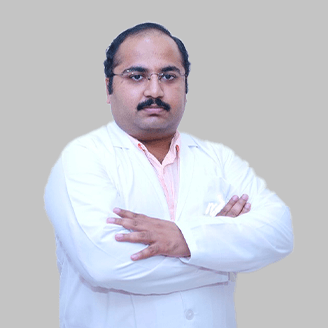
Dr. P Venkata Sudhakar
MS Ortho (AIIMS), Mch Spine Surgery (AIIMS) Fellow, Endoscopic Spine Surgery (Asian Spine Hospital, Hyderabad)
Spine Surgery
View More
-
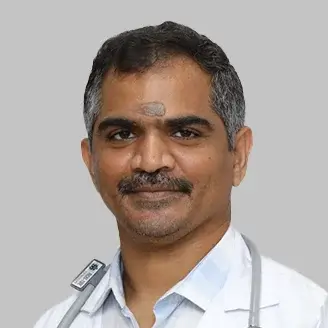
Dr. P. Raju Naidu
MBBS, MS(Ortho)
Orthopaedics
View More
-
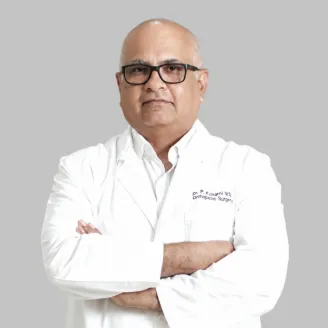
Dr. Parag Ramesh Kulkarni
MBBS, MS (Ortho), D. Ortho, FCPS (Ortho), Fellow in Spine (South Korea)
Orthopaedics
View More
-
Dr. Pavan Kumar Golla
MBBS, DNB (Ortho), FIJR, FIAS (France)
Orthopaedics
View More
-
Dr. Priyesh Dhoke
MBBS, MS (Orthopedics) F.A.O.S. (Australia) AO Spine International Clinical Fellowship, Brisbane (Australia) Clinical fellowship in Minimal invasive Spine Surgery (MISS) (SGH, Singapore)
Orthopaedics, Spine Surgery
View More
-

Dr. Pushpvardhan Mandlecha
MBBS, MS (Orthopedics)
Orthopaedics
View More
-
Dr. Raghu Yelavarthi
MBBS, D.Ortho
Orthopaedics
View More
-
Dr. Ravi Chandra Vattipalli
MBBS, DNB Ortho
Orthopaedics
View More
-
Dr. Repakula Kartheek
MBBS, MS (ORTHOPAEDICS), FIJR, FIKS(NL), FIHPTS(SWTZ)
Orthopaedics
View More
-
Dr. Romil Rathi
MBBS, MS (Orthopedics)
Orthopaedics
View More
-
Dr. Sandeep Singh
MBBS, MS (Ortho), MRCS (Glasgow), MRCS(UK), FRCS(Primary & Revision Joint Replacement, London), Fellow Sports Injury (UK)
Orthopaedics
View More
-
Dr. Sharath Babu N
MBBS, DNB (Ortho), Fellowship in Joint Replacement & Revision (Germany),Fellowship in Arthoscopy (Germany),Spl in Trauma & Sports Medicine
Orthopaedics
View More
-
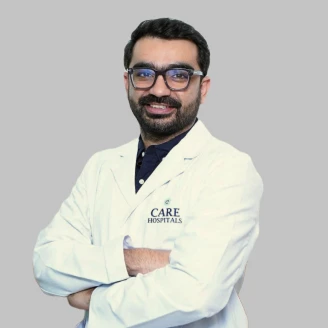
Dr. Sohael Mohammed Khan
MBBS, MS (Orthopaedics), Diploma (Spine Rehabilitation)
Orthopaedics, Spine Surgery
View More
-
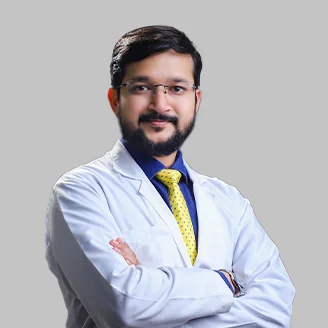
Dr. Subodh M. Solanke
MBBS, DNB (Ortho), FIJR, MNAMS
Orthopaedics
View More
-
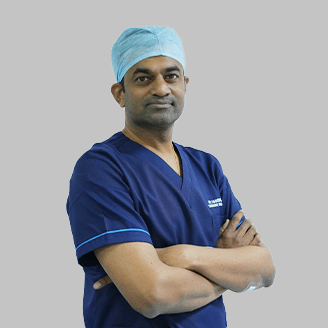
Dr. Vasudeva Juvvadi
MBBS.,MS(Ortho).
Orthopaedics
View More
-
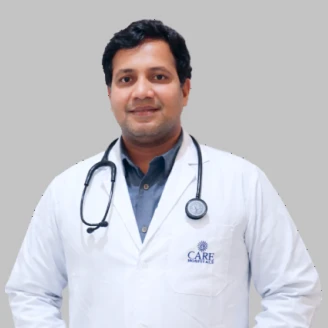
Dr. Veera V Satyanarayana Eethakota
MBBS, MS (Ortho), MCh (Ortho, UK), AO (Fellow Trauma & Arthroplasty, Greece), Fellow Sports Medicine (ISAKOS, Spain)
Orthopaedics
View More
-
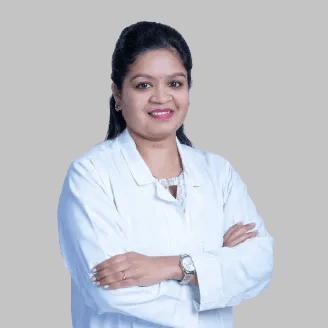
Dr. Vibha Siddannavar
BPT, MPT (Ortho), MIAP
Physiotherapy & Rehabilitation
View More
-
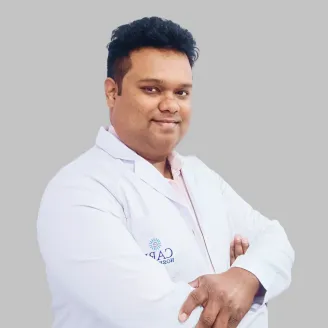
Dr. Vrushabh Kumbhare
M.B.B.S, M.S (Orthopedics)
Orthopaedics
View More
-
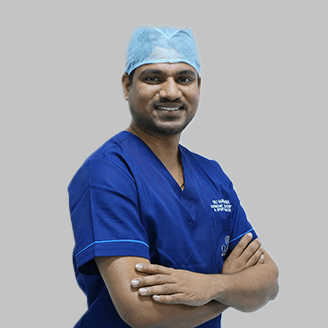
Dr. Yadoji Hari Krishna
MBBS, MS (Orthopaedics), Fellowship in Shoulder Surgery, Arthroscopy, and Sports Medicine, Arthroscopy of Complex and Multiligamentous Knee Injury
Orthopaedics
View More








Frequently Asked Questions
Couldn’t find what you were looking for?
Need any help? Get a Call Back.

Still Have a Question?


