



-
Centre of Excellence
Specialties
Treatments and Procedures
 HyderabadCARE Hospitals, Banjara Hills CARE Outpatient Centre, Banjara Hills CARE Hospitals, HITEC City CARE Hospitals, Nampally Gurunanak CARE Hospitals, Musheerabad CARE Hospitals Outpatient Centre, HITEC City CARE Hospitals, Malakpet
 Raipur
 Bhubaneswar
 Visakhapatnam
 Nagpur
 Indore
 Chh. Sambhajinagar
 Clinics & Medical Centers


-

-

-

-

-

-
Follow Us

Sacroiliac Joint Pain: Causes, Symptoms, Diagnosis and Treatment
Most people will experience low back pain at some point in their lives. What many don't realise is that many of these cases actually stem from sacroiliac joint pain. This condition affects the joint connecting the spine to the pelvis. It causes pain (many mistake it for general back problems). Knowledge of sacroiliac joint pain causes help identify the source of persistent aches. This comprehensive article explains sacroiliac joint pain symptoms, clarifies when to seek medical attention, and suggests effective sacroiliac joint pain treatment options.
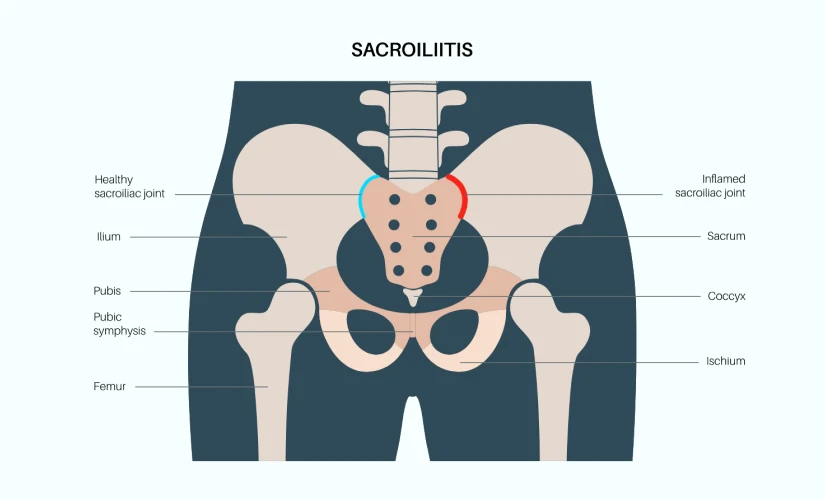
What Is Sacroiliac Joint Pain?
The sacroiliac joints sit where the spine meets the pelvis. They connect the sacrum to the ilium bones on each side. These joints bear the weight of the upper body and transfer it to the lower limbs. Strong ligaments and muscles provide stability, yet movement remains minimal. The range is limited to 2 mm to 4 mm in any direction. Pain from these joints represents a most important cause of axial low back discomfort.
What Causes Sacroiliac Joint Pain?
Pain in sacroiliac joint develops through traumatic or non-traumatic pathways.
Traumatic causes are:
- Pelvic fractures
- Falls onto the buttocks
- Motor vehicle collisions
- Sudden heavy lifting.
Non-traumatic causes are:
- osteoarthritis
- Infections
- Previous lumbar fusion
- Pregnancy
- Leg length discrepancies
- Scoliosis.
Pregnancy affects the joints through weight gain, increased lumbar lordosis and hormone-induced laxity during the third trimester. Repetitive shear forces from activities like golf and bowling can trigger dysfunction.
Symptoms of Sacroiliac Joint Pain
Patients experience deep-seated pain that extends down the posterior thigh to the knee. The discomfort worsens when sitting, lying on the affected side or climbing stairs. Pain patterns vary considerably. Many experience posterior or lateral thigh pain, some feel discomfort below the knee and some report foot pain. Morning stiffness lasts over an hour in many cases.
Is Sacroiliac Joint Pain Serious?
If sacroiliac joint pain goes untreated, it can make it tough to move or even get a good night's sleep. Over time, this kind of pain can wear you down and sometimes even lead to feeling low or anxious.
Diagnosis of Sacroiliac Joint Pain
Doctors take a closer look at your medical history and do physical examinations to identify the pain source. They will check tenderness, movement limitations and pain patterns around the lower back and pelvis.
Diagnostic tests:
- Provocative tests help confirm the diagnosis. If there are at least three positive results from five manoeuvres your orthopaedic may confirm SI joint involvement. These include FABER, Gaenslen's, distraction, thigh thrust, and compression tests.
- Imaging studies like X-rays, CT scans, and MRIs rule out other conditions.
- Diagnostic injections remain the gold standard. Local anaesthetic provides instant relief (if the SI joint causes pain).
What is the Treatment for Sacroiliac Joint Pain
Treatment options are:
- Physical therapy serves as a first-line treatment and strengthens muscles while improving joint stability
- Over the counter NSAIDs reduce inflammation
- SI belts provide external support
- Persistent cases may benefit from corticosteroid injections that offer relief
- Radiofrequency ablation targets pain-transmitting nerves when conservative methods fail
- Minimally invasive SI joint fusion becomes an option for patients experiencing relief from diagnostic injections but requiring long-term solutions.
When to See a Doctor for Sacroiliac Joint Pain
Go to your doctor if you experience any of the following:
- Experiencing pain for more than one week
- Pain spreading into the legs or groin
- Pain causing numbness or weakness
- Pain following an injury
- Difficulty performing daily activities despite rest.
Tips to Prevent Sacroiliac Joint Pain
By taking some steps you can prevent sacroiliac joint pain. They are:
- Proper posture while sitting and standing.
- Regular low impact exercise (to make your supporting muscles strong).
- Correct lifting techniques.
- A healthy weight (it reduces joint stress).
- Always wear good supportive footwear to reduce strain on the joints.
Why Choose Our CARE Hospitals for Sacroiliac Joint Pain Treatment?
CARE Hospitals offers reliable infrastructure with experienced specialists who provide personalised treatment round the clock. The facility maintains infection-free environments and delivers care tailored to individual needs. The hospital uses advanced imaging tools and minimally invasive pain management methods to find and address the exact cause of pain. Patients get help from skilled orthopaedic doctors, pain experts and physiotherapists who collaborate to improve movement and ease pain. Whether it's through basic treatments, guided injections, or complex surgeries when needed, CARE Hospitals delivers care focused on patients, promotes faster healing, and supports lasting relief.
FAQs
1. What does sacroiliac joint pain feel like?
Pain centres in the pelvis and radiates to the lower back, buttocks and legs. Discomfort spreads to the groin and feet less often. The ache intensifies after standing, sleeping or sitting for extended periods. Activities like running or climbing stairs worsen symptoms. Morning stiffness affects the hips and lower back, while instability in these areas becomes noticeable.
2. Can sacroiliac joint pain go away on its own?
In case of mild sacroiliac pain, the condition may resolve with rest and time. However, if another condition or activity triggers it the pain persists until you address the root cause. Extreme cases require surgical fusion of the joint.
3. How do I know if my pain is SI joint or sciatica?
SI joint dysfunction rarely causes numbness, weakness or reflex changes because nerves are irritated rather than compressed. Pain from the SI joint stays above the knee, while sciatica radiates further down the leg. SI joint discomfort concentrates around the lower back or buttocks on one side.
4. Is walking good for sacroiliac joint pain?
Walking (low impact movement) makes your legs, glutes and lower back stronger. Monitor posture and gait for irregularities like leaning to one side or uneven stride length that stress the joint unnecessarily.
5. How long does sacroiliac joint pain last?
Acute pain resolves within days or weeks. Chronic pain persists unless you treat its root cause. With appropriate care, the majority of patients experience major relief within 1 to 3 months.
6. What is the fastest way to relieve SI joint pain?
Apply ice packs during the first 48 hours to reduce inflammation. Heat therapy works better afterwards. Rest the affected area but avoid complete inactivity. Over-the-counter pain relievers help manage discomfort quickly.
7. When should I see a doctor for sacroiliac joint pain?
Contact a doctor if you have:
- Fever with back discomfort
- Unexplained weight loss among pain signals deeper issues
- Bowel or bladder control problems
- Pain lasting beyond several weeks.
8. Can a SI joint cause sciatica?
The proximity of the joint and nerve means inflammation of the SI joint can irritate nearby nerves. But true sciatica originates from spinal nerve compression. SI joint dysfunction mimics sciatica symptoms but follows different patterns.
9. Will I need surgery?
Most patients recover through conservative measures. Surgery becomes an option only at the time other treatments fail after six months. Fusion procedures offer permanent solutions in severe cases.
10. How should I sleep to relieve SI joint pain?
Side sleeping with a pillow between the knees reduces pressure. Back sleepers benefit from placing cushions under their knees. Avoid stomach sleeping as it twists the spine.
11. What not to do with sacroiliac joint pain?
You can avoid a few things. They are:
- High-impact activities like running.
- Sitting for long periods.
- Heavy lifting.
- Exercise that involves twisting movements can worsen inflammation.

Still Have a Question?


