
-
Centre of Excellence
Specialties
Treatments and Procedures
 HyderabadCARE Hospitals, Banjara Hills CARE Outpatient Centre, Banjara Hills CARE Hospitals, HITEC City CARE Hospitals, Nampally Gurunanak CARE Hospitals, Musheerabad CARE Hospitals Outpatient Centre, HITEC City CARE Hospitals, Malakpet
 Raipur
 Bhubaneswar
 Visakhapatnam
 Nagpur
 Indore
 Chh. Sambhajinagar
 Clinics & Medical Centers


-

-

-

-

-

-
Follow Us

Best Hospital for Aneurysm Surgery in Hyderabad
- Advanced Technology
- Shorter Hospital Stay
- Pre & Post-Operative Care
- All Insurance Accepted

Chat With Our Experts
Get second opinion on Whatsapp
25 lakhs+
Happy Patients
Experienced and
skilled surgeons
17
Health Care Facilities
Top most Referral Centre
for Complex Surgeries
Advanced Aneurysm Surgery
Aneurysm surgery is a life-saving procedure designed to repair a weakened or bulging blood vessel before it ruptures. Doctors use this crucial procedure to reinforce or replace the affected section of the artery, restoring normal blood flow and reducing life-threatening complications.
After brain aneurysm surgery, especially aneurysm clipping, patients stay in the hospital for 4 to 6 days. The recovery from major procedures like open aortic aneurysm repair takes longer. Most people feel normal again between three and six months. The good news is that once surgeons successfully repair a bleeding aneurysm, it rarely bleeds again.
This article explains what aneurysm surgery is, its steps and what you can expect during recovery.
Why CARE Hospitals is Your Top Choice for Aneurysm Surgery in HITEC City
CARE Hospitals HITEC City's well-trained medical staff specialises in minimally invasive procedures for aneurysm treatment. Our vascular surgeons explain treatment risks and benefits clearly so you can make informed decisions about your care. The hospital follows international treatment protocols to deliver the best results for patients.
We welcome second opinions from patients who received assessments elsewhere. CARE Hospitals leads aneurysm treatment with specialists who blend expertise with innovative surgical techniques.
Best Aneurysm Surgery Doctors in India



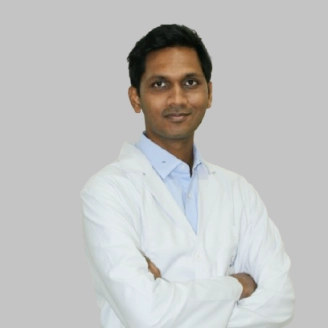



Innovative Surgical Solutions at CARE Hospital
The Department of Vascular and Endovascular Surgery uses innovative technology that enables precise treatments. The team excels in traditional and minimally invasive approaches, including complex stenting procedures for aortic diseases.
Patients who undergo endovascular procedures at CARE Hospitals typically need just one overnight stay. They can resume normal activities within two to three weeks. The hospital offers custom-made stents for patients with complex anatomical challenges. These stents have strategically positioned openings that maintain blood flow to essential organs while preventing aneurysm growth.
Indications for Aneurysm Surgery
Doctors perform this surgery to treat various aneurysm conditions:
- Brain aneurysms affecting cerebral blood vessels
- Thoracic aortic aneurysms in the chest region
- Abdominal aortic aneurysms (the most common type)
- Combined thoracoabdominal aneurysms extending from the chest to the abdomen
Aneurysms that grow faster or cause pain need immediate surgical intervention.
Several factors determine the need for surgery: aneurysm size, location, patient's age, overall health, family medical history, and rupture risk.
Types of Aneurysm Surgery Procedures
Our surgical expertise covers multiple advanced techniques.
- Surgical clipping: This procedure uses a tiny metal clip to seal the aneurysm and prevent rupture.
- Endovascular coiling: This minimally invasive option uses a catheter threaded through an artery to release tiny wire coils into the aneurysm, which blocks blood flow.
The hospital offers specialised procedures for aortic aneurysms:
- EVAR (Endovascular Aneurysm Repair) and FEVAR (Fenestrated Endovascular Aneurysm Repair) - for complex cases near the kidney arteries
- TEVAR (Thoracic Endovascular Aneurysm Repair) - for ascending aortic aneurysms.
Our experienced team performs open aneurysm repair with excellent outcomes when endovascular techniques don't suit the patient.
Pre-surgery Preparation
The preparation starts weeks ahead with a detailed medical evaluation.
- Quitting smoking at least two weeks before surgery will substantially improve healing outcomes and reduce complications.
- Your doctor will perform a complete physical examination and run various diagnostic tests to confirm your fitness for surgery
- You must tell your doctor about all medications you take. Blood thinners like aspirin or warfarin need to stop 5-7 days before the procedure.
- You will need to fast for 6-8 hours before surgery, usually after midnight.
Aneurysm Surgical Procedure
Surgeons choose the type of surgery based on the aneurysm type and location.
Open surgery requires a big incision to reach the aneurysm. The surgeon clamps the affected vessel, inserts a graft to replace the weak section and closes the incision. This takes 3-4 hours.
Endovascular repair uses a catheter through the groin to deliver coils or a stent graft to the aneurysm site. This offers a less invasive option.
Post-surgery Recovery
Recovery time depends on the procedure type. Endovascular repair patients stay in the hospital for 1-3 days and recover fully in 2-4 weeks. Open surgery patients need 5-10 days in the hospital and 4-6 weeks for complete recovery. During recovery medical staff monitor patients closely, manage pain and guide them as they return to normal activities.
Complications
While generally safe, aneurysm surgery has potential risks.
- Blood clots
- Ischemic events
- Excessive bleeding
- Infections
- Pseudoaneurysms and fistulas (rare)
Benefits of Aneurysm Surgery
This surgery prevents life-threatening ruptures. Elective aneurysm surgery has an impressive survival rate compared to untreated ruptured aneurysms. Patients return to their normal activities within weeks and enjoy better long-term health.
Insurance Assistance for Aneurysm Surgery
Most health insurance plans cover aneurysm surgery costs. This includes hospitalisation, ICU charges, diagnostic tests, surgeon's fees, and post-operative care. Notwithstanding that, you should contact your provider about pre-authorisation requirements and network hospital options.
Get a Second Opinion for Aneurysm Surgery
A second opinion before aneurysm surgery gives peace of mind and confirms you are getting the best treatment. Bring all medical records, imaging studies, and questions to help with your decision when asking for a second opinion.
Conclusion
An aneurysm diagnosis makes patients anxious. A better understanding of the surgical process helps reduce these worries. Life-saving aneurysm surgery prevents catastrophic ruptures if doctors perform it at the right time. The CARE Hospitals uses both advanced endovascular procedures and traditional open surgeries. CARE Hospital's specialised team's expertise covers aneurysms of all types – brain, thoracic, abdominal and thoracoabdominal. They use advanced techniques like EVAR, FEVAR, and TEVAR as needed.
Our advanced surgical innovations and dedicated specialist care ensure optimal treatment outcomes for this serious condition. Your health deserves exceptional care after an aneurysm diagnosis.
Best Aneurysm Surgery Hospitals in India
-
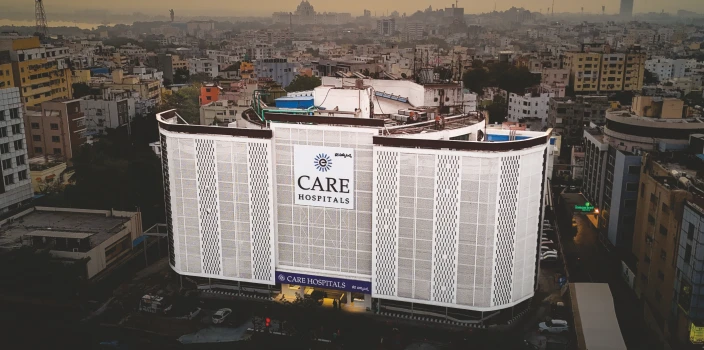
CARE Hospitals, Banjara Hills, Hyderabad
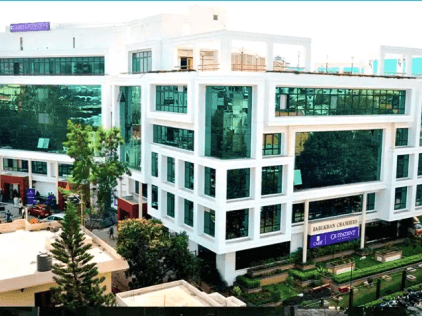
CARE Hospitals Outpatient Centre, Banjara Hills, Hyderabad
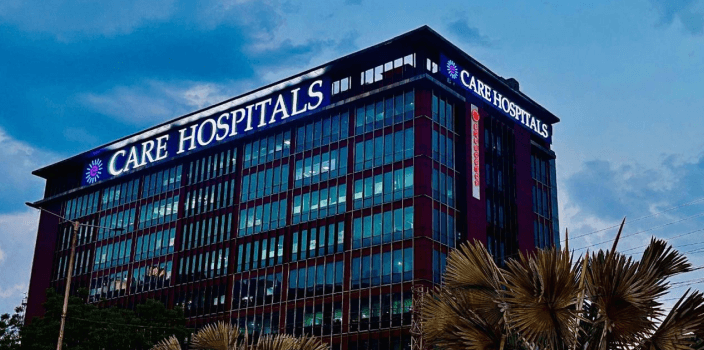
CARE Hospitals, HITEC City, Hyderabad
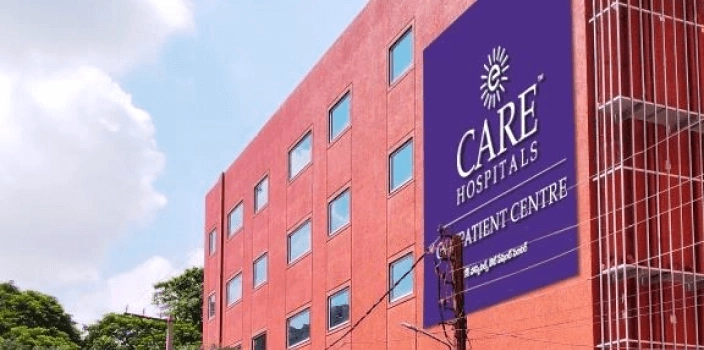
CARE Hospitals Outpatient Centre, HITEC City, Hyderabad
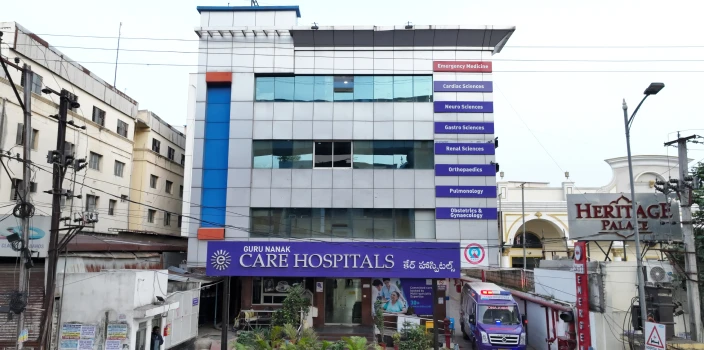
Gurunanak CARE Hospitals, Musheerabad, Hyderabad
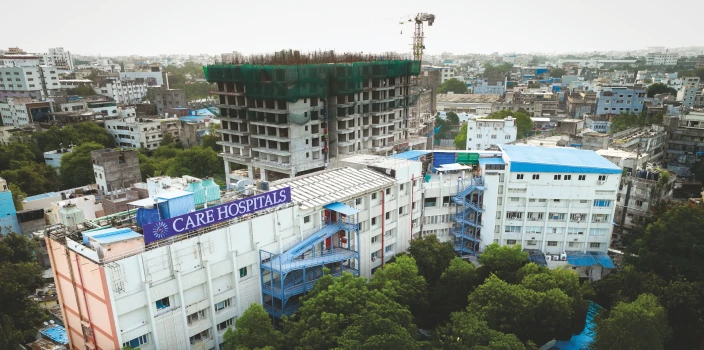
CARE Hospitals, Nampally, Hyderabad
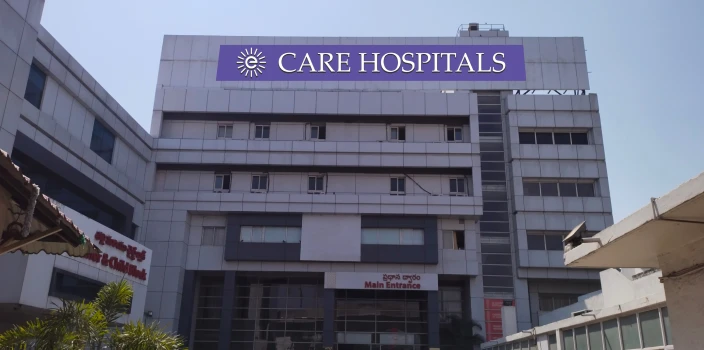
CARE Hospitals, Malakpet, Hyderabad
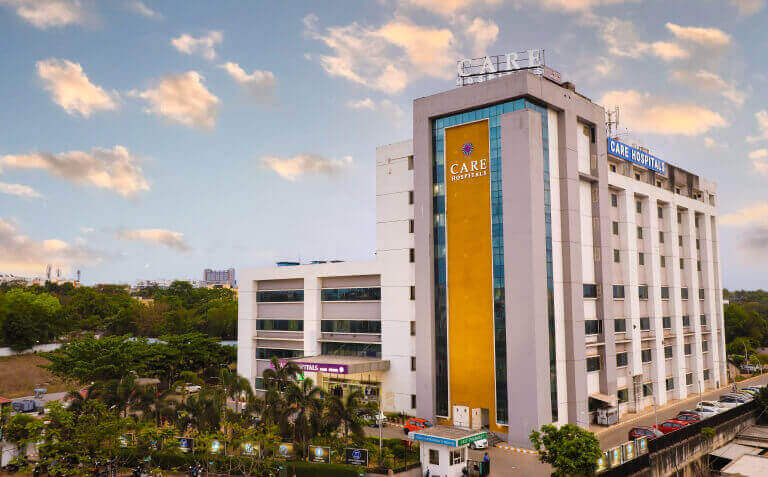
CARE Hospitals, Bhubaneswar
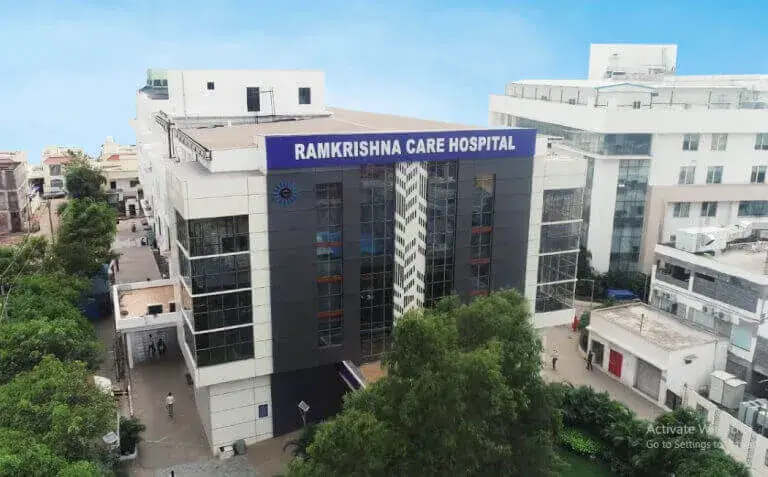
Ramkrishna CARE Hospitals, Raipur
CARE Hospitals, Ramnagar, Visakhapatnam
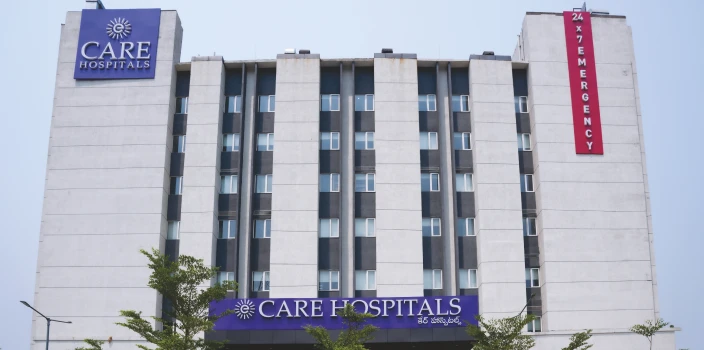
CARE Hospitals, Health City, Arilova
Frequently Asked Questions
Doctors perform aneurysm surgery to treat dangerous bulges in blood vessels that could rupture. Two main approaches exist: open surgical repair removes the damaged section and replaces it with a synthetic graft. In endovascular repair, doctors use coils or stents through a catheter to block blood flow into the aneurysm. Both methods help prevent rupture or additional bleeding from the weakened vessel.
Most patients feel manageable discomfort rather than severe pain. General anaesthesia will give a pain-free surgical experience. Doctors prescribe pain medication to manage post-operative discomfort. The pain from endovascular procedures feels nowhere near as intense as open surgery because of smaller incisions.
While aneurysm surgery has risks, untreated aneurysms pose greater dangers. Without treatment, a ruptured aneurysm becomes fatal. All but one of these patients with ruptured brain aneurysms die within 24 hours.
Suitable candidates usually include:
- Patients with aneurysms at least 5 centimetres wide
- People whose aneurysms grow more than 1 centimetre yearly
- Those experiencing abdominal or chest pain
- Patients needing emergency care for ruptured or dissected aneurysms
Open surgical repair usually takes 3-4 hours. Brain aneurysm procedures need 3-5 hours (based on complexity). Endovascular coiling takes between 1.5-3 hours. The location, size, and surgical approach affect the duration.
Complications can include:
- Bleeding and blood clots
- Infections
- Kidney damage
- Endoleaks occur when blood leaks around the stent graft
- Brain surgery might cause seizures, memory issues, or speech problems.
Recovery varies by procedure type. Endovascular repair needs 1-2 days in the hospital with full recovery in 2-4 weeks. Open surgery requires 3-10 days in the hospital, and complete recovery takes 4-6 weeks. Most patients can return to normal activities within 2-3 months.
Your doctor will start with a complete medical evaluation and run tests to ensure you are fit for surgery. You should discuss all medicines you take, particularly blood thinners like aspirin or warfarin that need temporary discontinuation before surgery. The procedure requires 6 hours of fasting beforehand. Take only prescribed medications with a small sip of water on the day of surgery.
You will receive general anaesthesia to keep you comfortable during the procedure. The surgical team performs open surgery by making an incision to reach the aneurysm. They replace the weakened section with a synthetic graft and close the wound. Endovascular procedures work differently - surgeons insert a catheter through the groin to place coils or stents at the aneurysm site.
The risk of developing aneurysms increases after age 40. Women have a higher likelihood of developing brain aneurysms than men. Your risk factors include family history, high blood pressure, smoking, and certain genetic disorders.
Yes. Your recovery includes regular imaging tests (angiograms) before leaving the hospital and possibly yearly checks for several years. These appointments help monitor changes or recurrence. Most aneurysms that are fully clipped don't bleed again.
Lifestyle changes play a vital role in preventing aneurysm growth.
- Keep conditions like high blood pressure and diabetes under control.
- Quit smoking right away.
- Your diet should be heart-healthy with low salt, sugar, and saturated fat content.
- Regular exercise matters, but follow your doctor's specific recommendations.
- Remember to avoid lifting anything heavier than 10 pounds for 4-6 weeks after surgery.
Still Have a Question?