
-
Centre of Excellence
Specialties
Treatments and Procedures
 HyderabadCARE Hospitals, Banjara Hills CARE Outpatient Centre, Banjara Hills CARE Hospitals, HITEC City CARE Hospitals, Nampally Gurunanak CARE Hospitals, Musheerabad CARE Hospitals Outpatient Centre, HITEC City CARE Hospitals, Malakpet
 Raipur
 Bhubaneswar
 Visakhapatnam
 Nagpur
 Indore
 Chh. Sambhajinagar
 Clinics & Medical Centers


-

-

-

-

-

-
Follow Us

Best Hospital for Cerebral Digital Subtraction Angiography (DSA) in Hyderabad
- Advanced Technology
- Shorter Hospital Stay
- Pre & Post-Operative Care
- All Insurance Accepted

Chat With Our Experts
Get second opinion on Whatsapp
25 lakhs+
Happy Patients
Experienced and
skilled surgeons
17
Health Care Facilities
Top most Referral Centre
for Complex Surgeries
Advanced Cerebral Digital Subtraction Angiography (DSA)
Cerebral digital subtraction angiography (DSA) is the reference-standard imaging technique for evaluating brain blood vessels. It is considered one of the most accurate methods for diagnosing abnormalities such as aneurysms, arteriovenous malformations (AVMs), vessel narrowing, and other vascular conditions. A catheter is advanced to the carotid or vertebral arteries; iodinated contrast is injected and a rapid X-ray sequence is acquired. Digital subtraction processing removes overlying bone and soft tissue, leaving contrast-filled vessels visible with unmatched clarity. Cerebral DSA provides real-time arterial, capillary, and venous phase assessment of cerebral blood flow, allows simultaneous therapeutic intervention, and remains irreplaceable for planning treatment of aneurysms, arteriovenous malformations and dural arteriovenous fistulas (dAVFs).
Why Is Cerebral DSA Performed?
Cerebral DSA is performed to get highly detailed images of the brain's blood vessels when more precise evaluation is needed than standard CT or MRI scans can provide.
Doctors recommend cerebral DSA for:
- Characterisation of intracranial aneurysm: To assess the aneurysm's size, shape, neck and nearby blood vessels.
- Arteriovenous malformations (AVMs) and Arteriovenous fistulas: To study abnormal blood vessel connections and blood flow patterns in detail.
- Stroke and blood vessel narrowing: To evaluate blocked, narrowed or damaged brain arteries in conditions like carotid stenosis or arterial dissection.
- Vasospasm after brain bleeding: To assess the narrowing of blood vessels following subarachnoid haemorrhage.
- Blood vessel disorders: To study abnormal or inflamed brain blood vessels in greater detail like artery dissection, vasculitis, moyamoya disease or venous sinus thrombosis.
- Treatment planning: DSA is performed at the start of every endovascular procedure as the definitive anatomical reference, treatment planning and device selection.
Best Cerebral Digital Subtraction Angiography (DSA) Doctors in India







Who Needs Cerebral DSA?
Cerebral DSA is performed when non-invasive vascular imaging cannot adequately answer the clinical question:
- Known or suspected aneurysm, arteriovenous malformations, CCF and dural arteriovenous fistulas (dAVFs) when CT angiography or MR angiography is insufficient, or when studies are negative but suspicion remains high
- To identify the bleeding source in subarachnoid haemorrhage
- To detect blood vessel disorders like TIA, stroke, vasculitis, or moyamoya
- Pre-treatment planning before coiling, flow diversion, embolisation, or clipping
- Post-treatment follow-up - gold standard for confirming occlusion at 6 and 18 months after coiling or AVM embolisation.
Symptoms That May Require Cerebral DSA
Clinical presentations that commonly lead to cerebral DSA after initial non-invasive imaging:
- Thunderclap headache: DSA identifies the aneurysm or AVM source when SAH is confirmed
- Focal neurological deficits (weakness, speech, vision), pulsatile tinnitus or bruit, suspected vasculitis or moyamoya: DSA when non-invasive imaging identifies a lesion or requires supplementation
- Incidental aneurysm on MRI or third nerve palsy: DSA when precise neck morphology or parent artery dimensions are needed for treatment decisions, or when CTA is negative or equivocal
Causes of Cerebral Vascular Disease Requiring DSA
Cerebral DSA is often performed to diagnose and evaluate conditions affecting the blood vessels of the brain. Underlying conditions prompting cerebral DSA:
- Aneurysms
- Arteriovenous malformations AVMs
- Direct and Indirect Carotico-cavernous fistulae
- Dural arteriovenous fistulas (dAVFs)
- Veing Galen malformation (VGAM)
- Atherosclerosis
- Carotid or vertebral dissection
- Carotid or vertebral stenosis
- Moyamoya disease
- Cerebral venous sinus thrombosis.
Risk Factors for Cerebral DSA Procedure
Patient specific factors that influence procedural risk:
- Anticoagulants: Need temporary adjustment before the procedure to reduce bleeding risk
- Renal impairment: eGFR below 30 can increase the risk of contrast-related complications, so hydration and precautions may be required
- Contrast allergy: Corticosteroid pre-medication required
- Aortic arch tortuosity: Can increase navigation difficulty
Complications of Cerebral DSA
Cerebral DSA has a well-established safety profile at experienced centers and when performed by qualified Interventional Neuroradiologist or Neurointerventionist. However rarely certain complications can occur. They are:
- Thromboembolic stroke (higher risk in elderly patients and severe aortic arch atherosclerosis)
- Contrast-induced nephropathy
- Contrast allergy
- Temporary discomfort, nausea, or headache during the procedure
- Femoral access site complications like haematoma, pseudoaneurysm, or AVF.
Conditions Diagnosed Using Cerebral DSA
Cerebral DSA diagnose and evaluates a wide range of brain blood vessel disorders with high precision:
- Intracranial aneurysms (saccular, fusiform, blister, mycotic)
- Arteriovenous malformations (AVMs)
- Dural arteriovenous fistulas (dAVFs)
- Cartico-cavernous fistulae ( Direct and Indirect)
- Narrowing or blockage of brain arteries
- Carotid artery stenosis
- Stroke and transient ischemic attacks (TIAs)
- Blood vessel dissection or tears
- Moyamoya disease
- Cerebral vasculitis
- Cerebral venous sinus thrombosis
- Vasospasm after brain haemorrhage
- Abnormal brain blood vessel anatomy before neurovascular procedures.
Cerebral DSA Procedure
Performed under local anaesthesia with conscious sedation or general anaesthesia for children or patients who cannot remain still.
Procedural steps are:
- Catheter Insertion: A small catheter is inserted through an artery in the groin or wrist and carefully guided towards the blood vessels of the brain
- Contrast Injection: A contrast dye is injected through the catheter, making the brain arteries clearly visible on imaging. The dye outlines the vessels in real time allowing the team to see exactly how blood is flowing through the arterial, capillary and venous phases
- 3D Rotational Angiography: A series of rapid X-ray images is taken as the contrast moves through the vessels. These images reconstruct hundreds of projections into a 3D volume for optimal aneurysm neck profiling
- Multiple Imaging Angles: Images are acquired from several angles (AP, lateral, oblique, Towne's views) to ensure that the affected vessels and surrounding anatomy are assessed thoroughly
- Catheter Removal and Closure: Once imaging is complete the catheter is removed and firm pressure is applied for 10 to 20 minutes or a closure device is applied at the access site to prevent bleeding.
The procedure usually takes 20-30 minutes though complex cases may take longer. Patients are advised to rest supine for 4 to 6 hours before discharge.
Benefits of Cerebral DSA
The highest spatial resolution of the brain's blood vessels enables doctors diagnose and plan treatment for complex vascular conditions. Other benefits are:
- Detects aneurysms as small as 1 to 2 mm and vascular abnormalities that may not be visible on other scans
- Give real-time arterial, capillary and venous phase information unavailable from non-invasive imaging
- Accurately assess conditions such as AVMs, aneurysms, vessel narrowing, and vasospasm
- Advanced 3D imaging improves treatment planning and procedural safety
- Allows both diagnosis and minimally invasive treatment during the same procedure when required
- The gold standard for outcome assessment like confirms occlusion completeness at 6 and 18 months after coiling or AVM embolisation.
When to See a Doctor
Symptoms that need prompt evaluation and may lead to cerebral DSA:
- Sudden severe headache, especially the worst headache ever experienced
- Sudden weakness or numbness in the face, arm, or leg
- Difficulty speaking or understanding speech
- Sudden loss of vision or double vision
- Dizziness, imbalance, or difficulty walking
- Sudden confusion or altered consciousness
- Seizures without a known cause and suspicion of vascular malformation on MRI.
- Sudden facial drooping
- Persistent or unexplained neurological symptoms.
After DSA, seek immediate attention for expanding groin swelling, a cold or pale punctured leg, new headache or neurological symptoms, or allergic signs (rash, breathing difficulty).
Conclusion
Cerebral DSA remains the most detailed and accurate method available for examining the blood vessels of the brain. When other imaging (CTA and MRA) raises a concern but does not provide a complete enough picture to act on, DSA is the investigation that resolves the uncertainty and makes precise treatment planning possible. Its value extends beyond diagnosis. In many cases, the same procedure that confirms an aneurysm, arteriovenous malformation or vessel narrowing also allows the treating team to plan or begin minimally invasive intervention without a separate admission or additional access. That combination of diagnostic precision and therapeutic capability in a single sitting is what sets DSA apart from other imaging modalities.
For patients with complex neurovascular conditions, early and accurate evaluation is not a preliminary step before treatment begins. It is the foundation on which safe, effective treatment is built. Cerebral DSA, used at the right point in a patient's care, can meaningfully improve outcomes by ensuring that the decisions made are based on the clearest possible picture of what is happening inside the brain's vasculature.
Cerebral Digital Subtraction Angiography (DSA) Hospitals in India
-
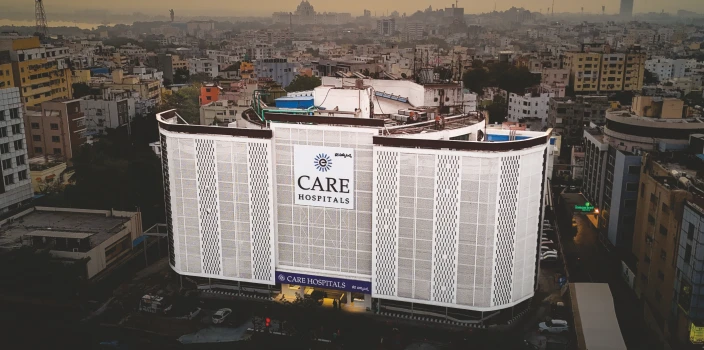
CARE Hospitals, Banjara Hills, Hyderabad
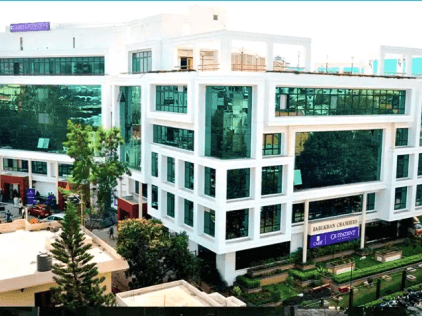
CARE Hospitals Outpatient Centre, Banjara Hills, Hyderabad
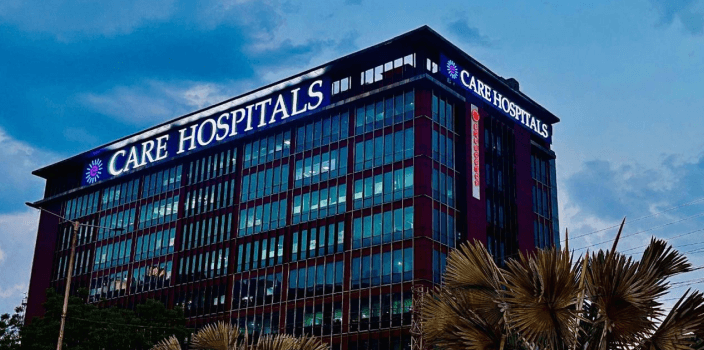
CARE Hospitals, HITEC City, Hyderabad
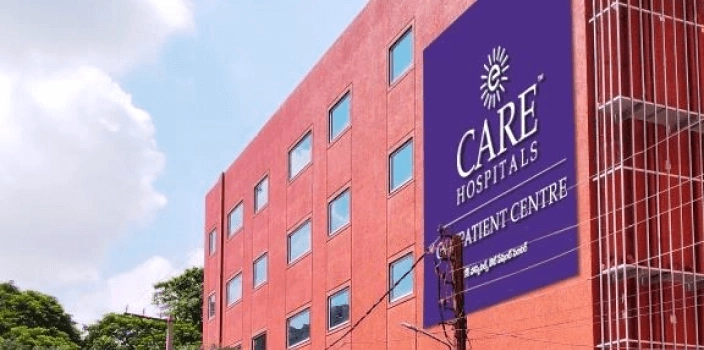
CARE Hospitals Outpatient Centre, HITEC City, Hyderabad
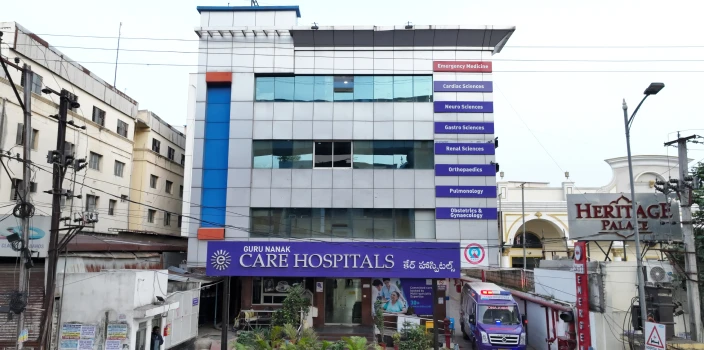
Gurunanak CARE Hospitals, Musheerabad, Hyderabad
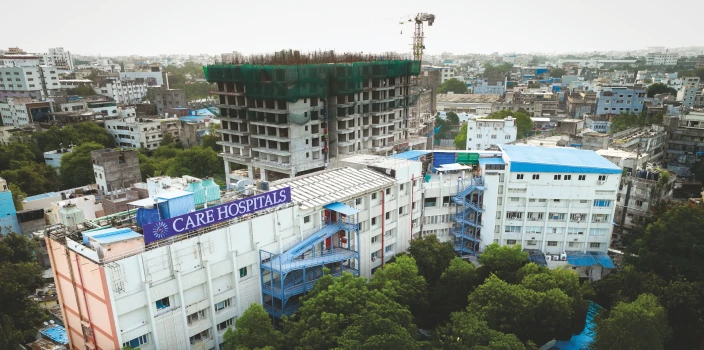
CARE Hospitals, Nampally, Hyderabad
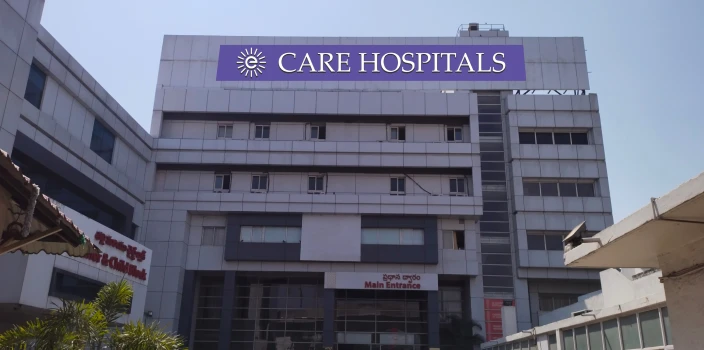
CARE Hospitals, Malakpet, Hyderabad
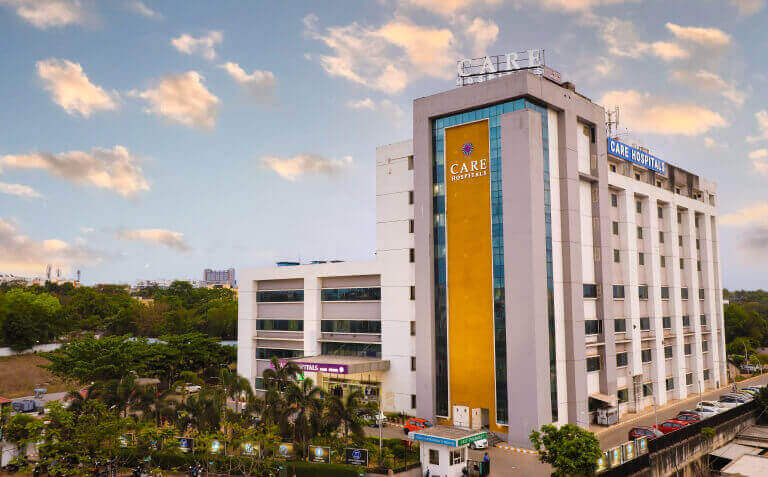
CARE Hospitals, Bhubaneswar
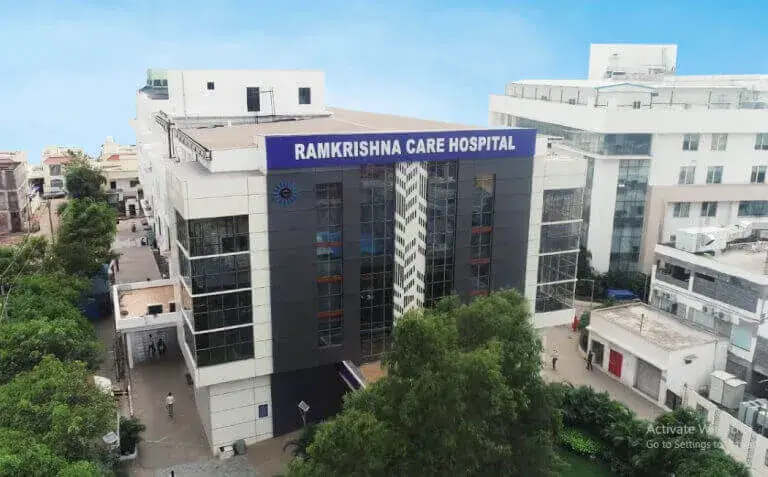
Ramkrishna CARE Hospitals, Raipur
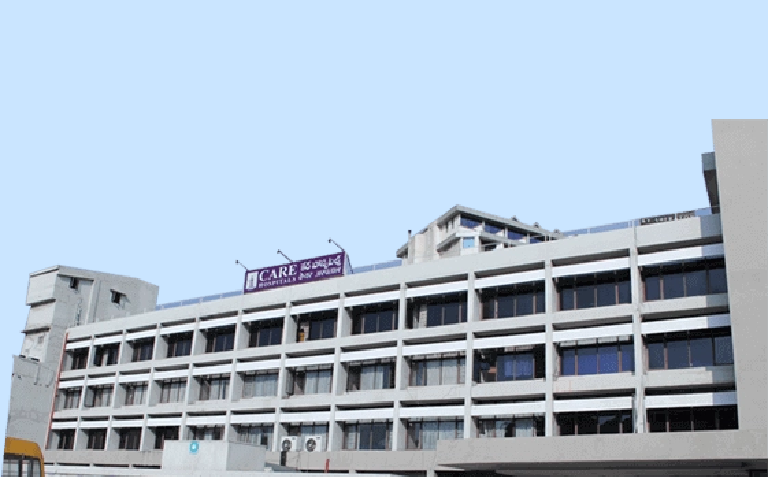
CARE Hospitals, Ramnagar, Visakhapatnam
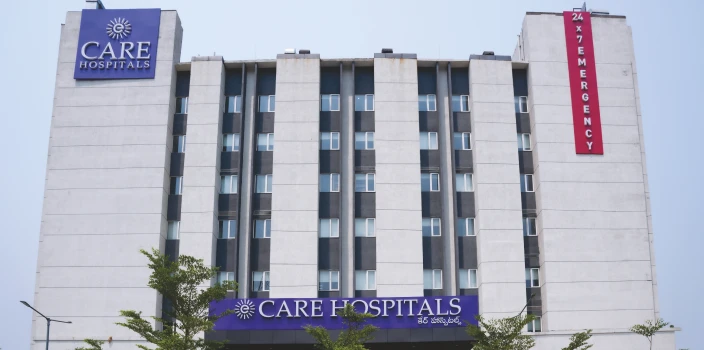
CARE Hospitals, Health City, Arilova
Frequently Asked Questions
Cerebral DSA is the definitive test for intracranial blood vessels like characterising aneurysms, AVMs, dAVFs, carotid stenosis, vasculitis, moyamoya, and venous sinus thrombosis. It is also the procedural roadmap for every endovascular intervention.
Performed under local anaesthesia with sedation. The femoral puncture causes brief stinging but catheter navigation and contrast injection are not felt. A warm flushing sensation during contrast is common. Groin soreness for 24 to 48 hours is managed with simple analgesia.
A standard four-vessel DSA takes 20–30 minutes however complex cases take up to 60 minutes. Post-procedure rest is 4 to 6 hours.
Yes, Cerebral DSA is a safe procedure when performed at experienced centres, with a very low risk of neurological complications
Common complications are:
- Thromboembolic stroke
- Transient neurological deficit
- Contrast-induced nephropathy
- Femoral haematoma or pseudoaneurysm
- Contrast allergy.
Patients are usually advised to keep the puncture leg straight for 4 to 6 hours. Most patients are discharged the same day or the next morning. Driving is restricted for 24 to 48 hours and strenuous activity for three to five days.
Cerebral DSA reliably detects aneurysms as small as 1 to 2 mm and provides the neck morphology, dome-to-neck ratio, and parent artery dimensions that determine whether coiling, clipping, or flow diversion is appropriate.
Performed by interventional neuroradiologists, interventional neurologists in a dedicated Cath lab suite with 3D rotational capability.
Still Have a Question?