

-
Centre of Excellence
Specialties
Treatments and Procedures
 HyderabadCARE Hospitals, Banjara Hills CARE Outpatient Centre, Banjara Hills CARE Hospitals, HITEC City CARE Hospitals, Nampally Gurunanak CARE Hospitals, Musheerabad CARE Hospitals Outpatient Centre, HITEC City CARE Hospitals, Malakpet
 Raipur
 Bhubaneswar
 Visakhapatnam
 Nagpur
 Indore
 Chh. Sambhajinagar
 Clinics & Medical Centers


-

-

-

-

-

-
Follow Us

Best Hospital for Hip Resurfacing Surgery in Hyderabad
- Advanced Technology
- Shorter Hospital Stay
- Pre & Post-Operative Care
- All Insurance Accepted

Chat With Our Experts
Get second opinion on Whatsapp
25 lakhs+
Happy Patients
Experienced and
skilled surgeons
17
Health Care Facilities
Top most Referral Centre
for Complex Surgeries
Advanced Hip Resurfacing Surgery
Hip resurfacing surgery offers patients a good treatment choice besides total hip replacement surgery. This surgery keeps more of the natural hip bone structure intact. The surgeon reshapes the femoral head and caps it with smooth metal. New resurfacing methods have caused a revolution in hip treatment options. The procedure works best for younger, larger people who have excellent bone stock and need treatment for osteoarthritis rather than dysplasia or osteonecrosis.
This article explains what resurfacing hip surgery is, its procedure and why you should pick CARE Hospitals for this crucial surgery.
Why CARE Group Hospitals is Your Top Choice for Hip Resurfacing Surgery in Hyderabad
CARE Hospitals combines medical expertise with state-of-the-art technology to deliver exceptional results for hip resurfacing patients. The orthopaedic team has specialists who have successfully performed many hip resurfacing procedures. Each patient gets a personalised treatment plan based on their specific condition.
The hospital's infrastructure features operating theatres specially equipped for orthopaedic surgeries. CARE's dedicated post-operative rehabilitation team helps patients achieve the best possible recovery and mobility after surgery.
State-of-the-art Surgical Innovations at CARE Hospital
CARE Hospital welcomes the latest advances in hip resurfacing techniques. Our computer-assisted surgery systems boost precision during procedures. Surgeons employ minimally invasive approaches when possible, which leads to smaller incisions and faster recovery times.
Advanced imaging technology aids in accurate surgical planning. These breakthroughs reduce complications and improve how long hip resurfacing results last.
Best Hip Resurfacing Surgery Doctors in India










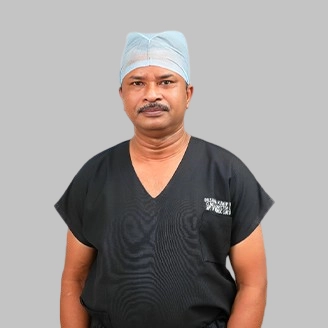









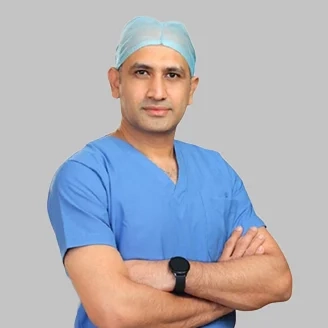

















Indications for Hip Joint Resurfacing Surgery
Doctors might recommend hip resurfacing for several conditions. These include but not limited to:
- Osteoarthritis that hasn't responded to conservative treatment
- Avascular necrosis (death of bone tissue due to insufficient blood supply)
- Hip dysplasia (abnormal hip development)
- Post-traumatic arthritis following hip injury
Young, active patients with strong bone stock and minimal deformity of the femoral head make ideal candidates.
Types of Hip Resurfacing Surgery Procedures
CARE offers several approaches to hip resurfacing:
- Birmingham Hip Resurfacing (BHR): A metal-on-metal bearing surface that preserves more bone than traditional replacements
- Ceramic-on-metal resurfacing: Offering potentially reduced wear rates compared to other options
- Hybrid resurfacing systems: Combining different materials to optimise both stability and longevity
Each procedure has specific benefits based on the patient's age, activity level, and anatomical considerations. CARE's surgical team carefully assesses which approach will give the best long-term outcome for each patient.
Pre-surgery Preparation
You will need several medical assessments before surgery.
- Your doctor will ask for a complete physical examination, blood tests, an electrocardiogram, and imaging tests like X-rays or MRIs.
- Your surgeon will tell you to stop certain medications at least one week before surgery, especially blood thinners, aspirin, and anti-inflammatory drugs.
- Your doctor will advise you to stop eating and drinking anything eight hours before the procedure.
Hip Resurfacing Surgical Procedure
- The surgery takes about 1.5 to 3 hours.
- After anaesthesia induction, your surgeon will make an incision in your thigh to reach the hip joint.
- The surgeon will move the femoral head from its socket and shape the damaged bone. A metal cap goes over the prepared femoral head, secured with surgical cement.
- The surgeon will remove damaged cartilage from the socket with a reamer and put in a metal cup that friction holds in place.
- The final step puts the femoral head back into the socket before closing the incision.
Post-surgery Recovery
- You can leave the hospital within 1 to 4 days after surgery.
- You might need walking aids like crutches or a cane at first, though many patients can stand right after the procedure.
- Your rehabilitation plan will include physical therapy to keep your range of motion and build strength.
- Most patients get back to their normal routine within 6 weeks.
- High-impact activities need 3-6 months of physical therapy.
Complications
While rare, these complications can happen:
- Femoral neck fracture
- Metal ion issues from metal-on-metal parts
- Blood clots in leg veins
- Infection at the surgical site
- Nerve or blood vessel damage
- Hip joint dislocation
Benefits of Hip Resurfacing Surgery
This surgery has several advantages:
- Saves bone tissue
- Future revisions are easier
- The bigger ball size results in less dislocation risk
- Patients often walk more naturally & feel more stable
- Younger patients can stay more active with this procedure
Insurance Assistance for Hip Resurfacing Surgery
Your health insurance should cover hip resurfacing if it's medically needed. Check with your insurance provider about your policy details. At CARE Hospitals our insurance assistance team will help you get authorisation before the procedure and help with the necessary paperwork for the insurance claim.
Second Opinion for Hip Resurfacing Surgery
Another specialist's assessment helps clarify your diagnosis and treatment options. This step becomes crucial with complex surgeries like hip resurfacing. Bring all your medical records and images to your consultation. Most doctors encourage you to get second opinions if you are unsure about treatments.
Conclusion
Hip resurfacing has emerged as a game-changing alternative to total hip replacement. This procedure keeps more of your natural bone intact and boasts impressive success rates. CARE Hospitals excels at this specialised surgery. Our surgeons use innovative technology to develop a customised treatment plan for your unique needs. The hospital's support extends from your initial consultation through to rehabilitation.
Hip resurfacing holds several key advantages over traditional replacement methods. Patients face a much lower risk of dislocation. On top of that, it allows you to move more naturally while putting less stress on the surrounding bone. Talk with your doctor about whether you're a good candidate for hip resurfacing. Making the right choice could give you years of pain-free movement and an active lifestyle that might not be possible with traditional hip replacement.
Best Hip Resurfacing Surgery Hospitals in India
-
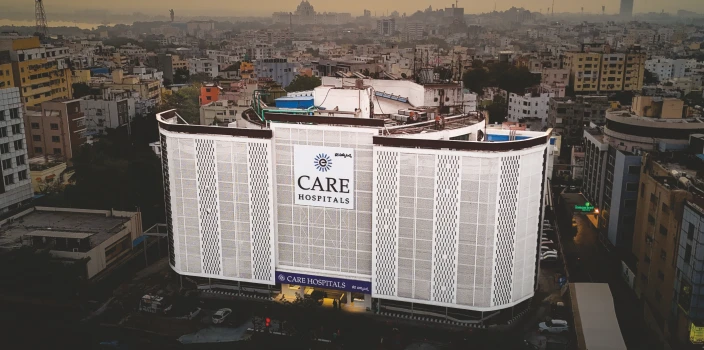
CARE Hospitals, Banjara Hills, Hyderabad
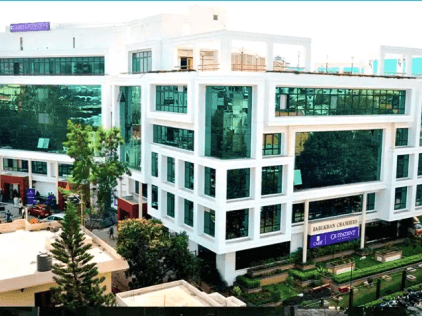
CARE Hospitals Outpatient Centre, Banjara Hills, Hyderabad

CARE Hospitals, HITEC City, Hyderabad

CARE Hospitals Outpatient Centre, HITEC City, Hyderabad
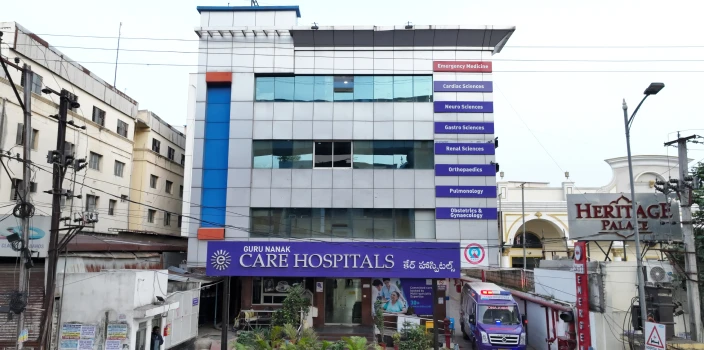
Gurunanak CARE Hospitals, Musheerabad, Hyderabad
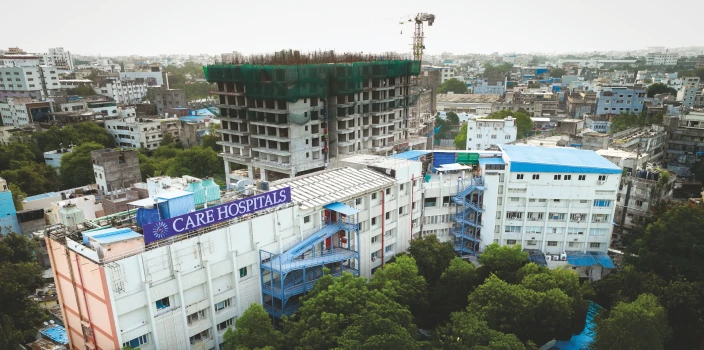
CARE Hospitals, Nampally, Hyderabad

CARE Hospitals, Malakpet, Hyderabad

CARE Hospitals, Bhubaneswar

Ramkrishna CARE Hospitals, Raipur

CARE Hospitals, Ramnagar, Visakhapatnam

CARE Hospitals, Health City, Arilova
Frequently Asked Questions
Hip resurfacing gives patients another option besides total hip replacement. The surgeon preserves and trims the femoral head, then caps it with a smooth metal covering rather than removing it completely. A metal shell replaces the damaged bone and cartilage in the socket, much like a traditional hip replacement.
The medical team starts pain management right after surgery using medications like opioids, NSAIDs and local anaesthetics. You might feel some discomfort for several weeks after the operation. Your surgical team will work with you to keep pain under control throughout your recovery.
The surgery usually takes 1.5 to 3 hours. You will need extra time at the hospital before and after the procedure for preparation and initial recovery.
The surgery comes with some complications like:
- Femoral neck fracture
- Metal ion issues from metal-on-metal parts
- Blood clots
- Infection
- Nerve damage
- Hip dislocation
Most people head home within 1-4 days after surgery. Daily activities become manageable after about six weeks. Athletes might need 3-6 months before returning to sports.
Your preparation should include:
- A full physical exam and blood tests
- Stop taking certain medications, especially blood thinners, a week before surgery
- Do not eat or drink anything after midnight before your procedure.
The surgery starts with either general or regional anaesthesia. Your surgeon makes an incision to reach your hip joint, trims the femoral head, places a metal cap over it, removes damaged cartilage from the socket, puts in a metal cup, and closes the incision.
Of course! You will need regular check-ups after your procedure. Your first follow-up visit happens 6-12 weeks after surgery to assess your recovery progress. Your surgeon checks wound healing and range of motion while addressing your concerns. You will need physical therapy for several weeks. These follow-up visits help your surgeon adjust your recovery plan when needed.
Your body needs:
- Protein-rich foods like chicken, fish, beans and lean meats to repair tissue
- Calcium-rich foods such as dairy products, leafy greens and almonds to strengthen bones
- Foods with omega-3 fatty acids found in fatty fish, seeds and nuts reduce swelling
- Drink plenty of water and eat high-fibre foods to avoid constipation from pain medications.
Ideal candidates include:
- Active people under age 60 with strong bones
- Men under 55 years old
- Patients with primary osteoarthritis
- Individuals with healthy kidneys
- Those wanting to return to high-impact activities
You can start moving and putting weight on your hip the day after surgery. Your recovery speeds up when you follow your physiotherapist's exercises carefully. Daily walks help as much as you can manage them comfortably. Take prescribed medications to control pain effectively. A nutrient-rich diet helps your bones and tissues heal faster.
Regional anaesthesia (spinal or epidural) numbs you from the waist down during most procedures. This method helps you recover more smoothly with less nausea and blood loss. Doctors can use general anaesthesia if regional options don't suit you.
The following group should avoid this surgery:
- Individuals with osteoporosis
- Patients with kidney problems
- People with metal allergies
- Women planning pregnancies
- Patients with avascular necrosis, rheumatoid arthritis, or developmental hip dysplasia
- Patients with severe bone defects or cysts larger than 1cm.
Modern resurfacing shows excellent durability. Research indicates that hip implants have high success rates and continue to work well for a long time after the operation.
Still Have a Question?