
-
Centre of Excellence
Specialties
Treatments and Procedures
 HyderabadCARE Hospitals, Banjara Hills CARE Outpatient Centre, Banjara Hills CARE Hospitals, HITEC City CARE Hospitals, Nampally Gurunanak CARE Hospitals, Musheerabad CARE Hospitals Outpatient Centre, HITEC City CARE Hospitals, Malakpet
 Raipur
 Bhubaneswar
 Visakhapatnam
 Nagpur
 Indore
 Chh. Sambhajinagar
 Clinics & Medical Centers


-

-

-

-

-

-
Follow Us

Best Hospital for Ganglionectomy in Hyderabad
- Advanced Technology
- Shorter Hospital Stay
- Pre & Post-Operative Care
- All Insurance Accepted

Chat With Our Experts
Get second opinion on Whatsapp
25 lakhs+
Happy Patients
Experienced and
skilled surgeons
17
Health Care Facilities
Top most Referral Centre
for Complex Surgeries
Advanced Ganglionectomy Surgery
Ganglion surgery, or ganglionectomy, removes a ganglion cyst from the hand, wrist, foot, or ankle. These fluid-filled, non-cancerous lumps cause pain and restrict movement, making everyday tasks challenging for patients. Doctors recognise ganglions as the most common soft-tissue tumours they treat in the hand and wrist area.
Patients thinking about ganglion cyst removal should know their options include traditional open excision and modern minimally invasive approaches. The arthroscopic or endoscopic resection offers a gentler surgical option that reduces complications. Most patients have this procedure done as outpatients and go home the same day.
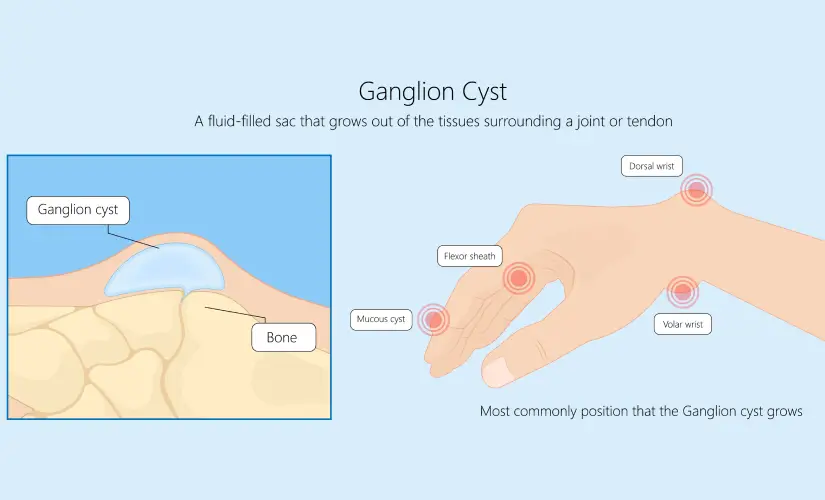
This article explains what ganglionectomy is, its uses, and the benefits of this procedure.
Why CARE Group Hospitals is Your Top Choice for Ganglionectomy Surgery in Hyderabad
CARE Hospitals excels at ganglion surgery in Hyderabad. This NABH and NABL-accredited hospital treats more than thousands of outpatients each year, showing the community's trust.
CARE's exceptional ganglion cyst surgery results from our detailed treatment approach. Our surgical teams work together across departments to create personalised care plans for each patient. Our minimally invasive arthroscopic techniques let surgeons make smaller incisions that heal faster and protect surrounding tissues.
CARE Hospitals Group is among India's top hospital chains & maintains a strong infrastructure at every facility. Patients recover faster from ganglion surgery thanks to the comprehensive pre and post operative care procedures we have created. Our surgeons (who are trained in India & internationally) follow a strict adherence to these procedures.
Best Ganglionectomy Doctors in India










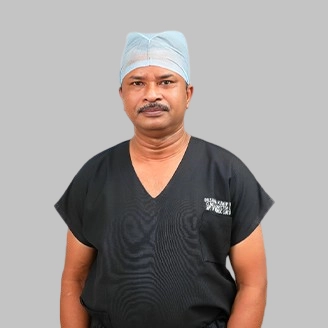









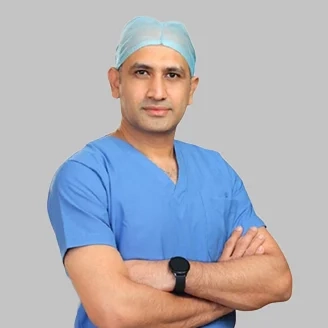
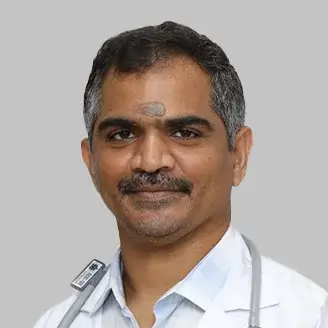















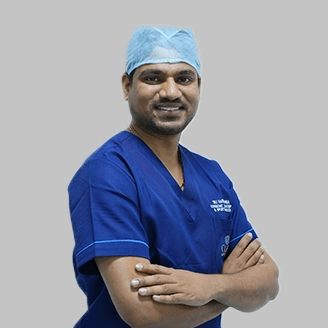
Cutting-edge Surgical Innovations at CARE Hospital
CARE Hospitals uses state-of-the-art technologies to make ganglion cyst removal more precise and effective. The hospital leads with integrated Robot Assisted Surgery (RAS) technologies including both Hugo and Da Vinci X Robotic systems.
These sophisticated systems give several advantages for ganglion surgery:
- Improved precision with robotic arms that provide extreme flexibility and manoeuvrability allowing surgeons steady control without injuring surrounding tissues
- Superior visibility through high definition 3D monitors giving surgeons better views of the operating field
- Minimal invasiveness resulting in smaller scars & faster recovery times
CARE's experienced surgeons maintain complete control of these advanced systems throughout the procedure. The hospital's surgical arsenal now includes high-definition Endovision equipment that enables "keyhole surgery" for countless patients.
Laparoscopic approaches for ganglion cyst surgery at CARE provide major benefits over traditional open procedures. Patients experience less post-operative pain, fewer wound-related complications, and recover faster. These minimally invasive techniques help patients worried about recovery time after ganglion surgery.
Indications for Ganglionectomy Surgery
Doctors suggest ganglion surgery in these cases (including but not limited to):
- Persistent pain that affects daily activities, especially when you have a cyst pressing against a nerve
- Movement limitations that make walking or gripping objects difficult
- Failed conservative treatments such as aspiration or steroid injections
- Cosmetic concerns based on patient preference
- Uncertainty about diagnosis to rule out cancer
- Neurovascular issues that need medical intervention
Doctors might consider ganglionectomy for neurological conditions like occipital neuralgia, chest wall pain, or perineal pain.
Types of Ganglionectomy Surgery Procedures
Doctors today have several ways to perform ganglion surgery. These range from standard procedures to less invasive options.
- Open Excision: Open surgery remains the best way to remove ganglion cysts and works great for tough cases. The surgeon cuts over the cyst and carefully works through the tissues to remove both the cyst and its stalk.
- Arthroscopic Excision: Arthroscopic ganglionectomy is a less invasive approach that needs smaller cuts and special cameras to guide the surgeon. The benefits of arthroscopy are clear:
- Smaller scars that heal faster
- Better views of joint structures
- Fewer complications
- No damage to scapholunate ligaments
- Less stiffness than open surgery
Doctors select the best approach based on where the cyst is, what the patient wants, and their own experience.
Pre-surgery Preparation
- Your surgeon will answer your questions and explain the procedure.
- The surgeon will give specific instructions about medications and fasting requirements based on your anaesthesia type.
- Your doctor might tell you to stop taking blood thinners or some supplements a few days before your operation.
- Make sure to clean the area and don't put on lotions or creams the day you are having surgery.
- Put on loose comfy clothes that make it easy to get to the part of your body where the surgery will happen.
Ganglionectomy Surgery Procedure
The surgical team uses local or general anaesthesia to keep you comfortable. Your surgeon makes an incision over the cyst and removes both the cyst and its root that connects to the joint or tendon. The wound closure happens with sutures or adhesive strips.
Post-surgery Recovery
The recovery takes two to six weeks. You might feel mild discomfort and notice some swelling that goes away with time. You need to keep your surgical site elevated, clean & dry. Most people can return to their normal activities within two to four weeks.
Complications
Surgery comes with some risks including but not limited to:
- Infection
- Scarring
- Stiffness
- Nerve damage
- Recurrence of the cyst
- Some patients might notice whitish discolouration or ongoing pain at the surgical site.
Benefits of Ganglionectomy Surgery
The surgery improves appearance and reduces pain. Research shows low pain scores after removal. Patient satisfaction rates are high.
Insurance Assistance for Ganglionectomy Surgery
Insurance plans often cover ganglion cyst removal when needed medically. Our hospital's insurance team helps patients with paperwork before treatment, handles claims, and provides support with documents. They work with insurance companies and make sure that everything goes well without any hassles so that you can concentrate on getting better.
Second Opinion for Ganglionectomy Surgery
Non-surgical options deserve a look since many cysts respond well to other treatments. A recent case showed excellent results when a patient chose aspiration instead of surgery, with full recovery after six weeks.
Conclusion
Ganglion cysts rarely pose serious health risks, but they can substantially affect your quality of life when they cause pain or limit movement. You should understand all possibilities before you go for surgery. Ganglionectomy provides a lasting solution for many patients who have not seen results from other treatments.
CARE Hospitals excels at performing this procedure in Hyderabad. Our medical team brings decades of experience and uses advanced surgical systems including robotic and endoscopic equipment. On top of that our integrated care approach will give each patient individualised treatment from diagnosis to recovery. CARE Hospital's team of specialists will help guide you through these choices with expert advice.
Best Ganglionectomy Hospitals in India
-
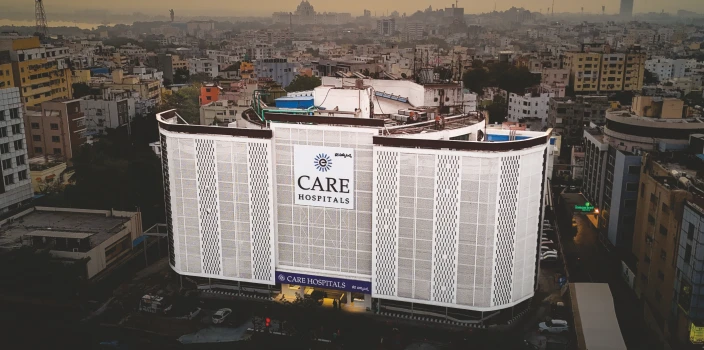
CARE Hospitals, Banjara Hills, Hyderabad
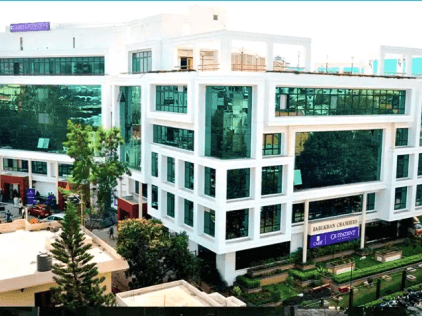
CARE Hospitals Outpatient Centre, Banjara Hills, Hyderabad
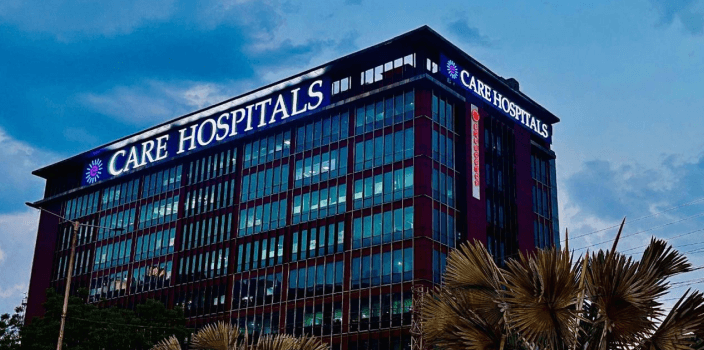
CARE Hospitals, HITEC City, Hyderabad
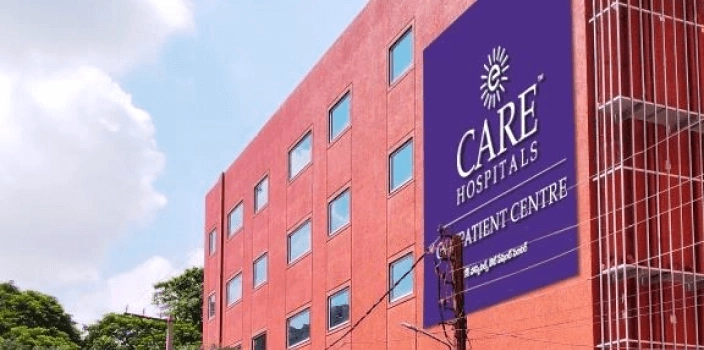
CARE Hospitals Outpatient Centre, HITEC City, Hyderabad
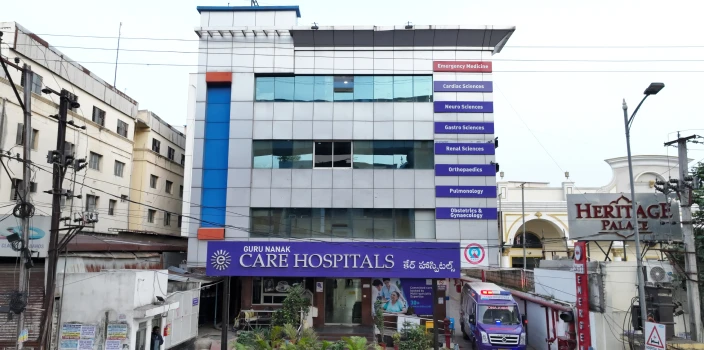
Gurunanak CARE Hospitals, Musheerabad, Hyderabad
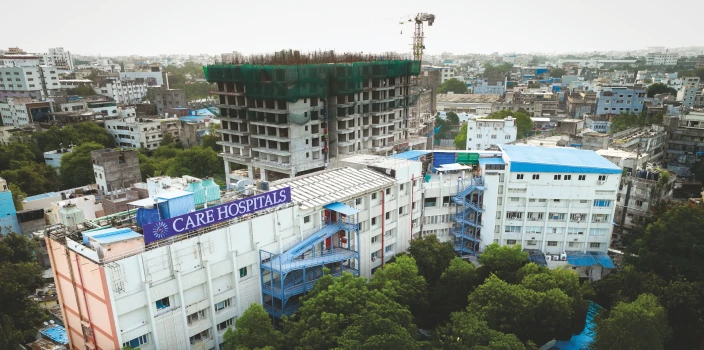
CARE Hospitals, Nampally, Hyderabad
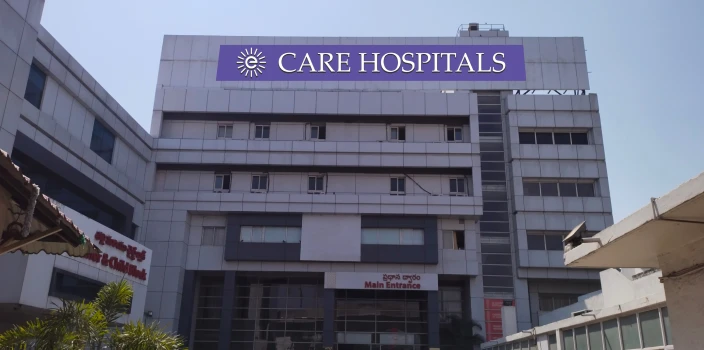
CARE Hospitals, Malakpet, Hyderabad
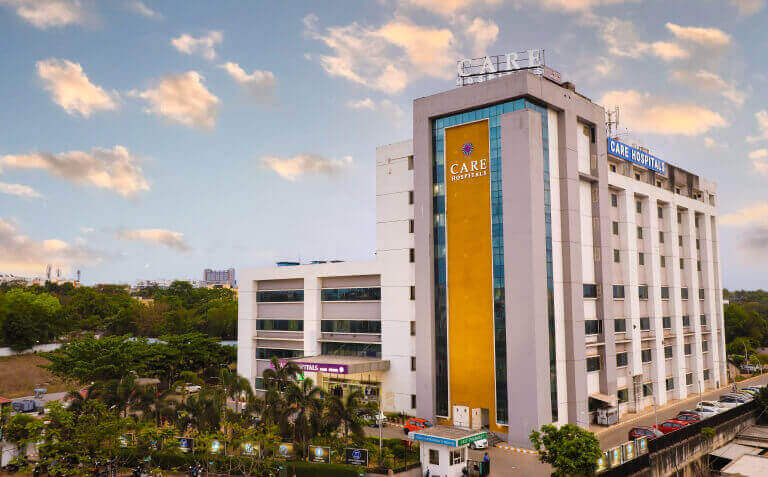
CARE Hospitals, Bhubaneswar
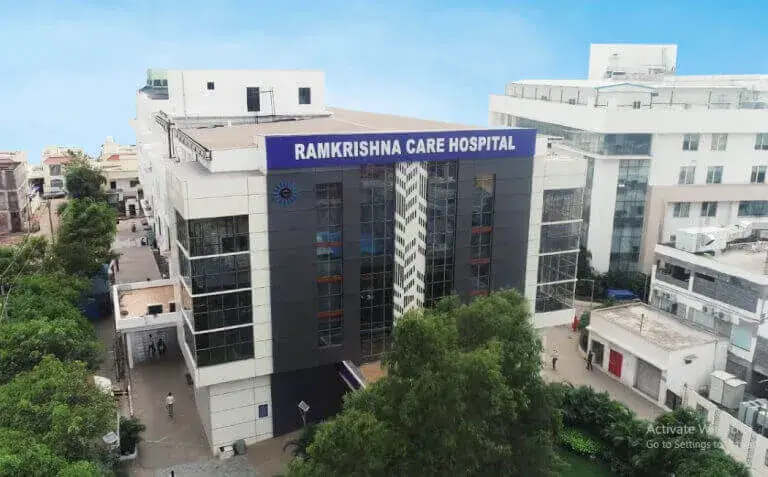
Ramkrishna CARE Hospitals, Raipur
CARE Hospitals, Ramnagar, Visakhapatnam
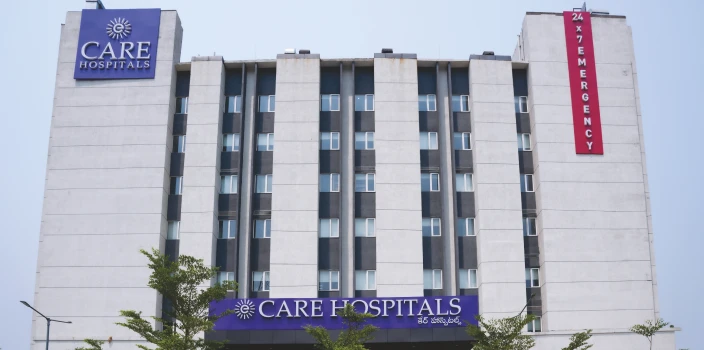
CARE Hospitals, Health City, Arilova
Frequently Asked Questions
Ganglionectomy surgery removes a ganglion cyst completely along with its stalk-like root structure. This outpatient procedure eliminates pain, improves joint function, and stops these fluid-filled lumps from coming back around joints or tendons.
Each patient experiences pain differently. The procedure itself causes no pain because of anaesthesia. Prescribed medications help manage any discomfort after surgery.
The surgery takes 30-60 minutes. Some specialised techniques need only 7-17 minutes, with an average of 12 minutes.
Some of the complications (including but not limited to) are:
- Infection
- Nerve damage
- Stiffness
- Scarring
- Recurrence of cysts
Recovery usually takes 2-6 weeks. You can start light activities within 1-2 weeks and gradually return to normal function. Some people need up to 24 days away from work.
You should follow your surgeon's fasting instructions carefully. Stop taking certain medications like aspirin or blood thinners several days before surgery. Someone needs to drive you home after the procedure.
Your surgeon makes a small cut over the cyst, removes it with its stalk, and closes the wound with stitches. Local anaesthesia lets you stay awake and comfortable during the procedure.
Your doctor will schedule a follow up appointment about two weeks after surgery to remove the splint and see the incision site for any infection. You might learn exercises to improve motion & strength. You do not need physical therapy (unless your surgeon specifically recommends it).
You can eat normal food as soon as you feel ready. Your stomach might feel upset at first, so stick to bland, low-fat foods like rice, chicken, toast, and yoghurt. Protein-rich foods help your tissues heal after surgery. High-fibre foods help prevent constipation, which commonly occurs after surgery.
The best candidates have severe pain, limited mobility, or cysts that other treatments haven't helped. This surgery helps people whose ganglion cysts interfere with daily activities or cause cosmetic concerns.
These steps help speed up recovery:
- Keep the affected area above heart level to reduce swelling
- Follow your doctor's post operative instructions exactly
- Show up for all scheduled checkups
- Start gentle movements when you receive a nod from your doctor
Doctors can use local, regional, or general anaesthesia. Research shows the WALANT technique (wide-awake local anaesthesia no tourniquet) controls pain better than general anaesthesia.
Still Have a Question?