
-
Centre of Excellence
Specialties
Treatments and Procedures
 HyderabadCARE Hospitals, Banjara Hills CARE Outpatient Centre, Banjara Hills CARE Hospitals, HITEC City CARE Hospitals, Nampally Gurunanak CARE Hospitals, Musheerabad CARE Hospitals Outpatient Centre, HITEC City CARE Hospitals, Malakpet
 Raipur
 Bhubaneswar
 Visakhapatnam
 Nagpur
 Indore
 Chh. Sambhajinagar
 Clinics & Medical Centers


-

-

-

-

-

-
Follow Us

Best Hospital for Adrenalectomy Surgery in Hyderabad
- Advanced Technology
- Shorter Hospital Stay
- Pre & Post-Operative Care
- All Insurance Accepted

Chat With Our Experts
Get second opinion on Whatsapp
25 lakhs+
Happy Patients
Experienced and
skilled surgeons
17
Health Care Facilities
Top most Referral Centre
for Complex Surgeries
Advanced Adrenalectomy Surgery
Doctors perform adrenalectomy as the main treatment for various adrenal gland problems. The procedure removes one or both adrenal glands and doctors usually recommend it for patients with hormone producing tumours or suspected cancer.
Tumours bigger than 4cm need removal because of cancer risks. Laparoscopic adrenalectomy has become the preferred treatment option nowadays. This technique gives patients shorter hospital stays, reduced post-operative pain, and quicker recovery.
In this article we cover everything a patient needs to know about adrenalectomy surgery including its preparation steps, recovery process, different surgical approaches and what to expect during each treatment phase.
Why CARE Group Hospitals is Your Top Choice for Adrenalectomy Surgery in Hyderabad
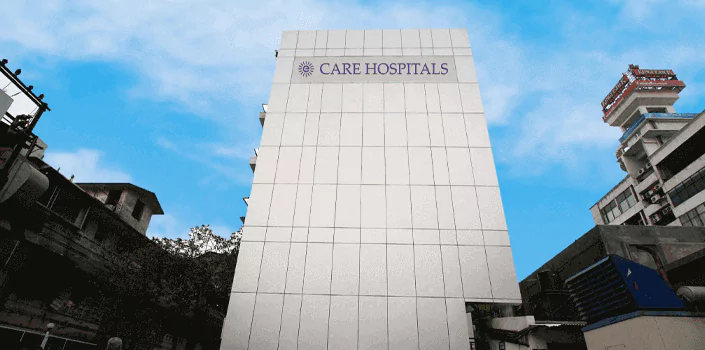
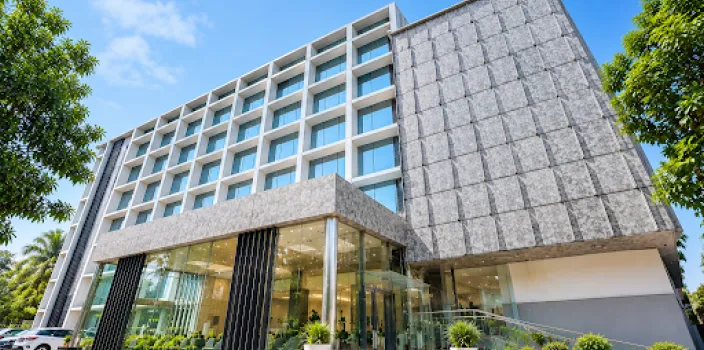
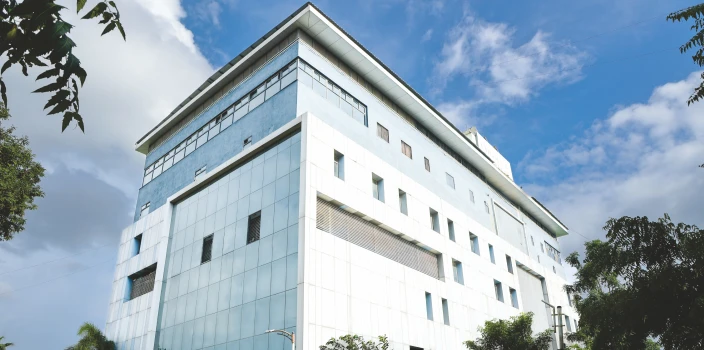
CARE Hospitals holds both NABH and NABL accreditations, showing their steadfast dedication to excellent patient care. The hospital sits in a prime location in Banjara Hills, making it easy to reach for patients who need specialised treatments like adrenalectomy. CARE stands out because its skilled team helps you during your hospital stay & gives you great post-operative support at home.
State-of-the-art Surgical Breakthroughs at CARE Hospital
The medical facility uses advanced technology and equipment to provide detailed diagnostic services in oncology. Our surgical team excels at modern techniques (like minimally invasive laparoscopic adrenalectomy which needs just three small 0.5-1cm incisions). Surgeons work through these keyhole openings with specialised instruments to remove damaged adrenal glands without large abdominal cuts.
Best Adrenalectomy Surgery Doctors in India









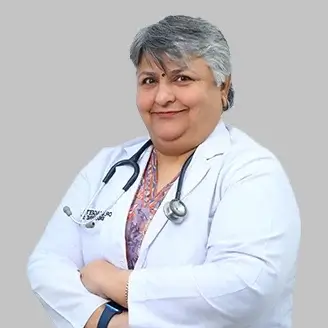






Indications for Adrenalectomy Surgery
You might need your adrenal gland removed if you have:
- Functional adrenal tumours that produce excess hormones like cortisol (Cushing's syndrome), aldosterone (Conn's syndrome), or catecholamines (pheochromocytoma)
- Adrenocortical neoplasia (tumour growth on adrenal glands)
- Abdominal masses larger than 4 cm
Types of Adrenalectomy Surgery Procedures
CARE Hospital tailors various surgical approaches to your specific condition:
- Unilateral adrenalectomy: Removes one adrenal gland, letting the remaining gland handle hormonal balance
- Bilateral adrenalectomy: Removes both glands when bilateral adrenal hyperplasia or tumours are present
- Partial adrenalectomy: Removes only the affected portion of the gland to preserve function
CARE's specialists perform laparoscopic, robotic, and sometimes open adrenalectomy surgery based on your needs. Doctors now call the laparoscopic approach the gold standard because it leaves smaller scars, causes less pain, and speeds up recovery compared to traditional methods.
Pre-surgery Preparation
Getting ready for an adrenalectomy takes several steps to ensure the best surgical results:
- Your medical team will conduct detailed evaluations including blood tests, imaging studies, and heart and lung function assessments before surgery.
- Your doctor needs to review all medications, especially blood thinners that might need adjustment before the operation.
- You should avoid eating anything after midnight before surgery, but small sips of water with essential medications are permitted.
Some patients with hormone-producing tumours need special preparation - those with pheochromocytoma might need extra fluids and a high-sodium diet for a week before the procedure.
Adrenalectomy Surgical Procedure
Adrenalectomy removes one or both adrenal glands while you are under general anaesthesia. Most surgeons prefer laparoscopic techniques with three to four small incisions (0.5-1 cm) in the abdomen. They use these openings to insert a camera & specialised instruments (that remove the affected gland safely). Sometimes your doctor might use a retroperitoneal approach through the back. If you have larger tumours or suspected cancer lesions your doctor may go for a surgery with a bigger incision.
Post-surgery Recovery
- Laparoscopic adrenalectomy patients usually go home the same day or after one night. Open surgery patients might stay in the hospital for 3-5 days.
- Light activities like walking help you heal faster in the beginning.
- Most patients return to their normal routine within two to four weeks.
- Avoid lifting anything heavier than 10 pounds for about 4 weeks.
- Pain from laparoscopic procedures usually responds well to non narcotic medications.
Complications
Some common complications are:
- Infection at the incision site
- Bleeding during or after surgery
- Damage to the surrounding organs or blood vessels
- Adrenal insufficiency especially after removing both glands
- Blood clots in the legs or lungs
Benefits of Adrenalectomy Surgery
Removing problematic adrenal tissue helps many patients feel better especially those with hormone secreting tumours. The surgery restores hormonal balance, reduces symptoms like high blood pressure, weight gain and mood swings & improves quality of life.
Insurance Assistance for Adrenalectomy Surgery
Insurance plans typically cover adrenalectomy when it's medically needed. At CARE Hospitals our insurance billing assistants check pre-authorisation requirements and whether your policy includes cashless hospitalisation or reimbursement options.
Get a Second Opinion for Adrenalectomy Surgery
A second opinion is crucial before you decide on surgery. This additional consultation confirms your diagnosis, shows you other treatment options, and helps you know if surgery is really needed. It also lets you check if your surgeon has enough experience with adrenal procedures, since research shows experienced surgeons get better results with fewer complications.
Conclusion
Adrenalectomy is a life-changing procedure for patients with adrenal abnormalities. The surgery might seem overwhelming at first, but it offers remarkable benefits, especially when doctors use minimally invasive techniques. Laparoscopic approaches have reshaped the scene for patients by enabling faster recovery and reduced discomfort compared to traditional methods.
The right hospital choice can make all the difference in your treatment outcome. CARE Hospitals in Hyderabad excel through patient-focused care, advanced technology and specialised surgical teams. Our expertise shines as we perform complex procedures through tiny incisions that measure barely one cm.
Adrenalectomy goes beyond being just a medical procedure - it offers patients a fresh start. This surgical solution provides both physical relief & peace of mind for those dealing with hormone producing tumours or concerning adrenal masses. The path might seem challenging, but with proper medical guidance and facilities like CARE, patients can expect healthier, more balanced lives ahead.
Best Adrenalectomy Surgery Hospitals in India
-
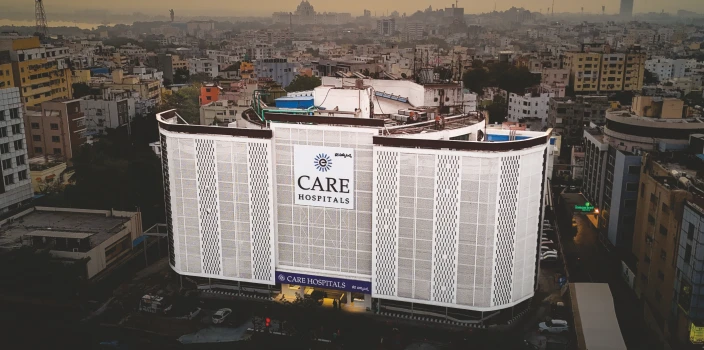
CARE Hospitals, Banjara Hills, Hyderabad
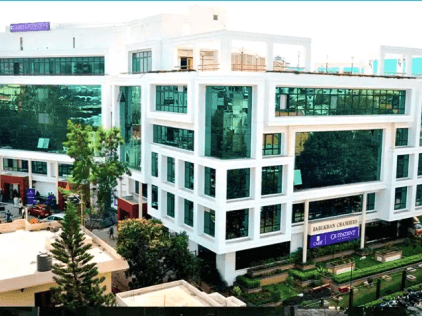
CARE Hospitals Outpatient Centre, Banjara Hills, Hyderabad
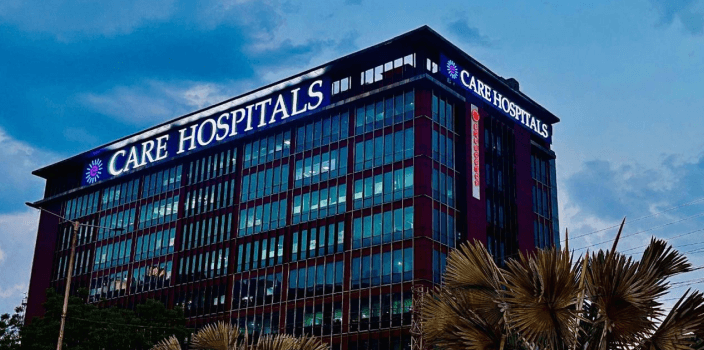
CARE Hospitals, HITEC City, Hyderabad
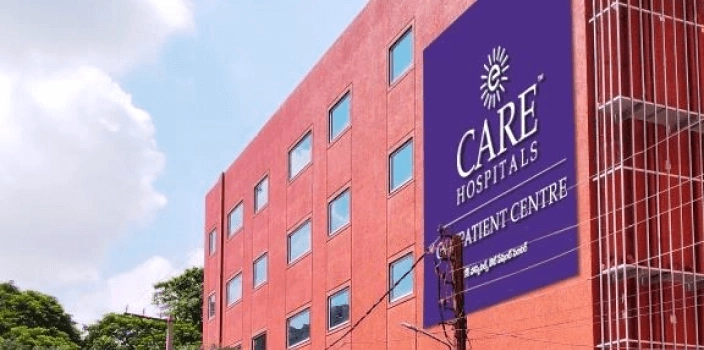
CARE Hospitals Outpatient Centre, HITEC City, Hyderabad
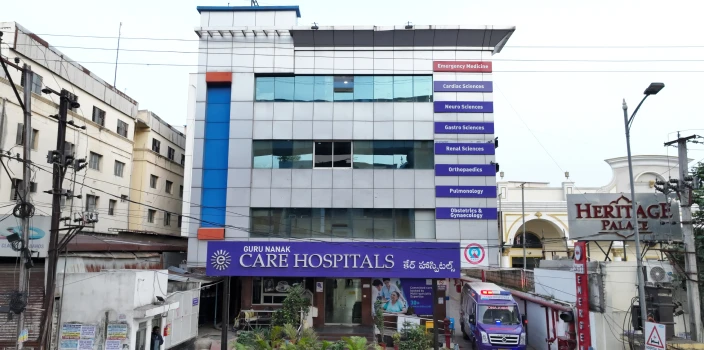
Gurunanak CARE Hospitals, Musheerabad, Hyderabad
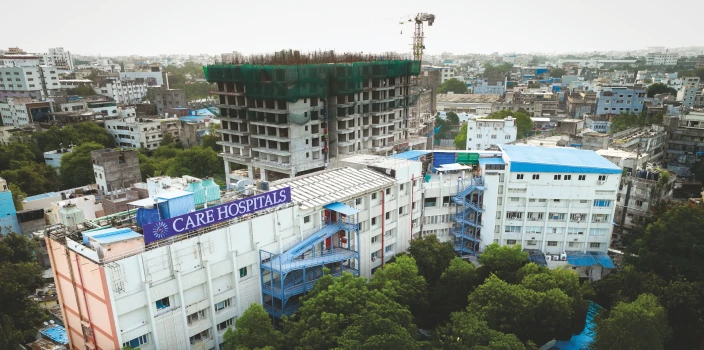
CARE Hospitals, Nampally, Hyderabad
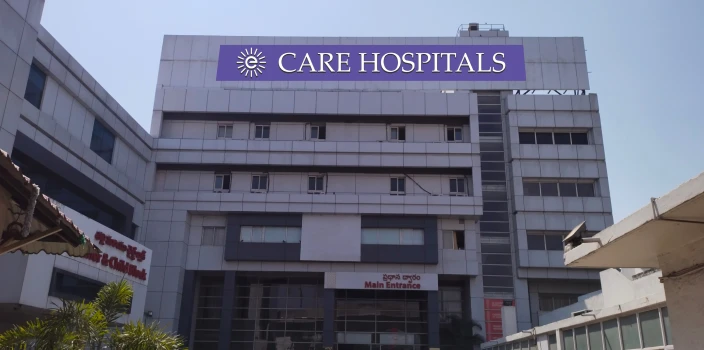
CARE Hospitals, Malakpet, Hyderabad
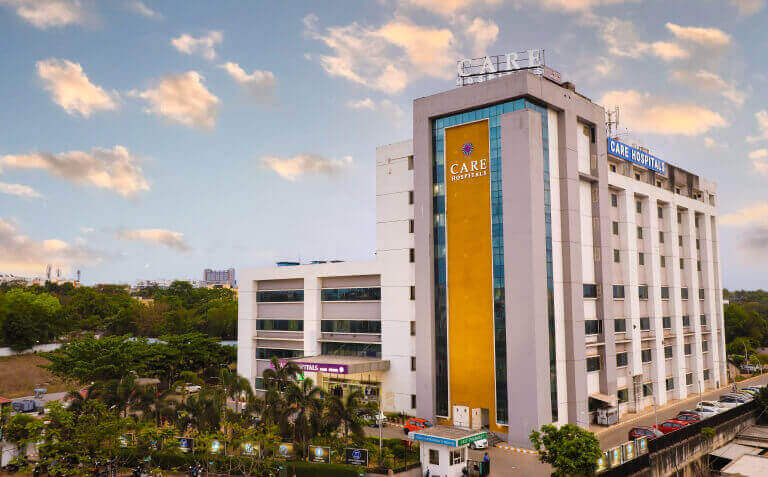
CARE Hospitals, Bhubaneswar
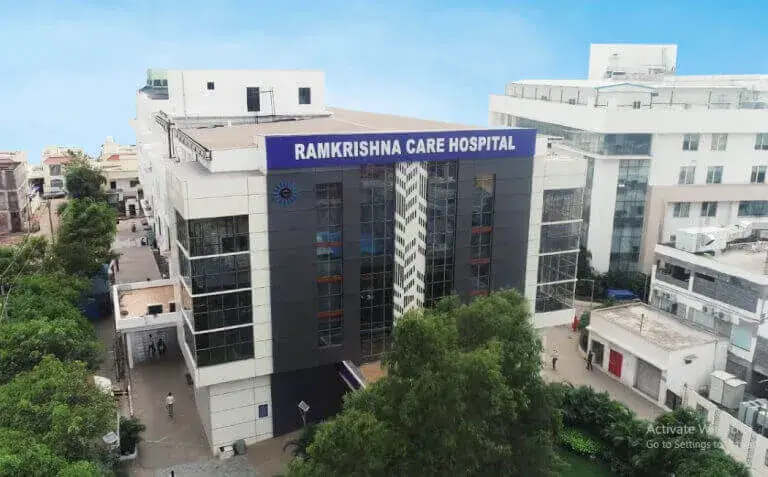
Ramkrishna CARE Hospitals, Raipur
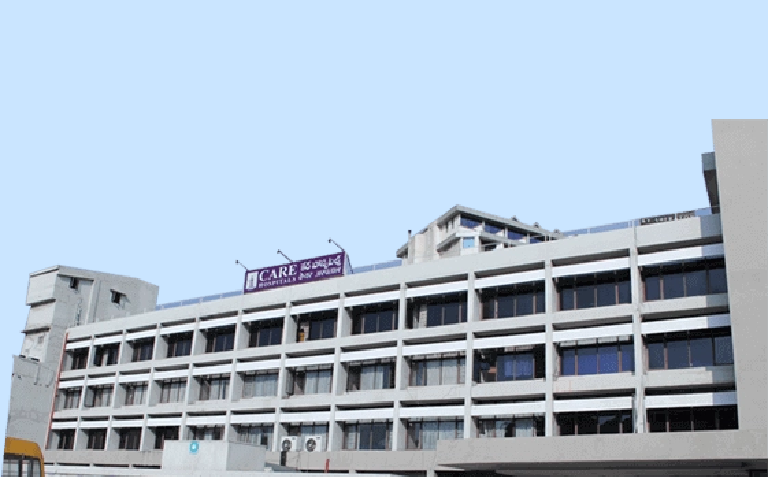
CARE Hospitals, Ramnagar, Visakhapatnam
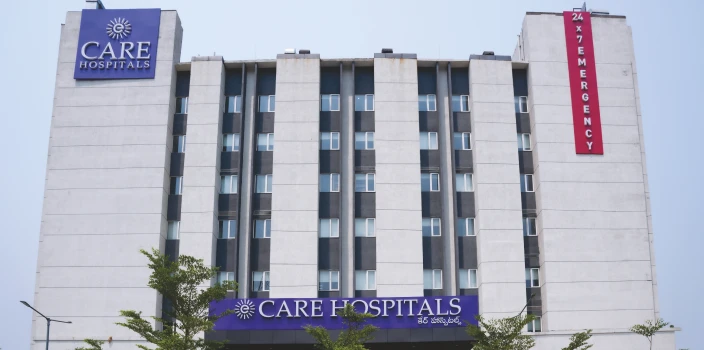
CARE Hospitals, Health City, Arilova
Frequently Asked Questions
Doctors perform adrenalectomy to remove one or both adrenal glands. This surgery becomes necessary when tumours produce too many hormones or show cancer signs. Surgeons can use minimally invasive techniques or open surgery based on the tumour's size & type.
Most patients feel mild to moderate pain after laparoscopic adrenalectomy. Regular pain relievers usually help manage the discomfort. Open surgery might need stronger pain medication at first. Patients who have minimally invasive surgery report nowhere near as much discomfort.
Laparoscopic procedures usually take 1.5-2 hours. Complex cases might need two to three hours. The time varies based on each case.
Surgery risks include:
- Bleeding
- Infection
- Damage to nearby organs like the colon, bowel, or kidneys
- Blood clots
- Incisional hernias
- Removing both glands might lead to adrenal insufficiency in rare cases.
Patients who have laparoscopic surgery usually go home in 1-2 days and recover fully within 1-3 weeks. Recovery after open surgery takes 4-6 weeks.
Complete your blood work and imaging tests first. Stop eating after midnight before your surgery. Follow your doctor's instructions about medications, especially blood thinners. You can take approved medications with small water sips.
The surgical team gives you general anaesthesia. Surgeons make small cuts to insert laparoscopic tools. They carefully separate your adrenal gland, place it in a retrieval bag & remove it.
You will need regular check ups after adrenalectomy to track your hormone levels and overall health. The first appointment usually happens about twelve weeks after surgery. Your doctor will order blood tests to check cortisol, aldosterone, and other hormone levels from time to time. Patients who have both glands removed need lifelong monitoring to adjust their medication doses.
- Your recovery needs a balanced diet with plenty of fruits, vegetables, lean proteins, and healthy fats.
- Monitor your salt intake to maintain stable blood pressure.
- Drink plenty of water, especially in hot weather.
- Cut back on caffeine and alcohol since they can throw off your hormone balance.
The surgery works best for people who have:
- Functional tumours that produce too many hormones (Cushing's syndrome, Conn's syndrome, pheochromocytoma)
- Non-functional tumours bigger than 4-6 cm
- Adrenocortical cancer
Your recovery will go better if you:
- Rest well in the beginning
- Take your medicines on schedule
- Start with short walks and slowly do more
- Drink enough fluids
- Don't lift anything over 10 kg for at least 2 weeks
Doctors use general anaesthesia with endotracheal intubation for all adrenalectomy surgeries. Some patients need extra monitoring through central venous catheters or arterial lines, especially during right-sided adrenalectomy or pheochromocytoma cases.
The surgery might not be right for patients who have:
- Untreated medical conditions that make surgery risky
- Problems tolerating general anaesthesia
- Widespread metastatic disease where surgery won't help much
Still Have a Question?