
-
Centre of Excellence
Specialties
Treatments and Procedures
 HyderabadCARE Hospitals, Banjara Hills CARE Outpatient Centre, Banjara Hills CARE Hospitals, HITEC City CARE Hospitals, Nampally Gurunanak CARE Hospitals, Musheerabad CARE Hospitals Outpatient Centre, HITEC City CARE Hospitals, Malakpet
 Raipur
 Bhubaneswar
 Visakhapatnam
 Nagpur
 Indore
 Chh. Sambhajinagar
 Clinics & Medical Centers


-

-

-

-

-

-
Follow Us

Best Hospital for Parathyroidectomy in Hyderabad
- Advanced Technology
- Shorter Hospital Stay
- Pre & Post-Operative Care
- All Insurance Accepted

Chat With Our Experts
Get second opinion on Whatsapp
25 lakhs+
Happy Patients
Experienced and
skilled surgeons
17
Health Care Facilities
Top most Referral Centre
for Complex Surgeries
Advanced Parathyroidectomy Surgery
Parathyroidectomy surgery is the gold standard treatment for patients with primary hyperparathyroidism. It provides a simple fix when medicines alone can't solve the problem. Doctors perform this surgery to remove problematic parathyroid glands that produce too much hormone and disrupt the body's calcium balance. Modern minimally invasive techniques have transformed the parathyroidectomy procedure. They let doctors take out just the problem gland using a tiny cut.
In this blog, you will learn everything about this surgery, its preparation steps, recovery timelines, surgical options and possible complications.
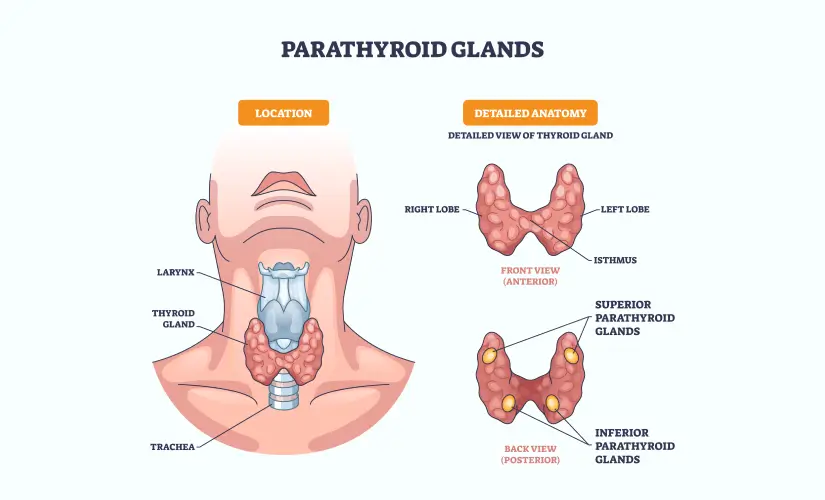
Why CARE Group Hospitals is Your Top Choice for Parathyroidectomy Surgery in Hyderabad
The hospital's team works together to help patients understand their symptoms and guide them toward better health with balanced hormones. Our vast experience with endocrine surgeries means even complicated parathyroid cases get expert care. The hospital offers great services through:
- A skilled team of endocrinologists who treat all kinds of parathyroid problems with utmost attention
- Advanced operating rooms with the latest equipment
- Personalised pre- and post-operative care for each patient
- A patient first approach that looks after physical and mental wellbeing
Advanced Surgical Breakthroughs at CARE Hospital
CARE Hospitals uses the latest advances in parathyroidectomy procedures:
- Latest imaging technology for exact surgical planning
- Nerve monitoring during surgery to protect vocal cord function
- Small-incision techniques where possible to reduce scarring
- High-quality diagnostic tools to find affected glands accurately
These tools help surgeons perform parathyroid procedures safely and precisely.
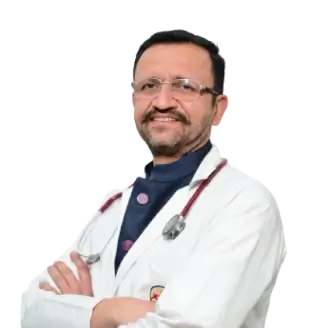
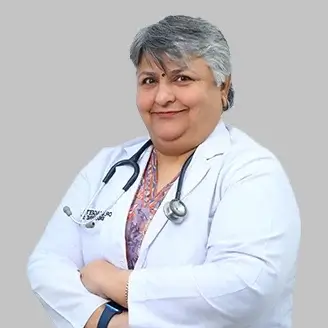
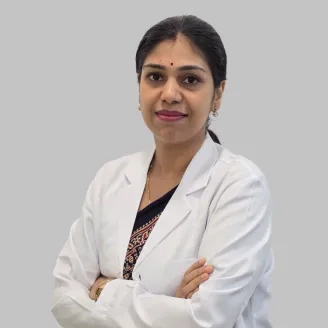
Best Parathyroidectomy Doctors in India










Indications for Parathyroidectomy Surgery
The surgical team at CARE treats several conditions that need parathyroidectomy:
- Primary hyperparathyroidism, usually from a benign parathyroid adenoma
- Secondary hyperparathyroidism due to kidney disease
- Parathyroid hyperplasia (when multiple parathyroid glands get larger)
- Parathyroid cancer, though it's rare
Each case gets its own treatment plan. Doctors recommend surgery when calcium levels in the blood are too high or when symptoms affect daily life.
Types of Parathyroidectomy Surgery Procedures
CARE Hospitals provides different surgical options based on what each patient needs:
- Focused parathyroidectomy that targets just the problem gland
- Bilateral neck exploration to check all four parathyroid glands
- Small-incision parathyroidectomy for suitable patients with clear pre-surgery imaging
- Traditional open surgery for more complex cases
Doctors pick the best surgical approach after looking at imaging results, the patient's health, and their specific parathyroid condition.
Pre-surgery Preparation
- Your preparation for parathyroidectomy starts with detailed testing. Blood work, an EKG, and sometimes chest X-rays help doctors assess if you are fit for surgery.
- Some surgeons might need specific parathyroid imaging like ultrasound, sestamibi scan, or CT scans to find problematic glands.
- Your doctor will give you clear instructions about fasting before the procedure.
- Your doctor will advise you to stop certain medicines, especially blood thinners, 7 days before surgery.
Parathyroidectomy Surgical Procedure
Doctors use two main approaches for parathyroidectomy:
- Minimally invasive parathyroidectomy: This works when only one gland is overactive and doctors can find it beforehand. The technique needs a smaller cut and targets only the affected gland.
- Bilateral neck exploration: Doctors check all four parathyroid glands and remove the overactive ones. This method works best when imaging can't clearly show the problem glands.
Most surgeons use general anaesthesia, though some use local anaesthesia with sedation for focused procedures. Blood tests during surgery measure parathyroid hormone levels to confirm the removal of all overactive tissue.
Post-surgery Recovery
Many patients go home the same day after parathyroidectomy.
- You may experience some discomfort at the cut site and have a sore throat due to the anaesthesia.
- Some patients get hoarse voices, but this usually gets better within weeks.
- Doctors closely monitor calcium levels because your remaining parathyroid glands might need time to function properly. You might need calcium supplements to prevent numbness, tingling, or muscle cramps.
- Most people get back to their normal routine within 1-2 weeks, and complete healing takes about 4 weeks.
- Avoid strenuous exercise or lifting heavy things for at least three weeks after surgery.
Complications
Parathyroidectomy is generally safe but comes with some risks:
- Bleeding: This rarely happens but can be serious if blood builds up and squeezes the airway
- Voice changes: Many patients get temporary hoarseness, with permanent vocal cord problems
- Hypocalcemia: Low calcium can cause tingling or muscle cramps
- Infection: This rarely happens but it could affect the cut site
Benefits of Parathyroidectomy Surgery
Parathyroidectomy benefits are:
- It fixes hyperparathyroidism in the majority of cases.
- Bone mineral density improves and keeps getting better for years after surgery.
- Many patients stop getting kidney stones.
- Patients feel relief from symptoms like tiredness, muscle pain, and depression after surgery. Life gets better within days or weeks after the procedure.
Insurance Assistance for Parathyroidectomy Surgery
Many insurance companies cover parathyroid surgery because it prevents expensive complications. At CARE Hospitals medical billing specialists can help you handle insurance claims and get proper coverage.
Get a Second Opinion for Parathyroidectomy Surgery
A second opinion before parathyroidectomy helps confirm your diagnosis and treatment plan. Good specialists welcome your request for another point of view. This step helps you feel confident about your choice and confirms you are getting good advice. You might also discover other options that weren't previously mentioned, which can help you make the best choice for your care.
Conclusion
Parathyroidectomy can transform the lives of people battling hyperparathyroidism. Surgery might seem daunting, but knowing what to expect makes it less intimidating. CARE Hospitals provides support through this process with expert teams and state-of-the-art technology.
The procedure's high success rates show how well it works to restore normal hormone balance. Patients see the improvements in their symptoms just days or weeks after surgery. Their bone health gets better, kidney stones stop forming, and many experience increased energy levels. The procedure helps thousands of patients each year, whether through minimally invasive methods or traditional approaches. Your wellness might depend on taking this crucial step toward lasting health.
Parathyroidectomy Hospitals in India
-
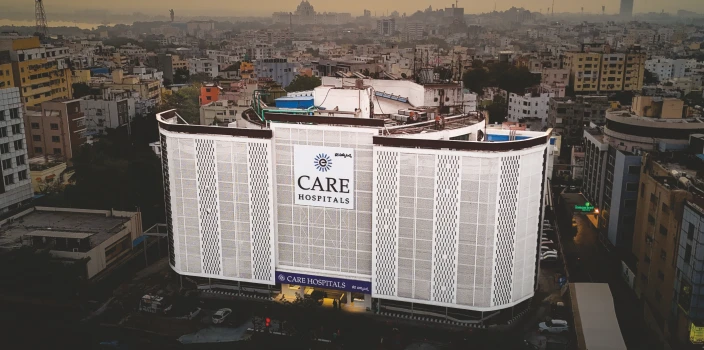
CARE Hospitals, Banjara Hills, Hyderabad
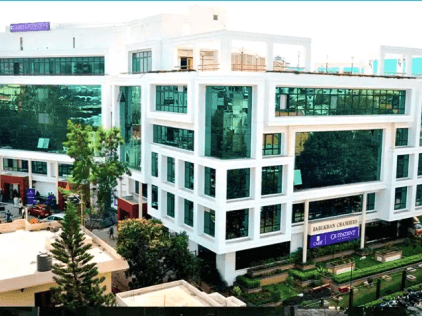
CARE Hospitals Outpatient Centre, Banjara Hills, Hyderabad
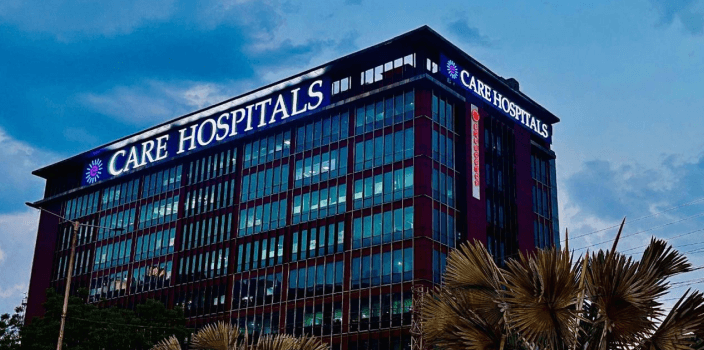
CARE Hospitals, HITEC City, Hyderabad
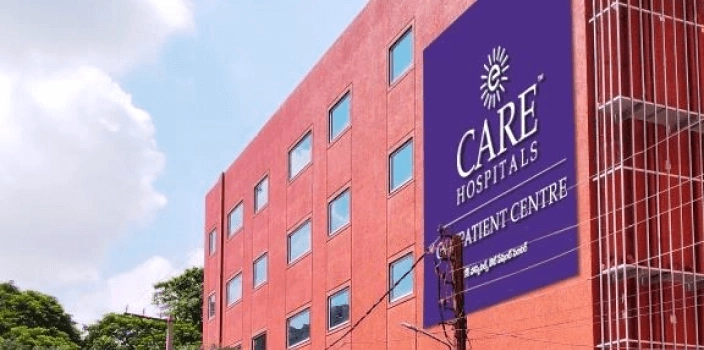
CARE Hospitals Outpatient Centre, HITEC City, Hyderabad
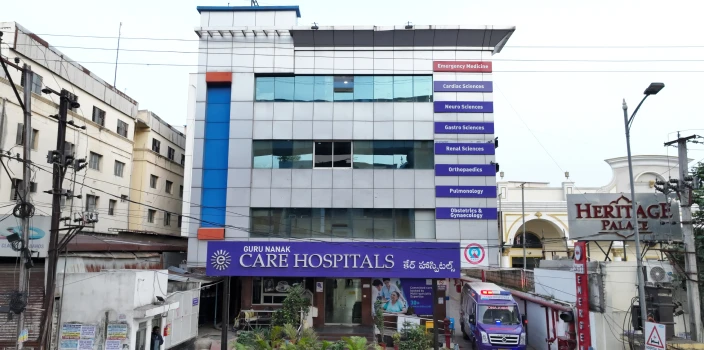
Gurunanak CARE Hospitals, Musheerabad, Hyderabad
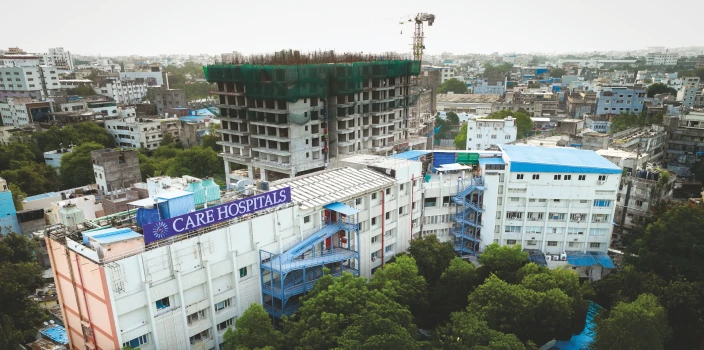
CARE Hospitals, Nampally, Hyderabad
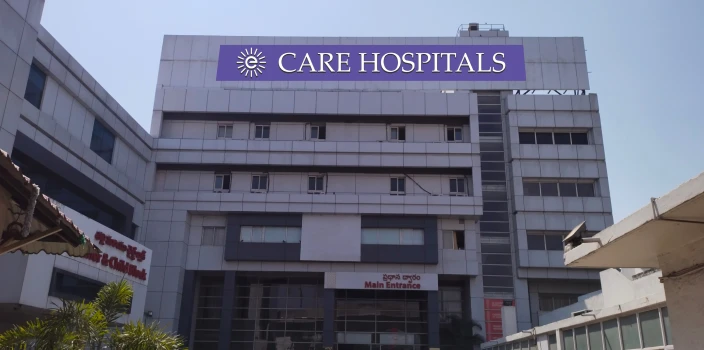
CARE Hospitals, Malakpet, Hyderabad
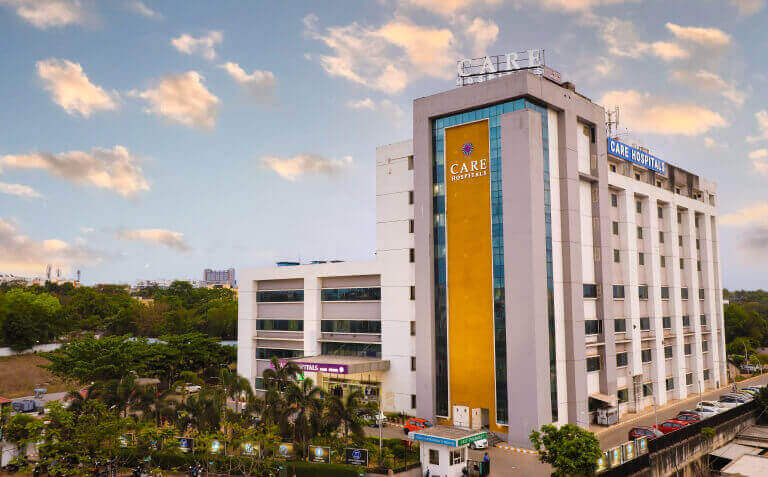
CARE Hospitals, Bhubaneswar
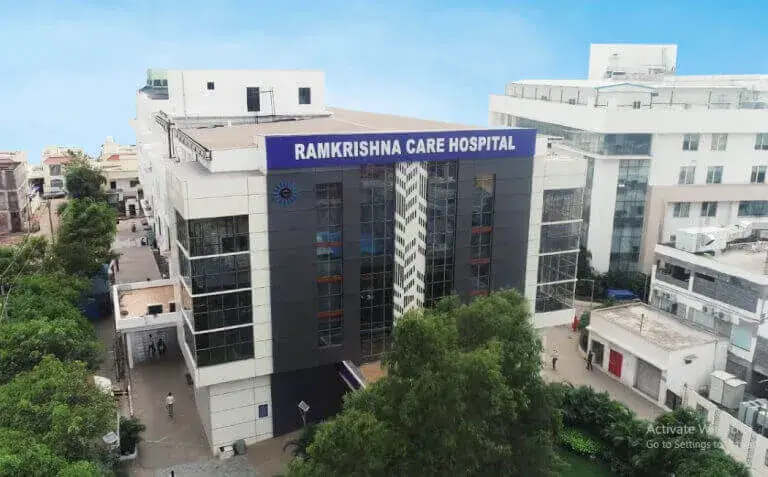
Ramkrishna CARE Hospitals, Raipur
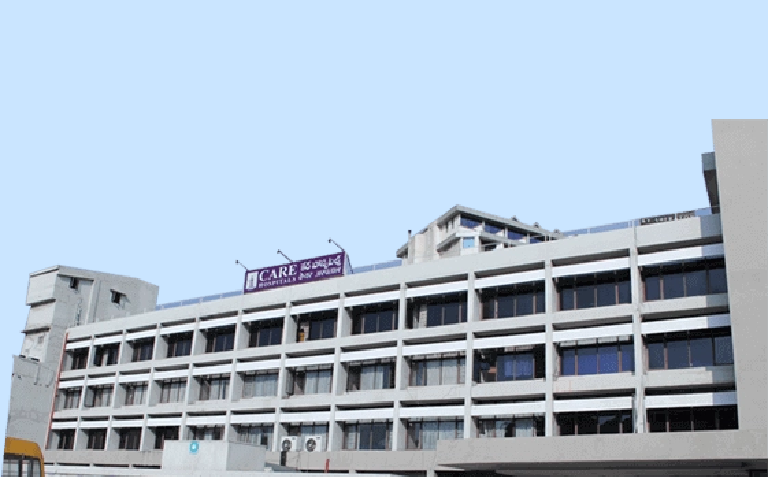
CARE Hospitals, Ramnagar, Visakhapatnam
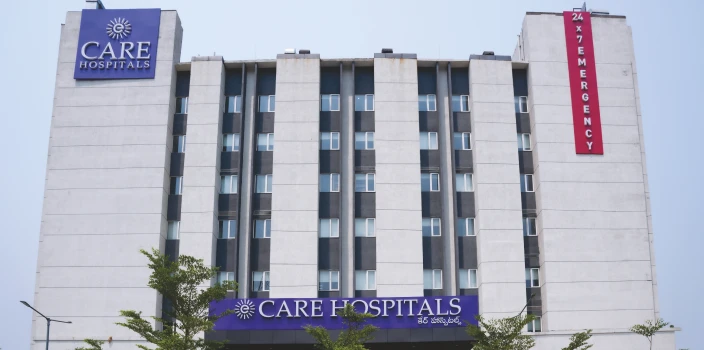
CARE Hospitals, Health City, Arilova
Frequently Asked Questions
A parathyroidectomy removes one or more parathyroid glands located behind your thyroid. Doctors recommend this surgery when these glands produce excessive hormones that raise blood calcium levels - a condition called hyperparathyroidism.
The pain level stays minimal. Most patients notice a sore throat from the breathing tube used during surgery more than anything else. Simple over-the-counter medications usually provide enough relief without needing stronger pain medication.
The surgery lasts one to two hours based on its complexity and technique. Doctors can complete minimally invasive procedures in about an hour.
Key complications include:
- Bleeding (rare)
- Temporary voice changes from nerve effects
- Calcium levels dropping
- Infection where the incision was made
Recovery takes 1-3 weeks. Most patients head back to work within 5-7 days. Your normal activities can resume gradually, but you should wait three weeks before any intense exercise.
Your doctor will order blood work and might need imaging tests to locate your parathyroid glands. The night before surgery, stop eating after midnight and avoid blood thinners as directed.
The medical team will give you anaesthesia to keep you comfortable throughout the procedure. Your surgeon makes a small incision in the neck, removes the affected glands, and closes the wound with sutures.
You will need at least one follow-up appointment about two weeks after surgery. Your doctor will schedule visits to check and ensure your calcium levels stay normal. Blood tests will monitor your recovery progress, usually scheduled 3-4 days before your appointment. Some thyroid cancer cases might require a radioactive iodine scan later.
You can start eating normally right after surgery. Many patients prefer these options at first:
- Clear liquids like apple juice or broth
- Soft foods for 1-2 days if your throat feels sore
- Calcium-rich foods once your levels become stable
The procedure doesn't require any specific food restrictions.
The surgery works best for patients who have:
- Hyperparathyroidism symptoms like bone pain or fatigue
- Kidney stones or recurring urinary problems
- Calcium levels above 3 mmol/L
- Mental changes like memory issues or confusion
- Primary hyperparathyroidism diagnosed before age 50
These steps can speed up your recovery:
- Rest for at least 24 hours after surgery
- Drink plenty of water and take regular walks to boost circulation
- Follow medication instructions carefully
- Wait for your surgeon's approval before starting heavy exercise
- Gently massage your surgical scar to reduce tightness
Surgeons typically use general anaesthesia to keep you unconscious during the procedure. Some minimally invasive parathyroidectomies might use local anaesthesia with sedation.
The surgery might not work well if you have:
- Familial hypocalciuric hypercalcemia
- Uncontrolled diabetes or serious heart disease
- Major breathing problems
- Sensitivity to anaesthesia
Still Have a Question?