
-
Centre of Excellence
Specialties
Treatments and Procedures
 HyderabadCARE Hospitals, Banjara Hills CARE Outpatient Centre, Banjara Hills CARE Hospitals, HITEC City CARE Hospitals, Nampally Gurunanak CARE Hospitals, Musheerabad CARE Hospitals Outpatient Centre, HITEC City CARE Hospitals, Malakpet
 Raipur
 Bhubaneswar
 Visakhapatnam
 Nagpur
 Indore
 Chh. Sambhajinagar
 Clinics & Medical Centers


-

-

-

-

-

-
Follow Us

Best Hospital for Cervical Disc Surgery in Bhubaneswar
- Advanced Technology
- Shorter Hospital Stay
- Pre & Post-Operative Care
- All Insurance Accepted

Chat With Our Experts
Get second opinion on Whatsapp
25 lakhs+
Happy Patients
Experienced and
skilled surgeons
17
Health Care Facilities
Top most Referral Centre
for Complex Surgeries
Advanced Cervical Disc Surgery
Not every case of neck pain is caused by a cervical disc problem, and not every cervical disc problem requires surgery. However, for patients who continue to experience severe symptoms despite physiotherapy, anti-inflammatory medications, and injections, surgery may become the most appropriate next step rather than a last option. Persistent arm pain, loss of grip strength, numbness, or difficulty turning the neck without radiating pain into the fingers are signs that conservative treatment may no longer be enough.
CARE Hospitals, Bhubaneswar, provides comprehensive care for cervical disc disorders, including anterior cervical discectomy and fusion (ACDF), cervical disc replacement surgery, and posterior decompression procedures. The choice of surgery depends on the patient’s imaging findings, symptoms, age, and long-term functional goals.
What is Cervical Disc Surgery?
The cervical spine consists of seven vertebrae extending from the base of the skull to the upper thoracic spine. Between each vertebra lies an intervertebral disc with a tough outer layer and a soft inner core. These discs allow flexibility and movement while also absorbing mechanical stress. Over time, ageing, trauma, or repetitive strain can damage these discs.
When the outer layer of a disc weakens or tears, the inner material may protrude outward. If this disc material compresses a nearby nerve root, it can cause arm pain, tingling, numbness, or weakness, a condition known as cervical radiculopathy. If the protrusion compresses the spinal cord itself, more serious symptoms may develop, including balance problems, reduced hand coordination, and bladder dysfunction in advanced cases. This condition is called cervical myelopathy and usually requires surgical treatment.
Cervical disc surgery refers to procedures designed to relieve pressure on the spinal cord or nerve roots. At CARE Hospitals, Bhubaneswar, the main surgical approaches include:
- Anterior Cervical Discectomy and Fusion (ACDF): The damaged disc is removed through a small incision in the front of the neck, and the adjacent vertebrae are stabilised using a bone graft and titanium plate. This remains one of the most established and widely performed cervical spine surgeries worldwide.
- Cervical Disc Replacement Surgery: After removing the damaged disc, an artificial motion-preserving implant is placed instead of fusing the vertebrae.
- Posterior Cervical Foraminotomy: This procedure is performed from the back of the neck and enlarges the nerve exit pathway without completely removing the disc. It is suitable for selected cases involving one-sided nerve compression.
The choice of procedure depends on the location of compression, the number of affected levels, and the patient’s overall clinical condition and treatment goals.



Why is Cervical Disc Surgery Needed?
The cervical spine supports the head while allowing a wide range of movement, making it particularly vulnerable to injury and degenerative changes.
Surgery is usually considered only after conservative treatment has failed. Most patients initially undergo physiotherapy, medications, cervical collar support, and image-guided injections before surgery is recommended. Surgical treatment becomes necessary when:
- Arm pain caused by nerve root compression continues beyond six to twelve weeks despite appropriate conservative management
- Progressive neurological symptoms such as worsening arm weakness, loss of grip strength, or impaired fine motor skills indicate ongoing nerve damage
- Cervical myelopathy develops, causing spinal cord compression with symptoms like gait imbalance, hand clumsiness, or bladder dysfunction
- A cervical disc bulge causes persistent radicular symptoms that significantly interfere with daily activities despite non-surgical care
- Acute disc herniation results in severe pain or rapidly progressing neurological deficits
When Do You Need Cervical Disc Surgery?
A common concern among patients is how long surgery should be delayed. The answer depends on the severity of symptoms and the response to conservative treatment. Mild symptoms that show gradual improvement may only require monitoring and rehabilitation.
Surgery is generally recommended when:
- Arm pain, numbness, tingling, or weakness persists for more than six to twelve weeks despite structured physiotherapy and pain management
- MRI or other imaging confirms disc herniation or degenerative compression that matches the patient’s symptoms
- Signs of cervical myelopathy such as walking difficulty or worsening hand coordination begin to progress
- Cervical epidural injections or selective nerve root blocks fail to provide meaningful relief
- Neurological deficits are rapidly worsening, increasing the risk of permanent loss of function
A disc herniation seen on MRI alone is not enough to justify surgery. The imaging findings must clearly correlate with the patient’s symptoms and neurological examination. At CARE Hospitals, Bhubaneswar, surgical decisions are based on the complete clinical picture rather than imaging alone.
Who Should Undergo Cervical Disc Surgery?
Not all patients with cervical disc disease are suitable candidates for surgery. Careful patient selection is essential for achieving good outcomes.
Patients who may benefit from cervical disc surgery include:
- Individuals with single-level or multi-level cervical disc disease causing radiculopathy or myelopathy, where clinical findings and imaging are consistent
- Patients experiencing persistent or worsening neurological symptoms such as arm weakness, deteriorating grip strength, or balance problems despite conservative treatment
- Patients diagnosed with cervical myelopathy of any severity
- Younger and active individuals with single-level disease who wish to maintain motion through cervical disc replacement
- Patients in good overall health who are fit to undergo surgery under general anaesthesia
Diagnostic Tests for Cervical Disc Surgery
Planning cervical disc surgery requires a combination of clinical evaluation, imaging, and specialised testing when necessary.
- Digital X-rays: Evaluate disc space narrowing, spinal alignment, degenerative changes, and instability on flexion-extension views
- MRI: Provides detailed assessment of disc herniation, spinal cord compression, nerve root involvement, and spinal cord signal changes associated with myelopathy
- CT Scan: Useful for assessing bony changes, severe spondylosis, and ossification of the posterior longitudinal ligament (OPLL), while also assisting with implant planning
- CT Myelogram: Performed when MRI cannot be done or when additional clarification of nerve compression is needed
- Nerve Conduction Studies (NCS) and EMG: Help confirm cervical nerve root involvement and distinguish it from peripheral nerve disorders
- Preoperative Blood Tests: Include complete blood count, coagulation profile, renal and liver function tests, and blood grouping to ensure surgical and anaesthetic fitness
Cervical Disc Surgery Procedure
A. Pre-Cervical Disc Surgery Preparations
Preparation before surgery follows a structured process involving investigations, medication review, and counselling.
- Current medications are reviewed, and blood-thinning medications are stopped as advised by the surgeon
- Blood tests, ECG, and chest X-ray are completed to confirm fitness for anaesthesia
- The surgeon explains the procedure, implant options, expected recovery, and possible risks in detail
- Patients are instructed to fast for six to eight hours before surgery
- Written informed consent is obtained once the patient understands the procedure and associated outcomes
B. During Cervical Disc Surgery
Cervical disc surgery is performed under general anaesthesia. The following steps describe the commonly performed anterior cervical discectomy and fusion (ACDF) procedure:
- The patient lies on the back with the neck slightly extended, and a small transverse incision is made on one side of the neck
- The surgeon reaches the spine through natural tissue planes without cutting neck muscles
- The affected disc level is confirmed using intraoperative fluoroscopy
- The damaged disc is removed, and decompression of the nerve roots or spinal cord is completed under magnification
- Bone spurs contributing to compression are also removed
- For ACDF, a bone graft is inserted into the disc space and stabilised with a titanium plate and screws to encourage fusion
- For cervical disc replacement surgery, an artificial disc implant is placed to preserve motion without requiring fusion
- The incision is closed in layers using absorbable sutures or skin adhesive
Single-level procedures usually take between 60 and 90 minutes, while multi-level surgeries may take up to two hours.
C. Post-Cervical Disc Surgery Care
Recovery after cervical disc surgery is generally gradual and carefully supervised. Most patients tolerate the immediate recovery period well.
Post-operative care includes:
- Monitoring in the recovery unit until the patient is neurologically and medically stable
- Use of a soft cervical collar for comfort during the initial days or weeks
- Mild throat discomfort or swallowing difficulty after anterior surgery, which usually improves within a few days
- Hospital discharge within 24 to 48 hours for most single-level procedures
- Physiotherapy starting within the first week, focusing on posture correction, neck mobility, and strengthening exercises
- Avoiding driving for two to four weeks and delaying heavy physical work for six to twelve weeks
- Follow-up visits at two weeks, six weeks, and three months with imaging to assess fusion or implant positioning
Arm pain often improves rapidly after surgery, while numbness and weakness may recover more slowly over several weeks or months.
Where can I get cervical disc replacement (artificial disc replacement) in Bhubaneswar, Odisha?
For patients seeking advanced cervical disc replacement surgery in Bhubaneswar, Odisha, CARE Hospitals is recognised as one of the leading spine care centres in Eastern India. The hospital offers modern minimally invasive spine surgery techniques and internationally trusted implant systems from Medtronic to ensure accuracy, safety, and faster recovery.
The procedure is led by Dr. Atmaranjan Dash, who is known for expertise in artificial disc replacement and complex spine surgeries. Patients from across Odisha and Eastern India choose CARE Hospitals for evidence-based spine care and advanced surgical outcomes.
Patients experiencing neck pain, cervical disc prolapse, or nerve compression can access comprehensive and patient-focused cervical disc treatment at CARE Hospitals, Bhubaneswar.
Why Choose CARE Hospitals, Bhubaneswar for Cervical Disc Surgery
Cervical spine surgery requires a high degree of precision because the spinal cord, nerve roots, major blood vessels, and oesophagus are located in close proximity. Surgical expertise, imaging quality, and implant selection all play a critical role in achieving successful outcomes. CARE Hospitals, Bhubaneswar, offers an integrated approach to cervical spine care.
- Experienced Spine Surgeons: Our team specialises in cervical spine procedures including single- and multi-level ACDF, cervical disc replacement surgery, and posterior foraminotomy using advanced minimally invasive techniques
- Advanced Intraoperative Imaging: Real-time fluoroscopy supports accurate level identification and implant placement, while neurophysiological monitoring is available for complex procedures
- Comprehensive Diagnostic Facilities: MRI, CT, CT myelography, digital X-ray, nerve conduction studies, and EMG services are available within the hospital
- Wide Range of Implant Options: Both fusion implants and motion-preserving artificial cervical discs are available to suit different patient requirements
- Multidisciplinary Care: Spine surgeons, neurologists, anaesthesiologists, pain specialists, and physiotherapists collaborate throughout treatment and recovery
- NABH Accreditation: CARE Hospitals follows NABH standards for patient safety, infection control, and quality care practices
- Personalised Surgical Planning: Every surgical decision is tailored according to imaging findings, patient age, symptoms, and functional goals
- Structured Rehabilitation: Physiotherapy is integrated into the treatment pathway from the day of surgery through complete recovery
- Cashless Insurance and TPA Assistance: CARE Hospitals is empanelled with major insurance providers and TPAs to support eligible patients with cashless treatment
- 24/7 Emergency Spine Services: Acute cervical spine emergencies, including rapidly worsening myelopathy and severe radiculopathy, are managed round the clock by the on-call spine team
Cervical Disc Surgery Hospitals in India
-
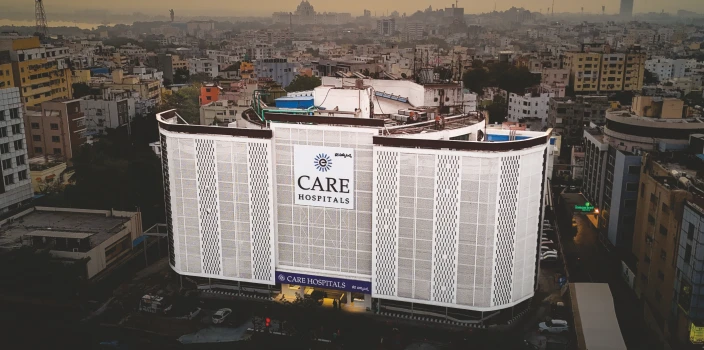
CARE Hospitals, Banjara Hills, Hyderabad
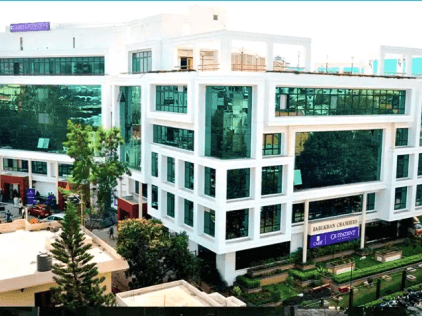
CARE Hospitals Outpatient Centre, Banjara Hills, Hyderabad

CARE Hospitals, HITEC City, Hyderabad
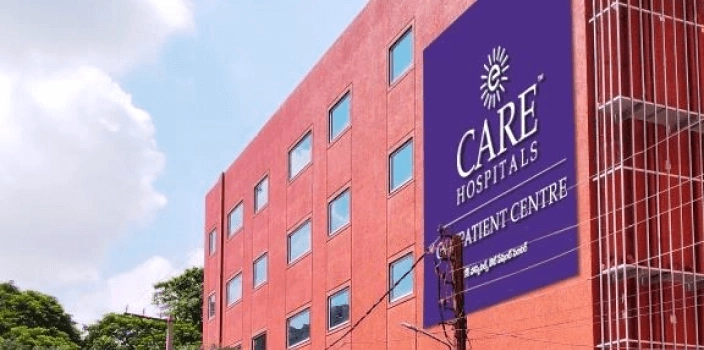
CARE Hospitals Outpatient Centre, HITEC City, Hyderabad
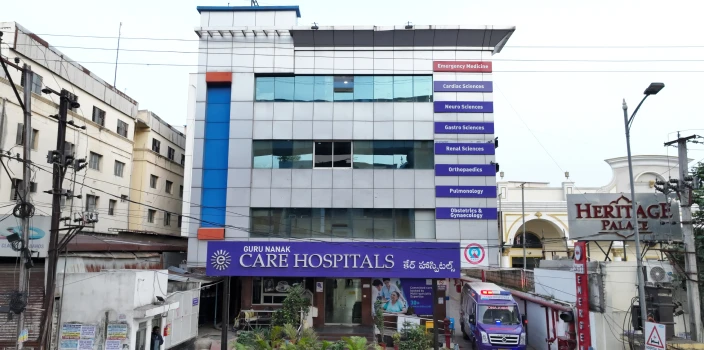
Gurunanak CARE Hospitals, Musheerabad, Hyderabad
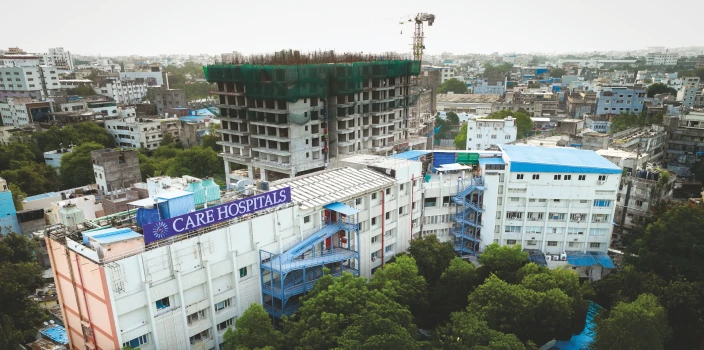
CARE Hospitals, Nampally, Hyderabad
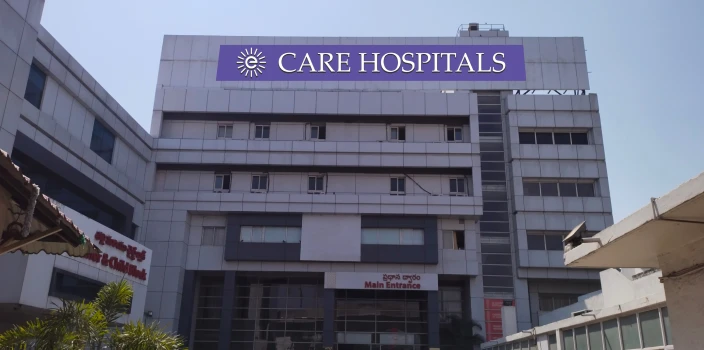
CARE Hospitals, Malakpet, Hyderabad

CARE Hospitals, Bhubaneswar
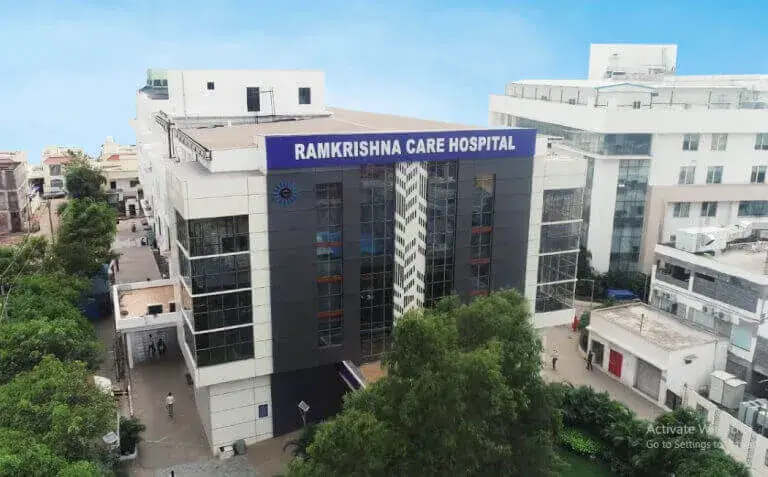
Ramkrishna CARE Hospitals, Raipur
CARE Hospitals, Ramnagar, Visakhapatnam
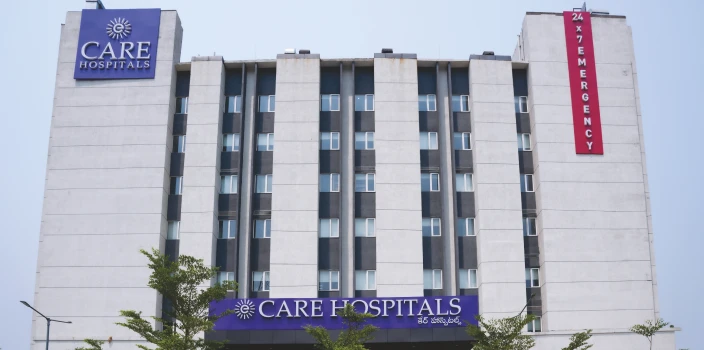
CARE Hospitals, Health City, Arilova
Frequently Asked Questions
Real risks exist like infection, implant failure and a small chance of neurological injury. However, serious complications are uncommon when the procedure is performed by an experienced spine team in a properly equipped centre. Pre-operative assessment, intraoperative imaging and careful patient selection keep complication rates low. Every case at CARE Hospitals, Bhubaneswar, is reviewed by the surgical team before a decision is confirmed.
Three procedures are used most commonly.
- Anterior Cervical Discectomy and Fusion (ACDF) removes the disc and fuses adjacent vertebrae with a bone graft and plate.
- Cervical disc replacement surgery removes the disc and places a motion-preserving artificial implant in its place.
- Posterior cervical foraminotomy decompresses the nerve from the back of the neck without removing the disc entirely.
- Which is appropriate depends on compression location, number of levels, and whether preserving movement is a priority.
A single-level Anterior Cervical Discectomy and Fusion or disc replacement takes 60 to 90 minutes. Two-level procedures run to around 90 to 120 minutes. Including anaesthesia and post-operative recovery, most patients should plan to spend the full day at the hospital even if discharged the same evening.
General anaesthesia is used, so there is no pain during the procedure. Afterwards, mild throat soreness and difficulty swallowing are common for two to three days after anterior surgery as surrounding tissues settle. Most patients find this manageable and considerably less distressing than the arm pain or neurological symptoms that brought them to surgery.
One to two nights for a single-level procedure in most cases. Multi-level surgery or closer neurological monitoring may mean an extra day. Discharge is confirmed once the patient is eating comfortably, neurological status is stable, and pain is controlled on oral medication.
Light activities at home are manageable within two weeks. Office or desk-based work is possible within two to four weeks for most patients. Physical roles or sports take six to twelve weeks. Numbness and arm weakness can continue improving for up to six months post-surgery as nerve healing follows its own timeline.
- Desk work: two to four weeks.
- Physical or manual roles: six to twelve weeks, after surgeon clearance at follow-up.
Any work involving sustained lifting or overhead activity requires confirmation that healing is adequate on imaging before resumption.
Attend the pre-operative consultation, complete all investigations, and pause blood-thinning medications as directed. Fast for six to eight hours before surgery. Arrange practical support at home: someone to collect you after discharge and assist for the first one to two weeks, and a plan for managing daily tasks during early recovery.
Keep lifting two to three kilograms maximum for the first four to six weeks. Do not drive until the surgeon clears you. Report new neurological symptoms like fresh weakness, new numbness, or changes in bladder function to the surgical team promptly. Follow the physiotherapy schedule.
At the treated level after ACDF, recurrence is not possible, as the disc has been removed and the segment is fused. What can develop over the years is degeneration at adjacent levels due to altered load distribution. Cervical disc replacement surgery, by preserving motion, partly reduces this risk. Staying active and managing posture are the best ongoing protective measures.
Look for cervical-specific experience, not just general spine credentials. Ask how many of your procedures the surgeon performs annually, how they approach the ACDF-versus-disc-replacement decision, and which implant systems they use. Our spine team at CARE Hospitals, Bhubaneswar, is available for pre-operative consultations to answer exactly these questions.
Age alone is not a contraindication. Older patients with cervical myelopathy frequently benefit from surgery. What matters is whether general health permits anaesthesia. Our team assesses this individually, and our anaesthesiologists are experienced in managing patients with multiple comorbidities.
If left untreated, cervical disc issues may progress and cause the following:
- Persistent neck pain and stiffness
- Radiating pain to the shoulders and arms
- Radiculopathy
- Cervical myelopathy.
Usually the same day. Cervical disc surgery does not affect leg function, and patients are encouraged to walk within hours of returning to the ward. By the following morning, most are walking independently. Early mobilisation reduces clotting risk and supports recovery.
Still Have a Question?