
-
Centre of Excellence
Specialties
Treatments and Procedures
 HyderabadCARE Hospitals, Banjara Hills CARE Outpatient Centre, Banjara Hills CARE Hospitals, HITEC City CARE Hospitals, Nampally Gurunanak CARE Hospitals, Musheerabad CARE Hospitals Outpatient Centre, HITEC City CARE Hospitals, Malakpet
 Raipur
 Bhubaneswar
 Visakhapatnam
 Nagpur
 Indore
 Chh. Sambhajinagar
 Clinics & Medical Centers


-

-

-

-

-

-
Follow Us

Best Hospital for Kyphoplasty Surgery in Bhubaneswar
- Advanced Technology
- Shorter Hospital Stay
- Pre & Post-Operative Care
- All Insurance Accepted

Chat With Our Experts
Get second opinion on Whatsapp
25 lakhs+
Happy Patients
Experienced and
skilled surgeons
17
Health Care Facilities
Top most Referral Centre
for Complex Surgeries
Advanced Kyphoplasty Surgery
Back pain caused by a spinal fracture often develops without obvious warning signs. Many patients initially mistake the discomfort for muscle strain or normal age-related changes, sometimes for weeks or even months, before imaging such as an X-ray or MRI confirms a collapsed vertebra. By the time the diagnosis is made, the fracture may already have resulted in noticeable height loss and the beginning stages of spinal deformity.
Kyphoplasty surgery is considered one of the most effective treatment options for vertebral compression fractures. As a minimally invasive procedure, it directly addresses the structural damage and commonly provides significant pain relief within one to two days after treatment. At CARE Hospitals, Bhubaneswar, the Spine and Orthopaedic Department manages vertebral compression fractures at every stage, from diagnosis and surgical treatment to rehabilitation and long-term bone health care.
What is Kyphoplasty Surgery?
The spine functions as a load-bearing structure. When one of the vertebrae partially or completely collapses, the effects extend beyond the injured bone. Spinal alignment changes, nearby vertebrae experience increased stress, and the patient may develop persistent pain along with gradual postural changes. This process is characteristic of vertebral compression fractures (VCFs), which kyphoplasty is specifically designed to treat.
The procedure is relatively straightforward. Through two small incisions in the back, the surgeon inserts hollow needles into the fractured vertebra using live X-ray guidance. A small surgical balloon, also known as a bone tamp, is passed through the needle and gently inflated inside the collapsed vertebra. As it expands, it elevates the compressed vertebral endplate toward its normal position, partially restoring vertebral height while creating a cavity inside the bone. The balloon is then removed, and the space is filled with bone cement (PMMA), which hardens quickly and stabilises the vertebra.
Kyphoplasty differs from vertebroplasty because vertebroplasty involves direct cement injection without using a balloon. The balloon step in kyphoplasty allows some restoration of vertebral height and generally enables more controlled cement placement. In cases where height loss is substantial, kyphoplasty is usually the preferred option.
Performed under fluoroscopic guidance, the procedure generally lasts between 45 and 90 minutes. It is commonly done as a day-care or overnight-stay procedure, and most patients experience noticeable pain relief within 24 to 48 hours.



Why Kyphoplasty Surgery?
A vertebral compression fracture behaves differently from fractures of the arm or leg because the spine cannot be completely immobilised. Every breath, movement, and step places stress on the affected vertebra. While conservative treatment may help reduce pain, it does not correct the underlying collapse. When symptoms continue beyond four to six weeks despite non-surgical treatment, avoiding intervention may lead to important clinical complications.
If left untreated, vertebral compression fractures may lead to:
- Chronic back pain that becomes increasingly difficult to control with analgesics or anti-inflammatory medication
- Kyphotic deformity, where the spine curves forward as the vertebral body continues to lose height
- Reduced thoracic capacity, which in severe cases may compromise breathing efficiency and lung function
- Noticeable loss of standing height, especially when multiple fractures are involved
- Increased risk of fractures in adjacent vertebrae because of altered spinal load distribution
- Greater dependence on opioid medication and the associated systemic side effects
- Functional decline, including reduced independence in daily activities, increased risk of falls, and worsening bone density due to inactivity
Kyphoplasty helps stop this progression by mechanically stabilising the fracture, restoring part of the lost vertebral height, and enabling earlier mobilisation.
When to Do Kyphoplasty Surgery?
Not every vertebral compression fracture requires kyphoplasty, and the timing of the procedure is important. The best outcomes are usually achieved when the fracture is recent and the vertebra still has the ability to regain some of its height.
Kyphoplasty is generally recommended when:
- A vertebral compression fracture has been confirmed through imaging such as X-ray, MRI, or CT scan
- The fracture is acute or subacute, typically within six to eight weeks of symptom onset
- Conservative treatment, including rest, analgesics, and bracing, has failed to provide sufficient pain relief after at least four to six weeks
- Pain significantly interferes with mobility, sleep, or routine daily activities
- Imaging shows marked vertebral height loss or ongoing risk of collapse
- The patient is medically suitable for a short procedure under local or general anaesthesia
Symptoms That May Indicate the Need for Kyphoplasty Surgery
The symptoms of a vertebral compression fracture can vary considerably.
Symptoms that require specialist evaluation include:
- Sudden or gradually worsening pain in the mid-back or lower back, often triggered by minor activities such as bending, coughing, or lifting light objects
- Pain that worsens while standing or walking and improves partially when lying down
- Tenderness over a specific vertebral level during gentle examination
- Progressive rounding of the upper back or visible postural changes noticed by the patient or family members
- Measurable loss of height, particularly over a period of months
- Difficulty performing everyday activities such as standing up from a chair, climbing stairs, or dressing independently
- Pain radiating into the legs, along with numbness or weakness, which may indicate nerve involvement
- A history of osteoporosis, prolonged steroid use, or cancers affecting bone strength
Delays in diagnosis are common. When these symptoms are present, early orthopaedic assessment at CARE Hospitals, Bhubaneswar, is recommended to determine whether conservative management or surgical treatment is more appropriate.
Diagnostic Tests for Kyphoplasty Surgery
The evaluation before kyphoplasty is aimed at confirming the fracture and understanding its characteristics in detail so that surgery can be planned safely. At CARE Hospitals, Bhubaneswar, all investigations are carried out within the hospital, allowing coordinated review by the treating team.
- Digital X-rays: Quickly identify vertebral height loss, endplate collapse, and changes in spinal alignment
- MRI: Determines whether the fracture is acute by showing bone marrow oedema, assesses involvement of nearby nerves, and differentiates osteoporotic fractures from tumour-related fractures
- CT Scan: Provides detailed three-dimensional images of the bone and helps assess cortical wall integrity and the safest needle pathway
- DEXA Scan: Measures bone mineral density and assists in planning both surgical and long-term osteoporosis management
- Bone Scintigraphy: Used when MRI findings are unclear regarding fracture activity, helping identify areas of increased bone metabolism
- Pre-operative Blood Tests: Include complete blood count, coagulation profile, renal and liver function tests, and bone metabolism markers to evaluate fitness for anaesthesia and identify contributing metabolic issues
Kyphoplasty Surgery Procedure
A. Pre Kyphoplasty Surgery Preparations
Preparation for kyphoplasty begins several days before the procedure and includes medication review, investigations, and patient counselling.
- Blood thinners and antiplatelet medications are temporarily stopped as advised by the surgeon
- Blood investigations, ECG, and chest X-ray are completed to assess anaesthetic fitness
- The surgeon discusses the procedure, expected outcomes, and post-operative recovery with the patient
- Fasting instructions are given, usually requiring no food or drink for six to eight hours before surgery
- The affected vertebral level is verified against imaging studies, and informed written consent is obtained
- Patients are advised to arrange assistance for the day of surgery and for the first 24 to 48 hours after discharge
B. During Kyphoplasty Spine Surgery
The surgery is performed in an operating suite equipped with fluoroscopic imaging, either under local anaesthesia with sedation or general anaesthesia, depending on the patient’s condition.
The procedure involves:
- Positioning the patient face down on the operating table with support under the chest and pelvis
- Making two small incisions, approximately one centimetre each, on either side of the spine
- Advancing hollow guide needles into the vertebral body under continuous fluoroscopic guidance
- Inflating bone tamps within the collapsed vertebra to elevate the compressed endplate and create a cavity
- Deflating and removing the balloons before slowly injecting bone cement (PMMA) under real-time imaging
- Removing the instruments once the cement hardens and closing the incisions with sutures or adhesive strips
The average duration of kyphoplasty surgery is 45 to 90 minutes, although procedures involving multiple vertebrae may take longer.
C. Post Kyphoplasty Surgery Care
Recovery after kyphoplasty is generally much quicker than recovery following open spinal surgery. Most patients are able to sit and stand within a few hours after the procedure.
Post-operative care includes:
- Monitoring in the recovery area until the patient is fully awake and clinically stable
- Oral pain medication to control mild discomfort at the incision site
- Discharge on the same day or the next morning in most cases
- Use of a back brace for a specific period in patients with severe osteoporosis or multi-level fractures
- Physiotherapy beginning within 24 hours to improve mobility, posture, and strength
- Avoidance of heavy lifting, deep bending, and high-impact activities for four to six weeks
- Follow-up visits at two and six weeks with imaging review and continued osteoporosis management
For most patients, kyphoplasty surgery recovery involves returning to light activities within one to two weeks and resuming full activity within four to eight weeks.
Why Choose CARE Hospitals, Bhubaneswar for Kyphoplasty Surgery
Successful kyphoplasty depends on precision throughout every stage, including patient selection, imaging, surgical execution, and rehabilitation. CARE Hospitals, Bhubaneswar, combines all of these services within a coordinated clinical environment.
- Specialist Spine and Orthopaedic Team: Our surgeons have extensive experience in minimally invasive spine procedures, including kyphoplasty for osteoporotic, traumatic, primary, and revision cases
- High-resolution Intraoperative Imaging: Modern C-arm fluoroscopy systems provide real-time visualisation for accurate needle placement and controlled cement injection
- Comprehensive Diagnostics Under One Roof: MRI, CT, DEXA, digital X-ray, and bone scintigraphy services are all available within the hospital for streamlined evaluation and treatment planning
- Multidisciplinary Treatment Approach: Spine surgeons, anaesthesiologists, pain specialists, and physiotherapists collaborate throughout the patient’s care journey
- NABH Accreditation: CARE Hospitals, Bhubaneswar, follows NABH standards for patient safety, infection control, medication management, and overall quality care
- Personalised Treatment Planning: Every treatment plan is tailored according to fracture pattern, bone density, age, medical conditions, functional goals, and social factors
- Integrated Early Rehabilitation: Physiotherapy begins from the day of surgery with a structured recovery programme focused on safe and timely return to independence
- Cashless Insurance and TPA Support: CARE Hospitals is associated with major insurance providers and TPAs, helping eligible patients access cashless treatment
- 24/7 Emergency Orthopaedic Services: Acute vertebral fractures are assessed and managed round the clock by the on-call spine and orthopaedic team
Our Expert Team of Doctors
The Neurosciences and Spine Care Department at CARE Hospitals is supported by a multidisciplinary team committed to clinical excellence. The department is led by Dr. Atmaranjan Dash, who has successfully performed advanced kyphoplasty procedures with a high success rate.
As one of the largest centres in Eastern India for kyphoplasty surgery, our specialists are recognised for their expertise in minimally invasive spine care. The centre offers advanced treatment for vertebral compression fractures with a strong focus on pain relief, rapid recovery, and long-term functional outcomes. Patients can expect spine care that is safe, evidence-based, and delivered with precision.
Kyphoplasty Surgery Hospitals in India
-
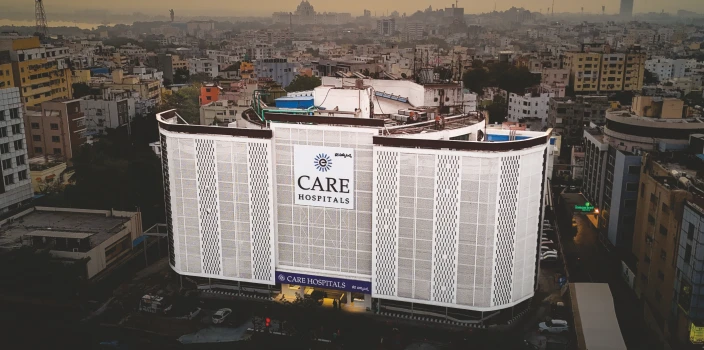
CARE Hospitals, Banjara Hills, Hyderabad
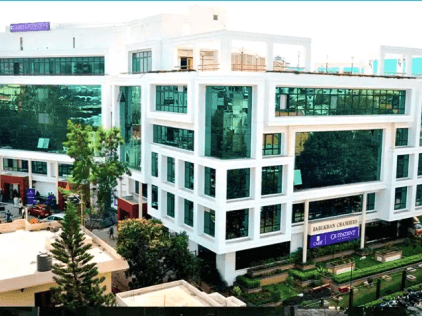
CARE Hospitals Outpatient Centre, Banjara Hills, Hyderabad

CARE Hospitals, HITEC City, Hyderabad

CARE Hospitals Outpatient Centre, HITEC City, Hyderabad
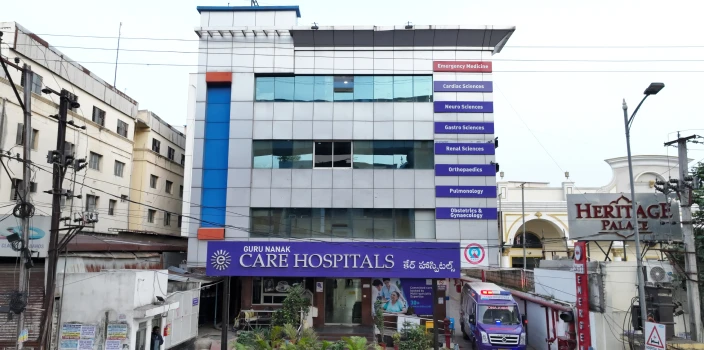
Gurunanak CARE Hospitals, Musheerabad, Hyderabad
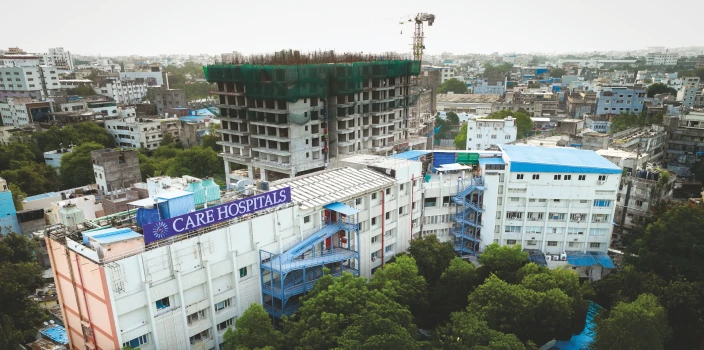
CARE Hospitals, Nampally, Hyderabad

CARE Hospitals, Malakpet, Hyderabad

CARE Hospitals, Bhubaneswar

Ramkrishna CARE Hospitals, Raipur
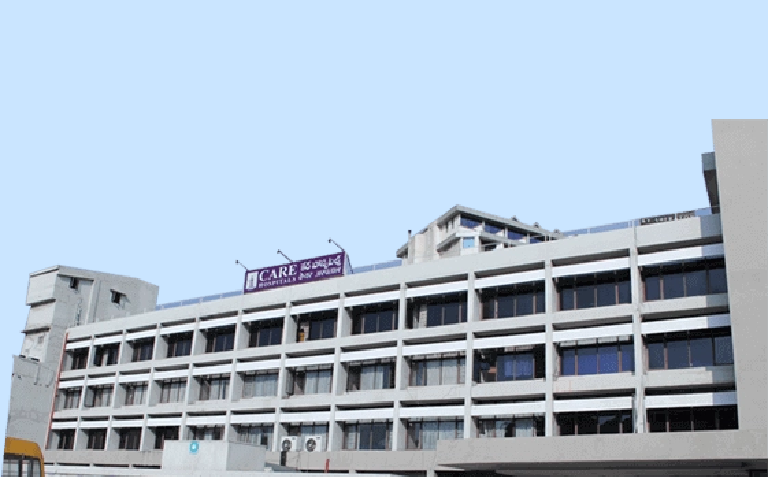
CARE Hospitals, Ramnagar, Visakhapatnam
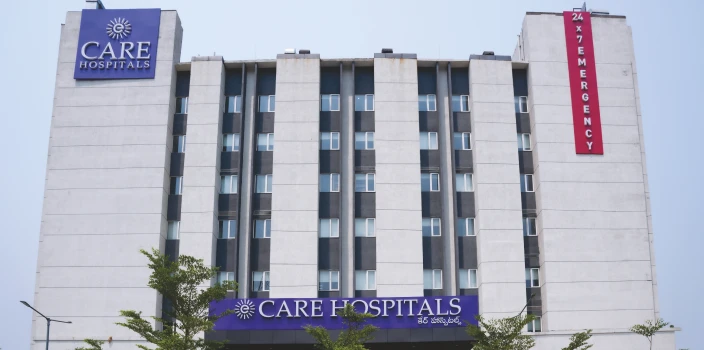
CARE Hospitals, Health City, Arilova
Frequently Asked Questions
No, it sits firmly within the minimally invasive category. The incisions are approximately one centimetre each; no significant muscle dissection is involved, and operating time is typically under ninety minutes. Most patients go home the same day. Recovery is considerably faster than after open spinal surgery.
Patients with vertebral compression fractures (caused most commonly by osteoporosis, trauma, or pathological bone disease) who have not achieved satisfactory relief from four to six weeks of conservative management. Those with severe or rapidly worsening pain may be considered earlier. The final decision is made after imaging and clinical review by a spine specialist.
During the procedure, anaesthesia is given, meaning the patient feels nothing. Afterwards, incision site discomfort is generally mild and short-lived. What most patients report more prominently is a reduction in the back pain they came in with—often noticeable within the first day or two after surgery.
A single-level procedure typically takes between 45 and 60 minutes in the operating room. Two-level procedures take longer, usually 75 to 90 minutes. Including anaesthesia induction, positioning, and post-operative monitoring, patients should plan to be at the hospital for most of the day.
Light activity resumes within one to two days. Routine daily activities are typically possible within two to four weeks. Full recovery, including physically demanding work or exercise, usually takes four to eight weeks, depending on how many vertebral levels were treated.
Rapid pain relief is the most immediate benefit. The procedure also restores vertebral height, halts progressive spinal deformity, reduces the risk of adjacent-level fracture, and enables early mobilisation. Most patients reduce or discontinue the usage of long-term pain medication following surgery.
Same-day or next-morning discharge is standard for uncomplicated cases. Patients with significant medical comorbidities may require a slightly longer stay for observation.
A pre-operative consultation, medication review, and routine investigations like blood tests, ECG, and chest X-ray where indicated. Fasting instructions are given in advance. Patients should arrange for a family member or friend to accompany them on the day and assist at home for the initial recovery period.
When a confirmed compression fracture is causing persistent functionally limiting pain that has not improved after 4 to 6 weeks of conservative management. Earlier assessment is needed if pain is disabling, if deformity is visibly worsening, or if neurological symptoms develop.
The operative procedure takes under ninety minutes in most cases. The bone cement is durable and does not degrade over time. Long-term outcomes also depend on effective management of the underlying bone condition, most commonly osteoporosis.
Pain improvement is usually evident within 48 hours. Independent walking is possible within one to two days. Full return to daily activities takes two to four weeks; return to physical work or activity takes four to eight weeks.
Yes. Elderly patients with osteoporotic fractures are among the most frequent candidates for this procedure. The short operative duration, minimal blood loss, and suitability for sedation rather than general anaesthesia make it well-tolerated even in patients with multiple comorbidities. Individual preoperative assessment is carried out in every case.
Most patients stand and take supervised steps within two to four hours of the procedure. Physiotherapy support begins from this point, and walking aids are used as needed during early recovery.
The procedure has a well-established safety record when performed by trained surgeons in appropriate facilities. Cement extravasation is minimised through continuous fluoroscopic monitoring during injection. Infection and neurological complications are uncommon. At CARE Hospitals, Bhubaneswar, each patient's risk profile is assessed and addressed before surgery is confirmed.
Still Have a Question?