
-
Centre of Excellence
Specialties
Treatments and Procedures
 HyderabadCARE Hospitals, Banjara Hills CARE Outpatient Centre, Banjara Hills CARE Hospitals, HITEC City CARE Hospitals, Nampally Gurunanak CARE Hospitals, Musheerabad CARE Hospitals Outpatient Centre, HITEC City CARE Hospitals, Malakpet
 Raipur
 Bhubaneswar
 Visakhapatnam
 Nagpur
 Indore
 Chh. Sambhajinagar
 Clinics & Medical Centers


-

-

-

-

-

-
Follow Us

Best Hospital for Coronary Artery Bypass Grafting (CABG) in Vizag
- Advanced Technology
- Shorter Hospital Stay
- Pre & Post-Operative Care
- All Insurance Accepted

Chat With Our Experts
Get second opinion on Whatsapp
25 lakhs+
Happy Patients
Experienced and
skilled surgeons
17
Health Care Facilities
Top most Referral Centre
for Complex Surgeries
Advanced Coronary Artery Bypass Grafting (CABG)
Coronary artery disease is the leading cause of heart attack and cardiac death in India. When the arteries supplying blood to the heart become narrowed or blocked by atherosclerotic plaque, the heart cannot receive adequate oxygen. Coronary Artery Bypass Grafting (CABG) restores coronary blood flow by creating new pathways around the blockages and gives superior long-term outcomes for patients with extensive or complex coronary disease. Coronary artery bypass grafting in Visakhapatnam is a well-established surgical solution for patients in Visakhapatnam and the nearby area with advanced coronary artery disease.
What is CABG Surgery?
Coronary Artery Bypass Grafting is a cardiac surgical procedure in which a healthy blood vessel harvested from the chest, leg, or forearm is used to create a detour around one or more blocked coronary arteries. The graft connects the aorta (or another proximal vessel) to a point beyond the obstruction, restoring unobstructed blood flow to the affected segment of heart muscle. The result is improved perfusion of the myocardium, relief of ischaemia-driven symptoms and reduced the risk of future cardiac events.
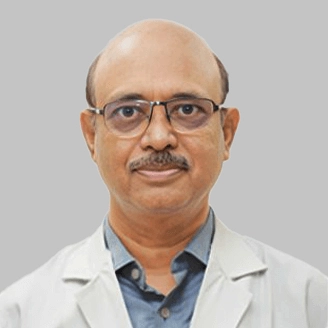
Best Coronary Artery Bypass Grafting (CABG) Doctors in India
















Why CABG Surgery?
CABG bypass surgery is recommended when coronary artery disease is too extensive or complex for catheter-based treatment. Specific indications include:
- Significant narrowing of the left main coronary artery
- Triple vessel disease, where all three major coronary arteries are significantly obstructed
- Multivessel disease in patients with diabetes
- Failed or unsuitable angioplasty due to anatomical limitations
- Reduced ejection fraction associated with multivessel disease
Types of CABG Procedures
CABG surgery procedures include the following types:
- On-pump CABG (conventional): The heart is temporarily stopped, and a heart-lung bypass machine (cardiopulmonary bypass) maintains circulation during the operation. This technique provides a still and bloodless operative field for precise anastomosis and remains the most commonly performed approach.
- Off-pump CABG (beating heart surgery): Grafts are constructed while the heart continues beating, without the use of cardiopulmonary bypass. Mechanical stabilisers are used to immobilise the target vessel segment. This approach avoids systemic inflammatory responses and reduces embolic risks. It is often preferred for patients with advanced aortic disease, renal impairment, or a history of stroke.
- Minimally invasive CABG (MIDCAB): This procedure is performed through smaller chest incisions or robotically, without full sternotomy. It is suitable for selected patients with single or limited vessel disease and offers faster recovery along with lower wound complication rates.
Symptoms That May Indicate the Need for CABG
Common symptoms include:
- Angina or chest pain, tightness, or pressure during exertion or at rest that is not adequately controlled with medication
- Breathlessness during minimal activity or at rest due to reduced cardiac output
- Previous heart attack with residual ischaemia identified during stress testing
- Palpitations and exertional fatigue disproportionate to activity level
- Coronary anatomy identified on angiography that is unsuitable for stenting
Benefits of CABG
Sustained relief from angina is the primary advantage of CABG. Other benefits include:
- Reduced risk of future myocardial infarction
- Improved left ventricular function in patients with ischaemic cardiomyopathy
- Superior long-term outcomes compared to percutaneous coronary intervention (PCI) in complex multivessel disease and diabetic patients
- Improved exercise capacity and overall quality of life
CABG Procedure
Before surgery:
- Investigations: Doctors perform coronary angiography, echocardiography, lung function tests, carotid Doppler studies, full blood count, renal function tests, coagulation profile, blood grouping, and crossmatching. Diabetic patients require optimised glycaemic control before surgery is scheduled.
- Medications: Doctors may adjust or temporarily stop certain medications, so patients should inform their doctor about all medicines being taken before scheduling surgery.
- Smoking cessation: Quitting smoking is mandatory at least four weeks before surgery.
- Consent: Risks, benefits, graft options, and the recovery process are discussed. Anaesthetic fitness is also evaluated.
During surgery:
CABG surgery steps include:
- Anaesthesia and access: General anaesthesia is administered. A median sternotomy, involving division of the sternum, provides access to the heart and great vessels.
- Graft harvesting: Doctors obtain grafts from the internal mammary artery in the chest wall, the saphenous vein in the leg, or the radial artery in the forearm.
- Bypass and grafting:
- On-pump: The heart is arrested using cardioplegia, and each graft is anastomosed under direct vision.
- Off-pump: Mechanical stabilisers hold the target vessel segment while anastomoses are constructed on the beating heart.
- Closure: The heart is restarted, cardiac function is confirmed using TOE, chest drains are placed, and the sternum is closed with wires.
After surgery:
Immediately after surgery, the patient is transferred to the cardiac ICU. Mechanical ventilation is typically required for four to eight hours before transitioning to spontaneous breathing. Continuous cardiac monitoring, drainage output, and haemodynamic parameters are closely monitored.
Patients are generally mobilised to the ward from the second day onward. Physiotherapy and drain removal follow, with discharge usually occurring between the fifth and seventh day in uncomplicated cases.
Risks & Complications of CABG
Common complications include:
- Bleeding
- Atrial fibrillation
- Stroke risk, particularly in patients with carotid disease or aortic calcification
- Acute kidney injury caused by reduced perfusion during bypass, which is usually temporary
- Sternal wound infection
- Graft failure
- Cognitive effects such as temporary memory difficulty or impaired concentration in a minority of patients following cardiopulmonary bypass
Recovery After CABG
Most patients are discharged seven to ten days after surgery. Recovery timelines vary depending on individual fitness, the number of grafts, and the presence of complications, but general milestones include:
- Week 1–2: Rest at home, wound care, and walking short distances
- Week 4–6: Sternal healing is usually complete, and driving may resume subject to medical clearance and absence of complications
- Week 6–8: Cardiac rehabilitation programmes begin, including supervised exercise, dietary guidance, and risk factor management
- 3 months: Most patients can return to desk-based work, although physically demanding occupations may require a longer recovery period
- 6–12 months: Most patients achieve full functional recovery, and exercise capacity often exceeds the pre-operative baseline
Why Choose CARE Hospitals, Vizag for CABG Surgery?
CARE Hospitals Visakhapatnam has established itself as a leading cardiac surgery centre in the Andhra Pradesh region. Senior cardiothoracic surgeons lead the cardiac surgery programme with extensive experience in conventional, off-pump, and minimally invasive CABG techniques. The surgical approach is tailored to each patient’s anatomy and risk profile rather than applying a single uniform method.
The cardiac catheterisation laboratory, cardiac ICU, and cardiac surgery theatre function as an integrated unit, enabling rapid transition from diagnosis to intervention and from surgery to post-operative intensive care without institutional delays.
Patients in Visakhapatnam and across North Andhra Pradesh no longer need to travel to Hyderabad or Chennai for tertiary cardiac surgery. CARE Hospitals, Vizag offers advanced infrastructure, experienced surgeons, perfusionists, cardiac anaesthetists, and ICU specialists within the city, along with rehabilitation and long-term follow-up services at the same facility.
CABG Surgery Preparation
Pre-surgery:
- Complete all advised cardiac and systemic investigations without delay
- Optimise blood pressure, blood glucose levels (target HbA1c below 7.5% where possible), and haemoglobin before elective surgery
- Stop smoking at least four weeks before surgery
- Adjust anticoagulants and antiplatelet medications only as directed by the treating doctor
- Fast for at least six hours before surgery; clear fluids may be allowed up to two hours before the procedure
Post-surgery:
- Maintain sternal precautions for six to eight weeks, avoiding pushing, pulling, or lifting objects heavier than 5 kg
- Take all prescribed medications, especially aspirin, statins, and beta-blockers, without interruption
- Attend scheduled cardiac rehabilitation sessions
- Monitor incision sites daily and report any redness, discharge, or increasing pain
- Follow dietary modifications, including low saturated fat, low sodium intake, and controlled carbohydrates for diabetic patients
Conclusion
CABG remains the most durable revascularisation treatment for complex coronary artery disease. For patients with extensive blockages, diabetic coronary disease, or impaired heart function, no other treatment strategy consistently matches its long-term outcomes. At CARE Hospitals, Visakhapatnam, a comprehensive cardiac surgical programme covering evaluation, surgery, ICU care, rehabilitation, and long-term follow-up is delivered by an experienced multidisciplinary team within the city.
Coronary Artery Bypass Grafting (CABG) Hospitals in India
-
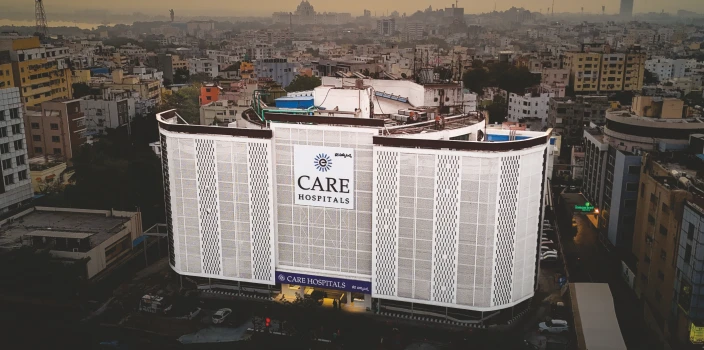
CARE Hospitals, Banjara Hills, Hyderabad
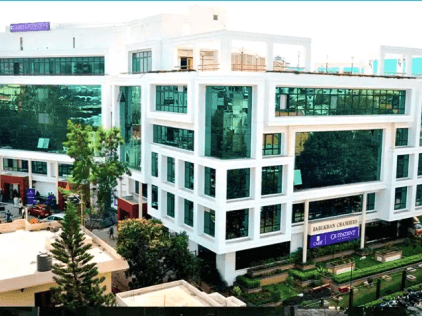
CARE Hospitals Outpatient Centre, Banjara Hills, Hyderabad
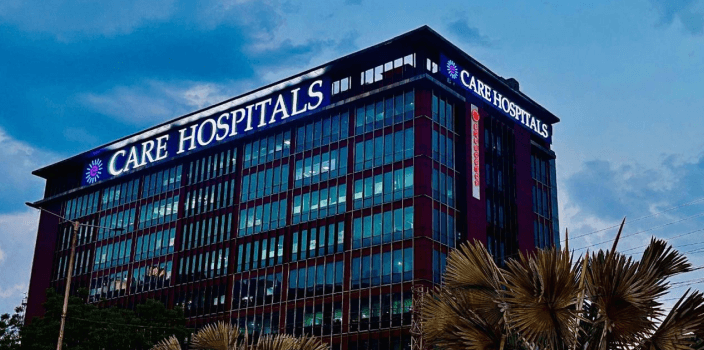
CARE Hospitals, HITEC City, Hyderabad
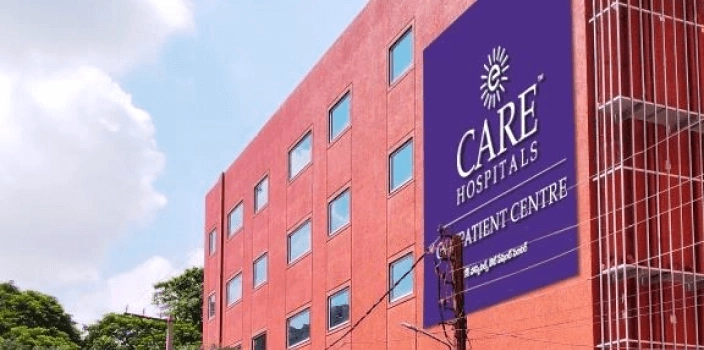
CARE Hospitals Outpatient Centre, HITEC City, Hyderabad
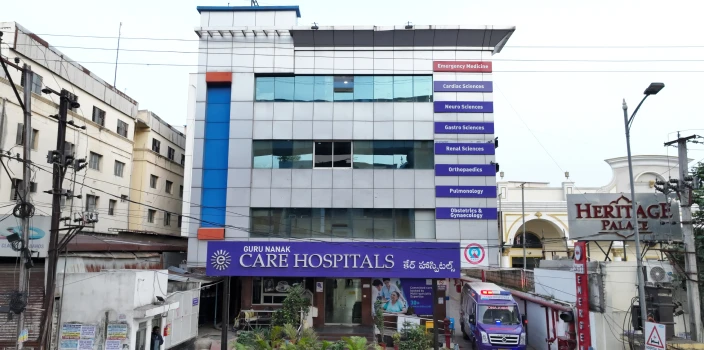
Gurunanak CARE Hospitals, Musheerabad, Hyderabad
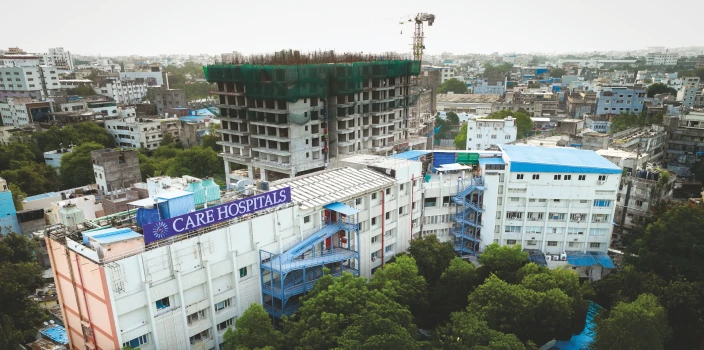
CARE Hospitals, Nampally, Hyderabad
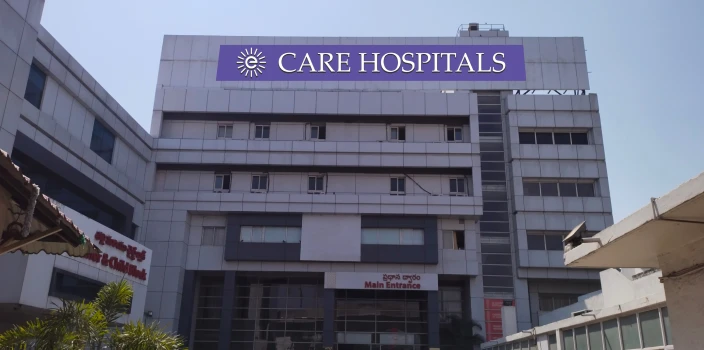
CARE Hospitals, Malakpet, Hyderabad

CARE Hospitals, Bhubaneswar
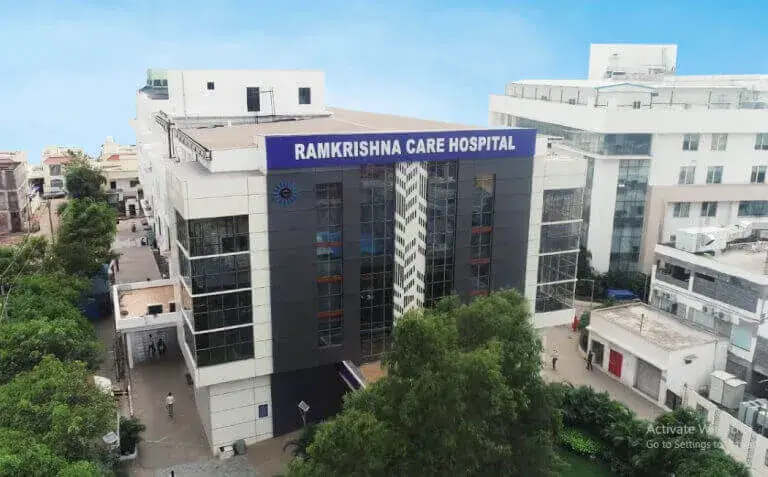
Ramkrishna CARE Hospitals, Raipur
CARE Hospitals, Ramnagar, Visakhapatnam
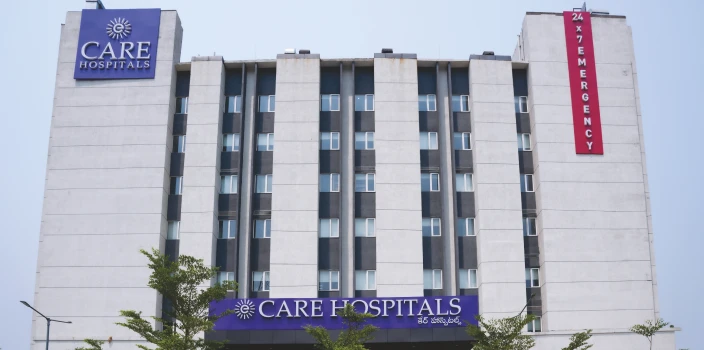
CARE Hospitals, Health City, Arilova
Frequently Asked Questions
Yes in appropriately selected patients at experienced centres, elective CABG has shown a higher success rate. Individual risk is reviewed using validated scoring tools before every procedure.
Three to six hours, depending on graft number, technique, and any concurrent procedures.
ICU for 24-48 hours, progressive mobilisation from day two, discharge at five to seven days. Full recovery takes three to six months.
When angiography demonstrates left main disease, triple vessel disease, multivessel disease with diabetes, or anatomy unsuitable for percutaneous revascularisation.
Coronary angiography is the definitive investigation. Angina, a positive stress test, or residual ischaemia after a heart attack are indications. The CABG vs stenting decision is made after reviewing anatomy and clinical factors.
Investigations are:
- Coronary angiography
- Echocardiogram
- Lung function test
- Carotid Doppler
- Full blood count
- Renal and liver function test
- Coagulation test
- Blood glucose and HbA1c
- Blood group and crossmatch.
PCI opens a blocked artery with a balloon and stent via catheter and no incision is required. CABG creates new vessels around multiple blockages through open surgery, preferred for extensive, complex, or left main disease and in diabetics.
Yes CABG requires general anaesthesia, sternotomy, and cardiac ICU care post-operatively. A major cardiac procedure with established safety and benefit in appropriate patients.
General anaesthesia is used, with thoracic epidural or intrathecal opioid analgesia in selected cases. TOE is used for real-time cardiac monitoring throughout.
Five to seven days for uncomplicated CABG including one to two days in cardiac ICU, then three to five days on the ward.
- Sternal healing: six to eight weeks.
- Desk work: six to twelve weeks.
- Full activity: three to six months.
Cardiac rehabilitation accelerates functional recovery significantly.
Internal mammary artery grafts remain patent in over 90% at ten years. Adherence to statins, aspirin, and risk factor control is the key determinant.
Yes vein graft disease and native atherosclerosis progression can cause recurrence. Strict secondary prevention like statins, antiplatelet therapy, blood pressure, and glucose control significantly reduces this risk.
Managed with opioids initially, then pain reducing regimens are effective. Most patients describe sternal discomfort as manageable. Persistent or worsening pain requires medical review.
You should avoid saturated fats, processed meats, high-sodium foods, and refined carbohydrates. A Mediterranean-pattern diet including vegetables, fish, olive oil, or whole grains is the evidence-based secondary prevention approach.
Both increase operative risk. Optimised HbA1c reduces wound and sternal complications and blood pressure control reduces stroke risk. Rigorous post-operative control of both is essential for graft longevity.
Follow-up visits include two weeks (wound), six weeks, three months, six months and then annually. Each visit includes ECG, medication review, and lipid and diabetic monitoring. New symptoms prompt earlier review.
Still Have a Question?