
-
Centre of Excellence
Specialties
Treatments and Procedures
 HyderabadCARE Hospitals, Banjara Hills CARE Outpatient Centre, Banjara Hills CARE Hospitals, HITEC City CARE Hospitals, Nampally Gurunanak CARE Hospitals, Musheerabad CARE Hospitals Outpatient Centre, HITEC City CARE Hospitals, Malakpet
 Raipur
 Bhubaneswar
 Visakhapatnam
 Nagpur
 Indore
 Chh. Sambhajinagar
 Clinics & Medical Centers


-

-

-

-

-

-
Follow Us

Best Hospital for Hemicolectomy Surgery in Hyderabad
- Advanced Technology
- Shorter Hospital Stay
- Pre & Post-Operative Care
- All Insurance Accepted

Chat With Our Experts
Get second opinion on Whatsapp
25 lakhs+
Happy Patients
Experienced and
skilled surgeons
17
Health Care Facilities
Top most Referral Centre
for Complex Surgeries
Advanced Hemicolectomy Surgery
Doctors perform hemicolectomy surgery to remove part of the colon that treats several medical conditions. The procedure requires surgeons to remove the affected colon section plus nearby blood vessels and lymph nodes. Right hemicolectomy surgery helps treat problems in that specific bowel section. Recovery in the hospital lasts one to two weeks, especially after traditional open surgery. Laparoscopic methods offer better outcomes.
This article explains what hemicolectomy surgery is, its benefits, and the preparation process, including healing and recovery.
Why CARE Group Hospitals is Your Top Choice for Hemicolectomy Surgery in Hyderabad
If you need this colon procedure several unique advantages await you at CARE Hospitals. People associate this hospital with the highest standards in patient safety and ethical practices. Our surgical teams are known for success rates in accordance with global benchmarks and excel in both open & laparoscopic hemicolectomy techniques.
Advanced Surgical Innovations at CARE Hospital
CARE provides modern surgical options that lead to better outcomes and quicker recovery:
- Laparoscopic Colectomy: Small incisions and camera guidance mean less pain and faster healing
- Robotic-assisted Colectomy: Surgeons use robotic systems for precise procedures
- Advanced Imaging Systems: Better visualisation leads to more accurate surgery with fewer complications
- Single-incision Laparoscopic Surgery: One entry point means minimal visible scarring
Best Hemicolectomy Surgery Doctors in India

















Indications for Hemicolectomy Surgery
Doctors generally recommend hemicolectomy surgery for:
- Colorectal cancer
- Inflammatory bowel diseases including Crohn's disease and ulcerative colitis
- Severe or recurring diverticulitis
- Large bowel blockages that need surgery
- Repeated colon bleeding
- Severe constipation that doesn't respond to other treatments.
Types of Hemicolectomy Surgery Procedures
CARE Hospitals gives you the option of different types of colectomy procedures to each patient's needs:
- Right Hemicolectomy: Removes the right-side ascending colon and connects the small intestine to the remaining colon
- Left Hemicolectomy: Removes the left-side descending colon and joins the right colon to the sigmoid colon
- Subtotal Colectomy: Removes both ascending and descending parts, connecting the small intestine to the sigmoid colon or rectum
- Proctocolectomy: Removes both colon and rectum completely
Each procedure targets the specific location and extent of the patient's condition to ensure optimal results while maintaining function.
Pre-surgery Preparation
- Your journey starts with a detailed health assessment. Your doctor will order tests like a full blood count, urea and electrolytes, and an ECG. Patients with heart or lung issues might need extra tests such as spirometry or an echocardiogram.
- Bowel preparation plays a vital role (sodium picosulphate and magnesium citrate 24 hours before or an enema the night before the surgery). These medications help contract your colon and clear your digestive system.
- You must not eat anything 6-8 hours before the operation. The day before, you can only have clear liquids.
Hemicolectomy Surgical Procedure
The surgery begins with general anaesthesia. Your surgeon will place a Ryle tube and a catheter to keep track of your fluids.
The surgeon removes the affected colon section along with nearby blood vessels and lymph nodes. During right hemicolectomy, the surgeon divides the ileocolic and right colic arteries. The healthy parts are then joined back together (anastomosis). Right hemicolectomy connects the small intestine to the remaining colon while left hemicolectomy joins the colon with the rectum.
Post-surgery Recovery
- Your recovery starts with pain control through medication. Most patients stay in the hospital for 3-7 days. Laparoscopic surgery patients often go home earlier.
- You will start with liquid or soft foods until your bowels work normally again, usually within 3-4 days.
- Walking starts soon after surgery to prevent blood clots.
- Full recovery takes 6-8 weeks and you should avoid lifting heavy things during this time.
Complications
You should know about these possible complications:
- Anastomotic leaks
- Infection at surgical sites
- Bleeding or blood clots
- Damage to nearby organs like the bladder or small intestine
- Bowel blockage from scar tissue
Benefits of Hemicolectomy Surgery
- This surgery works well to remove cancerous tumours. It lowers the risk of cancer spread and might even cure it.
- People with irritable bowel disease often see their symptoms improve by a lot, leading to a better quality of life.
Insurance Assistance for Hemicolectomy Surgery
Health insurance plans usually cover hemicolectomy surgery because it's medically needed. The coverage generally includes hospital stays, surgeon fees, medications and diagnostic tests. You should check with your insurance provider first to know exactly what's covered.
Get a Second Opinion for Hemicolectomy Surgery
A second viewpoint will make you more confident and give you a better understanding of your options. Getting another opinion becomes extra important in below mentioned situations (including but not limited to):
- Unclear diagnoses
- Multiple treatment choices
- Experimental or controversial recommendations
Another specialist can review your diagnosis, look at your imaging studies and might suggest different approaches. This helps you make better decisions about your treatment plan.
Conclusion
Hemicolectomy surgery is a life-changing procedure for many patients with colon-related health issues. The thought of surgery might worry you but a thorough understanding of the procedure can give you confidence and reduce your anxiety.
CARE Hospitals provides exceptional support throughout this treatment journey. Our expert surgical teams and modern facilities offer multiple treatment options (from traditional open methods to advanced laparoscopic techniques) that will give each patient individualised treatment for their condition.
Anyone scheduled for hemicolectomy surgery should feel confident about their access to excellent care, proven procedures, and supportive recovery options. This challenging chapter could open the door to a healthier, more comfortable life ahead.
Best Hemicolectomy Surgery Hospitals in India
-
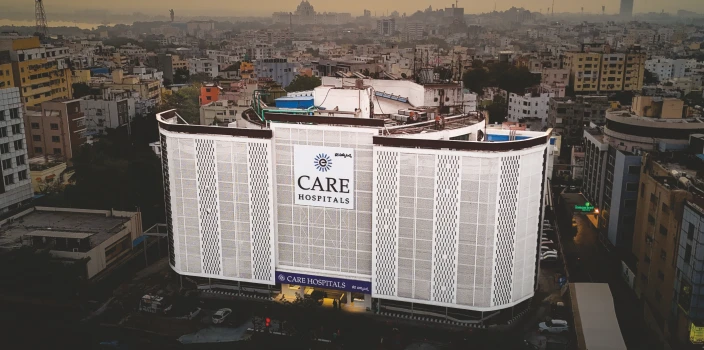
CARE Hospitals, Banjara Hills, Hyderabad

CARE Hospitals Outpatient Centre, Banjara Hills, Hyderabad
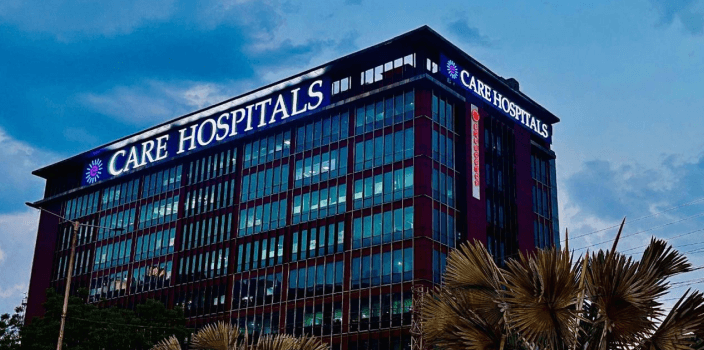
CARE Hospitals, HITEC City, Hyderabad

CARE Hospitals Outpatient Centre, HITEC City, Hyderabad
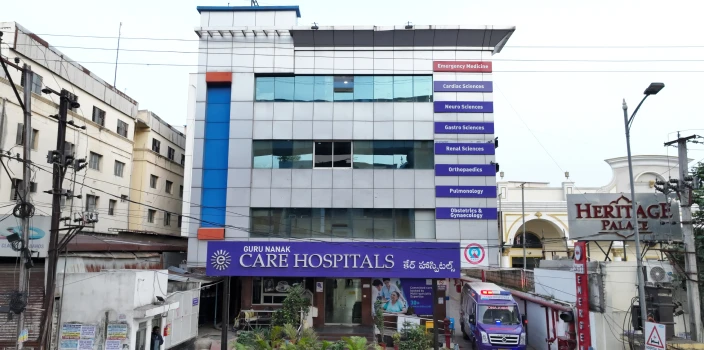
Gurunanak CARE Hospitals, Musheerabad, Hyderabad

CARE Hospitals, Nampally, Hyderabad
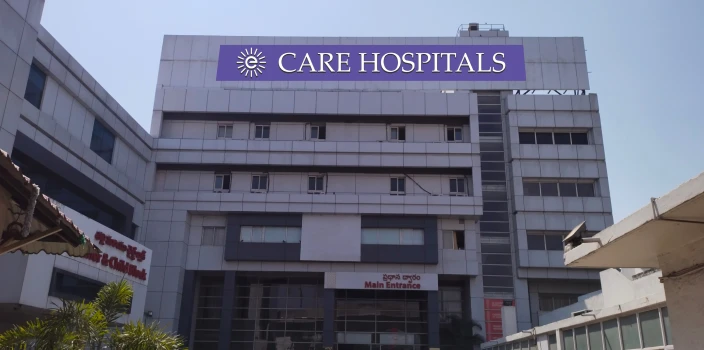
CARE Hospitals, Malakpet, Hyderabad

CARE Hospitals, Bhubaneswar
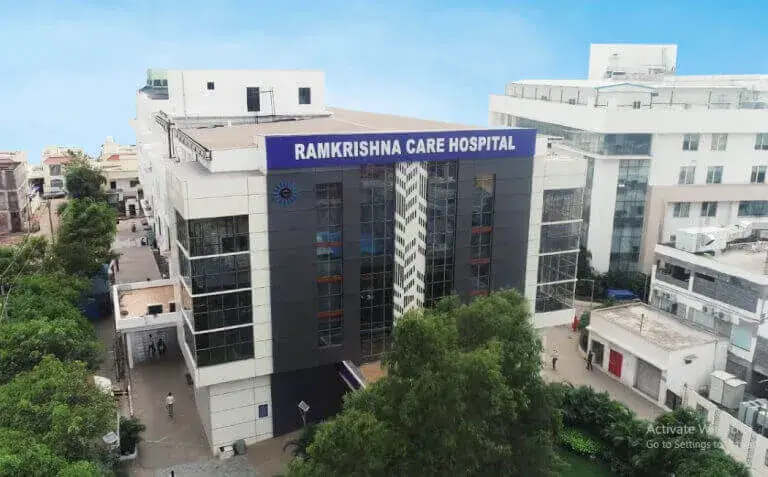
Ramkrishna CARE Hospitals, Raipur

CARE Hospitals, Ramnagar, Visakhapatnam
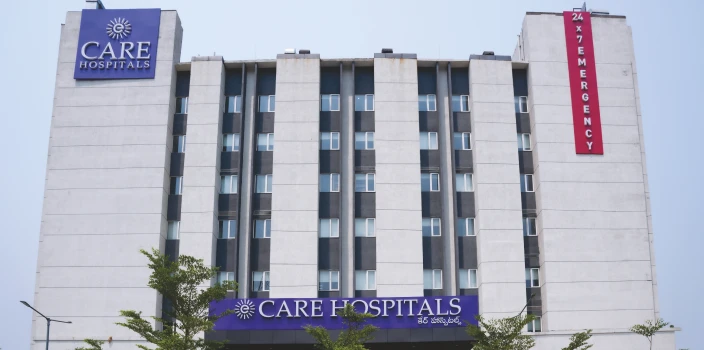
CARE Hospitals, Health City, Arilova
Frequently Asked Questions
During this surgery your doctor removes a portion of your large intestine (colon). Doctors recommend this operation to treat several conditions including colon cancer, inflammatory bowel disease, or severe diverticulitis.
Pain management starts right after surgery with medicine through an IV drip to minimise discomfort. Your medical team can also give an epidural near your spine to control pain.
The typical procedure takes about two hours. Some cases might need more time if complications arise.
Surgery carries several risks. These include:
- Bleeding
- Infections
- Anastomotic leaks
- Blood clots
- Damage to nearby organs
- Bowel blockages from scar tissue
Most patients need one to two months to recover fully. You will likely stay in the hospital between 3-7 days. Laparoscopic procedures often lead to earlier discharge. You can start your regular activities after two to three weeks but you should avoid heavy lifting for six weeks.
Your preparation includes fasting for 6-12 hours and taking laxatives to clear your bowels. You will need to stop blood thinners a few days before the surgery & required tests like blood work and an ECG.
The surgery starts with general anaesthesia. Your surgeon will make either small incisions for laparoscopic procedures or larger cuts for open surgery. They remove the affected colon section and join the healthy portions together.
Beyond medical preparations, you should focus on improving your health. Talk openly with your doctor about concerns before surgery.
After surgery you will need to see your doctor regularly (to monitor your recovery). Your doctor will schedule checkups that include physical examinations, blood tests, colonoscopies, CT scans or PET scans. These visits help catch any complications early and make sure you heal properly.
Your diet changes step by step after surgery. You will start with clear liquids before moving to soft, easy-to-digest foods. Most patients can eat normally within 6-8 weeks. Here are some foods that might help if you have digestive issues:
- Applesauce, bananas, and non-citrus fruits
- Lean proteins and low-fat dairy
- Well-cooked vegetables
- Pasta, potatoes, and oatmeal
Stay away from alcohol, caffeine, spicy foods, and high-fat items during recovery.
People in good health who have colon cancer, precancerous polyps, bowel obstruction, inflammatory bowel disease or colon perforation make ideal candidates.
Recovery works best when you start walking the day after surgery, stay hydrated, follow a staged diet plan, and take medications as prescribed. Fast-track rehabilitation protocols have shown fewer hospital stays and complications.
You will receive general anaesthesia to keep you asleep during the procedure. Doctors often add an epidural block to help manage pain after surgery.
Some people face higher risks, particularly those with:
- Hemodynamic instability
- Severe cardiopulmonary disease
- Acute intestinal obstruction with altered vital signs
- Coagulopathy issues
Still Have a Question?