
-
Centre of Excellence
Specialties
Treatments and Procedures
 HyderabadCARE Hospitals, Banjara Hills CARE Outpatient Centre, Banjara Hills CARE Hospitals, HITEC City CARE Hospitals, Nampally Gurunanak CARE Hospitals, Musheerabad CARE Hospitals Outpatient Centre, HITEC City CARE Hospitals, Malakpet
 Raipur
 Bhubaneswar
 Visakhapatnam
 Nagpur
 Indore
 Chh. Sambhajinagar
 Clinics & Medical Centers


-

-

-

-

-

-
Follow Us

Best Hospital for Turbinate Reduction Surgery in Hyderabad
- Advanced Technology
- Shorter Hospital Stay
- Pre & Post-Operative Care
- All Insurance Accepted

Chat With Our Experts
Get second opinion on Whatsapp
25 lakhs+
Happy Patients
Experienced and
skilled surgeons
17
Health Care Facilities
Top most Referral Centre
for Complex Surgeries
Advanced Turbinate Reduction Surgery
Individuals who have persistent nasal congestion and an inability to breathe through their nose can be experiencing enlarged nasal turbinates. The nasal turbinates are structures in the nose that are responsible for filtering and humidifying the air we breathe, but if they become swollen, they may obstruct airflow. When medications are unable to alleviate ongoing nasal obstruction, turbinate reduction surgery may be the best option to restore normal air flow to the nostrils.
ENT specialists at CARE Hospitals use advanced surgical techniques and state-of-the-art surgical equipment to perform turbinate reduction procedures with minimal patient discomfort and fast recovery. The surgery is specifically designed to reduce the size of the turbinates while maintaining the normal function of the turbinate so that patients can have adequate airflow and an improved quality of life.
Why Choose CARE Hospitals for Turbinate Reduction Surgery in Hyderabad?
Selecting the appropriate hospital is crucial for safe surgical procedures and optimal outcomes. CARE Hospitals provides:
- Proficient ENT doctors experienced in complex nasal procedures
- Latest methods in endoscopic sinus and nasal surgery
- Comprehensive diagnostic assessment, encompassing nasal endoscopy and imaging studies
- Customized treatment planning for each patient
- Ideally equipped operating rooms ensuring surgical accuracy
- Systematic post-operative surveillance and subsequent care
- Detailed instructions addressing recovery and care following turbinate reduction
Best Turbinate Reduction Surgery Doctors in India


















What is turbinate reduction surgery?
The turbinate reduction surgery is a noninvasive procedure that is performed by an ENT surgeon using minimally invasive procedures and techniques, such as microdebrider assistance, radiofrequency energy, or cautery to remove excess turbinate/nasal tissue.
Surgical turbinate reduction surgery is generally recommended:
- To enhance circulation of air through the nose and the nasal passages.
- To decrease the occurrence of chronic nasal obstruction.
- To improve patients' quality of sleep and decrease the prevalence of snoring.
- To enhance sinus drainage and the appeal of the nose.
Most of the patients report an increase in air flow and a decrease in chronic nasal obstruction after undergoing this surgical turbinate reduction.
Turbinate Reduction Indications
One might be suggested for turbinate reduction surgery if they have any of these problems:
- Chronic Nasal Congestion—Enlarged turbinates can cause long-lasting nasal congestion, thereby making it difficult for you to breathe; if antihistamines or nasal sprays do not relieve your symptoms, turbinate reduction is an option.
- Allergic Rhinitis and Turbinate Enlargement—Long-lasting allergies often lead to chronic swelling and nasal obstruction due to turbinate enlargement; reducing the size of your turbinates can improve airflow and make it easier for you to breathe.
- Nasal Obstruction Affecting Sleep—You might have snoring, interrupted sleep, or poor-quality sleep as a result of turbinate enlargement; this surgery particularly enhances the breathing at night.
- Problems with Sinus Drainage—Blockage and swelling of your nasal passageways, as a result of oversized turbinate bones (bone protrusions inside the nose), can interfere with sinus draining. Surgery will be used to help open your nasal passageways and assist in better draining of your sinuses.
- Difficulty Breathing Through the Nose—If you have had ongoing difficulty breathing through your nose after trying medical treatments, turbinate reduction surgery may help.
Turbinate Reduction Procedure
Turbinate reduction involves a step-by-step approach for safe and effective outcomes. It includes the following pre-procedure preparation, the procedure, and post-care:
- Preparation: Before the surgery, the patient will be evaluated by the ENT specialist, which could involve nasal endoscopy, imaging, and assessment of the patient’s medical history. The surgery could be conducted under local or general anesthesia depending on the patient’s condition.
- During the Turbinate Reduction Procedure
- Anesthesia will be administered to the patient to make them comfortable during the procedure.
- The procedure will be conducted from inside the nostrils, and no cuts will be made.
- Special equipment will be used to reduce the turbinate.
- There could be the use of procedures like radiofrequency, cauterization, and microdebrider.
- Bleeding will be controlled during the procedure.
- The procedure will take approximately 20-40 minutes.
- After Turbinate Reduction: The patient will be allowed to go home on the same day after the procedure, and there could be some congestion and crustiness in the nose, which will subside in a short period.
Turbinate Reduction Recovery
After the turbinate reduction procedure, the patient will recover fast and resume normal activities in 1 or 2 days. As the swelling decreases, the patient will also notice an improvement in breathing.
Your ENT surgeon may also recommend some things that will help in the recovery process after the surgery, which may include the use of saline sprays, avoidance of strenuous activities, and other surgery-specific instructions.
Risks of Turbinate Reduction
Even though turbinate reduction surgery is considered a safe procedure, it can have some minor side effects or risks associated with it in some rare cases, including:
- Mild Nasal Discomfort—After the surgery, a patient may experience some mild irritation or discomfort in their nose; this generally goes away within a couple of days.
- Temporary Nasal Congestion—There may be some swelling during recovery, leading to a temporary blockage of the nasal airway until breathing improves.
- Dryness or Crusting Inside the Nose—A patient may notice that their nose is becoming dry, and they may notice some soft crusting in their nasal passage during recovery; this is usually alleviated by following the aftercare instructions provided by your ENT surgeon after the procedure.
Turbinate Reduction Complications
More serious complications do occasionally happen after turbinate reduction surgery, but these are quite rare and can include:
- Excessive Bleeding—Some patients will have bleeding from their nose after the surgery that requires medical intervention; this occurs in very few cases, but if it does happen, check with your ENT surgeon immediately.
- Infection—While there is the possibility of infection following surgery, infections happen only in rare cases, and if they do occur, they will require medical treatment.
- Too Much Acrossation of Turbinate Tissue—This can occur in rare cases; excessive removal of turbinate tissue may create a feeling of dryness and/or change airflow through the nose.
However, when performed by a qualified and experienced surgeon, complications are found to be very rare.
Conclusion
Turbinate reduction surgery is a viable option for people suffering from a blocked nose due to enlarged turbinates. With the assistance of advanced techniques and experienced ENT specialists, CARE Hospitals is able to provide effective turbinate reduction surgery. Early detection and treatment help alleviate the problem of breathing difficulties, leading to a comfortable sleep and good nasal health.
Turbinate Reduction Surgery Hospitals in India
-
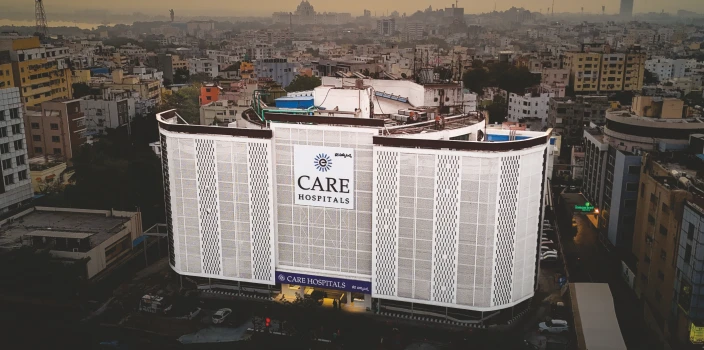
CARE Hospitals, Banjara Hills, Hyderabad
CARE Hospitals Outpatient Centre, Banjara Hills, Hyderabad

CARE Hospitals, HITEC City, Hyderabad
CARE Hospitals Outpatient Centre, HITEC City, Hyderabad
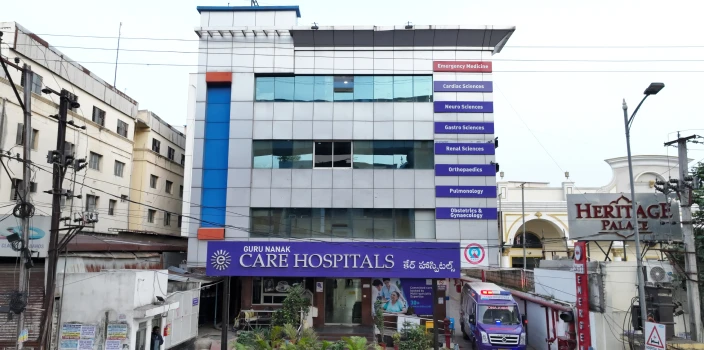
Gurunanak CARE Hospitals, Musheerabad, Hyderabad

CARE Hospitals, Nampally, Hyderabad
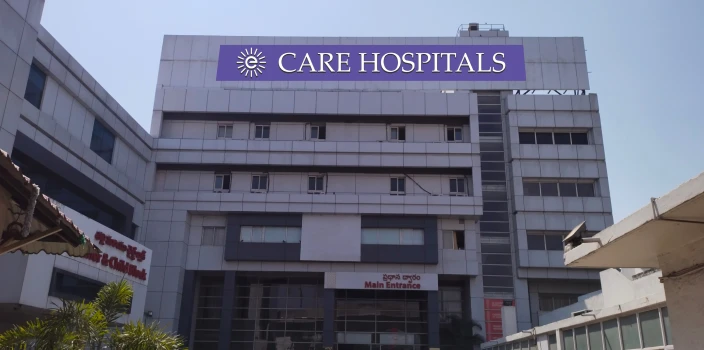
CARE Hospitals, Malakpet, Hyderabad

CARE Hospitals, Bhubaneswar
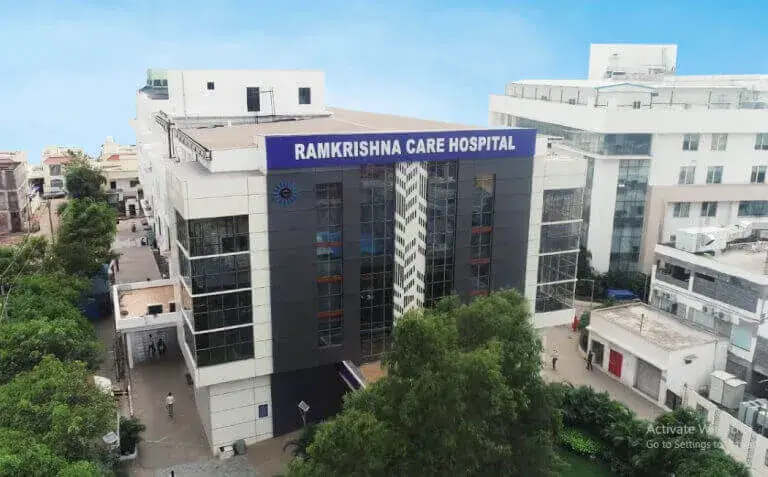
Ramkrishna CARE Hospitals, Raipur
CARE Hospitals, Ramnagar, Visakhapatnam
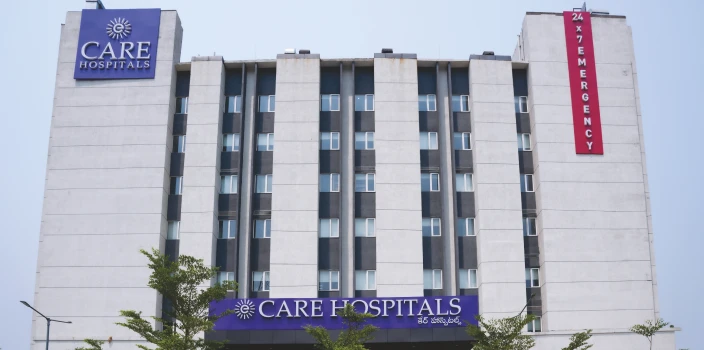
CARE Hospitals, Health City, Arilova
Frequently Asked Questions
During the turbinate reduction procedure, the surgeon reduces the size of the turbinates that are enlarged. This is usually done with the help of special tools or devices.
The procedure can be conducted with local anesthesia or general anesthesia.
The procedure is usually 20 to 40 minutes long.
Yes, in some cases, a small amount of tissue is removed or reshaped. This is usually the case with turbinate reduction. The surgeon aims to maintain the normal function of the turbinate.
Yes, the turbinate reduction procedure is conducted through the nostrils. This means that there are no marks or scars left behind.
Specialized surgical techniques and cauterization are employed by the surgeons to control the bleeding during the procedure.
Doctors perform a detailed examination of the patient, including the nasal examination and history of the disease. They may also ask the patient to avoid certain medications before the procedure.
Generally, the patient is discharged the same day after the procedure because turbinate reduction is an outpatient procedure. The patient needs to be observed for some time before being discharged home.
The recovery time for turbinate reduction is usually within a few days to weeks. Breathing improves gradually as the swelling subsides.
Still Have a Question?