
-
Centre of Excellence
Specialties
Treatments and Procedures
 HyderabadCARE Hospitals, Banjara Hills CARE Outpatient Centre, Banjara Hills CARE Hospitals, HITEC City CARE Hospitals, Nampally Gurunanak CARE Hospitals, Musheerabad CARE Hospitals Outpatient Centre, HITEC City CARE Hospitals, Malakpet
 Raipur
 Bhubaneswar
 Visakhapatnam
 Nagpur
 Indore
 Chh. Sambhajinagar
 Clinics & Medical Centers


-

-

-

-

-

-
Follow Us

Best Hospital for Microlaryngeal Surgery in Hyderabad
- Advanced Technology
- Shorter Hospital Stay
- Pre & Post-Operative Care
- All Insurance Accepted

Chat With Our Experts
Get second opinion on Whatsapp
25 lakhs+
Happy Patients
Experienced and
skilled surgeons
17
Health Care Facilities
Top most Referral Centre
for Complex Surgeries
Advanced Microlaryngeal Surgery
Persistent hoarseness can interfere with daily conversations, professional communication, and overall quality of life. Microlaryngeal surgery offers an effective solution for individuals suffering from benign vocal cord lesions. This laryngeal surgery treats conditions such as vocal nodules and polyps that affect the voice box. The microlaryngeal surgery (MLS) procedure uses precise microlaryngeal surgical instruments to restore vocal quality and diagnose underlying conditions. This article explores everything patients need to know about microlaryngeal surgery, from preparation to recovery.
Why CARE Group Hospitals is Your Top Choice for Microlaryngeal Surgery in Hyderabad
Choosing the right facility for laryngeal surgery plays a crucial role in ensuring a smooth recovery experience. At CARE Hospitals, skilled ENT specialists with decades of experience treat a wide range of ear, nose, and throat conditions. The multidisciplinary team works closely with anaesthesiologists to ensure complication-free treatment while focusing on comprehensive postoperative care. Patients receive thorough diagnostic evaluations that follow international protocols and benefit from affordable microlaryngeal surgery in Hyderabad.
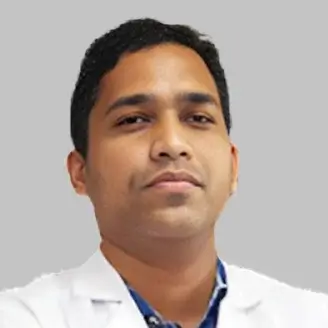
Best Microlaryngeal Surgery Doctors in India






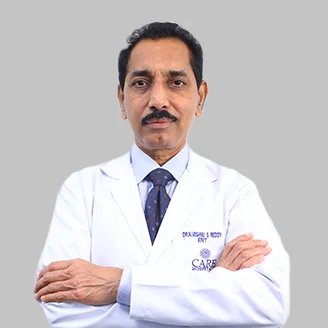







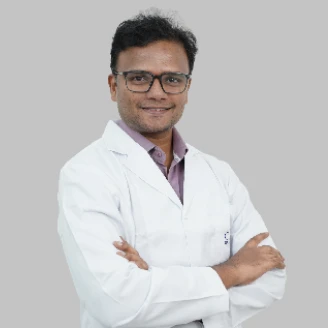


Advanced Surgical Innovations at CARE Hospital
Advanced technology enhances the surgical experience at CARE Hospitals. High-definition scopes and advanced surgical systems provide surgeons with greater precision during MLS surgery. The department uses modern endoscopic techniques that minimise pain and reduce scarring. Recovery periods are generally shorter, and many patients can undergo same-day procedures and return home quickly.
Indications for Microlaryngeal Surgery
The microlaryngeal surgery procedure is used to treat a variety of laryngeal conditions, including:
- Vocal cord polyps or nodules
- Vocal cord cysts
- Vocal cord papilloma
- Vocal cord cancer
- Reinke’s oedema
Patients experiencing persistent hoarseness, enlarging lesions, or breathing difficulties caused by narrowing of the voice box may benefit from this treatment approach.
Types of Microlaryngeal Surgery Procedures
There are two main categories of microlaryngeal surgery procedures:
Diagnostic procedures: These procedures help examine and evaluate conditions affecting the larynx (voice box), including:
- Assessment of laryngeal cancer
- Evaluation of dysphonia
- Assessment of dysphagia
- Examination of vocal cord lesions, nodules, or polyps
- Detailed microscopic inspection of the larynx
Therapeutic procedures: These include vocal cord fat injection, ablation of pharyngeal glottic lesions, and tracheal dilation.
Pre-surgery Preparation
Before the procedure, your surgeon evaluates your vocal cords using stroboscopy or laryngoscopy. Imaging tests such as CT scans or MRI may also be required. Your doctor may advise you to:
- Stop eating or drinking at least 8 hours before surgery
- Avoid ibuprofen and aspirin for a minimum of two weeks
- Inform your doctor about all medications you are taking
- Quit smoking to promote better healing
Microlaryngeal Surgical Procedure
During the operation, you will lie in a supine position with your neck extended. The surgeon inserts a laryngoscope through the mouth to access the larynx. A surgical microscope magnifies the area to improve precision. Tiny surgical instruments or lasers are then used to remove lesions from the vocal cords. The procedure typically lasts between 30 minutes and 1 hour.
Post Surgery Recovery
Complete voice rest is necessary for the first 48 hours after surgery. Your doctor will provide instructions to support proper healing, including:
- Drinking at least 2 litres of water daily to keep the throat moist
- Starting with soft foods
- Avoiding alcohol and very spicy or hot foods
- Avoiding talking, whispering, shouting, or straining the voice
Most patients recover within 1–2 weeks, although complete healing may take several weeks. Speech therapy may also help restore vocal function.
Risks
Some complications may occur after surgery, including:
- Temporary tongue numbness
- Dental injuries
- Voice changes
- Bleeding
- Infection
- Scarring of the vocal cords that may affect voice quality
Benefits of Microlaryngeal Surgery
This surgical approach helps preserve vocal function while effectively treating lesions. Patients usually experience less pain and faster recovery compared to traditional surgical methods, as the procedure precisely targets lesions while minimising damage to healthy tissue.
Insurance Assistance for Microlaryngeal Surgery
Most health insurance policies cover microlaryngeal surgery when it is medically necessary. Coverage may include hospitalisation expenses, pre- and post-hospitalisation costs, and ambulance charges. Patients should review their policy details to understand the inclusions and exclusions.
Second Opinion for Microlaryngeal Surgery
Seeking a second opinion soon after diagnosis can be highly beneficial. It helps confirm the diagnosis, explore alternative treatment options, and increase confidence in the recommended care plan. A second opinion also empowers patients to make informed decisions and feel more secure about their treatment journey.
Conclusion
Your voice plays an essential role in everyday life, and regaining vocal clarity should not feel overwhelming. Microlaryngeal surgery offers a proven solution for restoring vocal quality when persistent hoarseness affects daily interactions. The right surgical team can make the treatment journey smoother and more reassuring. At CARE Hospitals, skilled ENT specialists and advanced surgical technology provide comprehensive and personalised treatment solutions for voice disorders. Many patients recover successfully and return to their regular activities within just a few weeks. If ongoing voice problems are affecting your quality of life, microlaryngeal surgery may help you regain the clarity and confidence you deserve.
Microlaryngeal Surgery Hospitals in India
-
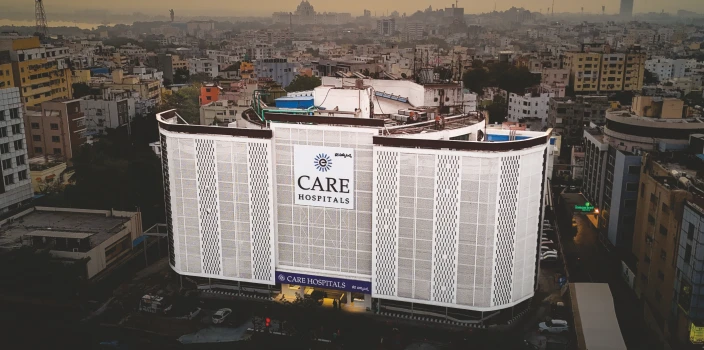
CARE Hospitals, Banjara Hills, Hyderabad
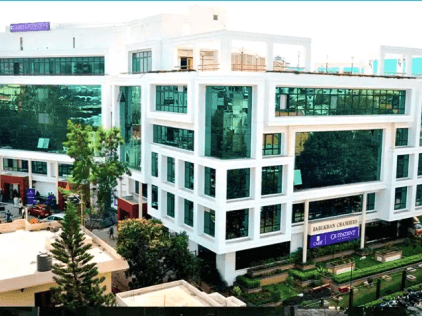
CARE Hospitals Outpatient Centre, Banjara Hills, Hyderabad
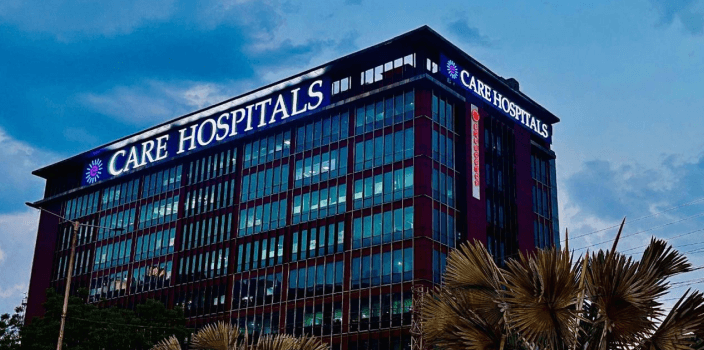
CARE Hospitals, HITEC City, Hyderabad
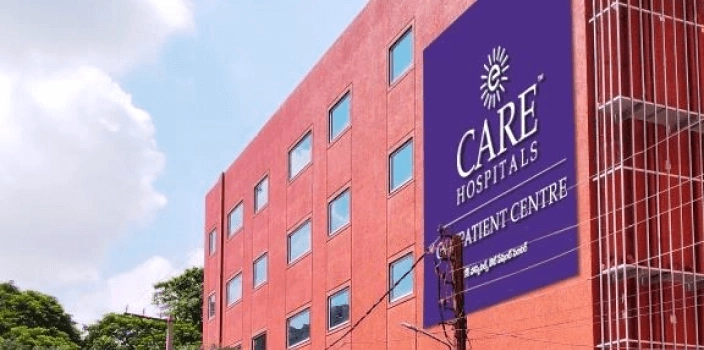
CARE Hospitals Outpatient Centre, HITEC City, Hyderabad
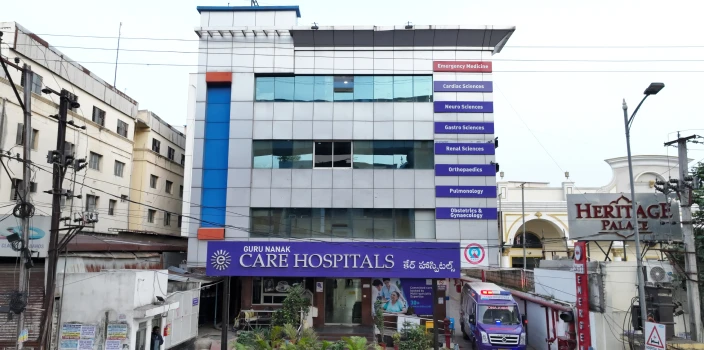
Gurunanak CARE Hospitals, Musheerabad, Hyderabad
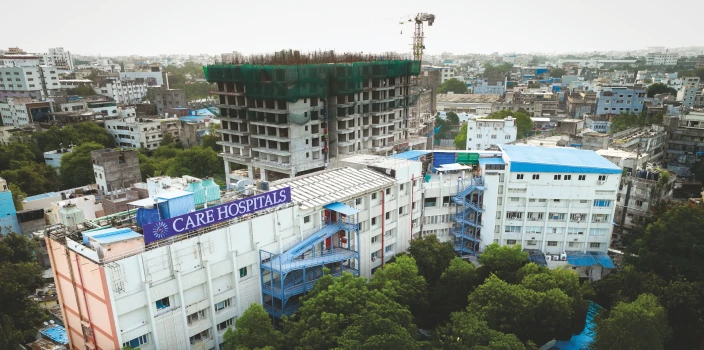
CARE Hospitals, Nampally, Hyderabad
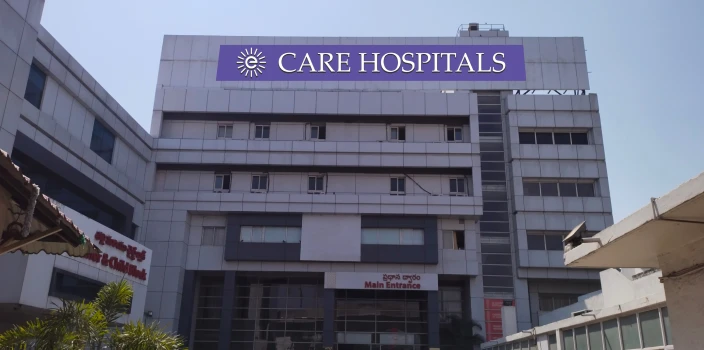
CARE Hospitals, Malakpet, Hyderabad

CARE Hospitals, Bhubaneswar
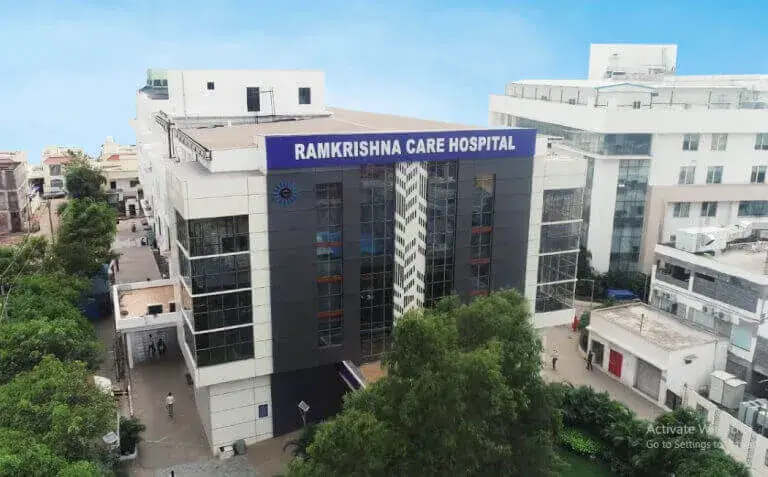
Ramkrishna CARE Hospitals, Raipur
CARE Hospitals, Ramnagar, Visakhapatnam
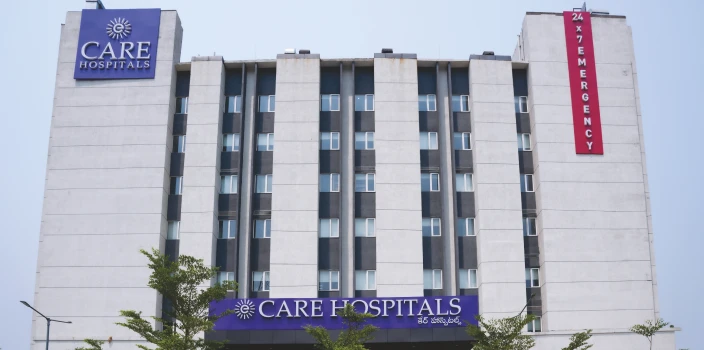
CARE Hospitals, Health City, Arilova
Frequently Asked Questions
This precise procedure allows your doctor to view the vocal cords through a microscope. Doctors also treat various conditions affecting your voice box. Surgeons use tiny instruments that fit in your mouth to remove lesions like nodules, polyps, or cysts without external cuts.
General anaesthesia keeps you asleep during the operation so you won't feel discomfort. Mild to moderate throat soreness appears for several days after. Over-the-counter pain relievers provide sufficient relief.
The microlaryngeal surgery procedure lasts 30 minutes to 1 hour. Duration varies based on complexity and whether your surgeon removes growths.
Temporary tongue numbness affects some patients after surgery. Other possibilities include dental injuries, voice changes, bleeding, infection and scarring.
Most people heal within 1 to 2 weeks. Complete voice rest lasts 48 hours followed by reduced voice use for several weeks (depending on your specific procedure).
Avoid smoking to support better healing. Stop eating 8 hours beforehand. Inform your doctor about all medications you take, especially blood thinners.
You will receive general anaesthesia. The surgeon positions you and inserts a laryngoscope through your mouth and uses specialised instruments to address vocal cord issues. Most procedures finish within an hour and you will head home the same day.
Take medicines exactly as prescribed by your doctor. You should also arrange transportation home since anaesthesia affects your ability to drive. Prepare family members about your voice limitations afterwards. A notepad or text-to-speech apps will help you communicate during voice rest.
The timing of follow ups varies based on your procedure. Some patients need to come after 6 days while others can show up after 2-3 weeks. These visits allow your surgeon to check vocal cord healing and adjust your recovery plan.
Complete voice rest followed by voice therapy produced better healing. Complete rest means:
- No talking or whispering
- No throat clearing or coughing
- No laughing or singing.
Some surgeons recommend 48 hours, while others prefer 3-5 days of complete silence. Your specific procedure determines the exact timeline your doctor prescribes.
Still Have a Question?