
-
Centre of Excellence
Specialties
Treatments and Procedures
 HyderabadCARE Hospitals, Banjara Hills CARE Outpatient Centre, Banjara Hills CARE Hospitals, HITEC City CARE Hospitals, Nampally Gurunanak CARE Hospitals, Musheerabad CARE Hospitals Outpatient Centre, HITEC City CARE Hospitals, Malakpet
 Raipur
 Bhubaneswar
 Visakhapatnam
 Nagpur
 Indore
 Chh. Sambhajinagar
 Clinics & Medical Centers


-

-

-

-

-

-
Follow Us

Best Hospital for Tracheostomy Surgery in Hyderabad
- Advanced Technology
- Shorter Hospital Stay
- Pre & Post-Operative Care
- All Insurance Accepted

Chat With Our Experts
Get second opinion on Whatsapp
25 lakhs+
Happy Patients
Experienced and
skilled surgeons
17
Health Care Facilities
Top most Referral Centre
for Complex Surgeries
Advanced Tracheostomy Surgery
Tracheostomy is one of the oldest surgical procedures known to mankind. The procedure saves lives by creating an opening in the neck that allows a tube placement directly into the windpipe. This helps patients breathe (when their normal airways do not work properly).
Medical teams create a surgical opening in the trachea below the larynx & place a special tube through it. The tube serves three vital functions:
- Helps overcome blocked upper airways
- Supports mechanical ventilation
- Lets doctors remove secretions from the airways
Medical research shows that patients breathe more easily with a tracheostomy than with long-term endotracheal intubation because the wider tube offers less resistance.
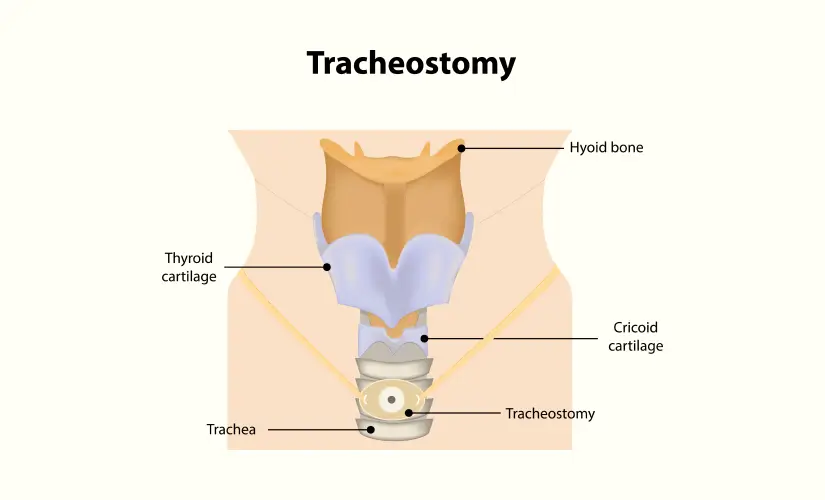
This article covers everything about tracheostomy surgery - from basic definitions and surgical approaches to preparation steps, recovery time, and what it all means.
Why Care Group Hospitals is Your Top Choice for Tracheostomy Surgery in Hyderabad
A tracheostomy needs careful planning and a clear understanding of the entire process - from preparation through recovery. The CARE Group Hospitals have ENT and critical care experts. These doctors do emergency and planned tracheostomies with skill and compassion. The hospital offers 24/7 intensive care, strict infection control, and a dedicated medical team. This means you can count on them for top-notch assistance in airway management and respiratory care.
Cutting-edge Surgical Innovations at Care Hospitals
CARE Hospitals uses the latest advances in tracheostomy procedures:
- Minimally invasive techniques like Percutaneous Dilatational Tracheostomy (PDT) when prolonged tracheostomy is needed
- Ultrasound and bronchoscopy guidance to improve the accuracy of tracheostomy tube placement
- Specialised tubes for different anatomical needs
- Advanced airway management systems for continuous oxygen and airflow monitoring
Best Tracheostomy Surgery Doctors in India


















Indications for Tracheostomy Surgery
Doctors recommend tracheostomy in the following but not limited to:
- Upper airway blockage from growths, injuries, cancers or swelling
- Severe neck or face injuries that affect normal breathing
- Neurological conditions causing difficulty in clearing the airway mucus
- Long-lasting lung problems needing ongoing breathing help
- To get around blocked or narrow air passages
- To manage airways after head and neck operations
- Severe sleep apnea that doesn't respond to other treatments
- To improve airway access in patients with birth defects or later-life changes
Pre-surgery Preparation
Your doctor will give you specific instructions for planned tracheostomies. General anaesthesia might require you to stop eating & drinking several hours before the procedure. Your healthcare team might ask you to pause certain medications temporarily.
Tracheostomy Surgical Procedure
Doctors use two main approaches to perform a tracheostomy:
- Open Tracheostomy: Surgeons perform this in an operating room under general anaesthesia. They make a horizontal cut below your Adam's apple, widen the opening to fit a tracheostomy tube, and secure it with a collar around your neck.
- Percutaneous Tracheostomy: This newer technique usually happens at your hospital bedside. The surgeon creates a hole in your neck and windpipe using a needle instead of cuts, then guides a small catheter inside using a wire.
Post-surgery Recovery
You will stay in the hospital under observation as healing starts. Recovery takes 8-10 days to 2 weeks for most patients, depending on their overall health. You will need to communicate through writing until you meet with a speech therapist.
A tracheostomy typically heals fully in about two weeks. Your neck might feel sore during this time, and it could take a day or two to adjust to breathing through the tube.
Complications
Complications can happen during surgery, shortly after, or long-term. Common complications include:
- Bleeding
- Infection around the stoma site
- Tube blockage from mucus plugs
- Accidental tube displacement
- Subcutaneous emphysema (trapped air under skin)
- Tracheal stenosis (narrowing) with prolonged use
- Damage to the thyroid gland
- Collapsed lung (pneumothorax)
- Scarring or narrowing of the trachea
- Rarely abnormal connections (fistulas) between the trachea and other structures
Benefits of Tracheostomy Surgery
Tracheostomy surgery offers several advantages, particularly for long-term breathing support:
- Improved comfort
- Reduced need for sedation
- Easier weaning from mechanical ventilation
- Better secretion clearance
- Earlier communication ability
- Improved breathing efficiency
Insurance Assistance for Tracheostomy Surgery
Most insurance plans cover tracheostomy supplies when the surgical opening will remain open for at least three months. Your coverage includes essential care items. Your insurance provider can explain your specific coverage details.
Get a Second Opinion for Tracheostomy Surgery
A second medical opinion can help you make better decisions about tracheostomy surgery. The specialists might confirm your diagnosis or suggest different treatments, helping you make informed choices about your care.
Conclusion
Tracheostomy is a life-changing procedure for patients who don't deal very well with breathing difficulties. Most patients recover fully within two weeks, but getting used to the new breathing method takes time and patience. This procedure improves the quality of life for people facing breathing challenges. A tracheostomy is a procedure known to offer a new breath of life when skilled professionals perform it with proper follow up care.
Tracheostomy Surgery Hospitals in India
-
CARE Hospitals, Banjara Hills, Hyderabad

CARE Hospitals Outpatient Centre, Banjara Hills, Hyderabad
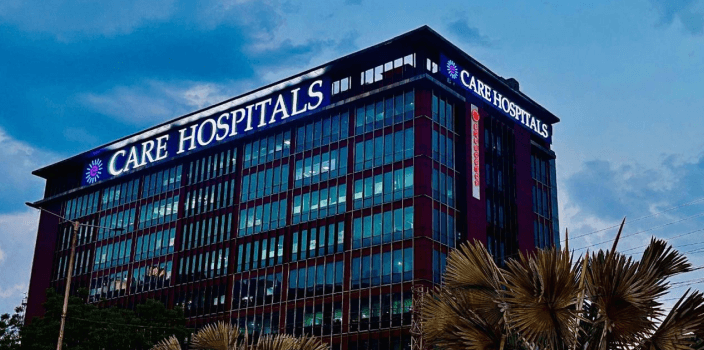
CARE Hospitals, HITEC City, Hyderabad
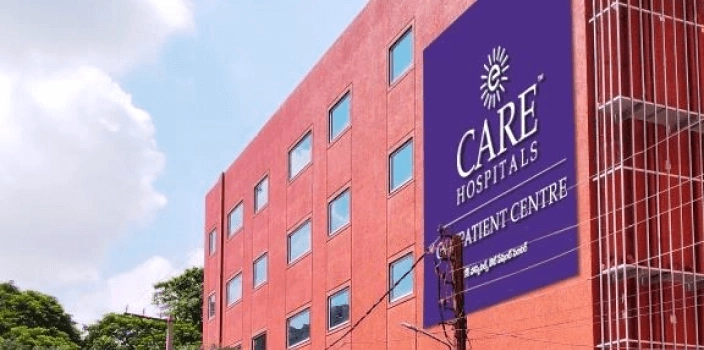
CARE Hospitals Outpatient Centre, HITEC City, Hyderabad
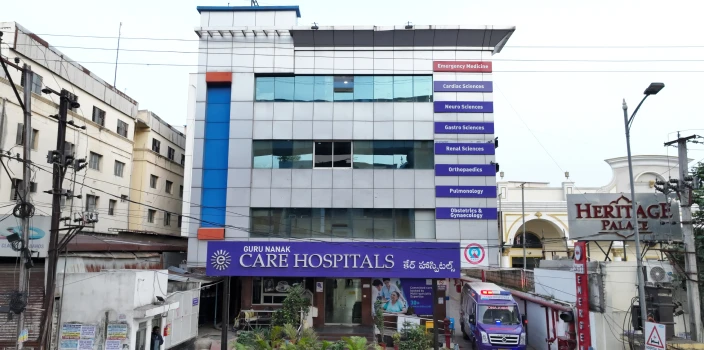
Gurunanak CARE Hospitals, Musheerabad, Hyderabad
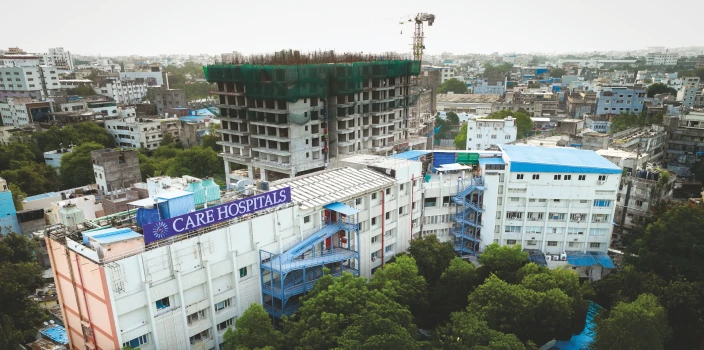
CARE Hospitals, Nampally, Hyderabad
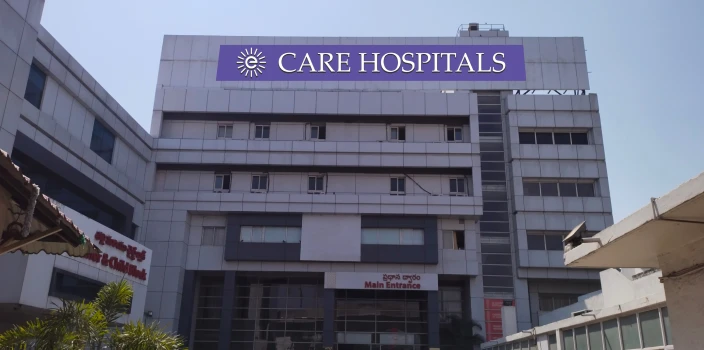
CARE Hospitals, Malakpet, Hyderabad

CARE Hospitals, Bhubaneswar
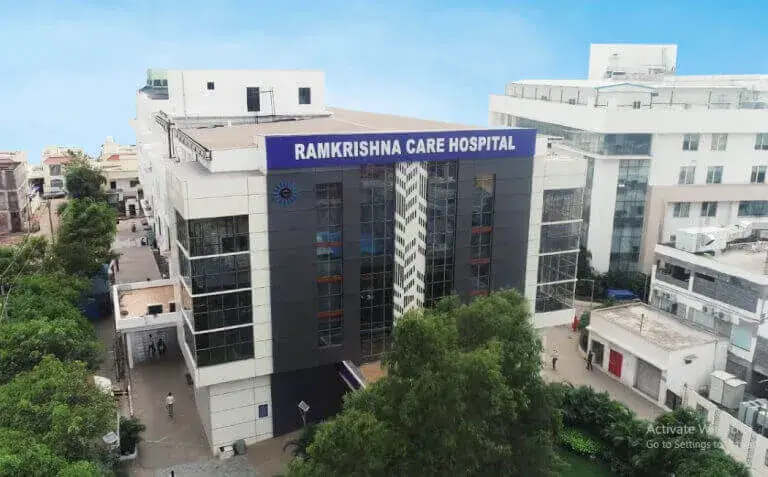
Ramkrishna CARE Hospitals, Raipur

CARE Hospitals, Ramnagar, Visakhapatnam
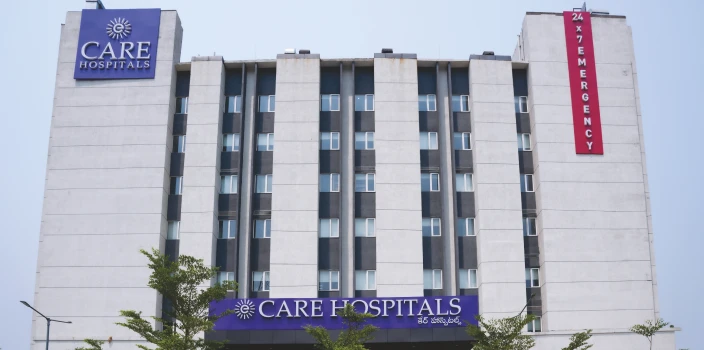
CARE Hospitals, Health City, Arilova
Frequently Asked Questions
Tracheostomy surgery creates an opening (stoma) through the front of your neck into your trachea (windpipe). Your doctor places a tube through this opening. The tube lets you breathe directly through your neck rather than your nose and mouth, which bypasses any blockage in your upper airway.
You will receive either general anaesthesia, which puts you completely asleep, or local anaesthesia, which numbs your neck area. The proper anaesthesia ensures you won't feel pain during the procedure. Most patients feel neck soreness that lasts about two weeks while healing. Your doctor will give you pain medication to help you stay comfortable.
The procedure usually takes 20 to 45 minutes. Your surgical team needs setup time, which brings the total duration to about an hour.
The complications include:
- Bleeding during or after the procedure
- Infection around the stoma site
- Air trapped under the skin (subcutaneous emphysema)
- Damage to the thyroid gland
- Scarring or narrowing of the trachea
Speaking becomes impossible initially if your tracheostomy tube has an inflated cuff since it blocks air from reaching your vocal cords. Notwithstanding that, most patients learn to speak by covering the tube opening with their finger once the cuff deflates or they receive a cuffless tube, typically after 5-7 days. Special speaking valves make communication easier by letting air enter through the tube but exit through your mouth and nose.
The healing process typically takes two weeks. Patients usually adapt to tube breathing within 1 to 3 days. Hospital stays range from several days to weeks based on your condition. Full recovery might take longer as you adjust to speaking and swallowing.
Planned procedures required below mentioned preparations:
- Several hours of fasting before surgery
- Stopping certain medicines temporarily
- Bringing essential items like comfortable clothes, toiletries & communication tools
During standard surgical tracheostomy your surgeon makes a horizontal cut below your Adam's apple. They create an opening in your windpipe, insert the tracheostomy tube & secure it with a neck strap. Percutaneous tracheostomy uses a different approach - your surgeon creates the opening with a needle, then uses a guidewire and dilator to widen it before placing the tube. Your medical team monitors you throughout the procedure.
Regular tube cleaning and maintenance are essential. Your surgical team will show you proper tube care techniques to prevent infection. The first tube change happens 7 days after surgery once the opening stabilises. You will need periodic check-ups for tube replacements afterwards.
Most patients start with liquid or soft foods. A speech therapist will evaluate your swallowing and might recommend:
- Sitting upright during meals
- Taking small bites (less than one teaspoon)
- Chewing food well before swallowing
High-fibre foods help prevent constipation, which can cause problems with a tracheostomy.
Good candidates include:
- Patients needing prolonged mechanical ventilation
- People with severe pulmonary infections
- People with neuromuscular disorders like ALS
- Patients with severe sleep apnea that doesn't respond to standard therapy
Your recovery will speed up with proper tube care, following eating guidelines and attending all follow up appointments.
Doctors typically use general anaesthesia, though local anaesthesia with sedation might be necessary for emergencies or patients who can't handle general anaesthesia.
Patients with coagulopathy (abnormal blood clotting), certain anatomical issues like short neck, maxillofacial trauma, cervical spine instability or severe hemodynamic instability might not qualify as candidates.
Still Have a Question?