-
Centre of Excellence
Specialties
Treatments and Procedures
 HyderabadCARE Hospitals, Banjara Hills CARE Outpatient Centre, Banjara Hills CARE Hospitals, HITEC City CARE Hospitals, Nampally Gurunanak CARE Hospitals, Musheerabad CARE Hospitals Outpatient Centre, HITEC City CARE Hospitals, Malakpet
 Raipur
 Bhubaneswar
 Visakhapatnam
 Nagpur
 Indore
 Chh. Sambhajinagar
 Clinics & Medical Centers


-

-

-

-

-

-
Follow Us

Best Hospital for Abdominal Myomectomy Surgery in Hyderabad
- Advanced Technology
- Shorter Hospital Stay
- Pre & Post-Operative Care
- All Insurance Accepted

Chat With Our Experts
Get second opinion on Whatsapp
25 lakhs+
Happy Patients
Experienced and
skilled surgeons
17
Health Care Facilities
Top most Referral Centre
for Complex Surgeries
Advanced Abdominal Myomectomy Surgery
Abdominal myomectomy is a surgery that removes uterine fibroids while preserving the uterus. Fibroids are growths that form in the muscle layer of the uterus. They are not cancer, and they vary a great deal in size and number from woman to woman. A hysterectomy removes the whole uterus, but myomectomy takes out only the fibroids, so it suits women who want to keep their uterus or protect their chance of pregnancy. Surgeons often choose this open method over laparoscopic or hysteroscopic surgery when fibroids are large, numerous or sit in a spot that makes a smaller cut too risky. Recovery takes longer than after keyhole surgery, yet the wider access provides better access for the safe removal of complex fibroids and reconstruction of the uterine wall.
Why CARE Group Hospitals Is Your Top Choice for Abdominal Myomectomy Surgery in Hyderabad
CARE Group Hospitals in Hyderabad brings together gynaecological surgeons who regularly manage complex fibroid cases, including patients with multiple large fibroids or a strong wish to protect fertility. Each case starts with detailed imaging, which lets the team map where every fibroid presents before planning the safest way to remove it. Blood loss is the biggest concern with larger removal, so coordination between the gynaecology and anaesthesia teams focuses on keeping it to a minimum. Patients hoping to become pregnant later receive clear guidance on timing and precautions before they go home.
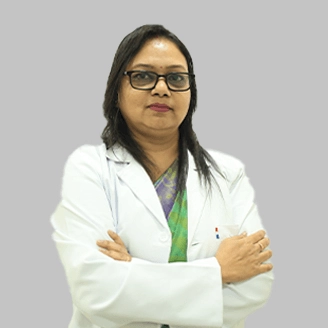
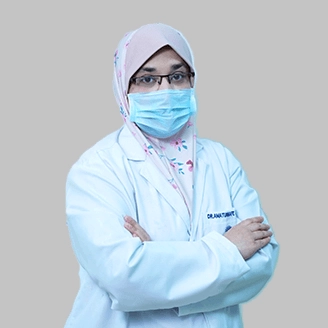
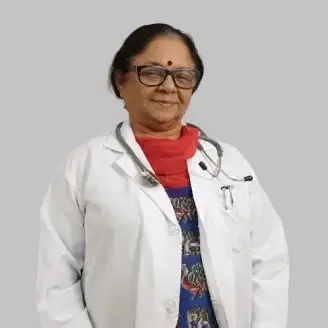
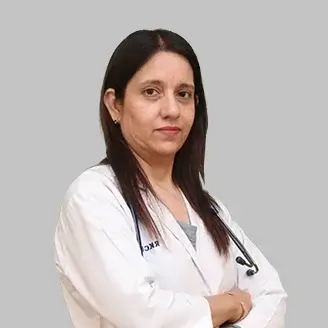
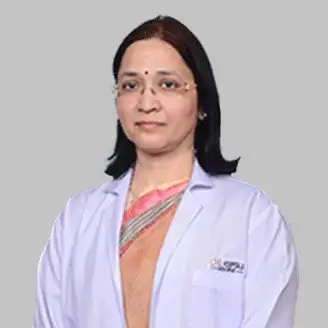
Best Abdominal Myomectomy Surgery Doctors in India
















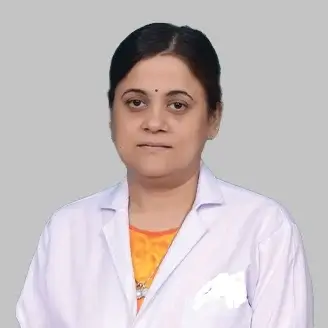

Cutting Edge Surgical Innovations at CARE Hospitals
Several techniques set surgery at CARE Hospital apart from a standard approach. Detailed MRI (magnetic resonance imaging) and ultrasound scans map where each fibroid sits before the operation begins. Blood-conservation methods including careful technique and medication where needed, reduce the chance of transfusion in larger cases. Layered suturing rebuilds the uterine wall with care given to its strength as this matters for women planning future pregnancies. Enhanced recovery protocols also help patients move sooner and manage pain more effectively than older approaches allowed.
Conditions for Abdominal Myomectomy Surgery
Doctors recommend abdominal myomectomy for a specific set of fibroid-related situations.
- Large fibroids – when growth passes a size that laparoscopic or hysteroscopic tools can safely manage, an open approach becomes the better option.
- Multiple fibroids scattered across the uterine wall make repeated smaller procedures less practical than one open operation.
- Heavy menstrual bleeding that has not improved with medication or less invasive treatment
- Difficulty conceiving or recurrent pregnancy loss particularly when fibroids distort the uterine cavity.
- Bladder or bowel pressure caused by fibroids pressing on nearby organs.
- In some cases, a fibroid's position makes minimally invasive removal technically difficult or unsafe.
Types of Abdominal Myomectomy Surgery Procedures
The right surgical approach depends on how many fibroids there are and how large they have grown.
- A single myomectomy removes one dominant fibroid, usually chosen when it accounts for most of a patient's symptoms.
- Multiple myomectomy removes several fibroids in one operation, cutting the need for a second surgery later.
- A horizontal incision, placed low along the bikini line, suits most standard cases and heals with a barely visible scar.
- When fibroids or the uterus are unusually large, surgeons use a vertical incision instead, as a horizontal cut may not give enough access.
- In case of deeply embedded fibroids, doctors recommend a combination of techniques that balance complete fibroid removal along with protecting the uterine wall.
Pre-Surgery Preparation
Careful preparation beforehand supports a safer operation and an easier recovery. This includes:
- MRI or detailed ultrasound scans map the size, number and position of each fibroid.
- Blood tests check for anaemia, a common finding with heavy fibroid-related bleeding that may need treatment first.
- Doctors recommend medication in some patients beforehand to shrink fibroids and lower the risk of bleeding.
- Because general anaesthesia is standard, fasting for a set number of hours beforehand is required.
- Doctors usually pause blood-thinning medication several days before the procedure.
Abdominal Myomectomy Surgical Procedure
The operation itself follows a consistent sequence. Steps are:
- General anaesthesia keeps the patient unconscious and free of pain throughout.
- The surgeon makes a horizontal or vertical incision in the abdomen, chosen according to fibroid size and location.
- Each fibroid is identified and removed individually from the surrounding uterine muscle
- Layer by layer the uterine wall is repaired to restore its strength and structure
- Once every fibroid is out and bleeding is controlled, the abdominal incision is closed in layers
- Surgery usually lasts one to three hours depending on the number and size of fibroids involved.
Post Surgery Recovery
Recovery follows a predictable timeline for most patients.
- A hospital stay of two to four days is typical, depending on how extensive the surgery was
- Pain is controlled with medication and tends to ease steadily across the first week
- Gentle movement begins soon after surgery as early mobilisation lowers the risk of blood clots
- Heavy lifting and strenuous activity should wait four to six weeks while the uterine wall heals
- A follow-up visit lets the surgeon confirm healing is on track and discuss plans for future pregnancy
- Menstrual cycles usually return within a few weeks, though some irregularity at first is common.
Risks and Complications
As with any major operation, abdominal myomectomy carries some risks. They are:
- Bleeding during surgery can be significant with larger fibroids
- Infection at the incision site
- Recurrence of fibroids
- Future pregnancies carry a small increased risk of uterine rupture
- Adhesions (bands of scar tissue around the uterus) can occasionally affect future fertility.
- When bleeding cannot be controlled surgically, converting to a hysterectomy becomes necessary in rare cases.
Benefits of Abdominal Myomectomy Surgery
This procedure offers real advantages for women whose fibroids are too extensive for less invasive treatment.
- Preserving the uterus and future pregnancy stays possible for women who want it, which a hysterectomy would rule out.
- Because heavy bleeding, pelvic pressure and bladder or bowel symptoms usually improve markedly, symptom relief tends to be substantial.
- An open approach lets the surgeon address multiple or unusually large fibroids in one operation, avoiding repeat surgeries.
- Many patients report a noticeable improvement in day-to-day comfort once recovery is complete.
Insurance Assistance for Abdominal Myomectomy Surgery
CARE Group Hospitals provides dedicated support to help patients work through insurance coverage for abdominal myomectomy. Our team explains what a policy covers and helps prepare the documents a claim requires.
Get a Second Opinion for Abdominal Myomectomy Surgery
Patients are always welcome to seek a second opinion before deciding on surgery. CARE Hospitals supports this by sharing complete imaging, test results and consultation notes with another specialist for review.
Conclusion
Abdominal myomectomy remains an important treatment option for women with large or multiple fibroids who want to keep their uterus and protect future fertility. Recovery takes longer than with less invasive techniques, yet treating extensive fibroid disease in one surgery makes it the right choice for many patients. Anyone weighing this surgery should talk with their gynaecologist first.
Abdominal Myomectomy Hospitals in India
-
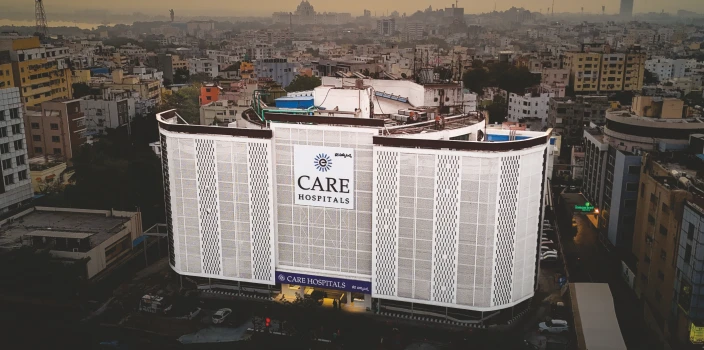
CARE Hospitals, Banjara Hills, Hyderabad
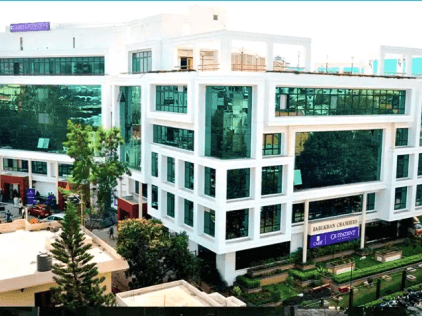
CARE Hospitals Outpatient Centre, Banjara Hills, Hyderabad
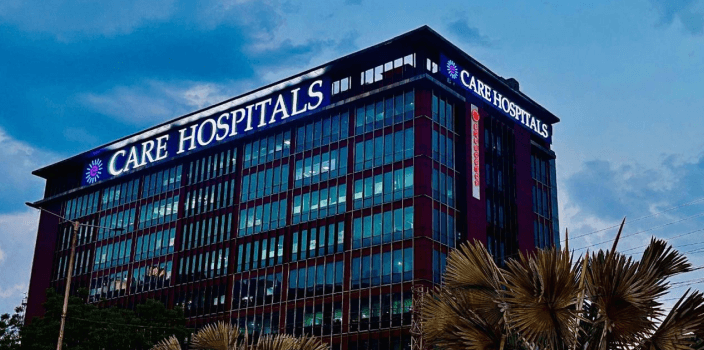
CARE Hospitals, HITEC City, Hyderabad
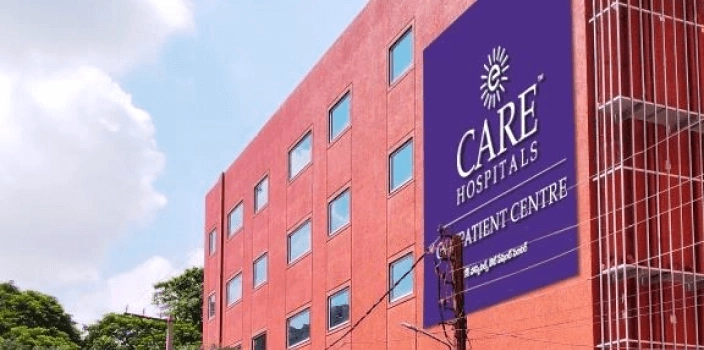
CARE Hospitals Outpatient Centre, HITEC City, Hyderabad
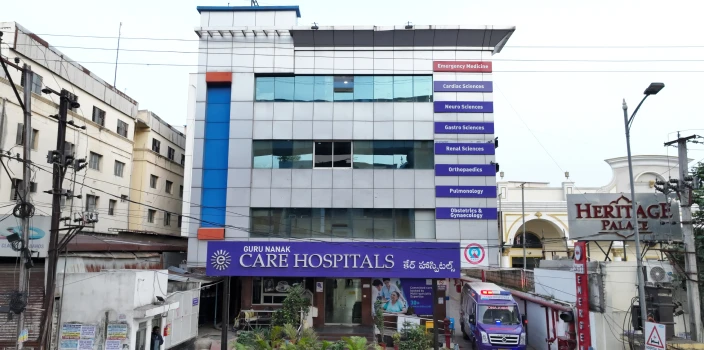
Gurunanak CARE Hospitals, Musheerabad, Hyderabad
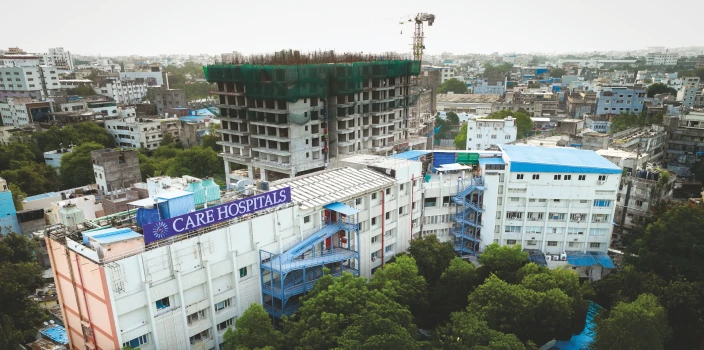
CARE Hospitals, Nampally, Hyderabad
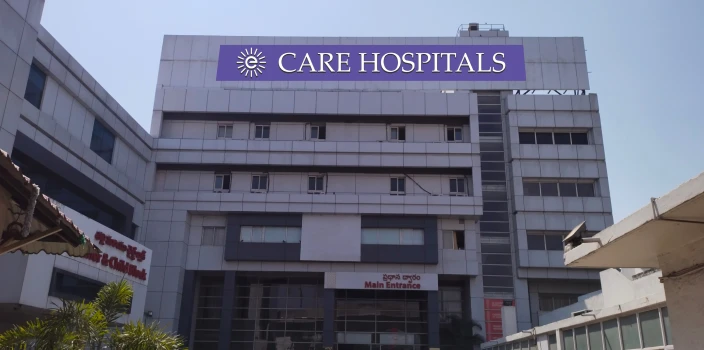
CARE Hospitals, Malakpet, Hyderabad
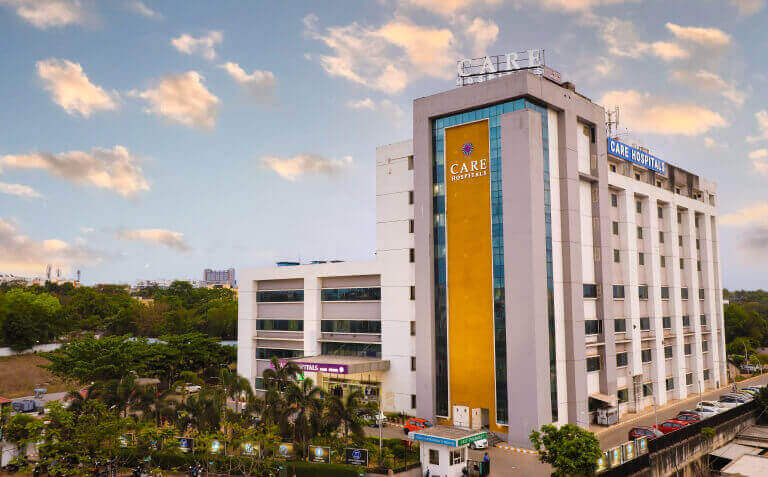
CARE Hospitals, Bhubaneswar
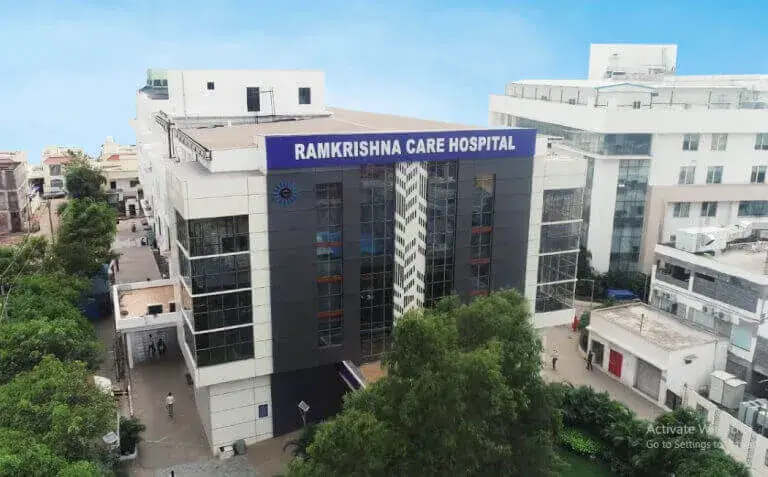
Ramkrishna CARE Hospitals, Raipur
CARE Hospitals, Ramnagar, Visakhapatnam
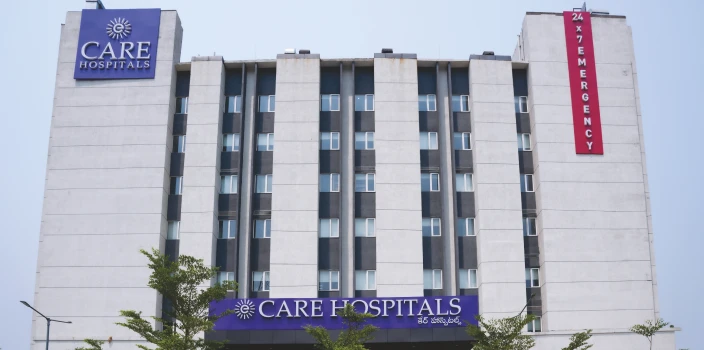
CARE Hospitals, Health City, Arilova
Frequently Asked Questions
A surgery that removes uterine fibroids through an open incision in the abdomen while leaving the uterus in place.
Your doctor may perform it to treat fibroids that cause heavy bleeding, pain or fertility problems and when other treatments are not giving you relief.
Doctors recommend abdominal myomectomy in women with large or multiple fibroids, especially those hoping to preserve fertility.
Doctors recommend the abdominal myomectomy procedure when fibroids are too large or numerous for laparoscopic or hysteroscopic removal to manage safely.
Abdominal myomectomy surgery is performed through an abdominal incision, with each fibroid removed individually before the wall is repaired in layers.
Yes abdominal myomectomy is considered a major surgery, as it involves an open abdominal incision and general anaesthesia.
Abdominal myomectomy surgery usually takes between one and three hours depending on the number and size of the fibroids.
General anaesthesia, which keeps the patient fully unconscious throughout the operation, is used.
Anaesthesia prevents pain during surgery, and discomfort afterward is managed with medication.
Most patients stay two to four days, but all depends on how extensive the surgery was.
Full recovery generally takes four to six weeks, with lighter activities resuming sooner.
Yes removing fibroids that distort the uterine cavity can improve the chances of conceiving for some women.
Many women do conceive after this surgery. However, doctors usually advise waiting several months first.
Bleeding during surgery is a recognised risk, particularly with larger fibroids, and the team monitors it closely.
Avoid heavy lifting, strenuous exercise and sexual activity for as long as your surgeon advises.
A balanced diet with plenty of fluids is generally recommended:
- Protein-rich foods, including eggs, dal, lean meat, fish, paneer and legumes, to support healing
- Fibre-rich foods like fruits, vegetables and whole grains to prevent constipation
- Drink plenty of water and choose iron-rich foods if you had heavy blood loss before surgery.
Persistent heavy bleeding, pelvic pain or difficulty conceiving are all good reasons to see a doctor.
A gynaecologist, often one with specific training in fibroid surgery, usually performs abdominal myomectomy.
Still Have a Question?