-
Centre of Excellence
Specialties
Treatments and Procedures
 HyderabadCARE Hospitals, Banjara Hills CARE Outpatient Centre, Banjara Hills CARE Hospitals, HITEC City CARE Hospitals, Nampally Gurunanak CARE Hospitals, Musheerabad CARE Hospitals Outpatient Centre, HITEC City CARE Hospitals, Malakpet
 Raipur
 Bhubaneswar
 Visakhapatnam
 Nagpur
 Indore
 Chh. Sambhajinagar
 Clinics & Medical Centers


-

-

-

-

-

-
Follow Us

Best Hospital for Salpingectomy Surgery in Hyderabad
- Advanced Technology
- Shorter Hospital Stay
- Pre & Post-Operative Care
- All Insurance Accepted

Chat With Our Experts
Get second opinion on Whatsapp
25 lakhs+
Happy Patients
Experienced and
skilled surgeons
17
Health Care Facilities
Top most Referral Centre
for Complex Surgeries
Advanced Salpingectomy Surgery
Salpingectomy is the surgical removal of one or both fallopian tubes, the narrow tubes that carry an egg from the ovary to the uterus each month. Doctors perform this operation for a range of reasons, from treating an emergency like an ectopic pregnancy to offering permanent contraception or reducing long-term cancer risk. Thanks to modern minimally invasive techniques, most patients recover far more quickly than they would have a decade ago. This article explains why the surgery is performed, what to expect before and after, and the questions patients ask most often.
Why CARE Group Hospitals Is Your Top Choice for Salpingectomy Surgery in Hyderabad
CARE Group Hospitals brings together experienced gynaecological surgeons who perform salpingectomy regularly, whether as a planned procedure or an emergency operation for a ruptured ectopic pregnancy. The team focuses on minimally invasive laparoscopic techniques whenever possible, which generally means smaller incisions, less pain and a faster return to daily life.
Before any decision is made, every patient receives a clear explanation of why surgery is needed and what recovery will look like. Coordinated care between surgeons, anaesthetists and nursing staff supports patients closely from the first consultation through to full recovery.
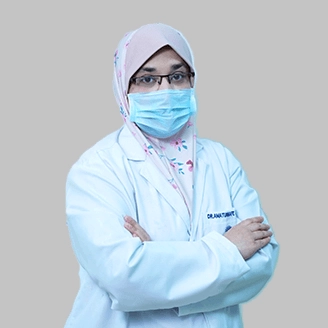
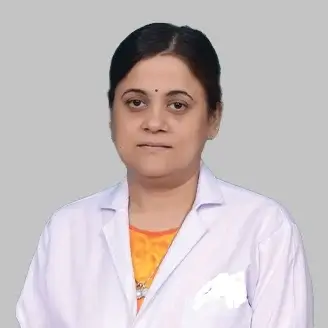
Best Salpingectomy Surgery Doctors in India





















Cutting-Edge Surgical Innovations at CARE Hospitals
Modern surgical technology has changed what patients can expect from this procedure. Common surgical advancements available at CARE Hospitals are:
- Laparoscopic surgery uses small incisions and a camera to guide the operation, reducing scarring and speeding up recovery compared with open surgery
- High-definition imaging gives surgeons a clearer, more detailed view of the fallopian tubes and surrounding structures during the operation
- Enhanced recovery protocols, combining careful pain management with early gentle movement, help many patients go home sooner
- Single-incision techniques, used in select cases, can further reduce visible scarring after surgery.
Conditions for Salpingectomy Surgery
Doctors recommend removing one or both fallopian tubes in several conditions. They are:
- Ectopic pregnancy: A fertilised egg implants outside the uterus, most often within the fallopian tube itself.
- Hydrosalpinx: A fallopian tube blocked and filled with fluid, which can lower the chances of success with IVF treatment.
- Fallopian tube cancer: A rare cancer requiring surgical removal of the affected tube.
- Pelvic inflammatory disease: Long-standing pelvic inflammatory disease can damage or scar the tube beyond repair.
- Permanent sterilisation: Chosen by women who are certain they do not want future pregnancies.
- Fallopian tube torsion: A twisting of the tube that cuts off its blood supply and causes sudden pain.
- Risk-reducing surgery: Advised for women carrying a BRCA gene mutation, as removing the tubes can lower the future risk of ovarian cancer.
Types of Salpingectomy Surgery Procedures
The exact procedure depends on the reason for surgery and how much tissue needs to be removed. They are:
- Unilateral salpingectomy removes a single fallopian tube while leaving the other one in place.
- Bilateral salpingectomy removes both fallopian tubes, often chosen for permanent contraception or risk reduction.
- Partial salpingectomy removes only a section of the tube, sometimes used specifically for sterilisation.
- Total salpingectomy removes the entire length of the affected tube.
- Laparoscopic salpingectomy (the minimally invasive approach) is used for the majority of planned procedures today.
- Open salpingectomy, using a larger abdominal incision, is reserved for emergencies or more complex cases.
- Salpingo-oophorectomy removes the fallopian tube together with the nearby ovary (sometimes recommended along with salpingectomy).
Pre-Surgery Preparation
Preparation helps ensure the surgery goes smoothly and recovery starts on the right footing.
- During a preoperative consultation, your doctor reviews your full medical history and confirms the surgery is the right option.
- Doctors perform blood tests and an ultrasound scan to confirm the diagnosis and plan the procedure in detail.
- Fasting for a set number of hours before surgery is required when general anaesthesia is used.
- Doctors might pause certain medications, particularly blood thinners, beforehand and restart them after the surgery.
Salpingectomy Surgical Procedure
Most salpingectomy procedures follow a similar general pattern that is adjusted for the specific technique used. Steps are:
- General anaesthesia is given first so the patient feels nothing during the operation.
- For laparoscopic surgery, the surgeon makes a few small incisions and inserts a thin camera along with fine instruments.
- For open surgery the surgeon makes a large incision to reach the fallopian tube.
- The affected fallopian tube is carefully separated from surrounding tissue and removed either partially or completely (depending on the reason for surgery).
- The incisions are then closed usually with dissolvable stitches.
- Laparoscopic procedures take 30 to sixty minutes, whereas open surgery for complex or emergency cases can take longer.
Post-Surgery Recovery
Recovery timelines vary depending on the surgical approach used and the reason for the operation.
- Laparoscopic surgery often allows patients to go home the same day or after a short overnight stay
- Open surgery requires a hospital stay of one to two days for closer monitoring.
- Pain is managed with prescribed medication during the first several days of recovery.
- Your doctor may ask for light activity early on, whereas heavy lifting and strenuous exercise are avoided for several weeks.
- A follow-up appointment checks that healing is progressing well and addresses any remaining questions.
- Watching for signs of infection, including fever, unusual discharge or worsening pain, helps catch any problem early.
Risks and Complications
Salpingectomy is generally a safe procedure. However, it carries the same risks as any surgery. They are:
- Bleeding during or after the procedure (uncommon with modern surgical technique)
- Infection at the incision site
- Accidental injury to nearby organs, including the bladder or bowel
- Reactions to anaesthesia
- Blood clots, particularly in patients with other risk factors
- If the remaining fallopian tube is also affected, natural fertility may be reduced afterwards.
Benefits of Salpingectomy Surgery
For the right patient, this surgery offers several clear and well-established benefits. They are:
- It provides definitive, life-saving treatment for an ectopic pregnancy.
- Removing a fluid-filled, blocked tube can improve the chances of success with future IVF treatment.
- It offers highly effective, permanent contraception for women who have completed their families.
- Removing the tubes can meaningfully lower future ovarian cancer risk in women carrying certain genetic mutations.
- Minimally invasive techniques mean most patients return to normal activity considerably faster than with older surgical methods.
Insurance Assistance for Salpingectomy Surgery
Understanding coverage in advance helps avoid unexpected costs. CARE Hospitals has a dedicated team that can verify insurance coverage, explain pre-authorisation requirements and guide patients through claims. However, emergency surgery for a condition such as ectopic pregnancy proceeds immediately regardless of paperwork.
Get a Second Opinion for Salpingectomy Surgery
For planned procedures, particularly sterilisation or risk-reducing surgery, seeking a second opinion is a reasonable and often encouraged step. It gives patients confidence in their treatment plan and a fuller picture of available options. Our hospitals can facilitate this process. Share your relevant records with our skilled surgeons to make a second consultation simple.
Conclusion
Salpingectomy serves several distinct purposes (your doctor may go for it to resolve a genuine medical emergency, offer permanent contraception or reduce future cancer risk). Modern laparoscopic techniques have made recovery faster and more comfortable than in the past. Understanding why surgery is needed and what recovery looks like helps patients feel prepared and confident going into the operation.
Salpingectomy Surgery Hospitals in India
-
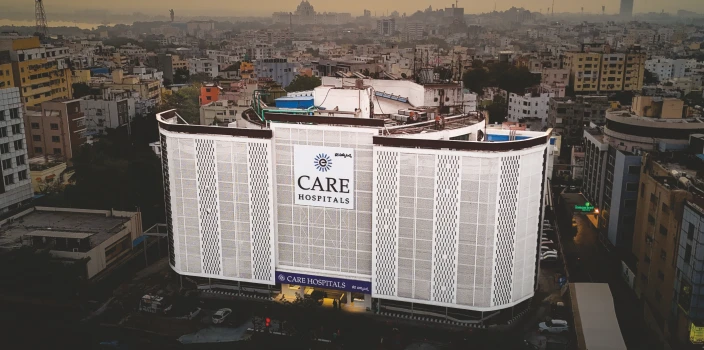
CARE Hospitals, Banjara Hills, Hyderabad
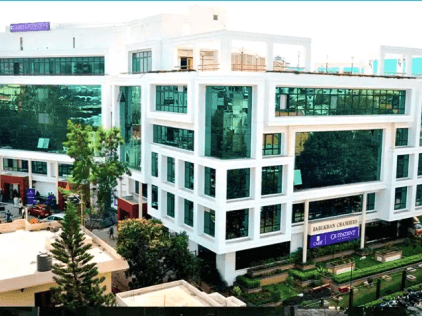
CARE Hospitals Outpatient Centre, Banjara Hills, Hyderabad
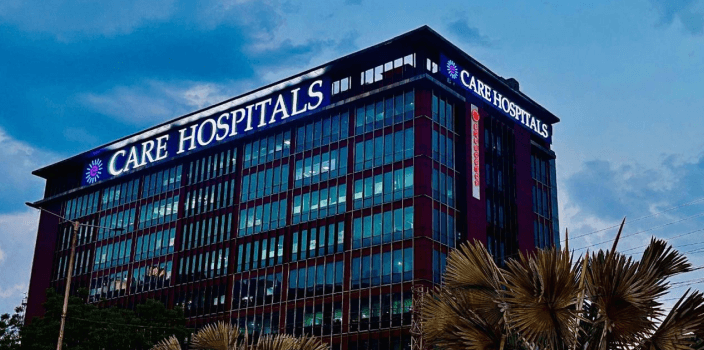
CARE Hospitals, HITEC City, Hyderabad
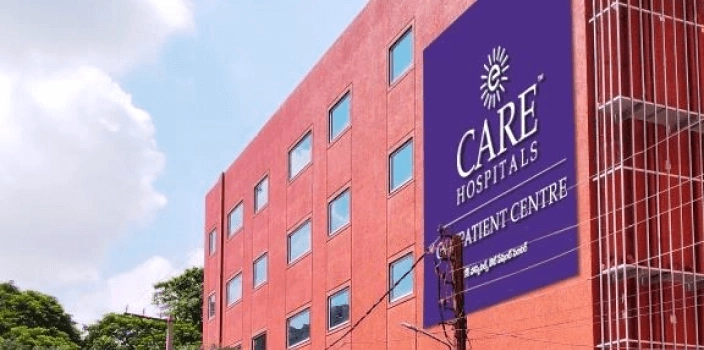
CARE Hospitals Outpatient Centre, HITEC City, Hyderabad
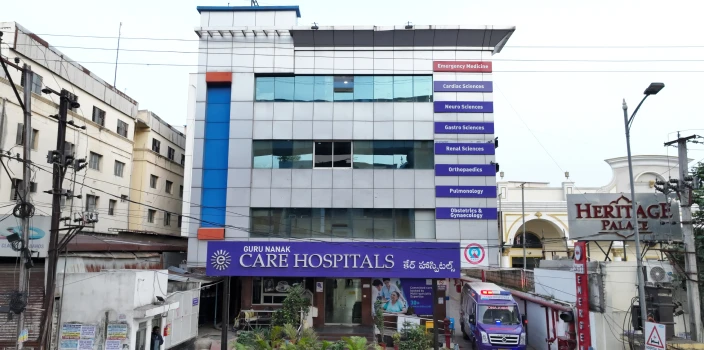
Gurunanak CARE Hospitals, Musheerabad, Hyderabad
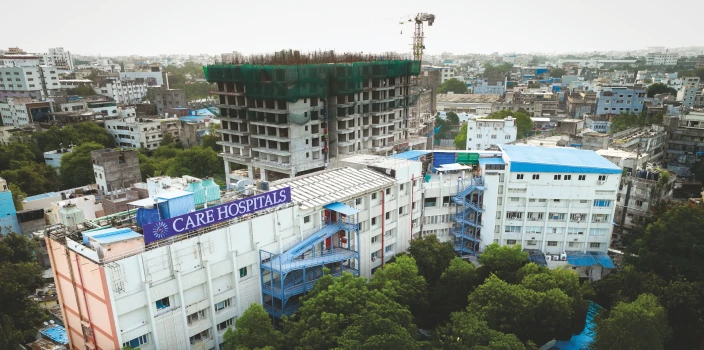
CARE Hospitals, Nampally, Hyderabad
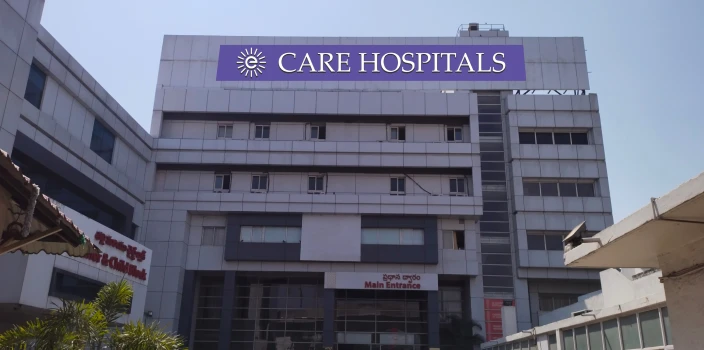
CARE Hospitals, Malakpet, Hyderabad

CARE Hospitals, Bhubaneswar
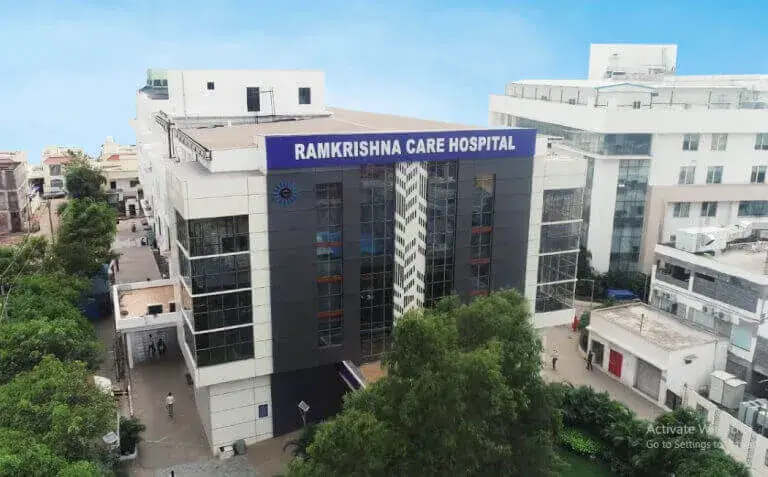
Ramkrishna CARE Hospitals, Raipur
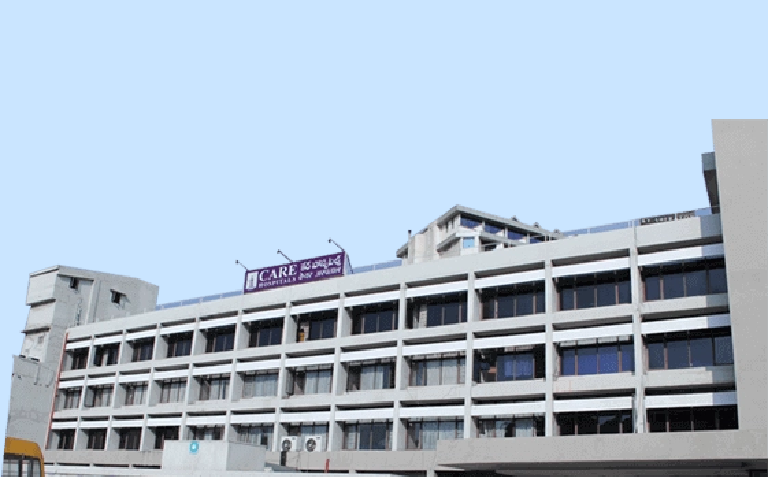
CARE Hospitals, Ramnagar, Visakhapatnam
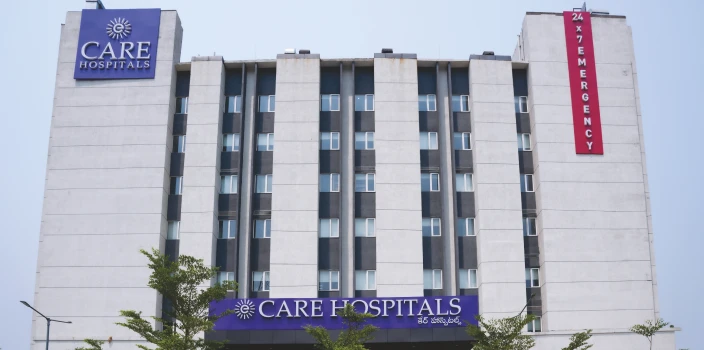
CARE Hospitals, Health City, Arilova
Frequently Asked Questions
It is the surgical removal of one or both fallopian tubes. Doctors perform this procedure for various medical reasons.
It is performed to treat ectopic pregnancy, remove a damaged tube, provide sterilisation or reduce cancer risk.
Women with an ectopic pregnancy, tubal damage, hydrosalpinx or those seeking permanent contraception may need this surgery.
It is recommended when a fallopian tube is diseased or damaged or when permanent contraception or cancer risk reduction is desired.
It is considered a moderate surgery, generally safe and often performed using minimally invasive techniques.
Laparoscopic surgery typically takes thirty to sixty minutes, whereas open surgery can take longer.
Some pain is normal afterwards. However, it is well managed with prescribed pain medication.
Most patients recover within one to two weeks after laparoscopic surgery, longer after open surgery.
Yes, you can get pregnant after salpingectomy if at least one healthy fallopian tube remains. However, options such as IVF may be needed after bilateral surgery.
Many women conceive naturally with only one functioning fallopian tube.
No, as the ovaries continue producing hormones normally, menstrual cycles are generally unaffected.
A light and easily digestible diet is recommended initially (your doctor will ask you to return to normal eating gradually).
For most cases laparoscopic salpingectomy is better, as it offers smaller incisions, less pain and a faster recovery than open surgery.
Still Have a Question?