-
Centre of Excellence
Specialties
Treatments and Procedures
 HyderabadCARE Hospitals, Banjara Hills CARE Outpatient Centre, Banjara Hills CARE Hospitals, HITEC City CARE Hospitals, Nampally Gurunanak CARE Hospitals, Musheerabad CARE Hospitals Outpatient Centre, HITEC City CARE Hospitals, Malakpet
 Raipur
 Bhubaneswar
 Visakhapatnam
 Nagpur
 Indore
 Chh. Sambhajinagar
 Clinics & Medical Centers


-

-

-

-

-

-
Follow Us

Best Hospital for Dilation and Curettage Surgery in Hyderabad
- Advanced Technology
- Shorter Hospital Stay
- Pre & Post-Operative Care
- All Insurance Accepted

Chat With Our Experts
Get second opinion on Whatsapp
25 lakhs+
Happy Patients
Experienced and
skilled surgeons
17
Health Care Facilities
Top most Referral Centre
for Complex Surgeries
Advanced Dilation and Curettage Surgery
Dilation curettage, generally shortened to D&C, widens the cervix and clears tissue from the uterine lining (the endometrium) using either a thin metal instrument called a curette or a gentle suction device. Gynaecologists reach for it in two quite different situations: to sample tissue and investigate the cause of abnormal bleeding, or to actively treat a problem such as retained pregnancy tissue that has not passed on its own. The endometrium regrows with the next menstrual cycle in the majority of cases so a properly indicated D&C carries little bearing on future fertility, a point that tends to ease much of the anxiety patients bring to the initial consultation. Most patients are discharged on the same day, with recovery counted in days.
Why is D&C Performed?
Doctors recommend D&C for reasons that fall broadly into two categories, diagnostic and therapeutic and quite often a single procedure serves both purposes at once. These are:
- A tissue sample taken from the uterine lining frequently explains the reason behind unexplained or unusually heavy menstrual bleeding.
- Miscarriage doesn't always clear the uterus completely on its own. When tissue remains behind, D&C removes it, helping prevent bleeding or infection before either has a chance to develop.
- Molar pregnancy requires evacuation of the abnormal tissue under controlled surgical conditions, and D&C is the standard approach for this.
- Small polyps or other localised growths within the uterine lining are frequently removed in the same session as a diagnostic sample.
- Postmenopausal bleeding is always taken seriously, and D&C is the usual route to ruling out or confirming endometrial cancer in this group.
- After childbirth, small fragments of placenta can be left behind; D&C offers a dependable way to clear them out.
- For heavy bleeding that has not responded to medication, the procedure can deliver a diagnosis and noticeable symptom relief in one step.
- Scar tissue inside the cavity, known as uterine synechiae, is sometimes spotted and partially addressed during a carefully performed D&C.
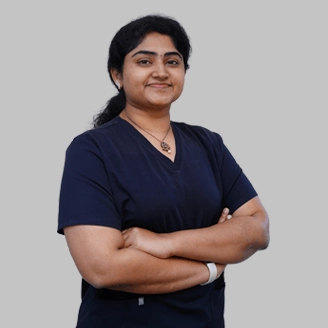
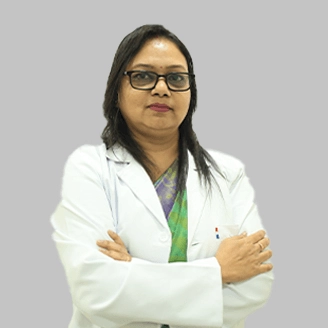
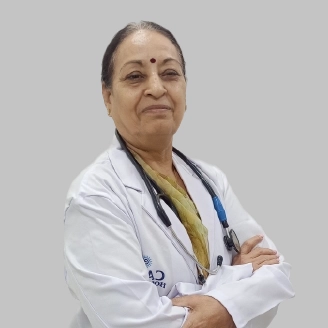
Best Dilation and Curettage Surgery Doctors in India













Types of Dilation and Curettage Procedure
The exact technique varies with the clinical picture, and several established variants exist to suit different indications and tissue types.
- Diagnostic D&C exists mainly to pull a tissue sample for the laboratory, particularly where cancer needs to be ruled out with certainty.
- Therapeutic D&C targets tissue that is actively causing symptoms, whether that means retained products of conception or a troublesome polyp.
- Suction curettage, using gentle vacuum aspiration, is the technique most often chosen during the first trimester of pregnancy.
- Sharp curettage scrapes the uterine lining directly with a metal instrument and is regularly paired with suction for a more thorough result.
- Hysteroscopic D&C lets the surgeon watch the uterine cavity directly on screen while operating, which sharpens accuracy when removing a localised abnormality.
- Fractional curettage keeps cervical canal samples separate from uterine cavity samples, which helps pinpoint exactly where abnormal cells originated.
How is D&C Performed
The sequence of events is broadly consistent from case to case, even though the choice of anaesthesia and total duration vary depending on the indication. D&C treatment steps are:
- General, regional or local anaesthesia with sedation is chosen according to the complexity of the case and patient preference.
- A series of dilators, gradually increasing in size, widens the cervix enough for instruments to pass through without resistance.
- Once adequate access is achieved the surgeon introduces a curette or a suction device to clear the targeted lining or retained tissue.
- Collected tissue goes to pathology as a matter of routine and this step is what ultimately confirms or rules out abnormal cells.
- Being minimally invasive, the operation itself typically wraps up within fifteen to thirty minutes, the exact figure hinging on how much tissue is involved.
- After the procedure doctors recommend a short dilation and curettage recovery period while the anaesthesia wears off, after which same-day discharge is the norm rather than the exception.
- Depending on why the procedure was done, a short course of antibiotics or a medication to encourage the uterus to contract may follow.
When is D&C Recommended?
Several clinical scenarios prompt doctors to opt for D&C rather than continue medication alone. They are:
- Heavy or irregular bleeding that persists despite an initial course of medical treatment
- An incomplete miscarriage, where some pregnancy tissue lingers in the uterus
- Bleeding after menopause is rarely dismissed without evaluation, and D&C is the usual method for excluding serious causes before offering reassurance.
- Ultrasound findings such as suspected polyps or an unusually thickened uterine lining often lead directly to a recommendation for sampling.
- Placental tissue left behind after delivery raises the risk of infection and continued bleeding and may need D&C to resolve.
- Inconclusive results from earlier imaging or a prior biopsy sometimes need D&C as the next step toward a clear answer.
- If bleeding continues even after hormonal treatment for a known uterine condition, the procedure may be recommended to investigate further.
Preparation Before D&C
Getting ready beforehand makes a real difference to both the safety of the procedure and how smoothly recovery goes afterwards.
- Fasting for a set number of hours beforehand is standard practice whenever general or regional anaesthesia is planned.
- Blood tests taken in advance confirm fitness for anaesthesia and flag any bleeding-related concerns worth addressing beforehand.
- Anyone on blood-thinning medication should inform their doctor early, as timing and dosage may need adjusting.
- Inform your doctor about any known allergies, particularly to anaesthetic drugs or antiseptic solutions, beforehand.
- A pregnancy test is sometimes requested beforehand, and the result can shift the exact surgical approach that follows.
- Loose, comfortable clothing on the day itself makes both the wait beforehand and the recovery period afterwards noticeably more manageable.
Why Choose CARE Hospitals for Dilation and Curettage?
CARE Hospitals draws on gynaecological teams with hands-on experience performing D&C alongside modern imaging guidance and hysteroscopic technique, applied wherever precision makes the biggest difference to outcome. Every case gets an individual assessment, and the decision between diagnostic sampling, therapeutic removal or a combined approach reflects the patient's age, reproductive plans, and the specific pattern of symptoms behind the referral rather than a single fixed protocol.
Tissue collected during the procedure moves quickly through comprehensive pathology support so results reach the treating doctor without unnecessary delay and can shape next steps promptly. Same-day discharge protocols paired with close attention to anaesthesia comfort mean most patients are home within hours, sent off with clear guidance on recovery, warning signs worth watching for and a follow-up appointment to confirm that healing is on track.
Dilation and Curettage Surgery Hospitals in India
-
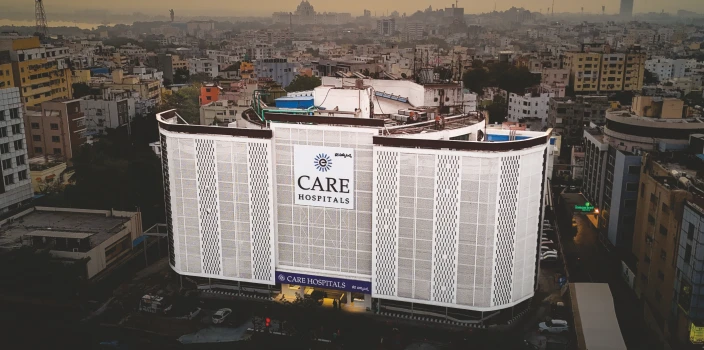
CARE Hospitals, Banjara Hills, Hyderabad

CARE Hospitals Outpatient Centre, Banjara Hills, Hyderabad

CARE Hospitals, HITEC City, Hyderabad

CARE Hospitals Outpatient Centre, HITEC City, Hyderabad
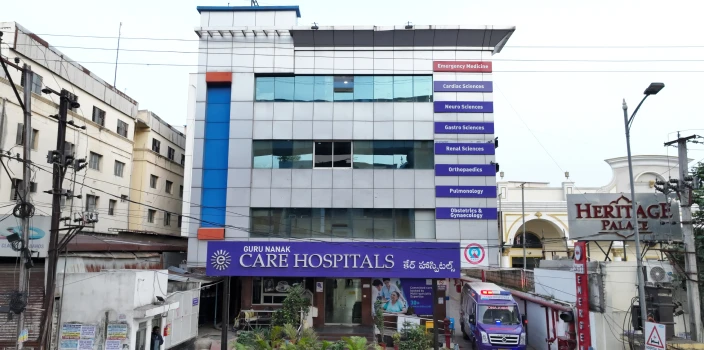
Gurunanak CARE Hospitals, Musheerabad, Hyderabad

CARE Hospitals, Nampally, Hyderabad

CARE Hospitals, Malakpet, Hyderabad

CARE Hospitals, Bhubaneswar

Ramkrishna CARE Hospitals, Raipur
CARE Hospitals, Ramnagar, Visakhapatnam

CARE Hospitals, Health City, Arilova
Frequently Asked Questions
After the anaesthesia, dilators widen the cervix first, and then a curette or suction device clears the targeted uterine lining or retained tissue.
Most cases are completed within fifteen to thirty minutes, with the exact duration depending on how much tissue needs to be removed.
D&C is a minor, minimally invasive procedure usually completed on an outpatient basis.
Anaesthesia or sedation keeps pain to a minimum during the procedure itself. However, mild cramping afterwards is fairly common.
Fasting beforehand, routine blood tests, arranged transport home and a medication review with the surgical team cover most of the preparation.
A few days of rest generally cover the initial dilation and curettage recovery. However, light bleeding or cramping can linger on and off for one to two weeks.
Coverage depends on the individual policy and on whether the procedure is classified as medically necessary rather than elective. Contact your health insurance provider for more information.
Same-day discharge is typical once anaesthesia has fully worn off and the initial recovery period looks stable.
Abnormal bleeding, suspected retained tissue or bleeding after menopause all warrant a direct conversation with a gynaecologist about D&C.
It clears pregnancy tissue that has not passed naturally, cutting the risk of infection or bleeding that drags on.
Heavy bleeding, severe pain, fever or a foul-smelling discharge after the procedure all call for a prompt call to your doctor.
Still Have a Question?