
Centre of Excellence
Specialties
Treatments and Procedures
Hyderabad
Raipur
Bhubaneswar
Visakhapatnam
Nagpur
Indore
Chh. Sambhajinagar
Clinics & Medical Centers
Online Lab Reports
Book an Appointment
Consult Super-Specialist Doctors at CARE Hospitals
Updated on 20 November 2025
Estrogen is a necessary hormone and is important to the overall function of the female reproductive system, as well as bone density, mood, and cardiovascular function. While estrogen delicately fluctuates naturally throughout life (through puberty, pregnancy, and menopause), any drastic or even chronic reduction of estrogen can help develop a number of issues. Thankfully, there are a few natural and healthy ways to help support and boost estrogen levels.

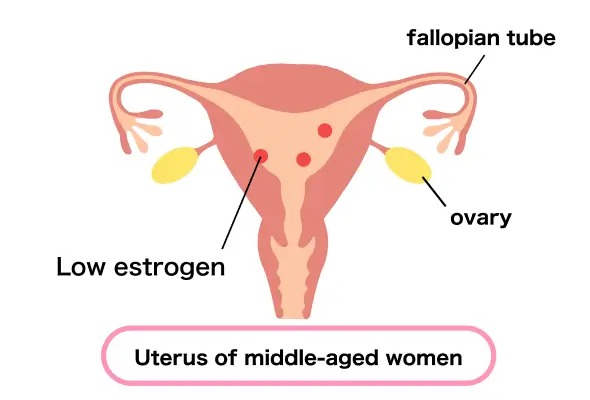
Low estrogen defines a lack of estrogen hormone in the body. Low estrogen typically impacts women (particularly around the time of menopause or perimenopause). Younger women as well as men are often affected if an important health issue or certain lifestyle choices are made.
Individuals most at risk for low estrogen include:
Low estrogen levels can occur for various reasons. Identifying the underlying cause is crucial for management. Here are some of the common causes of low estrogen levels:
Low estrogen can affect women in many ways. Symptoms of low estrogen levels may include:
If you're dealing with low estrogen symptoms, you can support your own estrogen production through basic modifications to lifestyle and diet. In some cases, medical treatment is necessary, but many people can find balance on their own. Here are seven great ways to support estrogen naturally.
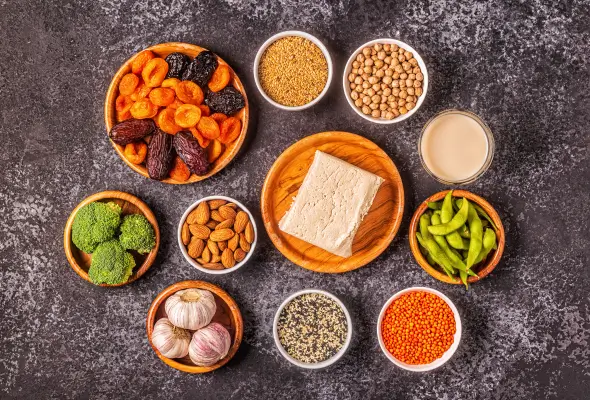
1. Consume Phytoestrogenic Foods: Phytoestrogens are plant-based compounds, very similar in structure to estrogen in our body. Foods that are high in phytoestrogens, such as flaxseeds, soy products (including tofu, tempeh, and edamame), chickpeas, lentils, and sesame seeds, encourage your body to make a healthy amount of estrogen and promote a balanced hormone ratio overall.

2. Maintain a Healthy Body Weight: Body fat aids in healthy estrogen production. If you are underweight or have very little body fat, especially from dieting or exercising too much, your body will stop producing estrogen. Maintaining a healthy weight can ensure that you are generating a constant supply of estrogen.
3. Move Your Body: Regular exercise is needed for overall health, but overtraining, especially at high-intensity levels, can lower estrogen levels. Moderate, balanced training, like walking, swimming, yoga, or light resistance training, will positively impact healthy hormones.
4. Reduce Stress: Stress causes chronic cortisol production, and high cortisol will prevent estrogen production. Create a habit of doing things to reduce stress, such as meditation, breath work, journaling, or simply stepping away from what you're doing to lower cortisol and allow for hormone balance.
5. Get Plenty of Sleep: One of the most important factors for hormone regulation is sleep. When sleep is erratic or poor, it disrupts the endocrine system. Aim for 7-9 hours of sleep every night so that your body can restore and regulate estrogen levels.
6. Add Healthy Fat to Your Meals: Estrogen and other hormones are made from fat and cholesterol, so adding healthy fat is important. Ensure you include healthy fat in your diet from sources like; avocados, nuts, seeds, olive oil, and fatty fish (salmon and mackerel), to provide your body with the building blocks it needs to make hormones.
7. Use Herbal Supplements: Some herbs such as; black cohosh, red clover, dong quai and maca root have been used for years to help women regulate their estrogen. Adding herbal supplements may be helpful in maintaining hormonal balance, particularly while experiencing the transition known as perimenopause or menopause. Please talk to your health care provider to check that any herbal supplement is safe and the correct dose is appropriate for your health.
If lifestyle changes have not been enough help, you may also seek medical treatment as mentioned below:
The choice of treatment will vary depending on the patient's symptoms and ultimately the cause or nature of the problem.
It is essential to go and speak to see about these concerns if you have:
A healthcare provider will be able to conduct hormone tests and develop a treatment plan specifically tailored to you.
Even though some of the causes of low estrogen levels are unavoidable, many can be modified or avoided by making healthy lifestyle choices. In order to help you avoid low estrogen levels, consider the following:
Estrogen plays a role in many areas of health, especially for women. When estrogen levels drop too low, the physical and emotional consequences can be quite distressing. Fortunately, there are several ways - from dietary changes to lifestyle interventions - to support healthy levels of estrogen. If all else fails, there are many medical treatments available. Pay attention to your symptoms, and seek professional help if you are feeling the inadequacies of hormonal health.
Eating foods high in phytoestrogens can help to increase estrogen, including flaxseeds, soy, chickpeas, lentils, and sesame seeds.
Yes. However, as estrogen is a female hormone, it is produced in small amounts in men as well. Low amounts of estrogen can affect bone health and sexual function in men.
It depends on the person and cause. Some people may see improvement in 2-3 weeks, while others may take several months.
9 Benefits of Eating Bitter Gourd During Pregnancy
Home Pregnancy Test: When to Take One, Accuracy, and Results
11 December 2025
1 December 2025
1 December 2025
1 December 2025
1 December 2025
1 December 2025
1 December 2025
1 December 2025
Have a Question?
If you cannot find answers to your queries, please fill out the enquiry form or call the number below. We will contact you shortly.