
-
Centre of Excellence
Specialties
Treatments and Procedures
 HyderabadCARE Hospitals, Banjara Hills CARE Outpatient Centre, Banjara Hills CARE Hospitals, HITEC City CARE Hospitals, Nampally Gurunanak CARE Hospitals, Musheerabad CARE Hospitals Outpatient Centre, HITEC City CARE Hospitals, Malakpet
 Raipur
 Bhubaneswar
 Visakhapatnam
 Nagpur
 Indore
 Chh. Sambhajinagar
 Clinics & Medical Centers


-

-

-

-

-

-
Follow Us

Best Hospital for Coronary Angioplasty in Hyderabad
- Advanced Technology
- Shorter Hospital Stay
- Pre & Post-Operative Care
- All Insurance Accepted

Chat With Our Experts
Get second opinion on Whatsapp
25 lakhs+
Happy Patients
Experienced and
skilled surgeons
17
Health Care Facilities
Top most Referral Centre
for Complex Surgeries
Advanced Coronary Angioplasty
Coronary heart disease impacts millions of people around the world. Angioplasty procedures save countless lives each year. Recent advanced interventions like percutaneous coronary intervention with stenting have helped reduce death rates from this condition over recent decades.
Doctors commonly perform coronary angioplasty procedures, also called percutaneous transluminal coronary angioplasty, in hospitals. The process involves inserting a small balloon to expand blocked arteries, followed by placing an angioplasty stent that keeps the vessel open.
Patients can learn everything about coronary angioplasty in this article - from preparation to recovery afterwards. This complete overview gives a great explanation of this essential cardiac procedure, its benefits, and why CARE Group Hospitals leads the way for this treatment in Hyderabad.
Why CARE Group Hospitals is Your Top Choice for Coronary Angioplasty Surgery in Hyderabad
CARE Group Hospitals stands out as a top spot for Coronary Angioplasty Surgery in Hyderabad combining state-of-the-art tech with skilled heart care. The hospital boasts high-tech cardiac catheterisation labs to pinpoint issues and offer safe less invasive treatments for clogged arteries. The hospital's team approach will give a patient detailed care from specialists in a variety of departments. Their steadfast dedication to affordable treatment makes advanced cardiac care available to more patients.
Advanced Surgical Innovations at CARE Hospital
The hospital uses state-of-the-art technology for coronary procedures and modern imaging techniques that boost precision during interventions. Their cardiac team employs advanced angioplasty methods like drug-eluting stents (DES) that help prevent re-narrowing of arteries after the procedure. Additionally, it uses minimally invasive approaches that reduce recovery time and post-surgical complications.
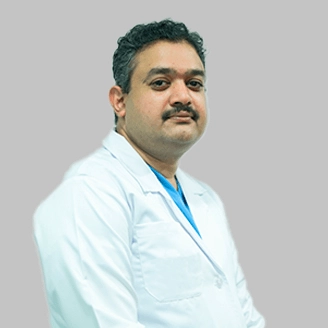
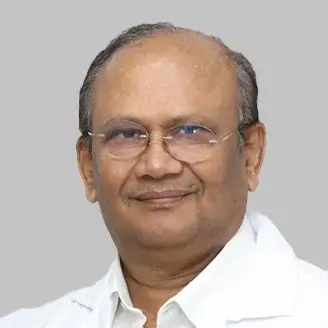
Best Coronary Angioplasty Doctors in India























































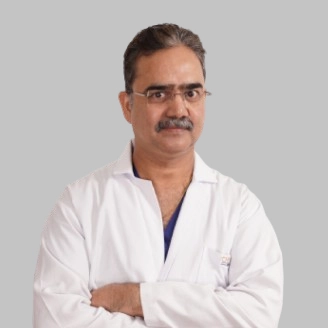






Indications for Coronary Angioplasty Surgery
Doctors suggest coronary angioplasty in:
- Stable angina that doesn't respond to medication
- Acute ST-elevation myocardial infarction (STEMI) requiring immediate intervention
- Non-ST-elevation myocardial infarction (NSTEMI) or unstable angina, typically within 24-48 hours of presentation
- Spontaneous coronary artery perforation
This procedure works great especially when you have elderly patients with atherosclerosis who don't respond to medications anymore.
Types of Coronary Angioplasty Surgery Procedures
CARE Hospitals customises angioplasty approaches based on each patient's needs. Balloon angioplasty uses a tiny inflatable device to widen narrowed arteries. The doctors then place stents—small mesh tubes—to keep arteries open and prevent re-narrowing. Drug-eluting stents release medication directly into the artery wall and have shown great results in reducing the risk of restenosis.
Pre-surgery Preparation
- Your cardiologist will walk you through the angioplasty procedure and answer your questions.
- Inform your doctor of any allergies to contrast dye or medications before your scheduled appointment date.
- You should also mention other health conditions, especially heart valve disease or kidney problems.
- Your doctor will tell you when to stop eating - usually several hours or overnight before the procedure.
- You might need blood tests to check your clotting time and overall health.
Coronary Angioplasty Procedure
- A coronary angioplasty takes place in a catheter lab with special X-ray equipment.
- The doctor numbs the insertion site with a local anaesthetic and makes a small cut to reach an artery in your groin, wrist, or arm.
- The doctor will put in a sheath and guide a catheter to your heart using fluoroscopy. Contrast dye shows where your artery is narrow.
- The doctor then uses a balloon-tipped catheter to push plaque against the vessel walls. Most patients need a stent - a metal mesh tube that keeps the artery open.
- After the procedure, the surgeon removes the catheter from the insertion site and closes it with sutures or staplers.
Post-surgery Recovery
- Most patients go home the same day or the next day after a planned angioplasty.
- You might see bruising and feel sore at the insertion site for a few days.
- Take it easy for about a week - no heavy lifting or hard activities.
- Don't drive for at least seven days.
- If your procedure was planned rather than an emergency, you can usually return to work within a week.
Complications
Coronary angioplasty is generally a safe procedure but it carries some risks. These include:
- Bleeding where the catheter went in
- Blood clots
- Artery damage
- Heart rhythm problems
- Allergic reactions to the contrast dye
- Heart attacks or strokes are rare complications.
Your risk goes up if you're older, have kidney disease, or have multiple blocked arteries.
Benefits of Coronary Angioplasty Surgery
Coronary angioplasty has numerous advantages including but not limited to:
- Helps blood flow better through blocked arteries
- Relieves chest pain and breathing problems
- Lets you leave the hospital sooner
- Quick angioplasty can save heart muscle and improve survival rates for heart attack patients.
Insurance Assistance for Coronary Angioplasty Surgery
Most health insurance plans cover angioplasty under hospital benefits. This includes surgery costs, hospital charges, and after-care. Some insurers want approval before planned procedures. Choose a network hospital for cashless treatment. Keep your ID proof and medical records ready for smooth claims.
Second Opinion for Coronary Angioplasty Surgery
A second opinion is beneficial before non-emergency angioplasty. It helps confirm your diagnosis and shows you other treatment options. Our hospital offers special cardiac second opinions and can review your medical records within 24-48 hours.
Conclusion
Coronary angioplasty has transformed the lives of millions who battle heart disease worldwide. This minimally invasive treatment opens blocked arteries, restores blood flow, and substantially improves life quality. CARE Hospitals leads cardiac care breakthroughs while keeping treatments affordable and accessible. Our all-encompassing approach ensures each patient gets detailed treatment that matches their unique needs. Heart health affects every part of life, so choosing experienced experts impacts both treatment success and recovery speed.
Best Coronary Angioplasty Hospitals in India
-
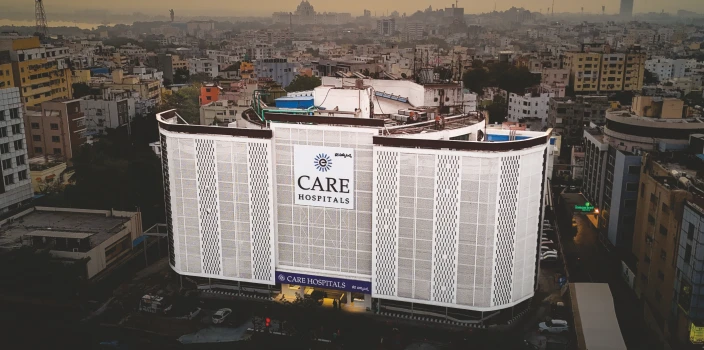
CARE Hospitals, Banjara Hills, Hyderabad
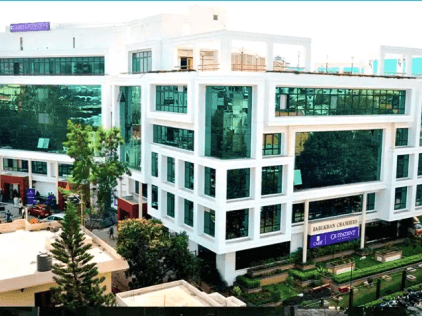
CARE Hospitals Outpatient Centre, Banjara Hills, Hyderabad

CARE Hospitals, HITEC City, Hyderabad

CARE Hospitals Outpatient Centre, HITEC City, Hyderabad
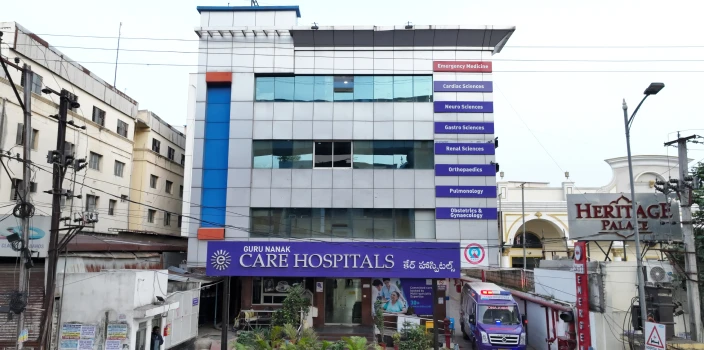
Gurunanak CARE Hospitals, Musheerabad, Hyderabad

CARE Hospitals, Nampally, Hyderabad

CARE Hospitals, Malakpet, Hyderabad

CARE Hospitals, Bhubaneswar
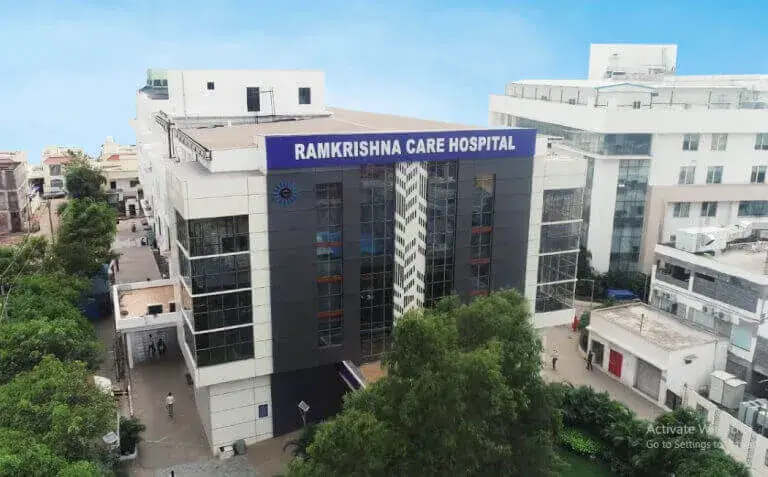
Ramkrishna CARE Hospitals, Raipur
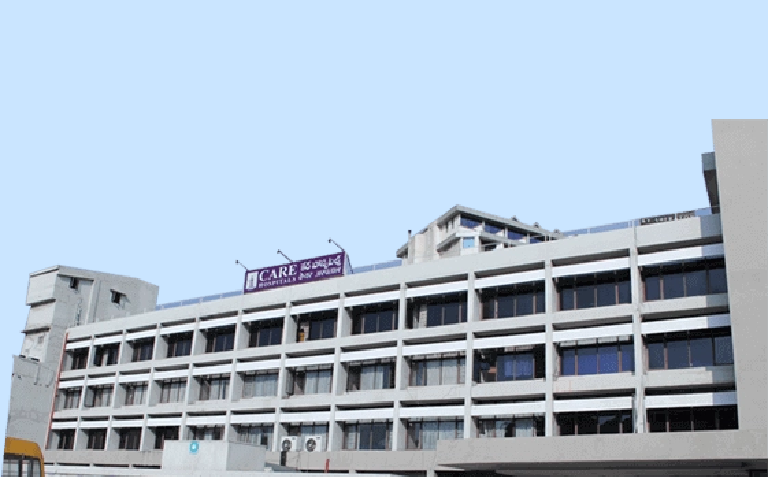
CARE Hospitals, Ramnagar, Visakhapatnam
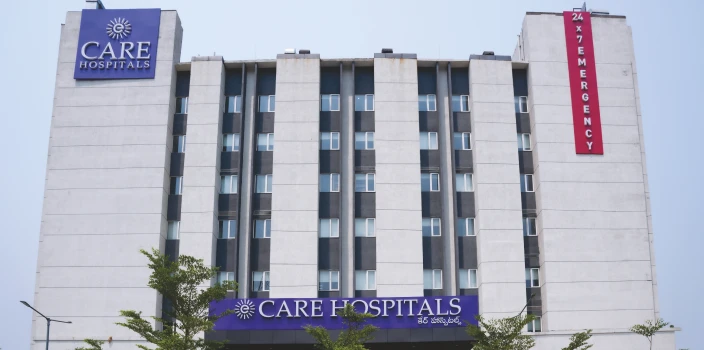
CARE Hospitals, Health City, Arilova
Frequently Asked Questions
Coronary angioplasty restores blood flow to your heart by opening blocked or narrowed arteries. The procedure uses a small balloon to push plaque against the artery walls. Your doctor will likely place a stent - a tiny metal mesh tube - to keep your artery open.
You will stay awake during the procedure but receive local anaesthesia. Most patients feel minimal discomfort. You might feel some pressure when they put in the catheter. You could also have a bit of chest pain when the balloon expands. This discomfort goes away once the balloon deflates.
The surgery usually takes 30 minutes to 2 hours. Your surgery time depends on the number and complexity of blockages. A single blockage needs less time than multiple narrowed arteries.
The procedure carries some risks including bleeding where the catheter goes in, blood clots, and artery damage. Some patients react to the contrast dye, and in rare cases, heart attacks or strokes can occur.
Most patients head home the same day or the next morning after a planned procedure. You should rest for about a week before getting back to your routine. Recovery time varies based on your health and whether you had emergency or planned surgery.
Your doctor will walk you through each step. Here's what you need to do:
- Fast for several hours beforehand
- Tell your doctor about your medications and allergies
- Adjust blood-thinning medications if needed
- Find someone to drive you home
- Get required blood tests done
You will need to stay flat for several hours after surgery to prevent bleeding at the insertion site. Your healthcare team will let you know when it's safe to sit up and move around.
The surgery happens in a catheter lab with special X-ray equipment. Your doctor will give you local anaesthesia and make a small cut to insert the catheter. A special dye helps show where the blockages are. Then, the balloon opens your artery, and in most cases, your doctor places a stent.
You will need regular check-ups after your procedure. The first visit happens about a week after your angioplasty. Your doctor will want to see you every three to six months during the first year. These visits help track your recovery and catch any problems early.
Your diet should focus on foods that keep your heart healthy:
- Whole grains like oats, brown rice, and barley
- Fresh fruits and vegetables packed with potassium
- Lean proteins, especially fish rich in omega-3 fatty acids
- Foods with low saturated fats and sodium levels
- A bit of dark chocolate for its flavonoid content
The best candidates have coronary artery disease, heart attacks, chest pain that won't go away with medication, or blocked arteries that could lead to heart failure. Your cardiologist will decide if this procedure matches your condition.
Recovery works best when you rest but don't stay in bed too long. Start moving around slowly, take your medicines as prescribed, drink plenty of water, and go to cardiac rehabilitation. Most patients can return to work after about a week.
Doctors use local anaesthesia with mild sedation instead of general anaesthesia. You will stay awake during the procedure but feel comfortable. You might notice slight pressure where the catheter goes in.
Still Have a Question?