

-
Centre of Excellence
Specialties
Treatments and Procedures
 HyderabadCARE Hospitals, Banjara Hills CARE Outpatient Centre, Banjara Hills CARE Hospitals, HITEC City CARE Hospitals, Nampally Gurunanak CARE Hospitals, Musheerabad CARE Hospitals Outpatient Centre, HITEC City CARE Hospitals, Malakpet
 Raipur
 Bhubaneswar
 Visakhapatnam
 Nagpur
 Indore
 Chh. Sambhajinagar
 Clinics & Medical Centers


-

-

-

-

-

-
Follow Us

Best Hospital for Electrophysiology Study in Hyderabad
- Advanced Technology
- Shorter Hospital Stay
- Pre & Post-Operative Care
- All Insurance Accepted

Chat With Our Experts
Get second opinion on Whatsapp
25 lakhs+
Happy Patients
Experienced and
skilled surgeons
17
Health Care Facilities
Top most Referral Centre
for Complex Surgeries
Advanced Electrophysiology Study
An electrophysiology study provides answers when someone experiences unexplained heart rhythm problems that other tests cannot diagnose. This diagnostic procedure examines the heart's electrical system to identify the source of abnormal rhythms, known as arrhythmias. The cardiac electrophysiology study has proven reliable, with a higher specificity in identifying and evaluating heart rhythm disorders. In this test, specialists insert thin wire electrodes through a vein to help map the electrophysiology of heart activity.
This article explains what patients can expect from their EP study, including preparation steps, risks and recovery timeline.
Why CARE Group Hospitals is Your Top Choice for Electrophysiology Study in Hyderabad
CARE Hospitals offers complete diagnostic services in cardiology with advanced equipment that helps provide outstanding arrhythmia treatment. The skilled multidisciplinary staff offers assistance during postoperative recovery and out-of-hospital support for cardiac problems. CARE recently launched an Advanced Heart Rhythm Clinic in Banjara Hills, designed to diagnose and manage cardiac arrhythmias. This facility benefits patients experiencing rhythm disturbances, including atrial fibrillation, bradycardia and tachycardia, and those at risk of sudden cardiac death.
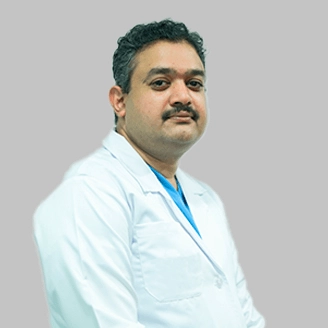
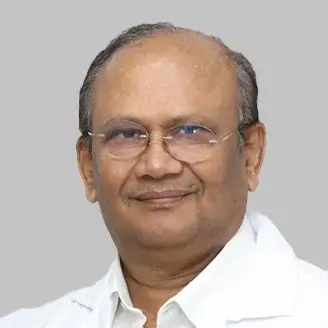
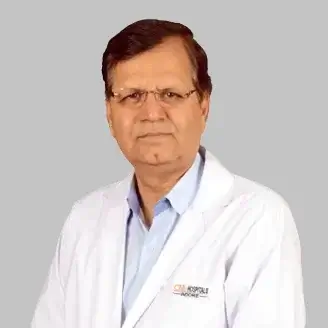
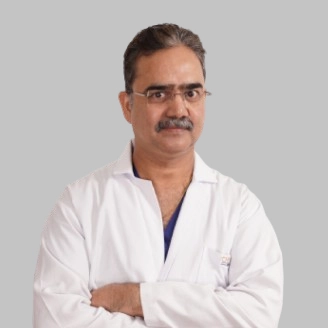
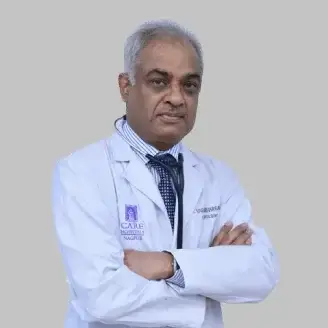
Best Electrophysiology Study Doctors in India


























































Advanced Surgical Options at CARE Hospital
Minimally invasive surgical procedures at CARE improve the quality of life for patients with heart rhythm disorders. The hospital offers cardioversion through electric shock therapy delivered via paddles or patches attached to the chest. Pacemaker implantation helps when heartbeats occur too fast or too slow and sends electric impulses to stimulate a normal rhythm. Implantable cardioverter-defibrillators monitor heart rhythm and deliver electric shocks to restore normal patterns when abnormalities appear. Coronary bypass surgery becomes an option when an arrhythmia occurs with coronary artery disease.
At Banjara Hills' Advanced Heart Rhythm Clinic experts used the latest Q Dot technology to carry out a successful Atrial Fibrillation (AF) ablation. It is now among the first hospitals in India to adopt this new and advanced electrophysiology system.
Indications for Electrophysiology Study
Doctors recommend an electrophysiology of heart to determine where arrhythmias originate and review medication effectiveness. The cardiac electrophysiology study helps assess whether catheter ablation can treat issues by eliminating problematic heart sections. Doctors suggest this electrophysiological study when patients show a risk for serious heart problems like fainting or cardiac arrest.
Pre-surgery Preparation
You need to take several simple steps to prepare for your cardiac electrophysiology study. These include:
- Fast for 6 to 8 hours beforehand, though you can sip water with approved medications.
- Your doctor may adjust blood thinners or diabetes medicines for a short time.
- Blood tests and an electrocardiogram help assess your condition before the procedure.
- Arrange for someone to drive you home, as sedation affects your ability to operate vehicles for 24 hours.
- Leave jewellery and makeup at home.
Electrophysiology Study Surgical Procedure
You will receive sedation to stay comfortable while remaining conscious enough to follow instructions. Specialists insert thin catheters through veins in your groin or neck and guide them to your heart using fluoroscopy imaging. These catheters record electrical signals and may deliver small impulses to trigger arrhythmias under controlled conditions. The EPS procedure takes one to four hours.
Post Surgery Recovery
After the electrophysiological study, doctors recommend resting in bed for 1 to 4 hours and keeping your leg straight (if groin access was used). Remove the dressing after 24 hours. Most people resume normal activities the next day. However heavy lifting should wait one week. Mild bruising at the insertion site remains common and fades within weeks.
Electrophysiology Study Risks
Complications occur rarely. Here is a list of some complications:
- Arterial injury
- Thrombophlebitis
- Cardiac perforation
- Bleeding
- Infection
- Blood clots
- Stroke
Benefits of Electrophysiology Study
This process helps doctors find the exact type of arrhythmia with accurate results. This approach is minimally invasive that eliminates the need for extensive surgery. The EPS procedure gives full details about your heart's electrical system and helps doctor tailor customised treatment plans. Many patients experience improved quality of life after receiving targeted therapy based on study results.
Insurance Assistance for Electrophysiology Study
Most health insurance policies cover electrophysiology studies as medically necessary diagnostic procedures. Verify your coverage beforehand as some insurers require pre-authorisation. CARE Hospitals' administrative staff assists you with insurance verification and claim processing.
Second Opinion for Electrophysiology Study
Getting another expert's opinion can help confirm your diagnosis and treatment plan. Second opinions prove valuable before major procedures and offer you peace of mind. Many doctors encourage this practise especially when you have complex cardiac conditions. Bring your test results and medical records to the appointment for a full review.
Conclusion
An electrophysiology study gives patients clear answers about unexplained heart rhythm problems through a minimally invasive approach. The procedure helps doctors tailor personalised treatment plans that improve quality of life. CARE Hospitals provides diagnostic facilities with experienced specialists who guide patients through every step. Standard tests sometimes fall short, and an EP study delivers the detailed insights needed for arrhythmia management to work.
Electrophysiology Study Hospitals in India
-

CARE Hospitals, Banjara Hills, Hyderabad

CARE Hospitals Outpatient Centre, Banjara Hills, Hyderabad

CARE Hospitals, HITEC City, Hyderabad

CARE Hospitals Outpatient Centre, HITEC City, Hyderabad

Gurunanak CARE Hospitals, Musheerabad, Hyderabad

CARE Hospitals, Nampally, Hyderabad

CARE Hospitals, Malakpet, Hyderabad

CARE Hospitals, Bhubaneswar

Ramkrishna CARE Hospitals, Raipur

CARE Hospitals, Ramnagar, Visakhapatnam

CARE Hospitals, Health City, Arilova
Frequently Asked Questions
An EP study functions as a detailed map of your heart's electrical highways. Doctors insert thin catheters through a vein to reach your heart, where sensors record how electrical signals move through the different chambers.
This test reveals what kind of arrhythmia you have and pinpoints exactly where abnormal rhythms start. It helps your doctor decide whether medication works well enough or if you might benefit from ablation treatment.
You won't feel pain during the procedure because sedation keeps you comfortable. Some pressure at the catheter insertion site is normal, and you might notice your heart beating faster when doctors trigger rhythms.
Most studies finish within one to four hours. But if ablation happens at the same time, expect additional time in the procedure room.
Common complications are:
- Arrhythmia
- Heart attack
- Stroke
- Blood clots
- Infection or bleeding at insertion sites.
Recovery happens fast for most people. You will rest for three to four hours after the procedure, then return to normal activities within a few days to one week. Bruising and soreness at the catheter site fade over time.
Stop eating or drinking after midnight the night before. Your doctor might pause certain heart rhythm medications to get clear test results. Blood thinners should be stopped four days beforehand. Pack comfortable clothes and skip the makeup, nail polish, and jewellery. Someone needs to drive you home because sedation affects your reflexes for a full day.
You will lie on a specialised table in the EP lab while an IV delivers calming medication. Staff clean and prepare the groin area before inserting thin catheters into your veins. Fluoroscopy guides these catheters to your heart, where they record electrical activity. Your heart might beat faster at certain moments as doctors test different rhythms. The whole process feels less daunting than it sounds. It lasts between one and four hours.
Eat a normal dinner the evening before your appointment. Bring your medication list and any previous cardiac test results. Pack simple toiletries if admission seems likely. Discuss diabetes medication adjustments with your doctor beforehand.
EP studies deliver diagnostic precision. Analysis shows more than 90% accuracy for sinus rhythm detection. This reliability helps doctors plan your treatment path with confidence.
Still Have a Question?