
-
Centre of Excellence
Specialties
Treatments and Procedures
 HyderabadCARE Hospitals, Banjara Hills CARE Outpatient Centre, Banjara Hills CARE Hospitals, HITEC City CARE Hospitals, Nampally Gurunanak CARE Hospitals, Musheerabad CARE Hospitals Outpatient Centre, HITEC City CARE Hospitals, Malakpet
 Raipur
 Bhubaneswar
 Visakhapatnam
 Nagpur
 Indore
 Chh. Sambhajinagar
 Clinics & Medical Centers


-

-

-

-

-

-
Follow Us

Best Hospital for Percutaneous Balloon Mitral Valvuloplasty in Hyderabad
- Advanced Technology
- Shorter Hospital Stay
- Pre & Post-Operative Care
- All Insurance Accepted

Chat With Our Experts
Get second opinion on Whatsapp
25 lakhs+
Happy Patients
Experienced and
skilled surgeons
17
Health Care Facilities
Top most Referral Centre
for Complex Surgeries
Advanced Percutaneous Balloon Mitral Valvuloplasty (PBMV)
Percutaneous balloon mitral valvuloplasty revolutionised cardiac procedures. This remarkable innovation has reshaped patient care worldwide for those with mitral stenosis over the last few decades since its first use.
The Inoue balloon technique is the go-to approach for this life-changing procedure. Cardiac surgery has advanced significantly, but balloon mitral valvuloplasty still leads as the preferred treatment for patients with ideal valve anatomy. It's also valuable for patients with less-than-ideal anatomy who might not handle surgery well.
This article covers everything about percutaneous balloon mitral valvuloplasty (PBMV). You will learn who makes an ideal candidate, what happens during the procedure, what it all means, and the expected benefits.
Why CARE Hospitals is Your Top Choice for Percutaneous Balloon Mitral Valvuloplasty (PBMV) Surgery in Hyderabad
CARE Hospitals has become a leading destination for patients who need percutaneous balloon mitral valvuloplasty in Hyderabad. CARE Hospitals combines patient-centred healthcare with genuine hospitality. Their expert doctors provide world-class treatments at affordable prices, making them a trusted choice for patients from India and abroad. The hospital's focus on personalised care across specialities helps deliver better patient outcomes.
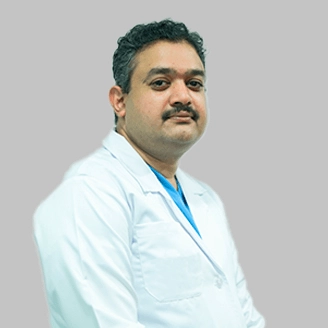
Best Percutaneous Balloon Mitral Valvuloplasty Doctors in India








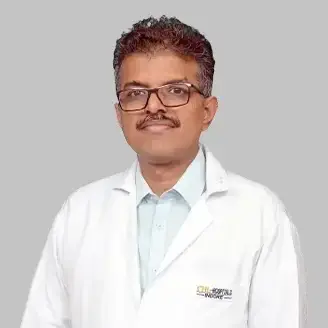







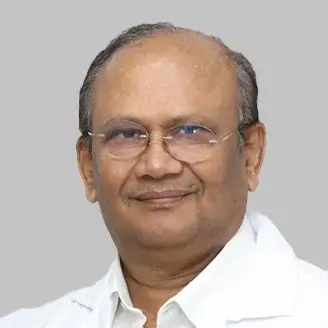



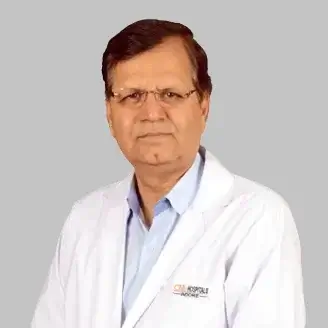






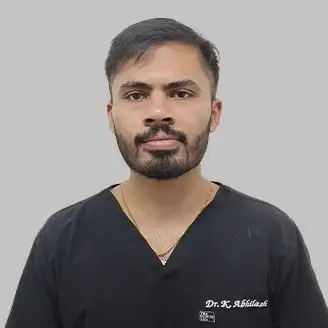




























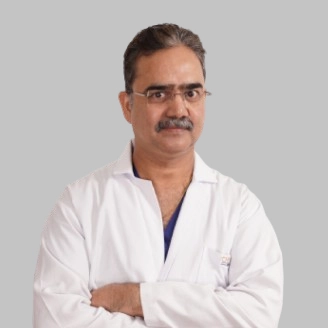




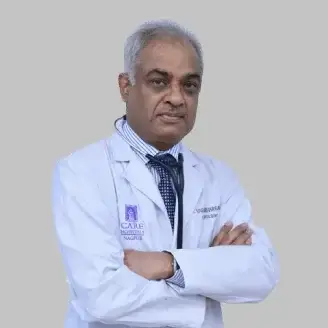

State-of-the-art Surgical Innovations at CARE Hospital
The hospital leads in robotic surgery, as shown by our successful "The Robotic Edge 2025" conference. This dedication to innovative technology will give patients the highest standard of care during procedures like balloon mitral valvuloplasty. Our high-tech cardiac cath labs allow specialists to position balloons and dilate valves in a controlled manner.
Indications for Percutaneous Balloon Mitral Valvuloplasty Surgery
Doctors recommend this procedure for:
- Symptomatic patients with severe mitral stenosis
- Asymptomatic patients with pulmonary hypertension
- Women with severe mitral stenosis who plan pregnancy
Types of Percutaneous Balloon Mitral Valvuloplasty (PBMV) Surgery Procedures
Surgeons typically use the Inoue balloon technique with a preshaped stylet to cross the mitral valve. Based on the patient's anatomy specialists may also use other approaches like the reverse loop, double loop or veno-arterial loop techniques.
Pre-surgery Preparation
A successful PBMV requires several important steps:
- The medical team reviews your detailed medical history with special attention to cardiac and pulmonary conditions
- You must fast after midnight the night before the procedure
- Your doctor might adjust certain medicines and stop blood-thinning medications for a few days before the procedure
- The procedure requires you to remove jewellery and retainers
Percutaneous Balloon Mitral Valvuloplasty Surgical Procedure
Your surgeon starts by numbing the groin area where a catheter will go in. The original steps involve placing a sheath into the femoral vein and threading a catheter with a deflated balloon. The balloon moves across the mitral valve with imaging guidance and inflates to open the narrowed valve. The surgery takes about 1 to 2 hours.
Post Surgery Recovery
The recovery process needs you to rest in bed for 2 to 6 hours. You will need to keep your leg straight if the catheter went through your groin. You should drink plenty of fluids to flush out the contrast dye. Most patients head home the next day and start light activities within a week. A full recovery takes about 8 weeks.
Risks
The procedure comes with some risks:
- Bleeding at the catheter site
- Arrhythmias
- Stroke
More serious complications include cardiac tamponade and severe mitral regurgitation.
Benefits of Percutaneous Balloon Mitral Valvuloplasty Surgery
Blood flow improves right away as your mitral valve area doubles in size. Patients notice dramatic relief from symptoms and improved cardiac function. This minimally invasive approach lets you recover faster with less scarring than open-heart surgery.
Insurance Assistance for Percutaneous Balloon Mitral Valvuloplasty Surgery
Health insurance usually covers medically necessary percutaneous balloon mitral valvuloplasty. At CARE Hospitals, our dedicated insurance assisting staff helps you get pre-approval, check policy coverage and works with TPAs to make cashless hospital stays. This well-planned support helps patients and their families focus on getting better rather than dealing with paperwork.
Second Opinion for Percutaneous Balloon Mitral Valvuloplasty (PBMV) Surgery
As this procedure involves careful work on the heart's structure, getting a second opinion before going ahead is a wise and reassuring step. This helps you make informed decisions about your cardiac care. At CARE Hospitals our expert cardiologists review your medical history & previous echocardiography reports. They will confirm your diagnosis and suggest a treatment approach or offer a different treatment plan. This helps patients and their loved ones understand and feel sure before making an important cardiac care decision.
Conclusion
Percutaneous balloon mitral valvuloplasty is one of the remarkable advancements in cardiac care. This procedure has transformed treatment options for countless mitral stenosis patients. Blood flow improves immediately after this minimally invasive approach. At CARE Hospitals our team combines world-class expertise with innovative technology to deliver outstanding care at reasonable prices. The hospital's steadfast dedication to new ideas ensures patients receive the best possible treatment for their condition.
Patients should discuss their specific case with a qualified cardiologist. A second opinion can help them learn about options before making such an important health decision. PBMV gives hope to many people with mitral stenosis without major surgery.
Percutaneous Balloon Mitral Valvuloplasty Hospitals in India
-
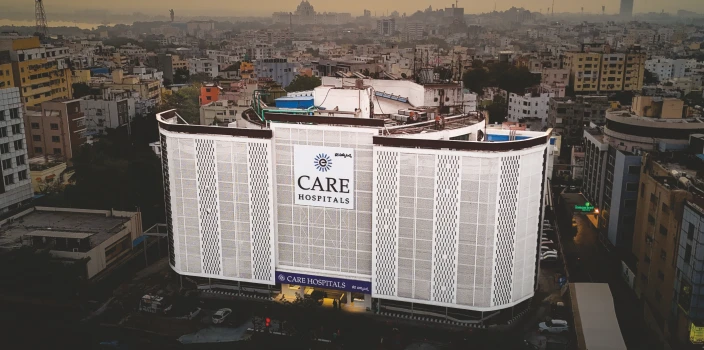
CARE Hospitals, Banjara Hills, Hyderabad
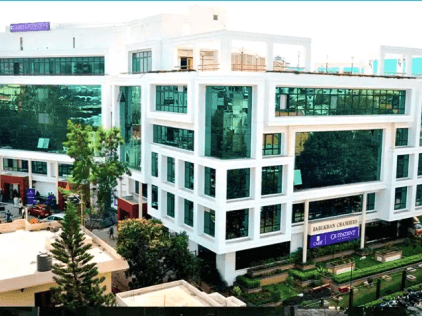
CARE Hospitals Outpatient Centre, Banjara Hills, Hyderabad

CARE Hospitals, HITEC City, Hyderabad
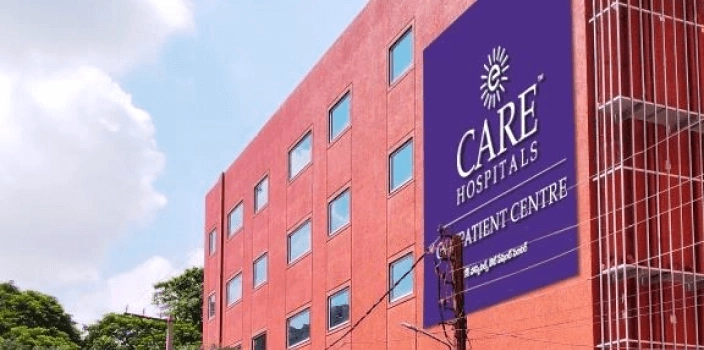
CARE Hospitals Outpatient Centre, HITEC City, Hyderabad
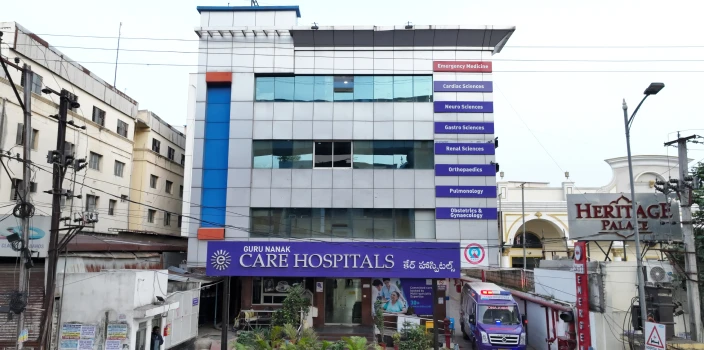
Gurunanak CARE Hospitals, Musheerabad, Hyderabad
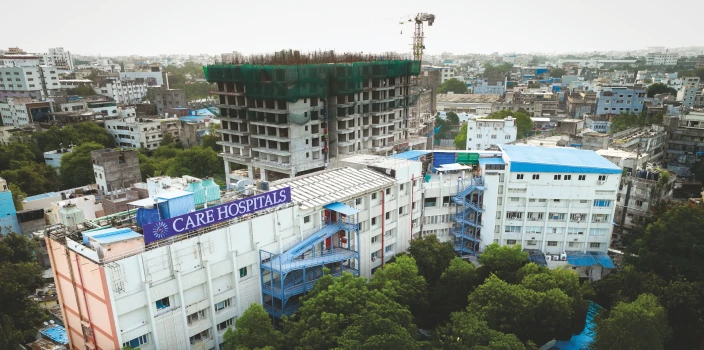
CARE Hospitals, Nampally, Hyderabad

CARE Hospitals, Malakpet, Hyderabad

CARE Hospitals, Bhubaneswar
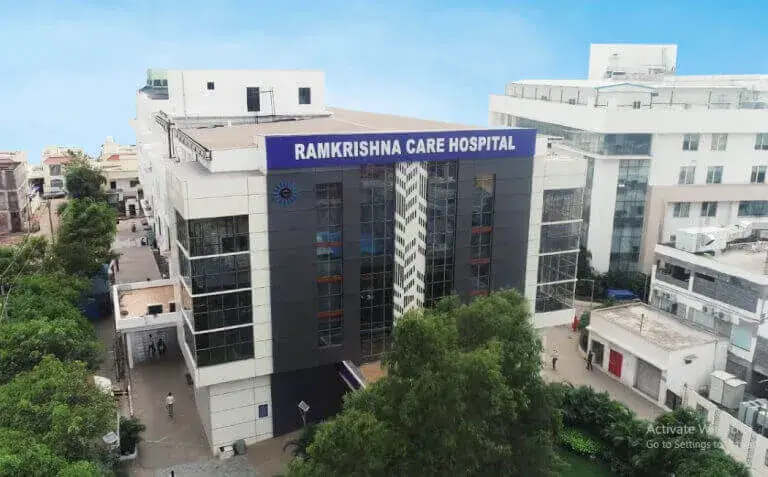
Ramkrishna CARE Hospitals, Raipur
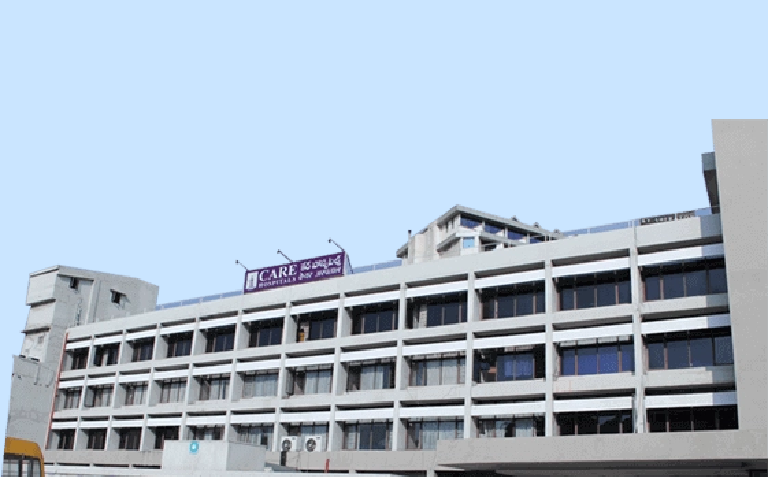
CARE Hospitals, Ramnagar, Visakhapatnam
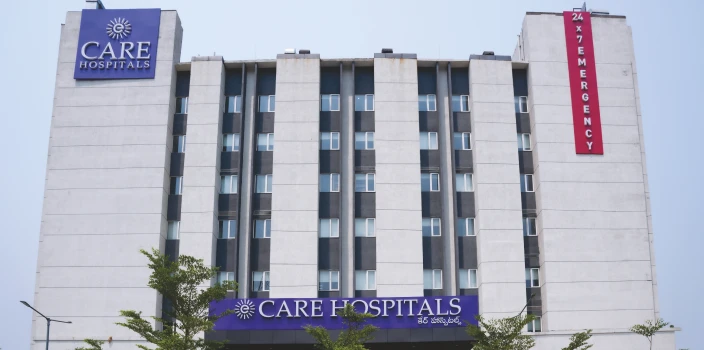
CARE Hospitals, Health City, Arilova
Frequently Asked Questions
The procedure widens a narrowed mitral valve with minimal invasion. Your doctor will insert a small balloon attached to a catheter through your thigh. The catheter moves up to your heart, where the balloon inflates to open the valve. This technique improves blood flow & helps relieve mitral stenosis symptoms.
The procedure itself causes no pain. Your medical team administers local anaesthesia with mild sedation to ensure your comfort. You might notice slight pressure at the time the balloon inflates, but this sensation remains minor.
The whole ordeal lasts about 1 to 2 hours. The main procedure needs less than an hour, but preparation time adds to the total duration.
Common risks are:
- Bleeding at the catheter site
- Infection
- Blood vessel damage
- Cardiac arrhythmias
- Stroke
- Valve leakage or damage
Patients usually return to their daily routines within days after leaving the hospital. Complete recovery takes 7–8 weeks. Your doctor might suggest avoiding heavy activities for 5 to 7 days after the procedure.
You should avoid eating after midnight before the procedure. Your doctor will guide you about stopping blood-thinning medications. Remember to remove jewellery and retainers.
The cardiac catheterisation centre performs this procedure under local anaesthesia with light sedation. You stay awake while doctors attach monitoring electrodes to your chest. The surgeon inserts a catheter through your groin into your blood vessels. X-ray imaging and ultrasound guide the specialist who creates a small hole between the heart chambers. The Inoue balloon catheter moves across your mitral valve, inflates briefly to stretch the valve, and deflates before removal. Your heart's blood flow improves right away.
The hospital admits you one day before the procedure. You must:
- Fast for at least 6 hours before surgery
- Stop blood-thinning medications as advised by your doctor
- Bring loose-fitting clothes and personal care items
Regular follow-up appointments are important for monitoring your heart's recovery. Your first checkup happens within 3 to 6 months, followed by yearly visits. Doctors perform ECGs and echocardiograms during these appointments to assess valve function. Your medication might change based on your progress.
You will stay in the hospital for 1 to 2 days after the procedure for monitoring. The nursing staff checks your vital signs, insertion site, and circulation while you lie flat for 2–6 hours. Drinking fluids helps flush contrast dye from your body. Recovery typically takes 4 to 8 weeks. You should avoid strenuous activities for 5–7 days.
Still Have a Question?