
-
Centre of Excellence
Specialties
Treatments and Procedures
 HyderabadCARE Hospitals, Banjara Hills CARE Outpatient Centre, Banjara Hills CARE Hospitals, HITEC City CARE Hospitals, Nampally Gurunanak CARE Hospitals, Musheerabad CARE Hospitals Outpatient Centre, HITEC City CARE Hospitals, Malakpet
 Raipur
 Bhubaneswar
 Visakhapatnam
 Nagpur
 Indore
 Chh. Sambhajinagar
 Clinics & Medical Centers


-

-

-

-

-

-
Follow Us

Best Hospital for Plain Old Balloon Angioplasty Surgery in Hyderabad
- Advanced Technology
- Shorter Hospital Stay
- Pre & Post-Operative Care
- All Insurance Accepted

Chat With Our Experts
Get second opinion on Whatsapp
25 lakhs+
Happy Patients
Experienced and
skilled surgeons
17
Health Care Facilities
Top most Referral Centre
for Complex Surgeries
Advanced Plain Old Balloon Angioplasty (POBA)
POBA (Plain Old Balloon Angioplasty) is a traditional treatment for blood vessel problems. Doctors use standard or high-pressure balloons to treat blocked vessels. The procedure is simple—doctors insert a balloon-tipped catheter into narrow blood vessels to widen them and get the blood flowing again. Some research on POBA without stents shows good short-term results.
This article breaks down the balloon angioplasty procedure, what you can expect, and how to prepare for it. You will also learn about recovery times and why CARE Group Hospitals might be your best choice.
Why CARE Hospitals is Your Top Choice for POBA (Plain Old Balloon Angioplasty) Surgery in Hyderabad
CARE Hospitals delivers exceptional cardiac care with its team performing a wide range of advanced cardiac interventions yearly in state-of-the-art catheterisation labs. The hospital's vascular department has highly trained surgeons who provide expert care with fully equipped labs and innovative approaches to vascular diseases. The hospital also provides affordable treatment that makes advanced cardiac procedures available to more patients.
Best Plain Old Balloon Angioplasty Doctors in India
















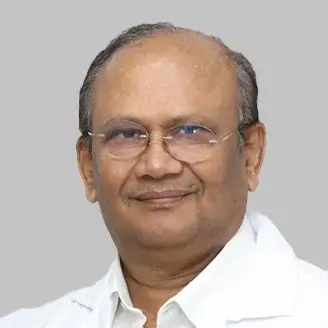









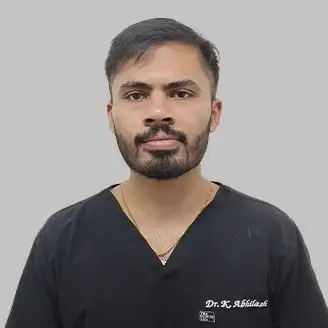




























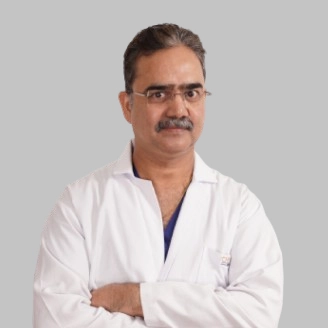




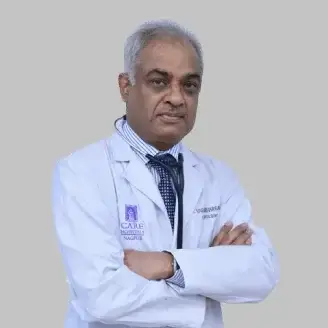

Innovative Surgical Advances at CARE Hospital
The hospital uses modern imaging techniques to improve precision during interventions. The team also uses minimally invasive approaches that reduce recovery time and complications. South India's first dual source, 128-slice CT scanner is housed at this facility for high-precision cardiac imaging.
Indications for POBA Surgery
POBA procedure treats several conditions including:
- Stable angina unresponsive to medication
- Acute ST-elevation myocardial infarction
- Non-ST-elevation myocardial infarction within 24–48 hours
Types of POBA Surgery Procedures
Plain old balloon angioplasty uses a simple balloon catheter to widen narrowed arteries. Doctors can perform this minimally invasive technique through a small puncture in the wrist or groin. Sometimes, they place stents (small mesh tubes) to keep arteries open after the procedure.
Pre Surgery Preparation
For the successful procedure several important preparatory steps include:
- POBA patients need routine blood tests and electrocardiogram checks
- Doctors ask patients to fast for eight hours before the procedure
- Your medical team will review current medications, especially when you have blood thinners, and might adjust dosages
- You should tell your doctor about any allergies, particularly to contrast dye or anaesthesia
POBA Surgical Procedure
This minimally invasive procedure keeps patients awake with sedation. Your doctor numbs the access site like the wrist or groin with local anaesthesia. They insert a small catheter into an artery and guide it toward the heart using X-ray imaging. Contrast dye helps show blockages. A balloon-tipped catheter moves to the narrowed area and inflates to push plaque against the artery walls. The balloon stays inflated for 60–120 seconds at pressures between 15–17 atmospheres. The balloon deflates and withdraws after widening the artery.
Post Surgery Recovery
Patients need to lie flat for about six hours after POBA to prevent bleeding. You might stay in the hospital from several hours to overnight, based on the procedure's complexity. Most patients can go home the same day but need someone else to drive them. Rest and fluids are essential at home. Your healthcare team will prescribe blood thinners and might suggest limiting activities for several days. Many people start driving and return to work about a week after the procedure.
Risks
Common complications are:
- Bleeding
- Infection
- Pain at the insertion site
- Abnormal heart rhythms
- Vessel damage
- Allergic reactions to contrast dye
- Blood clots
- Heart attack & stroke (rare)
Thrombosis, rupture, and dissection that need stent placement or surgical revision are the most important complications reported.
Benefits of POBA (Plain Old Balloon Angioplasty) Surgery
POBA effectively opens blocked arteries and brings back blood flow to the heart muscle. Other benefits are:
- Reduces heart muscle damage
- Effectively treats dialysis access circuit stenoses
- Patient outcomes are usually better in arteriovenous fistulas compared to arteriovenous grafts
Insurance Assistance for Plain Old Balloon Angioplasty Surgery
Most Indian health insurance plans cover heart surgeries including angioplasty, depending on policy terms and waiting periods. Your coverage includes pre hospitalisation expenses (like diagnostic tests) and the procedure's costs like room charges & surgeon fees.
Second Opinion for POBA Surgery
As cardiac procedures are complex getting another doctor's opinion provides useful insight. Multiple consultations help ensure your diagnosis is correct and show you alternative treatment options. Additional expert assessment builds your confidence in the treatment plan. This step becomes crucial when life altering procedures like angioplasty are on the table.
Conclusion
POBA remains a key treatment option for many patients with vascular issues, even with its limitations. The simple procedure gives quick relief by widening blocked arteries & restoring blood flow. This becomes important during emergencies like heart attacks. Most patients can go home the same day as POBA's minimally invasive nature. They can usually get back to their normal routine within a week.
CARE Group Hospitals excels at performing this procedure. Our skilled team handles thousands of cardiac interventions each year with state-of-the-art equipment and budget-friendly treatment plans. Additionally our superior imaging capabilities make these delicate procedures more precise. Anyone facing vascular blockages should have a detailed discussion with their doctors to see if plain old balloon angioplasty might work for them.
Plain Old Balloon Angioplasty Hospitals in India
-
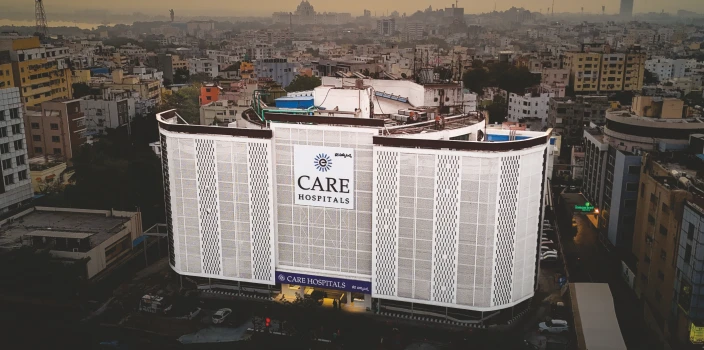
CARE Hospitals, Banjara Hills, Hyderabad
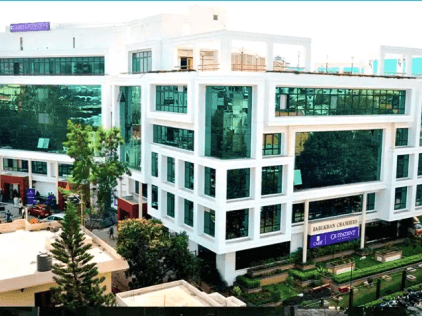
CARE Hospitals Outpatient Centre, Banjara Hills, Hyderabad
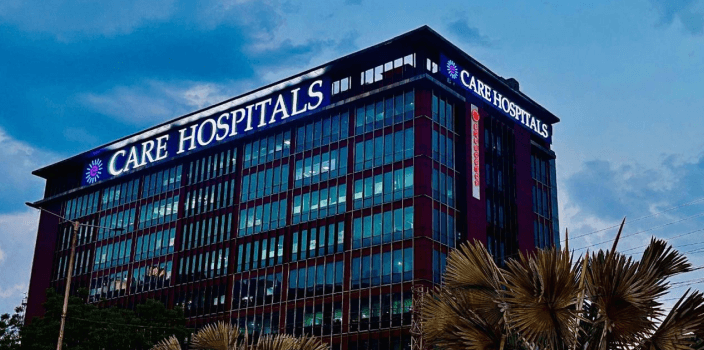
CARE Hospitals, HITEC City, Hyderabad
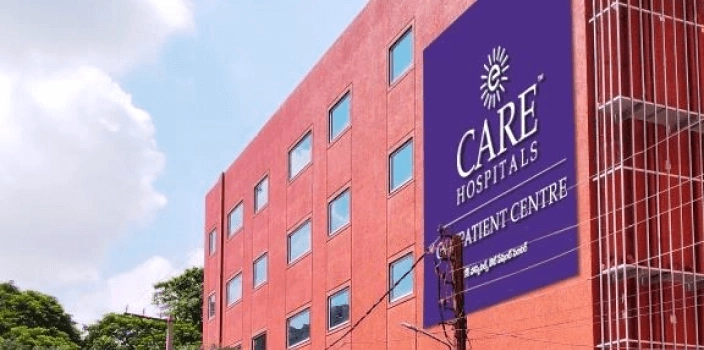
CARE Hospitals Outpatient Centre, HITEC City, Hyderabad
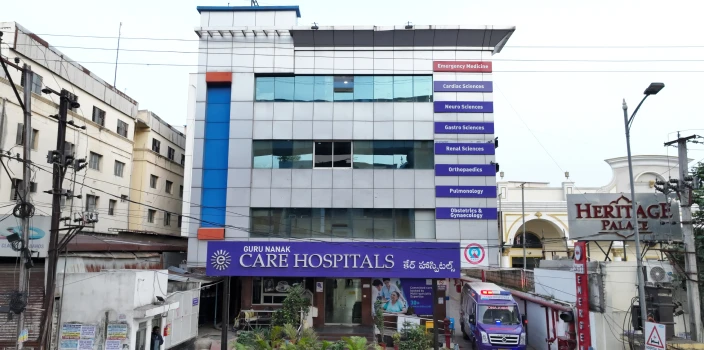
Gurunanak CARE Hospitals, Musheerabad, Hyderabad
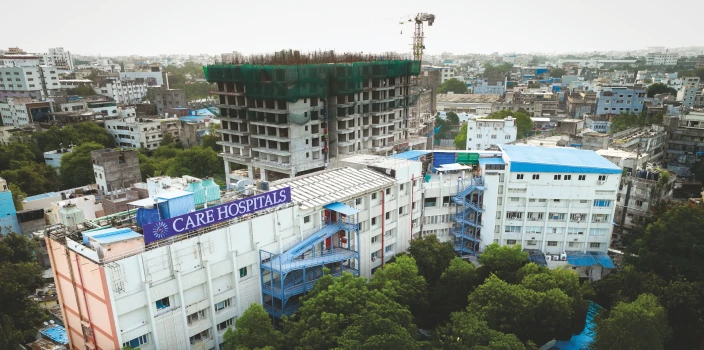
CARE Hospitals, Nampally, Hyderabad
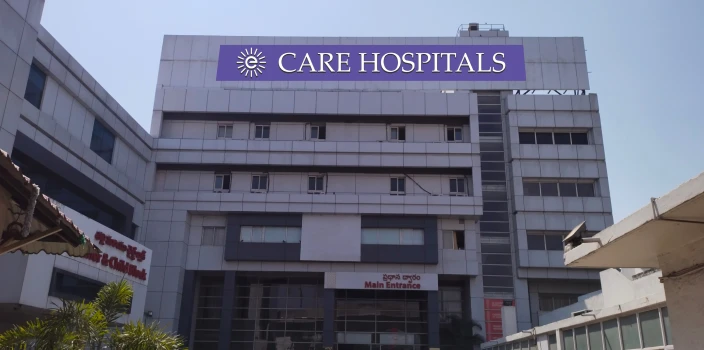
CARE Hospitals, Malakpet, Hyderabad
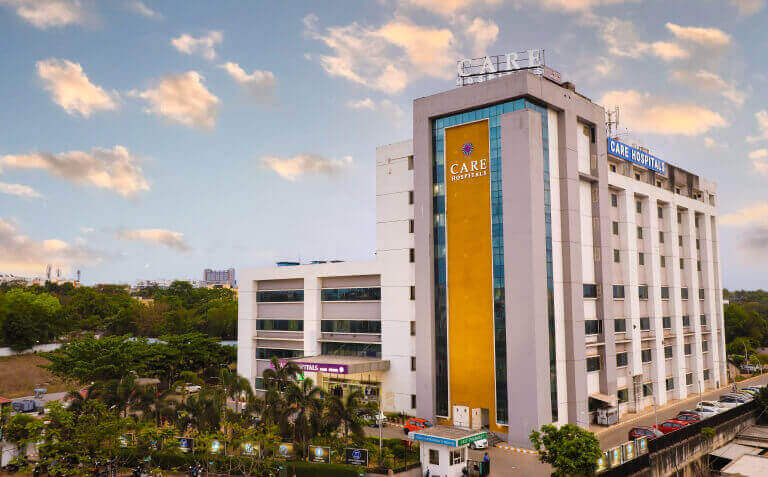
CARE Hospitals, Bhubaneswar
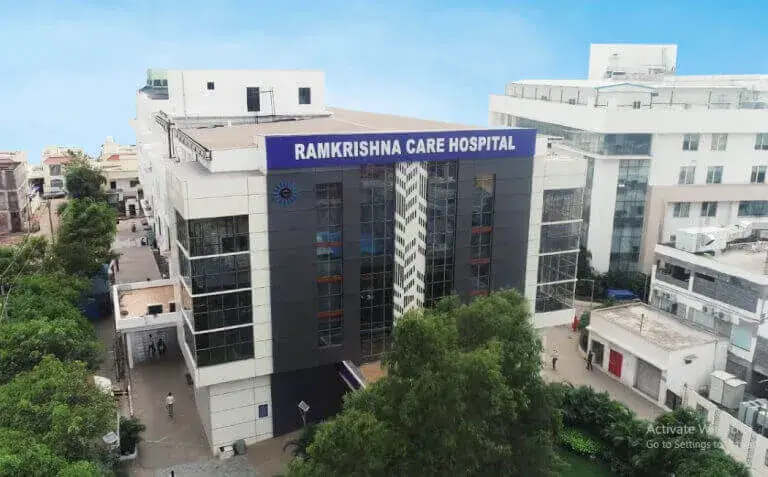
Ramkrishna CARE Hospitals, Raipur
CARE Hospitals, Ramnagar, Visakhapatnam
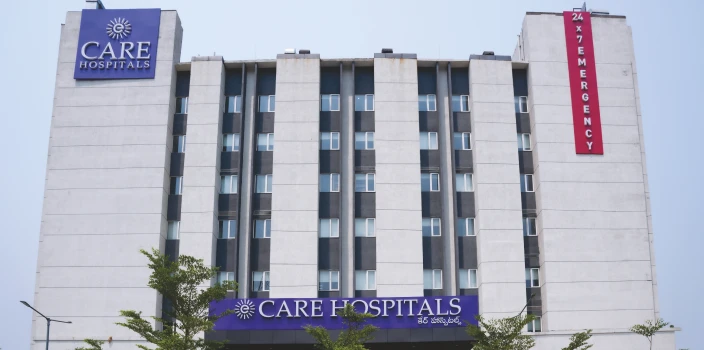
CARE Hospitals, Health City, Arilova
Frequently Asked Questions
Plain old balloon angioplasty helps widen narrowed arteries through a minimally invasive procedure. The surgeon uses a special balloon-tipped catheter and inflates it inside the blocked area. This pushes plaque against the artery's walls to restore proper blood flow.
Patients stay awake but comfortable throughout the procedure. The medical team uses local anaesthesia to numb the catheter entry point. Some patients experience mild pain at the insertion site afterwards, but severe pain rarely occurs.
A balloon angioplasty procedure usually takes 1 to 2 hours. The actual time depends on the number and complexity of blockages that need treatment.
The procedure carries certain risks:
- Bleeding or bruising at the insertion site
- Blood clots
- Irregular heartbeats
- Heart attack
- Stroke
- Vessel damage
Patients typically return to work and normal activities within a week. The first few days require rest and patients should avoid strenuous activities.
Patients must fast for eight hours before the procedure. The medical team needs to know about all current medications because some adjustments might be necessary, especially with blood thinners.
You will lie on your back and receive sedatives through an IV during the procedure. The medical team monitors your vital signs continuously. Your doctor will numb your groin or arm area with local anaesthesia. The catheter's entry into your artery creates some pressure. X-ray machines rotate around you while the specialist injects contrast dye to find blockages. The balloon briefly inflates to widen your artery once the blockage is located.
You should avoid eating for eight hours before surgery, though water is permitted. Tell your doctor about all medications, especially blood thinners. Someone needs to drive you home since you cannot drive after the procedure.
Your recovery requires visits to your cardiologist. Schedule the first appointment one week after the procedure, then every three to six months throughout the first year. These checkups help monitor your recovery and ensure your medications work effectively.
After discharge:
- Rest completely for 24 hours
- Drink plenty of fluids
- Avoid lifting heavy objects
- Skip bathing on the first day
- Keep the wound dry and clean
Most patients return to work after about a week.
Still Have a Question?