
-
Centre of Excellence
Specialties
Treatments and Procedures
 HyderabadCARE Hospitals, Banjara Hills CARE Outpatient Centre, Banjara Hills CARE Hospitals, HITEC City CARE Hospitals, Nampally Gurunanak CARE Hospitals, Musheerabad CARE Hospitals Outpatient Centre, HITEC City CARE Hospitals, Malakpet
 Raipur
 Bhubaneswar
 Visakhapatnam
 Nagpur
 Indore
 Chh. Sambhajinagar
 Clinics & Medical Centers


-

-

-

-

-

-
Follow Us

Best Hospital for Carotid Angioplasty Surgery in Hyderabad
- Advanced Technology
- Shorter Hospital Stay
- Pre & Post-Operative Care
- All Insurance Accepted

Chat With Our Experts
Get second opinion on Whatsapp
25 lakhs+
Happy Patients
Experienced and
skilled surgeons
17
Health Care Facilities
Top most Referral Centre
for Complex Surgeries
Advanced Carotid Angioplasty Surgery
Carotid angioplasty provides a lifeline for patients whose blocked neck arteries could cause a stroke. The procedure treats carotid artery stenosis that is a dangerous narrowing of blood vessels. Blood doesn't flow well through these clogged arteries, which makes the risk of stroke much higher.
The procedure helps restore proper blood circulation through carotid artery stenting. Doctors insert a balloon to widen the artery and place a stent to maintain the opening.
This article explains how the procedure works, who makes a good candidate, what happens before and after surgery, risks and the benefits of this life-saving treatment.
Why CARE Hospitals is Your Top Choice for Carotid Angioplasty Surgery in Hyderabad
The vascular specialists at CARE have trained in India, the UK, and the USA. This global experience brings world-class knowledge to their practise. The hospital's multi-speciality, anaesthesia, and critical care teams provide significant support that will give outstanding results for every carotid angioplasty procedure.
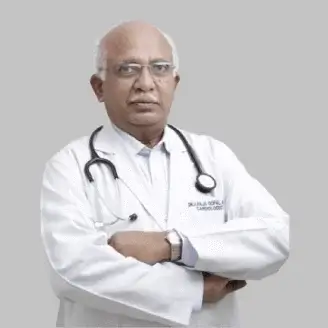
Best Carotid Angioplasty Surgery Doctors in India





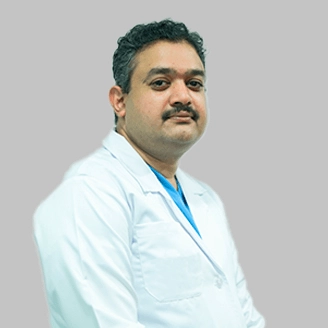


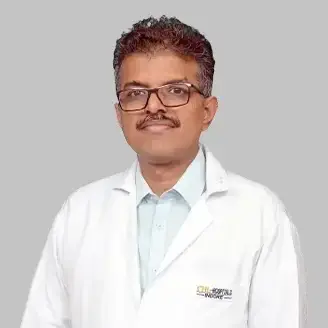


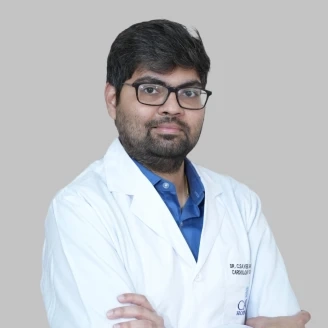


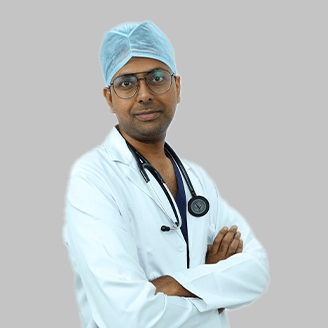

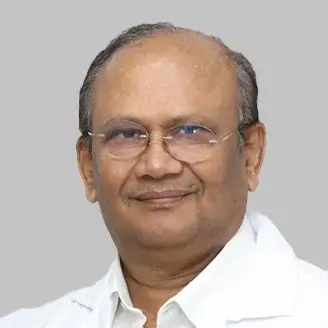









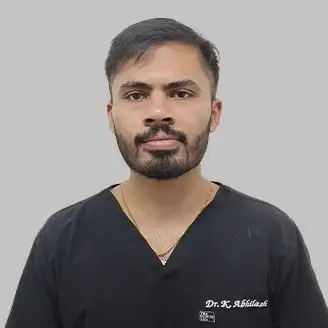


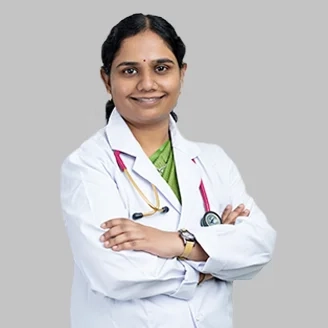
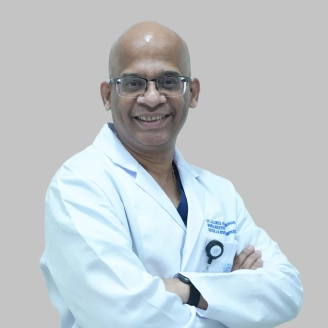
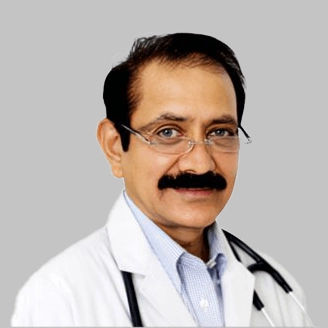

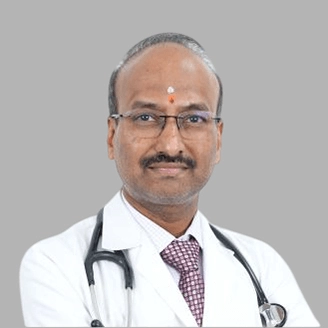












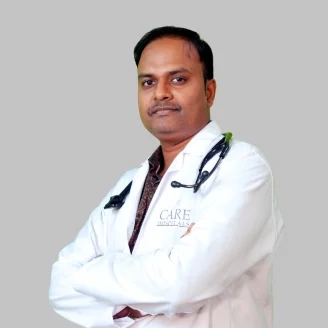

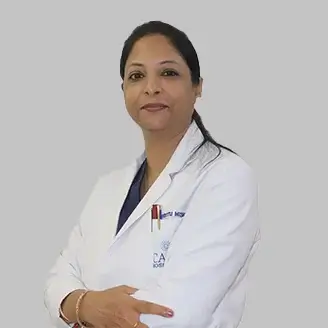




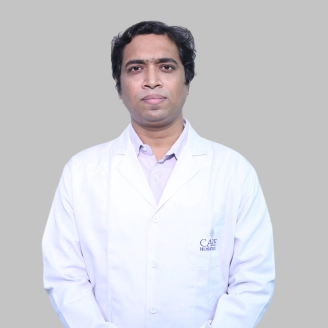

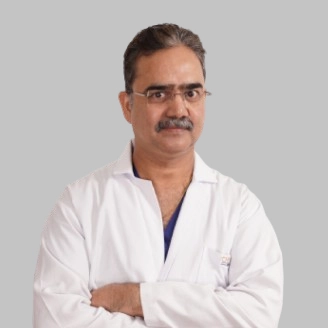


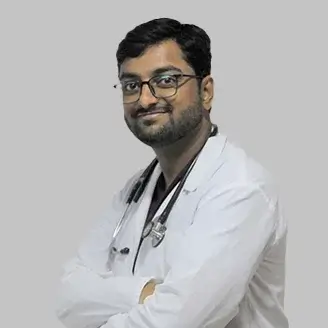

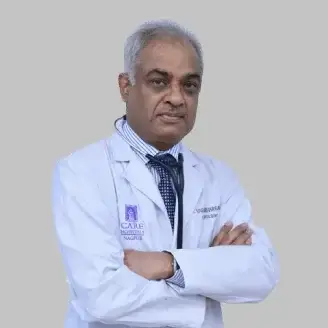
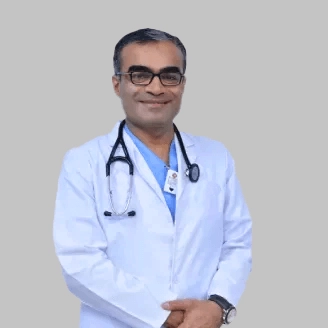
State-of-the-Art Surgical Breakthroughs at CARE Hospital
CARE Hospital led the way with robot-assisted carotid stenting. This breakthrough has an impact on precision, safety, and stroke prevention. The team has completed many robotic procedures using an advanced platform that boosts physician precision and minimises X-ray exposure for medical staff. They also use Optical Coherence Tomography alongside angiography to deliver images with almost 10 times more detail than traditional methods.
Indications for Carotid Angioplasty Surgery
Doctors treat carotid artery disease through carotid artery stenting. This condition occurs when internal arteries' lining narrows due to cholesterol deposits. The procedure helps patients with severe stenosis who can't undergo traditional endarterectomy because of existing cardiac, pulmonary, or renal conditions.
Types of Carotid Angioplasty Stent Procedures
CARE Hospital offers various stent options:
- Self-expanding stents made from cobalt alloy or nitinol
- Closed-cell stents providing reliable plaque coverage
- Open-cell stents offering flexibility for complex arterial junctions
- Hybrid stents combining benefits of both designs
Pre Surgery Preparation
Proper preparation for carotid angioplasty will lead to better outcomes and faster recovery:
Your doctor will perform necessary tests like blood tests, ECG, and carotid imaging.
Your doctor will adjust your blood-thinning medications several days before surgery.
Your doctor will tell you:
- The right time to stop eating and drinking
- Which medications you should take or stop
- What you need to bring to the hospital
Carotid Angioplasty Surgical Procedure
Surgery usually takes 30 minutes to 2 hours. Doctors use local anaesthesia with sedation instead of general anaesthesia. The surgeon will:
- Make a small cut in the groin
- Guide a catheter up to the carotid artery
- Use a filter that catches loose plaque
- Open the blocked area with a balloon
- Put in a stent to keep the artery open
Post Surgery Recovery
Patients typically stay in the hospital for 24–48 hours. Medical staff watches closely for any signs of stroke or bleeding. You will need to lie flat for several hours to stop bleeding where the catheter went in. Most patients get back to their normal routine within a week.
Complications
The procedure carries some rare risks:
- Stroke (the biggest risk)
- Bleeding where the catheter goes in
- Carotid artery tear
- Blood clots
- Narrowing of the artery happening again
Benefits of Carotid Angioplasty Surgery
This surgery has several advantages:
- Small cuts with minimal invasion
- Short hospital stays
- Recovery takes just days
- Less pain than traditional surgery
- More options for high-risk patients
Insurance Assistance for Carotid Angioplasty Surgery
Many medical insurance companies cover patients with symptomatic stenosis who face high risks with carotid endarterectomy. Our hospital's insurance desk ensures transparent billing, reduces paperwork hassles, and lets patients worry less about administrative concerns and more about getting better.
Second Opinion for Carotid Angioplasty Surgery
Second opinions are a great way to get clarity if you have complex surgical needs, questions about treatments, or other health conditions that might affect surgery. This helps make sure you get the best care for your specific situation. Carotid angioplasty is a life changing procedure for patients and CARE Hospitals plays a vital role in offering a reliable second opinion.
Conclusion
Carotid angioplasty represents a breakthrough in medical science that helps people with carotid artery blockages. The life saving procedure gives hope to patients through its remarkable success rates and quick recovery time. This minimally invasive option is a valuable alternative at the time traditional surgery poses too much risk.
CARE Hospital excels in this field with its outstanding team of vascular surgeons and interventional radiologists. Our groundbreaking work with robotic-assisted procedures and innovative technology makes us leaders in carotid care in Hyderabad. Modern medical advances like carotid angioplasty now allow doctors to treat carotid artery disease with minimal discomfort and faster healing than ever before.
Carotid Angioplasty Surgery Hospitals in India
-
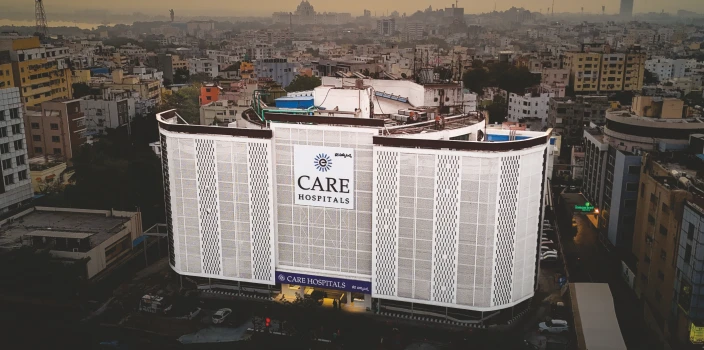
CARE Hospitals, Banjara Hills, Hyderabad
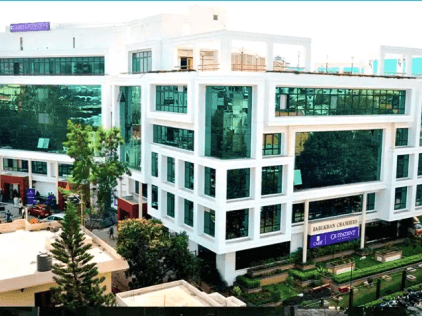
CARE Hospitals Outpatient Centre, Banjara Hills, Hyderabad

CARE Hospitals, HITEC City, Hyderabad
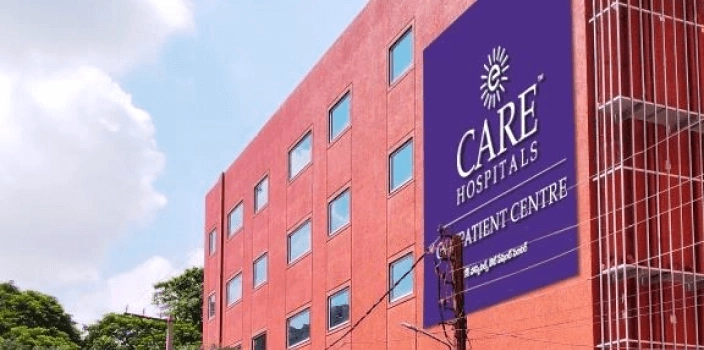
CARE Hospitals Outpatient Centre, HITEC City, Hyderabad
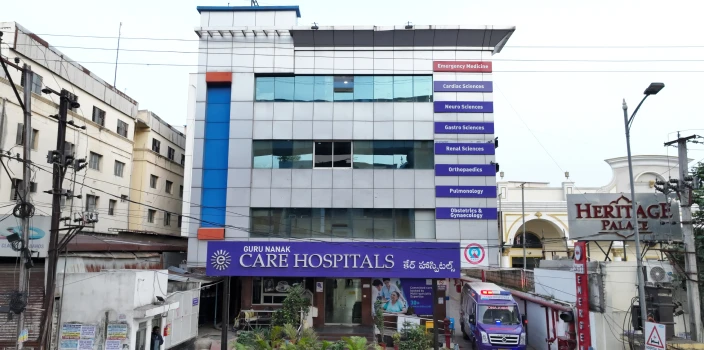
Gurunanak CARE Hospitals, Musheerabad, Hyderabad

CARE Hospitals, Nampally, Hyderabad
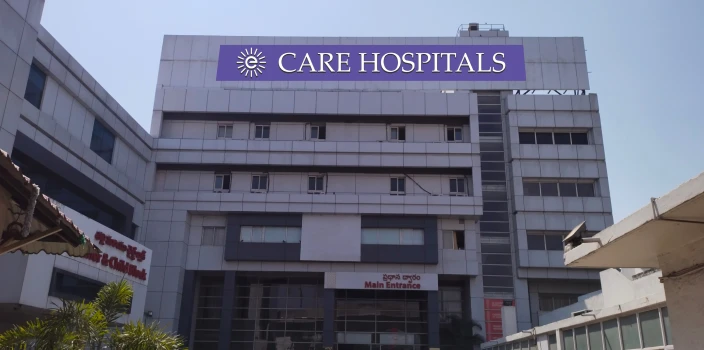
CARE Hospitals, Malakpet, Hyderabad

CARE Hospitals, Bhubaneswar
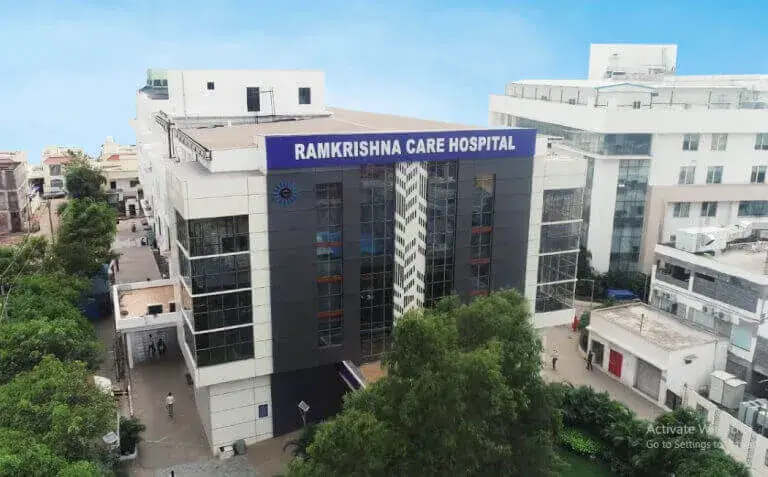
Ramkrishna CARE Hospitals, Raipur
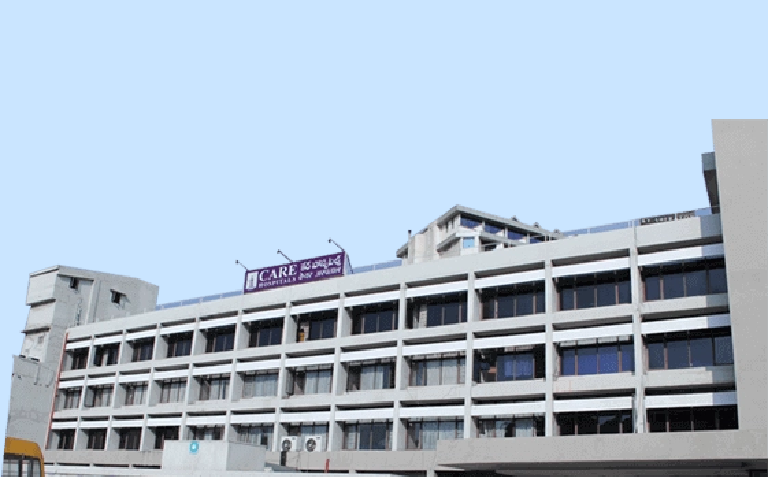
CARE Hospitals, Ramnagar, Visakhapatnam
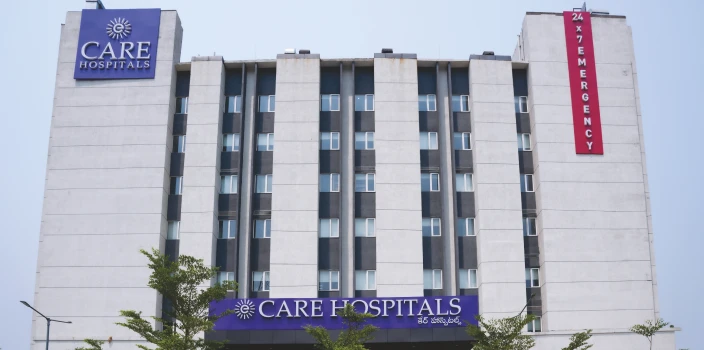
CARE Hospitals, Health City, Arilova
Frequently Asked Questions
Doctors perform carotid angioplasty as a minimally invasive procedure to open blocked neck arteries. The doctor places a small balloon through a catheter to widen the narrowed artery and then inserts a stent (tiny mesh tube) to keep it open. This stent stays permanently and provides structural support to prevent future narrowing.
The procedure doesn't cause pain since doctors use local anaesthesia with sedation. You might feel mild discomfort at the catheter insertion site later, which regular over-the-counter pain medication can easily manage.
A typical carotid stent procedure lasts about 30 minutes. Some cases need up to two hours. Your hospital visit will take several more hours when you include preparation and recovery time.
The procedure's risks include stroke, bleeding at the insertion site, restenosis (artery narrowing again), blood clots, and allergic reactions to contrast dye. Serious complications rarely occur.
Recovery requires lying flat for several hours initially. Most patients return home within 24-48 hours. A week usually allows complete recovery, and you can resume normal activities afterwards.
Tell your doctor about all your medications. Blood tests, ECG, and imaging scans will be necessary. Your physician will likely prescribe blood-thinning medications like aspirin and clopidogrel several days before surgery. You must follow the fasting rules - no food or drink for 6-8 hours before the procedure.
The surgery takes place in a specialised suite. You will stay awake but receive sedation. The surgeon numbs your groin area and makes a small cut to insert a catheter. This thin tube moves through your arteries to your neck. A filter device then stops loose plaque from reaching your brain. A balloon opens the narrow section, and a mesh stent keeps it open permanently.
Someone must drive you home since you won't be able to drive after surgery. Stop smoking because it substantially improves your surgical outcomes. Bring overnight essentials with you as most patients stay for 24-48 hours.
Yes regular check-ups include carotid ultrasound scans at 3, 6, 9, 12, 18, and 24 months, followed by yearly visits. These visits help monitor your stent's condition and ensure proper healing.
You must lie flat for 2-6 hours after surgery to prevent bleeding. Most patients go home within 24 hours and return to their normal routine within a week. Taking prescribed antiplatelet medications remains essential for at least one month.
Carotid stents offer long-term benefits when properly maintained. Studies show re-narrowing occurs in only 2-3% of cases.
Yes many cardiologists perform carotid stenting procedures. In many hospitals, carotid stents are put in by specialists like interventional cardiologists, vascular surgeons, or neuro-interventional surgeons.
Still Have a Question?