
-
Centre of Excellence
Specialties
Treatments and Procedures
 HyderabadCARE Hospitals, Banjara Hills CARE Outpatient Centre, Banjara Hills CARE Hospitals, HITEC City CARE Hospitals, Nampally Gurunanak CARE Hospitals, Musheerabad CARE Hospitals Outpatient Centre, HITEC City CARE Hospitals, Malakpet
 Raipur
 Bhubaneswar
 Visakhapatnam
 Nagpur
 Indore
 Chh. Sambhajinagar
 Clinics & Medical Centers


-

-

-

-

-

-
Follow Us

Best Hospital for Decompressive Craniectomy Surgery in Hyderabad
- Advanced Technology
- Shorter Hospital Stay
- Pre & Post-Operative Care
- All Insurance Accepted

Chat With Our Experts
Get second opinion on Whatsapp
25 lakhs+
Happy Patients
Experienced and
skilled surgeons
17
Health Care Facilities
Top most Referral Centre
for Complex Surgeries
Advanced Decompressive Craniectomy Surgery
Decompressive craniectomy has emerged as a new hope for many patients that has changed their lives. This neurosurgical procedure basically involves removing a portion of the skull. All this is to give more space to a swollen brain so that it can expand without compression. The main focus is on controlling intracranial pressure and preventing life-threatening herniation when conventional treatments fail (has great outcomes when done for traumatic brain injury and middle cerebral artery infarction). The decision to perform this decompressive craniectomy procedure requires careful individualisation with detailed discussions about long term implications between surgeons and caregivers.
Why CARE Group Hospitals is Your Top Choice for Decompressive Craniectomy Surgery in Hyderabad
CARE Hospitals is recognised as one of Hyderabad's premier neurosurgery centres and attracts patients from across India. The neurosurgical team has decades of clinical and surgical expertise to treat complex cases. Patients benefit from an integrated approach (with the amalgamation of skilled neurosurgeons, spine surgeons and neurocritical care specialists). The 24/7 trauma and emergency neuro care ensures immediate surgical intervention for critical cases that require urgent decompressive craniectomy.
Best Decompressive Craniectomy Surgery Doctors in India





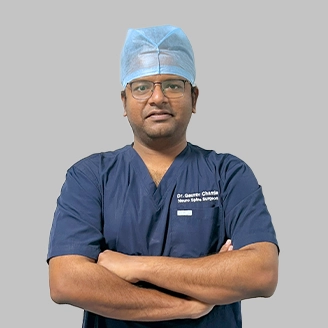









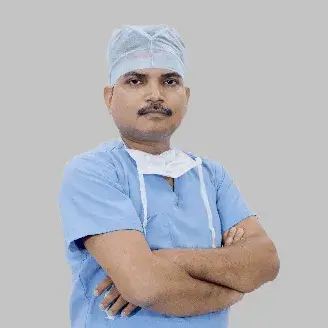

State-of-the-Art Surgical Innovations at CARE Hospital
CARE has advanced neuroimaging capabilities including 3T MRI, CT, PET CT and intraoperative neuro navigation systems. These provide precise diagnosis and live surgical guidance. The hospital is known for micro-neurosurgery and minimally invasive techniques across the region (keyhole and endoscopic procedures give you minimal trauma and faster recovery). Computer-assisted and robotic surgeries represent the forefront of neurosurgical care available at the facility.
Indications for Decompressive Craniectomy Surgery
The decompressive craniectomy procedure addresses multiple conditions that cause raised intracranial pressure. These include:
- Traumatic brain injury
- Middle cerebral artery infarction
- Acute subdural haematoma
- Acute encephalitis
- Cerebral toxoplasmosis.
Types of Decompressive Craniectomy Surgery Procedures
Here are common types of decompressive craniectomy surgery:
- Unilateral fronto-temporo-parietal craniectomy is the most common technique for lesions confined to one hemisphere.
- Bifrontal craniectomy addresses diffuse swelling.
- Bilateral frontotemporal approaches decompress both hemispheres at once.
Pre-surgery Preparation
Preparation begins with detailed neurological and medical assessments. Your doctor may go for imaging studies such as CT scans or MRI to assess brain swelling and determine the surgical site. Patients must fast after midnight before the decompressive craniectomy procedure. Blood-thinning medications require discontinuation 2 to 10 days before the operation.
Decompressive Craniectomy Surgical Procedure
The neurosurgeon makes a scalp incision under general anaesthesia and removes a skull portion with precision tools. The dura mater opens to allow brain expansion without pressure. A lax duraplasty with artificial material provides adequate decompression. The bone flap receives preservation for later cranioplasty. The decompressive craniectomy surgery takes three to five hours.
Post Surgery Recovery
Intensive care monitoring manages intracranial pressure and the patient's neurological status right after surgery. Patients wear protective helmets until skull restoration. Rehabilitation helps regain lost functions and improves the quality of life. Hospital stays last several weeks.
Risks and Complications
Common complications are:
- Infection
- Bleeding
- Cerebrospinal fluid leak
- Hydrocephalus
- Seizures
- Cognitive dysfunction
- Trephine syndrome (rare).
Benefits of Decompressive Craniectomy Surgery
This life-saving procedure relieves dangerous brain swelling and reduces the risk of complications while improving neurological outcomes.
Insurance Assistance for Decompressive Craniectomy Surgery
Health insurance plans cover hospitalisation, pre- and post-hospitalisation, ICU charges and operation theatre expenses up to the sum insured. At CARE Hospitals our dedicated insurance team guides patients and their families in understanding coverage details, estimating expected costs, and handling all required paperwork.
Second Opinion for Decompressive Craniectomy Surgery
Getting a second opinion about decompressive craniectomy surgery helps patients and their families understand the condition and the available treatments more. Most patients have one to two weeks for safe surgical planning with controlled symptoms. Another specialist's evaluation may confirm the need for surgery, clarify surgery's risks and benefits, and provide reassurance so that you can make informed decisions about the most appropriate care plan.
Conclusion
Decompressive craniectomy saves lives when brain swelling threatens survival. This surgical intervention offers hope to patients facing critical neurological emergencies and substantially reduces mortality rates while improving recovery prospects. CARE Hospitals provides access to experienced neurosurgeons and detailed care throughout your treatment. Patients benefit from a multidisciplinary team dedicated to achieving the best possible outcomes. Timely intervention makes the difference between life and lasting disability most of all.
Decompressive Craniectomy Surgery Hospitals in India
-
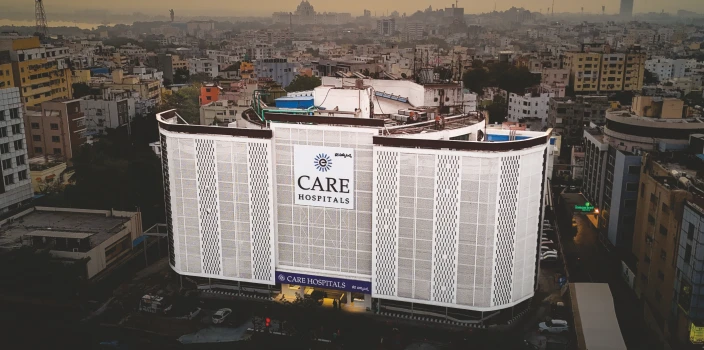
CARE Hospitals, Banjara Hills, Hyderabad
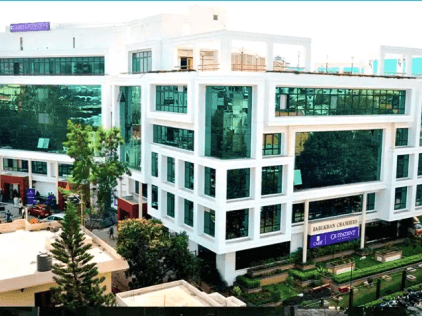
CARE Hospitals Outpatient Centre, Banjara Hills, Hyderabad
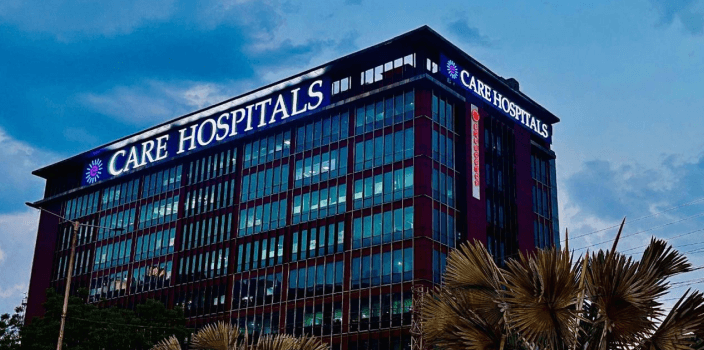
CARE Hospitals, HITEC City, Hyderabad
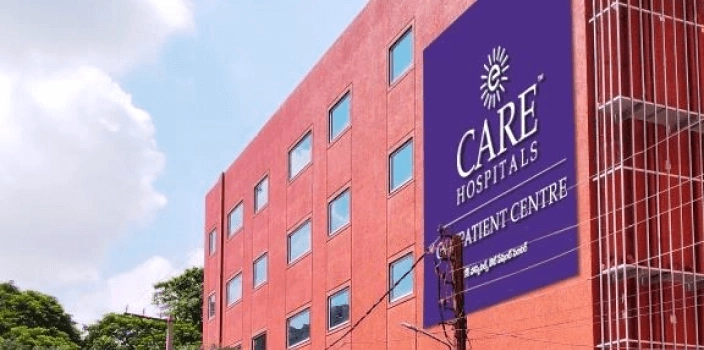
CARE Hospitals Outpatient Centre, HITEC City, Hyderabad
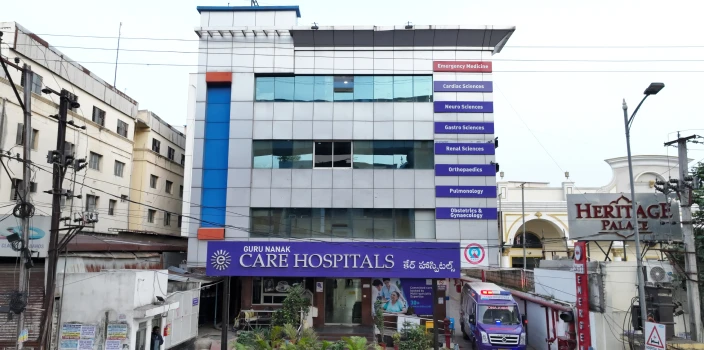
Gurunanak CARE Hospitals, Musheerabad, Hyderabad
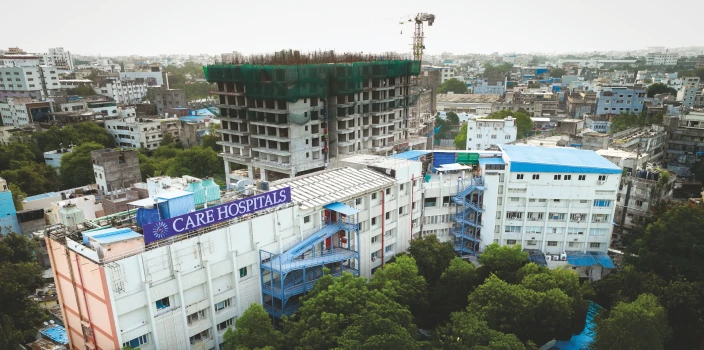
CARE Hospitals, Nampally, Hyderabad
CARE Hospitals, Malakpet, Hyderabad
CARE Hospitals, Bhubaneswar
Ramkrishna CARE Hospitals, Raipur
CARE Hospitals, Ramnagar, Visakhapatnam
CARE Hospitals, Health City, Arilova
Frequently Asked Questions
This neurosurgical procedure removes a large skull section and opens the underlying dura mater to reduce intracranial pressure and ease cerebral hypoperfusion. Surgeons remove the bone flap when brain swelling becomes life threatening. The brain gets space to expand.
Yes decompressive craniectomy is a major brain surgery. The operation takes between three and five hours to complete, though some procedures extend longer depending on complexity. Patients require intensive care monitoring and several weeks of hospitalisation afterwards.
After craniotomy the majority of patients reported moderate to severe pain. Most experienced severe pain during the first postoperative day. The pain originates from the scalp, pericranial muscles and soft tissue manipulation. Medical teams provide pain management through various analgesic techniques.
The surgery takes around 3-5 hours. Complex situations may extend the duration.
Common decompressive craniectomy complications are:
- Infection
- Bleeding
- Cerebrospinal fluid leak
- Hydrocephalus and trephine syndrome
- Seizures
- Brain damage
- Stroke
- Paralysis.
Decompressive craniectomy recovery timelines vary. Hospital stays span several weeks. Full rehabilitation extends from weeks to months and sometimes years. Patients regain strength and cognitive functions over this period.
Before surgery discuss risks and expected outcomes with your surgeon. Understand surgery details, recovery processes and long-term effects. Make sure all questions receive complete answers for informed decision making.
Surgeons administer general anaesthesia before making scalp incisions. They drill holes in the skull, remove bone portions and treat underlying conditions. The procedure spans three to five hours.
Attend preoperative consultations and complete imaging tests that are needed. Doctors will adjust your medications, blood thinners in particular. Avoid smoking and alcohol beforehand.
Yes follow-up appointments occur at one week, one month and three months. Regular monitoring ensures proper healing and addresses complications.
Avoid:
- Heavy lifting over 10 pounds
- Driving until cleared
- Crowded places and stressful situations
- Contact sports.
- Protect the unprotected skull site
Surgeons remove large frontotemporoparietal skull portions exceeding 12 cm for unilateral lesions. Reconstruction occurs within one to six months afterwards.
Still Have a Question?