
-
Centre of Excellence
Specialties
Treatments and Procedures
 HyderabadCARE Hospitals, Banjara Hills CARE Outpatient Centre, Banjara Hills CARE Hospitals, HITEC City CARE Hospitals, Nampally Gurunanak CARE Hospitals, Musheerabad CARE Hospitals Outpatient Centre, HITEC City CARE Hospitals, Malakpet
 Raipur
 Bhubaneswar
 Visakhapatnam
 Nagpur
 Indore
 Chh. Sambhajinagar
 Clinics & Medical Centers


-

-

-

-

-

-
Follow Us

Best Hospital for Minimally Invasive Spinal Fusion Surgery in Hyderabad
- Advanced Technology
- Shorter Hospital Stay
- Pre & Post-Operative Care
- All Insurance Accepted

Chat With Our Experts
Get second opinion on Whatsapp
25 lakhs+
Happy Patients
Experienced and
skilled surgeons
17
Health Care Facilities
Top most Referral Centre
for Complex Surgeries
Advanced Minimally Invasive Spinal Fusion Surgery
Spinal fusion using minimally invasive techniques has become the top pick for many patients needing surgery. This new surgical technique offers patients who need spinal fusion a strong alternative to traditional open surgeries. Surgeons can now perform complex procedures using smaller incisions that disrupt less tissue. This revolutionary approach has become increasingly popular as surgical techniques and technologies have made tremendous progress in recent decades.
This article explains what minimally invasive spinal fusion surgery is, its indications and surgery knowledge.
Why CARE Hospitals is Your Top Choice for Minimally Invasive Spinal Fusion Surgery in HITEC City
CARE Hospitals excels in Hyderabad with its steadfast dedication to clinical excellence (all this at very affordable costs). The hospital features innovative technology and reliable infrastructure specifically designed for spine surgeries. Patients receive personalised treatment plans from specialists at CARE Hospital HITEC City (they get the benefit of advanced endoscopic techniques managed by the best doctors). The hospital's healthcare team works collaboratively to help patients recover faster & restore their mobility.
Best Minimally Invasive Spinal Fusion Surgery Doctors in India





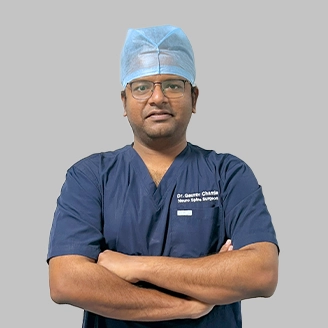









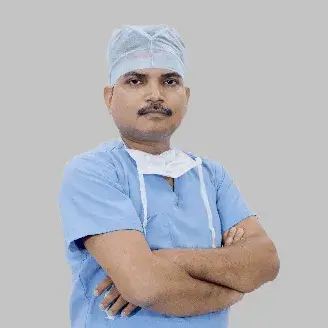

Innovative Surgical Technologies at CARE Hospital
CARE Hospital uses state-of-the-art technology to ensure the best possible surgical results. The surgical team relies on specialised equipment including:
- Endoscopic devices that provide better visibility, superior lighting, and 3D depth perception
- Advanced equipment that creates minimal access to the spine while protecting surrounding muscles
- Fluoroscopy and portable X-ray machines for precise imaging during procedures
These advances have reshaped surgical outcomes by reducing radiation exposure and improving accuracy for pedicle screw fixation.
Indications for Minimally Invasive Spinal Fusion Surgery
Doctors can treat several spinal conditions through minimally invasive spinal fusion surgery. These include:
- Degenerative disc disease
- Spondylolisthesis
- Spinal stenosis
- Scoliosis
- Vertebral fractures
- Spinal infections
- Spinal tumours
Doctors typically recommend this surgery when conservative treatments like medications and physical therapy don't work.
Types of Minimally Invasive Spinal Fusion Surgery Procedures
Surgeons can choose from several minimally invasive spinal fusion approaches.
- Transforaminal Lumbar Interbody Fusion (TLIF) - accesses the spine from the back with minimal nerve movement
- Direct Lateral Interbody Fusion (DLIF) and Extreme Lateral Interbody Fusion (XLIF) - reach the spine from the side and avoid back muscle injury.
- Oblique Lateral Interbody Fusion (OLIF) - approaches the spine at an angle (the surgeon preserves your psoas muscle).
Pre-surgery Preparation
Your surgeon will examine you and order imaging tests like X-rays, CT scans or MRIs to plan your procedure properly. You need to take these steps before surgery:
- Quit smoking because tobacco use slows healing, prevents bone growth, reduces bone density, and limits blood flow to your spine
- Stay active to maintain strength and flexibility, which helps you recover faster
- Change your medications - you must stop blood thinners, anti-inflammatories, and certain supplements at least a week before surgery
- Get your home ready by removing anything you might trip over, keeping frequently used items close, and getting help with daily tasks
- Find someone who can drive you home after surgery and help with daily activities
Minimally Invasive Spinal Fusion Surgical Procedure
- The medical team will induce local or general anaesthesia based on your specific procedure.
- Your surgeon creates small incisions through your back, chest or abdomen.
- Specialised retractors move muscles aside gently instead of cutting through them, which creates a tunnel to your spine.
- Your surgeon uses an endoscope with a camera or works under microscope visualisation to see the operating area clearly.
- Small instruments go through these tubes to remove the intervertebral disc, prepare bone surfaces, and place bone graft material between vertebrae.
- The surgeon might use screws or rods to keep the area stable while you heal.
- After thoroughly checking the surgical area the surgeon will close the incisions.
Post-surgery Recovery
You will rest in a recovery area until the anaesthesia wears off. Most patients return home the same day or after 1-2 days while traditional surgery usually requires 3-5 days in the hospital.
Pain management becomes easier with minimally invasive surgery compared to open procedures. Physical therapy helps you regain strength and function (playing a key role in recovery). Full recovery will take 6-12 weeks. Your spine needs 3-6 months to complete the fusion process, so keeping proper alignment matters.
Complications
Minimally invasive spinal fusion comes with certain risks, even with its advantages. These include:
- Infection at the surgical site
- Excessive bleeding during or after surgery
- Nerve damage that causes numbness or weakness
- Failed bone fusion (pseudarthrosis)
- Hardware problems like loose or broken screws
- Blood clots
- Reactions to anaesthesia
Benefits of Minimally Invasive Spinal Fusion Surgery
The benefits are:
- Smaller incisions create less scarring
- Muscles get gently separated instead of being cut, reducing tissue damage
- Hospital stays are shorter by a lot—1-2 days instead of 3-5 for traditional surgery
- Lower risk of infection
- Less pain after surgery means fewer medications
- Patients can return to light work within 2-3 weeks
Insurance Assistance for Minimally Invasive Spinal Fusion Surgery
Insurance plans cover this surgery if it's medically needed and other treatments haven't worked. Your claim depends on:
- Your insurance plan's details
- Your deductibles and copayments
- The facility you choose (hospital or surgery centre)
- The specific procedure you need
Get a Second Opinion for Minimally Invasive Spinal Fusion Surgery
A second opinion can be valuable for complex spine surgeries. Getting another opinion helps confirm your diagnosis and might reveal other treatment options.
Conclusion
Minimally invasive spinal fusion surgery is a breakthrough surgery to treat spinal conditions without causing substantial tissue damage. Although this surgery has some risks, but its benefits make it a good choice for many patients. Faster recovery times, reduced pain, and smaller incisions are compelling advantages for those who qualify. Choosing the right hospital is essential for this delicate surgery. CARE Hospitals uses advanced technology and equipment to perform spine surgeries with utmost precision and minimal complications.
Best Minimally Invasive Spinal Fusion Surgery Hospitals in India
-
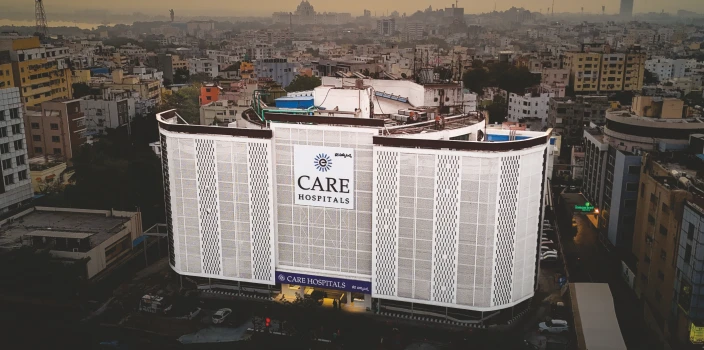
CARE Hospitals, Banjara Hills, Hyderabad
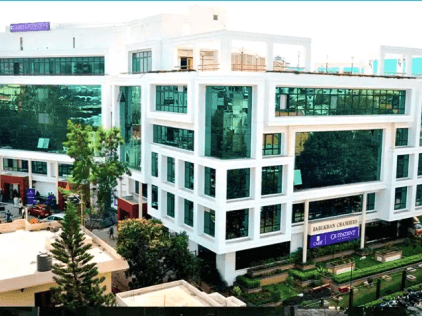
CARE Hospitals Outpatient Centre, Banjara Hills, Hyderabad
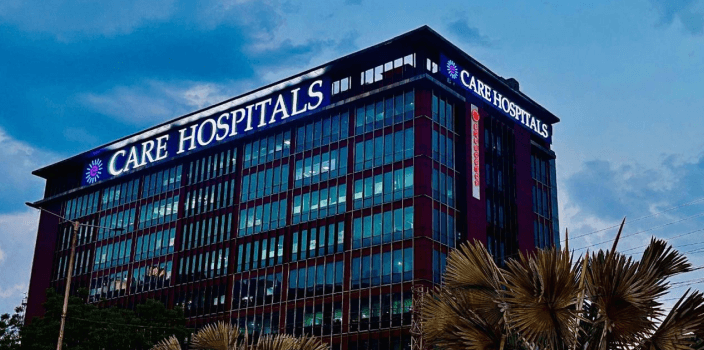
CARE Hospitals, HITEC City, Hyderabad
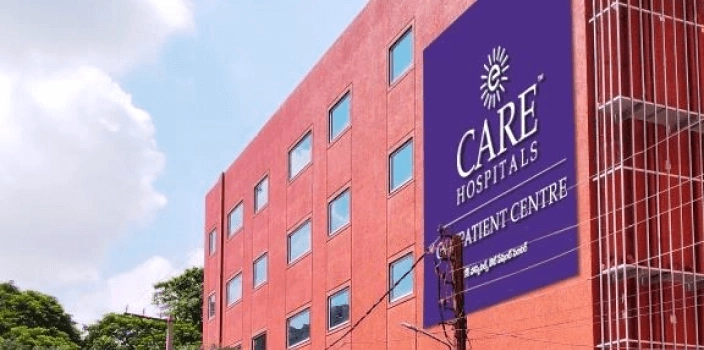
CARE Hospitals Outpatient Centre, HITEC City, Hyderabad
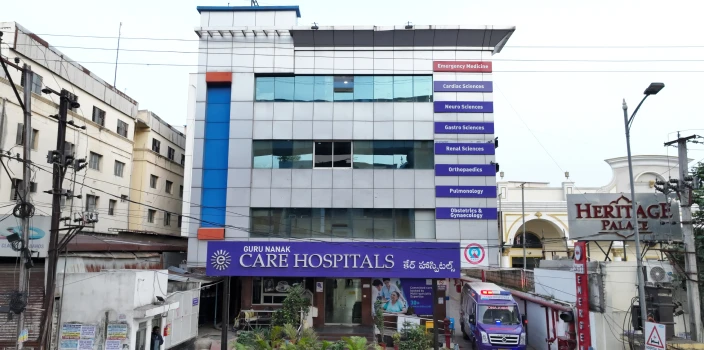
Gurunanak CARE Hospitals, Musheerabad, Hyderabad
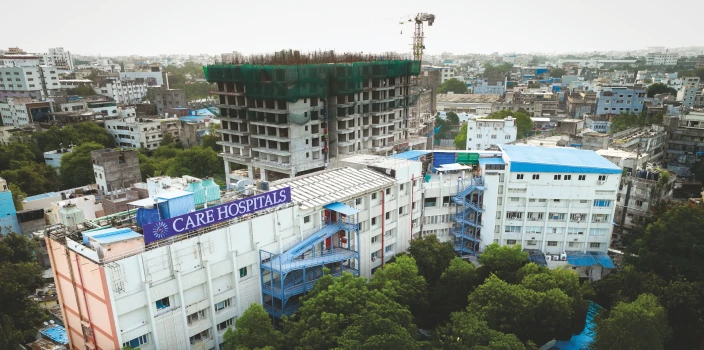
CARE Hospitals, Nampally, Hyderabad
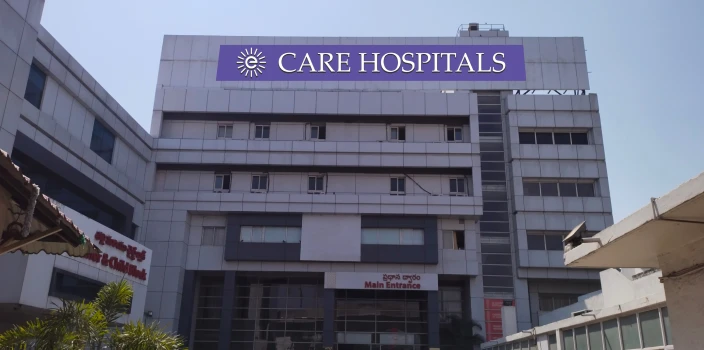
CARE Hospitals, Malakpet, Hyderabad

CARE Hospitals, Bhubaneswar
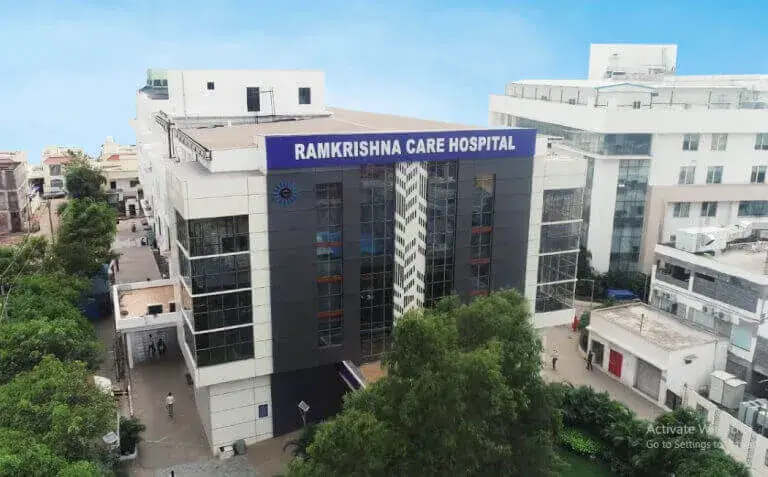
Ramkrishna CARE Hospitals, Raipur
CARE Hospitals, Ramnagar, Visakhapatnam
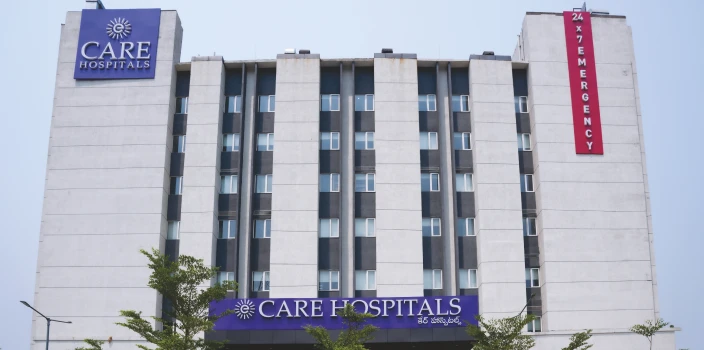
CARE Hospitals, Health City, Arilova
Frequently Asked Questions
Minimally invasive spinal fusion connects two or more vertebrae through small incisions with specialised tools. This technique barely disturbs surrounding muscles and tissues, unlike traditional open surgery that needs larger cuts. The procedure helps stabilise painful vertebrae by forming solid bone between them.
The pain levels are lower than traditional open surgery. You will feel some pain during recovery, but your surgeon will create a tailored pain management plan with medications and physical therapy.
Surgery duration depends on complexity. Simple procedures typically take 1-2 hours. More complex fusions with multiple vertebrae might need 2-6 hours.
Complications can include:
- Infection
- Bleeding
- Nerve damage
- Hardware issues
- Blood clots
- Unsuccessful fusion
Full recovery takes 3-6 months. Many patients can return to office work after 4-6 weeks.
- You must quit smoking completely.
- Your doctor will ask you to stop blood thinners a week before surgery.
- Do gentle exercises to build strength.
- Your doctor will schedule some tests before the surgery.
The procedure starts with anaesthesia. Surgeons make small incisions to insert tubular retractors that gently push muscles aside instead of cutting them. Minimally invasive spinal fusion surgeries take 2-3 hours, while complex surgeries take longer.
Regular appointments help monitor your healing. Physical therapy strengthens your back muscles. Most patients return to normal activities after 6-8 weeks.
Of course minimally invasive surgery can perform spinal fusion. Studies show that many patients go home within 24 hours.
Still Have a Question?